Chapter 8 AI Visibility and Theoretical Foundations · IDAEO: Marketing in the Age of AI
Chapter 8 AI Visibility and Theoretical Foundations
Chapter 8
AI Visibility and Theoretical Foundations
This chapter answersWhere in the journey does AI Visibility sit, and what is the theoretical basis of IDAEO?
Why it comes hereOnly by grasping the full journey and the theoretical sources can you clearly explain how the metrics relate to the methodology. The theoretical framework is introduced after the measurements in the preceding chapters. The seven laws still require ongoing testing through real-world measurement.
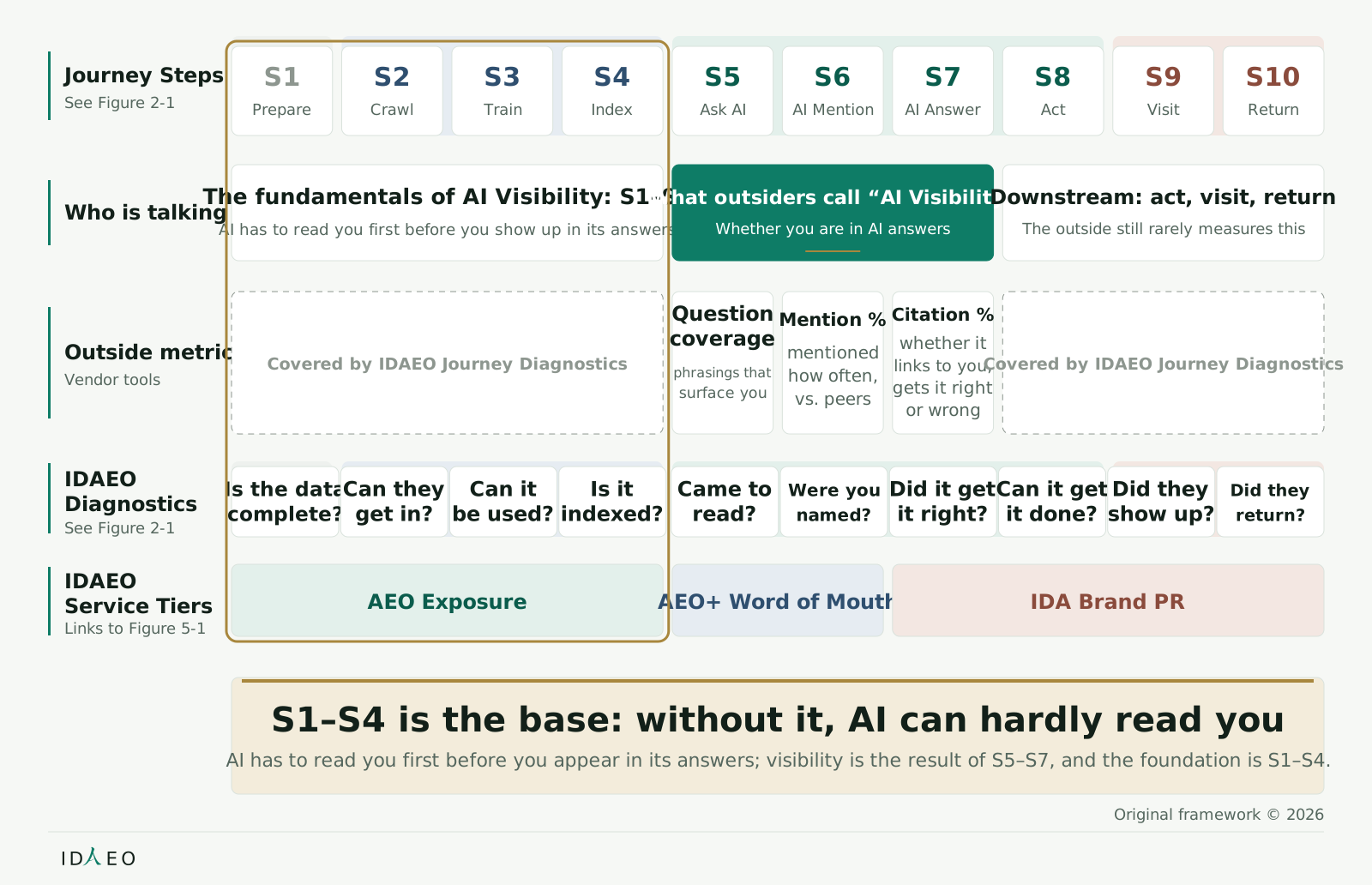
Figure 8-1 AI Visibility Positioning Map: Where Visibility Sits in the Full Journey
AI Visibility tools mainly measure S5–S7, observing how the brand appears in answers. S1–S4 are the foundation; without them, AI has a harder time reading what you say about your business. Information readiness and AI Information Acquisition are the basis for being mentioned. IDAEO links the upstream preparation with S8–S10 (acting for the customer, conversion, and return) into one full journey.
Figure 8-1 AI Visibility Positioning Map: Where Visibility Sits in the Full JourneyView as text
Read from top to bottom: the ten steps, industry topics, industry metrics, IDAEO Journey Diagnostics, and Service Tiers; each column is the same step.
How to readRead from top to bottom: the ten steps, industry topics, industry metrics, IDAEO Journey Diagnostics, and Service Tiers; each column is the same step.
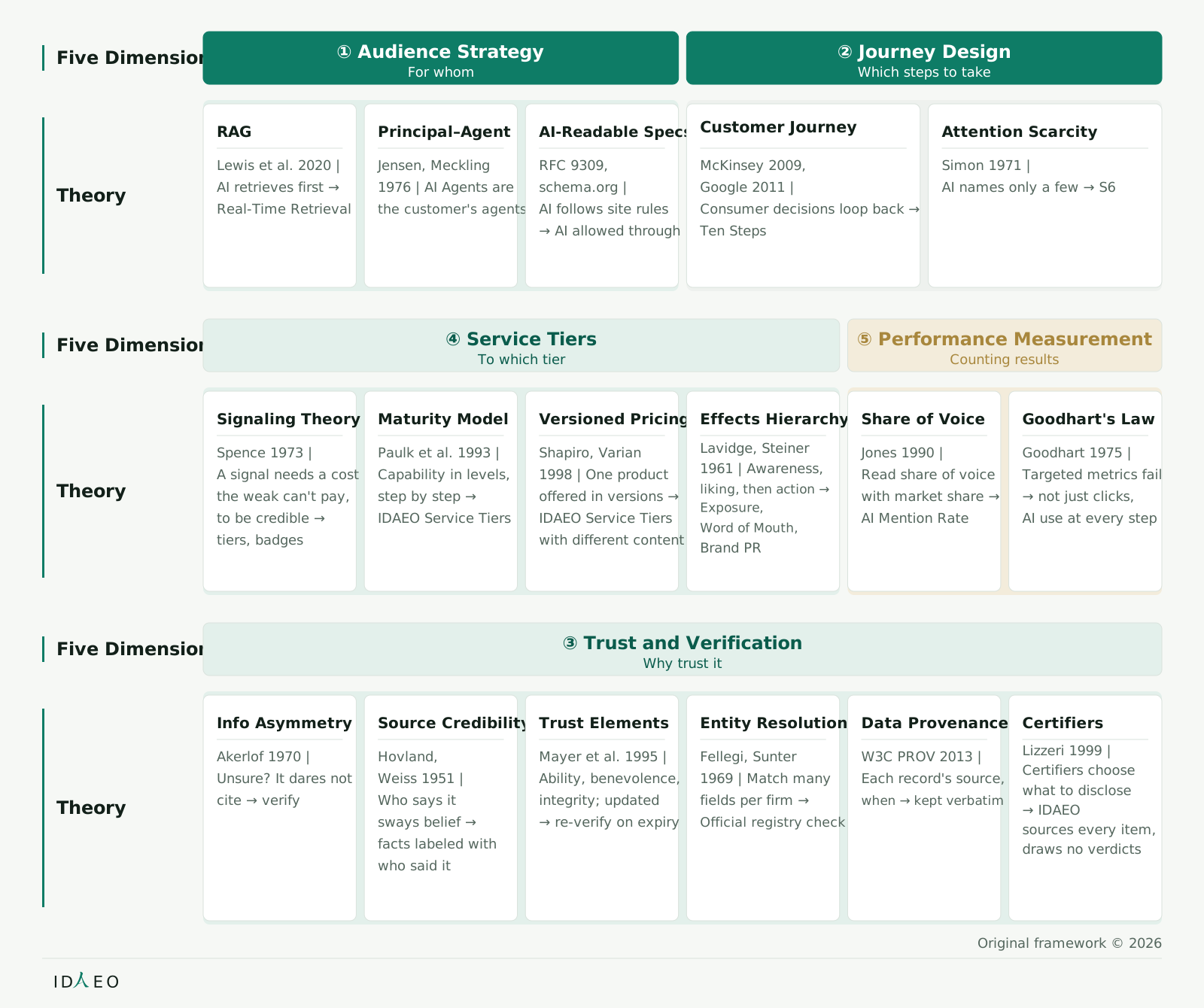
Figure 8-2 IDAEO Theoretical Foundations Map
17 existing theories are arranged by the five dimensions, and each cell lists the source and the application; “Theoretical Foundations and References” at the end of the book also lists the further readings in eight categories.
Figure 8-2 IDAEO Theoretical Foundations MapView as text
In each cell, look at the author, year, and theory first, then follow the arrow to the corresponding IDAEO design. The arrows show analogies. They do not mean that the theory proves IDAEO's validity.
How to readIn each cell, look at the author, year, and theory first, then follow the arrow to the corresponding IDAEO design. The arrows show analogies. They do not mean that the theory proves IDAEO's validity.
IDAEO Theory Framework: Seven Laws, Five Dimensions, Nine Elements
Seven Steps Linked into a Methodology Grounded in Real-World Measurement
The full explanation of the theory comes here, after the measured data. This chapter explains the theoretical framework and the claims still to be tested. TK Lin brought real-world measurement, verification, and theory together. He then linked process, diagnostics, solutions, and results to form IDAEO. It starts from First-Party Data and builds a verification model using data from three regions. Whether this can support credible facts still needs real-world testing. It combines 17 academic theories and 78 further readings. It connects them to the four phases and ten steps, the ten Journey Diagnostics gates, and Service Tiers. Finally, nine Performance Metrics verify results. Eight measured figures together with First-Party Data show the results accumulated so far, providing a basis for judging journey progress.
Core, Framework, and Components Each Have Their Place
IDAEO's structural definition is: the seven laws are the core, the five dimensions are the framework, and the nine elements are the components. TK Lin connected real-world measurement and verification data to theory. He then put process, diagnostics, methods, and solutions into the same marketing discipline. The laws currently serve as principles for judgment and still need real-world testing. The dimensions arrange the work, and the elements connect the work to results, giving real-world measurement a clear framework for interpretation.
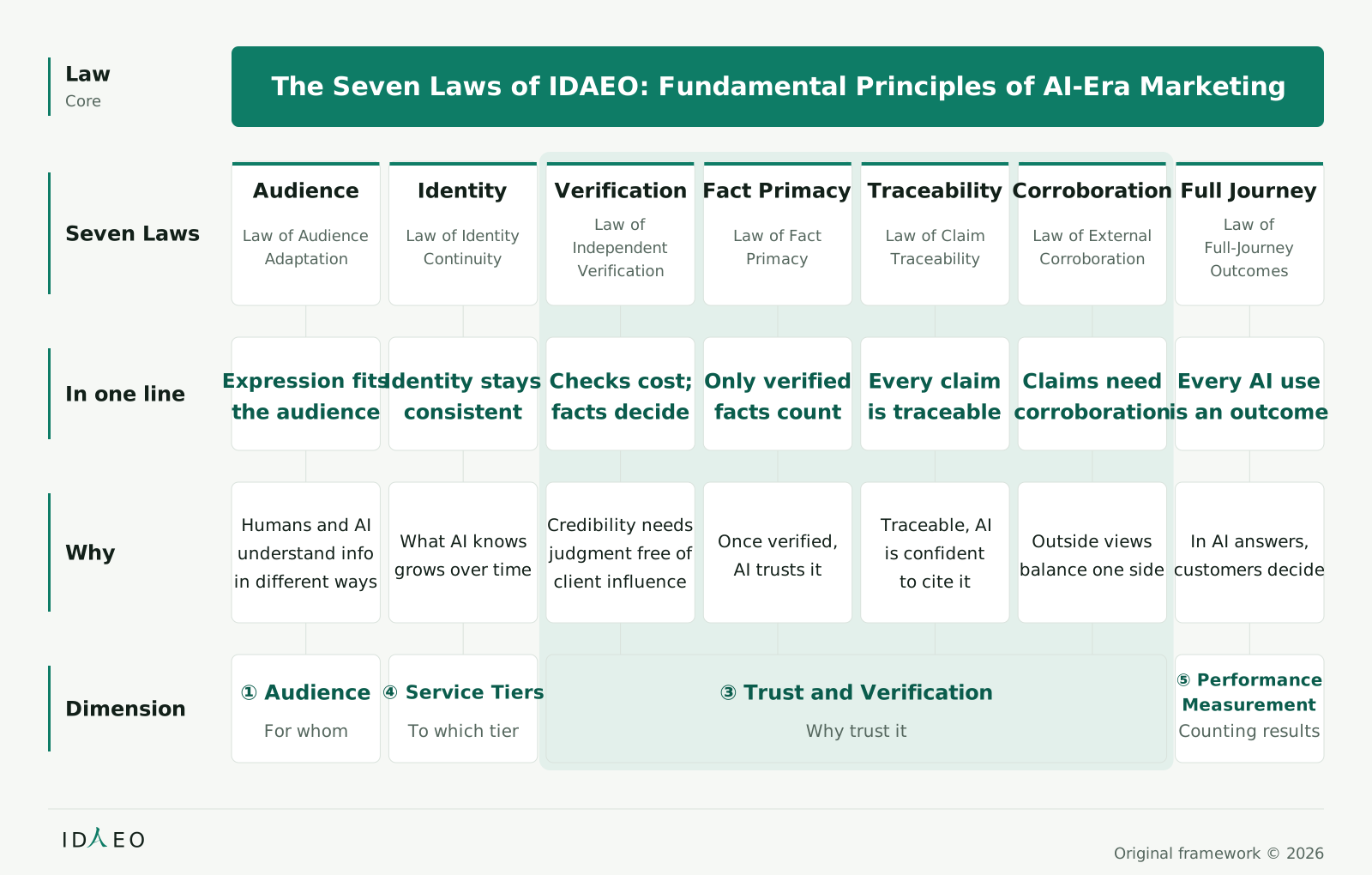
Figure 8-3 The Seven Laws of IDAEO: Overview Map
The seven laws are the core; the five dimensions are the framework. Read top to bottom: law name, one-line statement, why, and the matching dimension. The Law of Audience Adaptation says “expression varies with the audience,” because people and AI understand information differently. When addressing different audiences, check whether the content is understood correctly. If it is still misunderstood, review how it is expressed. The Law of Identity Continuity says “the entity's identity is always consistent,” because AI's recognition of an entity builds up over the long term. When checking across sources, see whether AI links the content to the same entity. If AI still misidentifies it despite that consistency, consistency alone does not show that the approach works. The Law of Independent Verification says “verification has a cost, and conclusions follow the facts,” because credibility comes from judgment that is not swayed by the client. For commissioned work, check whether conclusions follow the evidence. If they change to suit the client, this law is not met. The Law of Fact Primacy says “credible content starts from verified facts,” because AI is more likely to use it once verified. After verification, check whether AI uses it correctly. If AI still often gets it wrong, revisit this law. The Law of Claim Traceability says “every claim has a traceable basis,” because only when it can be traced does AI cite with confidence. When making a claim, check whether its source supports it. If AI still often gets it wrong despite a source being provided, revisit this law. The Law of External Corroboration says “a credible claim must have external corroboration,” because independent viewpoints complete a one-sided account. When comparing external information, check whether it supports the same claim. A repost or information that contradicts the claim does not count as corroboration. The Law of Full-Journey Outcomes says “AI Content Use at every stage counts as a result,” because customers may complete their decision right in the AI answer. Record results at each stage separately. If there are no results at later stages, progress at earlier stages cannot stand in for them. The bottom row maps in order to Audience Strategy (who to target), Service Tiers (how far to go), Trust and Verification (why believe it), and Performance Measurement (how to count results).
Figure 8-3 The Seven Laws of IDAEO: Overview MapView as text
Read from top to bottom: law name, one-line summary, why, and corresponding dimension. The bottom row connects to Figure 0-2, “Panorama of the IDAEO Theory Framework,” linking the core principles to the framework. All seven laws land on the ten steps. Journey Design is where the seven laws are put into practice together, so the bottom row of Figure 8-3 does not list it separately. Services stack up tier by tier on the same entity, so the Law of Identity Continuity corresponds to Service Tiers. When cross-checking the same entity across sources, see whether AI links different content back to that entity. If consistent identity information still leads to misidentification, revisit this law.
How to readRead from top to bottom: law name, one-line summary, why, and corresponding dimension. The bottom row connects to Figure 0-2, “Panorama of the IDAEO Theory Framework,” linking the core principles to the framework. All seven laws land on the ten steps. Journey Design is where the seven laws are put into practice together, so the bottom row of Figure 8-3 does not list it separately. Services stack up tier by tier on the same entity, so the Law of Identity Continuity corresponds to Service Tiers. When cross-checking the same entity across sources, see whether AI links different content back to that entity. If consistent identity information still leads to misidentification, revisit this law.
How IDAEO Was Built: Seven Steps from Field Testing to Performance
Step
What we did
Where to see it
① Field Testing
Measure First-Party Data: 105.5 million cumulative requests (including AI, search engines, and Automated Bots). Requests before Aug 24 may include duplicates. AI Impressions total 97.46 million. These data and visitor types form the basis for marketing decisions.
Build the IDAEO Verification Model on big data from Japan, Taiwan, and Hong Kong. Whether the model can support credible facts still needs evidence from real-world tests.
External AI Visibility mainly corresponds to the answer phase, S5–S7.
The tools ask questions to observe whether the brand is mentioned; the focus is on AI’s answers.
The fundamentals of AI Visibility are S1–S4
Only when S1 data is complete does AI have full content to understand. The crawls in S2–S4 bring the content into the information sources for search, training, and answers, supporting later mentions and citations. S1–S4 are the foundation. Without them, it is harder for AI to read what you say about your business.
IDAEO connects the foundation of S1–S4 with the action, conversion, and return of S8–S10 in a single journey.
The front end supports the brand being used; the back end carries the customer’s choice. Only full-journey measurement shows the results clearly.
IDAEO’s theoretical foundations fall into eight categories: marketing fundamentals, generative engine and AI search research, AI customers and AI Agents, information retrieval and credibility, performance measurement, start-up and accumulation, official documentation of AI Platforms and agent protocols, and the theory behind the seven laws and the journey.
The eight categories of literature support audiences, journey, credible information, judging results, start-up timing, and how AI Platforms actually operate, making the basis of the framework traceable.
The figure lists 17 existing theories; see “Theoretical Foundations and References” at the end of the book for the full references.
The figure lists the design correspondences; the full references give the author, year, and source.
Each month’s new data and field verification keep strengthening IDAEO’s theoretical and empirical foundation.
New results test the relationships among audiences, journey, and outcomes, letting the Living Theory keep absorbing real-world changes.
Terms
AI Visibility
How a brand appears in AI answers; IDAEO looks at both being mentioned and answer accuracy.
Mention Rate
The share of AI answers in a set of observation questions that mention the brand.
Theoretical Foundations
The research that supports the marketing framework and measurement design.
IDAEO Learners
The general public who want to understand and apply AI-Era Marketing.
FAQ
Q: If you already have an AI Visibility tool, do you still need IDAEO?
A: Yes. AI Visibility tools observe how the brand appears in answers; IDAEO then links the front end—information preparation and AI crawling—with the back end—acting for customers and customer visits. Answers build on the content foundation and also shape later choices; only by putting them back into the full journey can you grasp the results of each stage.
Q: How deeply do IDAEO Learners need to study the theory?
A: First understand which design each theory supports, then read the original literature as needed. Theory helps with judgment and application; once you grasp the correspondences, you can go deeper.
Q: How do you compare numbers from different AI Visibility tools?
A: First align the question scope, observation period, and metric definitions, then compare on the same basis. Each tool has a different design focus, so only comparisons on the same basis have clear meaning.
Q: What are the theoretical foundations of IDAEO?
A: IDAEO combines marketing fundamentals, generative engine and AI search research, AI customers and AI Agents, information retrieval and credibility, and performance measurement. The corresponding research includes Lemon & Verhoef (2016) on the Customer Journey, Aggarwal et al. (2024) on generative engine optimization, Gal & Elkin-Koren (2017) on algorithmic consumers, Brin & Page (1998) on search engine architecture, and Dong et al. (2015) on source credibility.
Q: Which part of being mentioned by AI does AI Visibility correspond to?
A: It corresponds to the final gate, S6–S7: whether AI names you and gets you right. The four ways before it are about letting AI read you; see Figure 2-5.
This Chapter in Three Sentences
Tools on the market mainly cover S5–S7; IDAEO also covers S8–S10.
S1–S4 are the foundation. Without them, it is harder for AI to read what you say about your business.
IDAEO draws on 17 existing theories and related literature. The authors, years, and sources can be checked.
Three Things You Can Do This Week
Organize the basic information on your website. Check that it is consistent and complete.
Ask AI about your business. Check whether it is mentioned and described accurately.
When comparing AI Visibility tools, first align the scope of the questions, the observation period, and the metric definitions.
Next ChapterNext, read “How This Book Grows” at the end of the book.
Self-CheckUsing Figure 8-1, “AI Visibility Positioning Map,” explain where the answer phase sits and why S1–S4 are the fundamentals; then take one theory and explain how it supports IDAEO’s design, and explain how each month’s new data and field results grow the theory.