Chapter 3 Measurement Sources and the AI Black Box: The Data Foundation of Performance Measurement · IDAEO: Marketing in the Age of AI
Measurement Sources and the AI Black Box: The Data Foundation of Performance Measurement
This chapter answersWho provides the numbers for each step, and how is the AI black box measured?
Why it comes hereSort out source, scope, and unit first; only then can you make sense of the results.
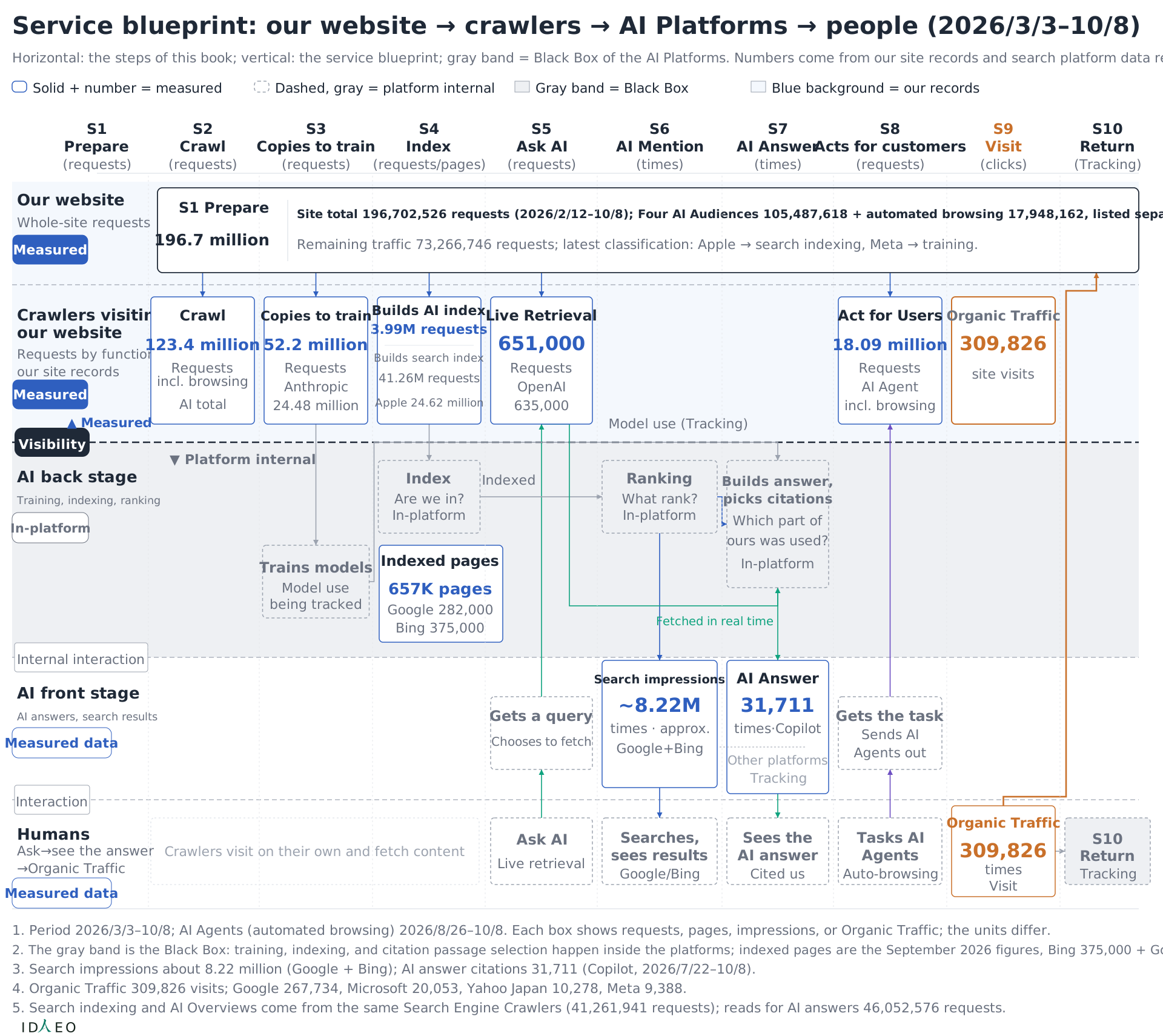
Figure 3-1 IDAEO Measurement Service Blueprint
View as text
Read from top to bottom, from website to person, and compare each layer's results with the scope of ongoing tracking.
Service blueprint: our website → crawlers → AI Platforms → people (2026/3/3–10/8)
Horizontal: the steps of this book; vertical: the service blueprint; gray band = Black Box of the AI Platforms. Numbers come from our site records and search platform data respectively.
Solid + number = measured
Dashed, gray = platform internal
Gray band = Black Box
Blue background = our records
Interaction
Visibility
Internal interaction
▲ Measured
▼ Platform internal
Humans
Ask→see the answer→Organic Traffic
Measured data
AI front stage
AI answers, search results
Measured data
AI back stage
Training, indexing, ranking
In-platform
Crawlers visitingour website
Requests by function:our site records
Measured
Our website
Whole-site requests
Measured
Crawlers visit on their own and fetch content
Ask AI
Live retrieval
Tasks AIAgents
Auto-browsing
Searches,sees results
Google/Bing
Sees theAI answer
Cited us
Organic Traffic
309,826
times
Visit
Gets a query
Chooses to fetch
Gets the task
Sends AIAgents out
Search impressions
~8.22M
times · approx.
Google+Bing
AI Answer
31,711
times·Copilot
Other platforms
Tracking
Index
Are we in?
In-platform
Indexed pages
657K pages
Google 282,000
Bing 375,000
Ranking
What rank?
In-platform
Trains models
Model usebeing tracked
Builds answer,picks citations
Which part ofours was used?
In-platform
Crawl
123.4 million
Requests
incl. browsing
AI total
Copies to train
52.2 million
Requests
Anthropic
24.48 million
Builds AI index
3.99M requests
Builds search index
41.26M requests
Apple 24.62 million
Live Retrieval
651,000
Requests
OpenAI
635,000
Act for Users
18.09 million
Requests
AI Agent
incl. browsing
Organic Traffic
309,826
site visits
S1 Prepare
196.7 million
Site total 196,702,526 requests (2026/2/12–10/8); Four AI Audiences 105,487,618 + automated browsing 17,948,162, listed separately.
Remaining traffic 73,266,746 requests; latest classification: Apple → search indexing, Meta → training.
1. Period 2026/3/3–10/8; AI Agents (automated browsing) 2026/8/26–10/8. Each box shows requests, pages, impressions, or Organic Traffic; the units differ.
2. The gray band is the Black Box: training, indexing, and citation passage selection happen inside the platforms; indexed pages are the September 2026 figures, Bing 375,000 + Google 282,000.
3. Search impressions about 8.22 million (Google + Bing); AI answer citations 31,711 (Copilot, 2026/7/22–10/8).
4. Organic Traffic 309,826 visits; Google 267,734, Microsoft 20,053, Yahoo Japan 10,278, Meta 9,388.
5. Search indexing and AI Overviews come from the same Search Engine Crawlers (41,261,941 requests); reads for AI answers 46,052,576 requests.
S1
(requests)
S2
(requests)
S3
(requests)
S4
(requests/pages)
S5
(requests)
S6
(times)
S7
(times)
S8
(requests)
S9
(clicks)
S10
(Tracking)
S10 Return
Tracking
Indexed
Model use (Tracking)
Fetched in real time
ID
EO
Prepare
Crawl
Copies to train
Index
Ask AI
AI Mention
AI Answer
Acts for customers
Visit
Return
How to readRead from top to bottom, from website to person, and compare each layer's results with the scope of ongoing tracking.
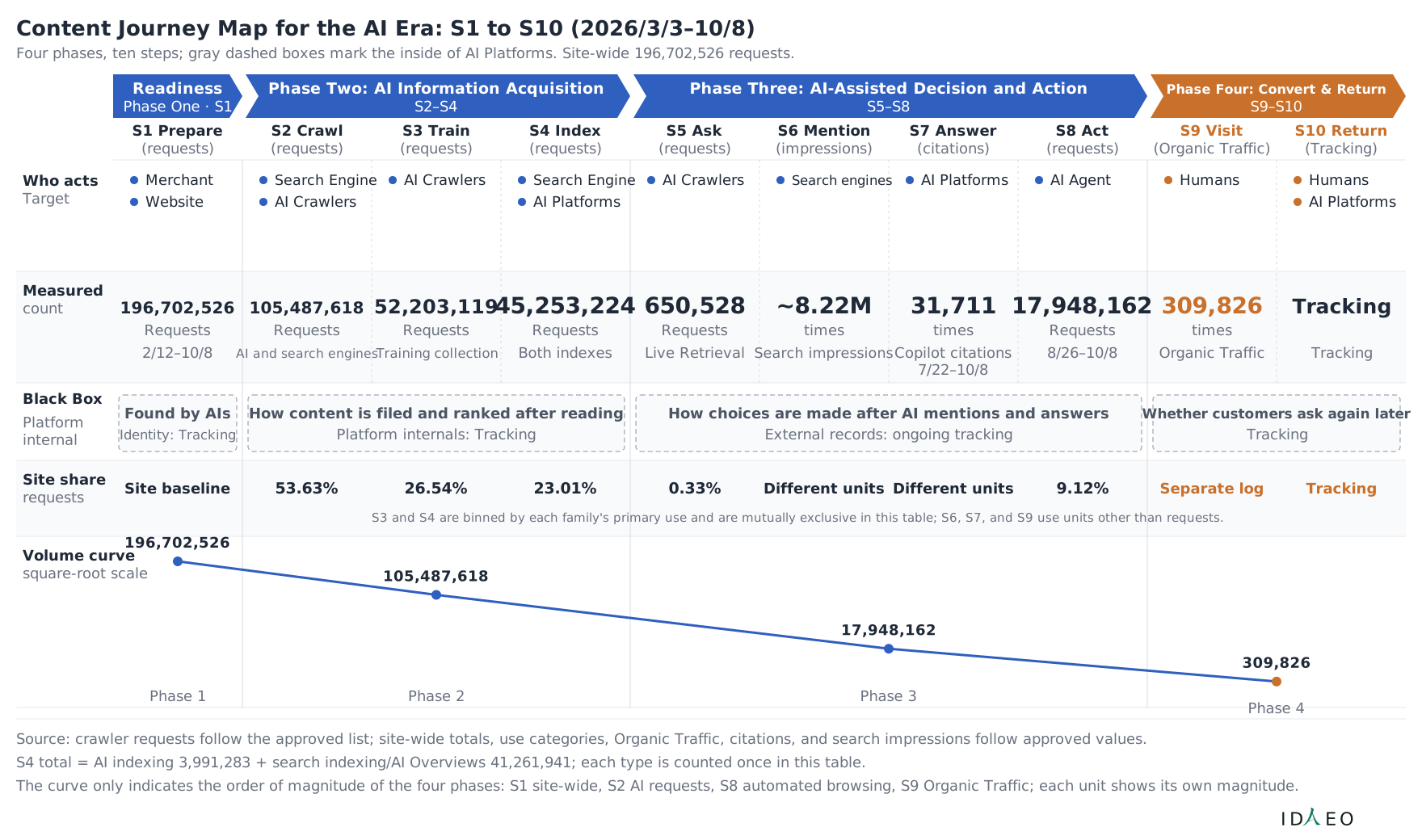
Figure 3-2 Content Journey Map and the AI Black Box
View as text
Read the journey phases horizontally, comparing the number cells with the live-test topics inside the black box.
Content Journey Map for the AI Era: S1 to S10 (2026/3/3–10/8)
Four phases, ten steps; gray dashed boxes mark the inside of AI Platforms. Site-wide 196,702,526 requests.
Readiness
Phase One · S1
Phase Two: AI Information Acquisition
S2–S4
Phase Three: AI-Assisted Decision and Action
S5–S8
Phase Four: Convert & Return
S9–S10
S1 Prepare
(requests)
S2 Crawl
(requests)
S3 Train
(requests)
S4 Index
(requests)
S5 Ask
(requests)
S6 Mention
(impressions)
S7 Answer
(citations)
S8 Act
(requests)
S9 Visit
(Organic Traffic)
S10 Return
(Tracking)
Who acts
Target
Measured
count
Black Box
Platforminternal
Site share
requests
Volume curve
square-root scale
Merchant
Website
Search Engine
AI Crawlers
AI Crawlers
Search Engine
AI Platforms
AI Crawlers
Search engines
AI Platforms
AI Agent
Humans
Humans
AI Platforms
196,702,526
Requests
2/12–10/8
105,487,618
Requests
AI and search engines
52,203,119
Requests
Training collection
45,253,224
Requests
Both indexes
650,528
Requests
Live Retrieval
~8.22M
times
Search impressions
31,711
times
Copilot citations
7/22–10/8
17,948,162
Requests
8/26–10/8
309,826
times
Organic Traffic
Tracking
Tracking
Found by AIs
Identity: Tracking
How content is filed and ranked after reading
Platform internals: Tracking
How choices are made after AI mentions and answers
External records: ongoing tracking
Whether customers ask again later
Tracking
Site baseline
53.63%
26.54%
23.01%
0.33%
Different units
Different units
9.12%
Separate log
Tracking
S3 and S4 are binned by each family's primary use and are mutually exclusive in this table; S6, S7, and S9 use units other than requests.
196,702,526
Phase 1
105,487,618
Phase 2
17,948,162
Phase 3
309,826
Phase 4
Source: crawler requests follow the approved list; site-wide totals, use categories, Organic Traffic, citations, and search impressions follow approved values.
S4 total = AI indexing 3,991,283 + search indexing/AI Overviews 41,261,941; each type is counted once in this table.
The curve only indicates the order of magnitude of the four phases: S1 site-wide, S2 AI requests, S8 automated browsing, S9 Organic Traffic; each unit shows its own magnitude.
ID
EO
How to readRead the journey phases horizontally, comparing the number cells with the live-test topics inside the black box.
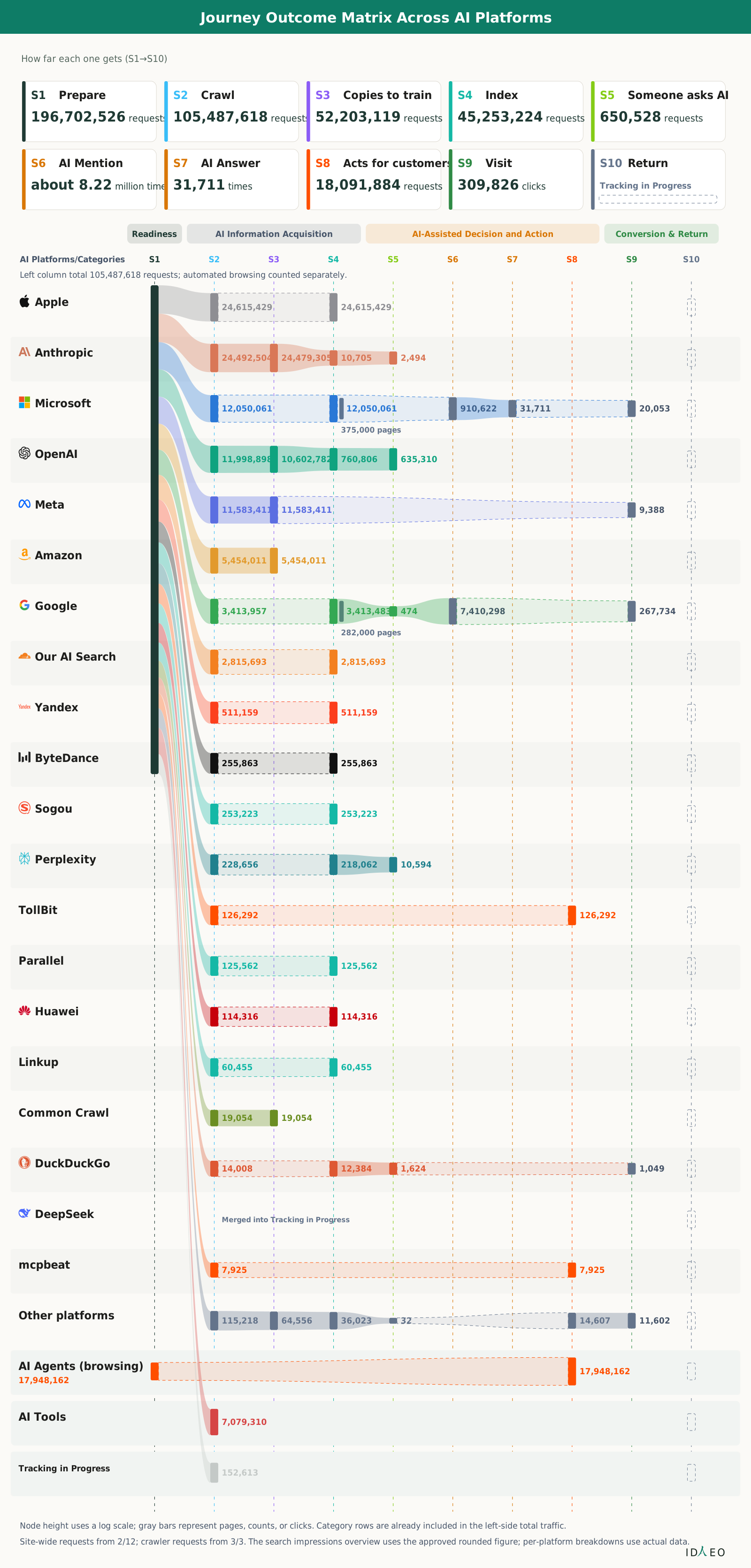
Figure 3-3 Journey Outcome Matrix Across AI Platforms
View as text
One row per platform, S1 to S10 across; nodes mark published results, and the rest should be read as still being tracked. In the figure, S6 lists search impressions (not AI mentions), meaning the number of times you appear in search results. The mention rate in AI answers will be published later.
Journey Outcome Matrix Across AI Platforms
How far each one gets (S1→S10)
S1
Prepare
196,702,526 requests
S2
Crawl
105,487,618 requests
S3
Copies to train
52,203,119 requests
S4
Index
45,253,224 requests
S5
Someone asks AI
650,528 requests
S6
AI Mention
about 8.22 million times
S7
AI Answer
31,711 times
S8
Acts for customers
18,091,884 requests
S9
Visit
309,826 clicks
S10
Return
Tracking in Progress
Readiness
AI Information Acquisition
AI-Assisted Decision and Action
Conversion & Return
S1
S2
S3
S4
S5
S6
S7
S8
S9
S10
AI Platforms/Categories
Left column total 105,487,618 requests; automated browsing counted separately.
Apple
24,615,429
24,615,429
Anthropic
24,492,504
24,479,305
10,705
2,494
Microsoft
12,050,061
12,050,061
375,000 pages
910,622
31,711
20,053
OpenAI
11,998,898
10,602,782
760,806
635,310
Meta
11,583,411
11,583,411
9,388
Amazon
5,454,011
5,454,011
Google
3,413,957
3,413,483
282,000 pages
474
7,410,298
267,734
Our AI Search
2,815,693
2,815,693
Yandex
511,159
511,159
ByteDance
255,863
255,863
Sogou
253,223
253,223
Perplexity
228,656
218,062
10,594
TollBit
126,292
126,292
Parallel
125,562
125,562
Huawei
114,316
114,316
Linkup
60,455
60,455
Common Crawl
19,054
19,054
DuckDuckGo
14,008
12,384
1,624
1,049
DeepSeek
Merged into Tracking in Progress
mcpbeat
7,925
7,925
Other platforms
115,218
64,556
36,023
32
14,607
11,602
AI Agents (browsing)
17,948,162
17,948,162
AI Tools
7,079,310
Tracking in Progress
152,613
Node height uses a log scale; gray bars represent pages, counts, or clicks. Category rows are already included in the left-side total traffic.
Site-wide requests from 2/12; crawler requests from 3/3. The search impressions overview uses the approved rounded figure; per-platform breakdowns use actual data.
ID
EO
How to readOne row per platform, S1 to S10 across; nodes mark published results, and the rest should be read as still being tracked. In the figure, S6 lists search impressions (not AI mentions), meaning the number of times you appear in search results. The mention rate in AI answers will be published later.
OpenAI: One Platform, Three Purposes for Reading
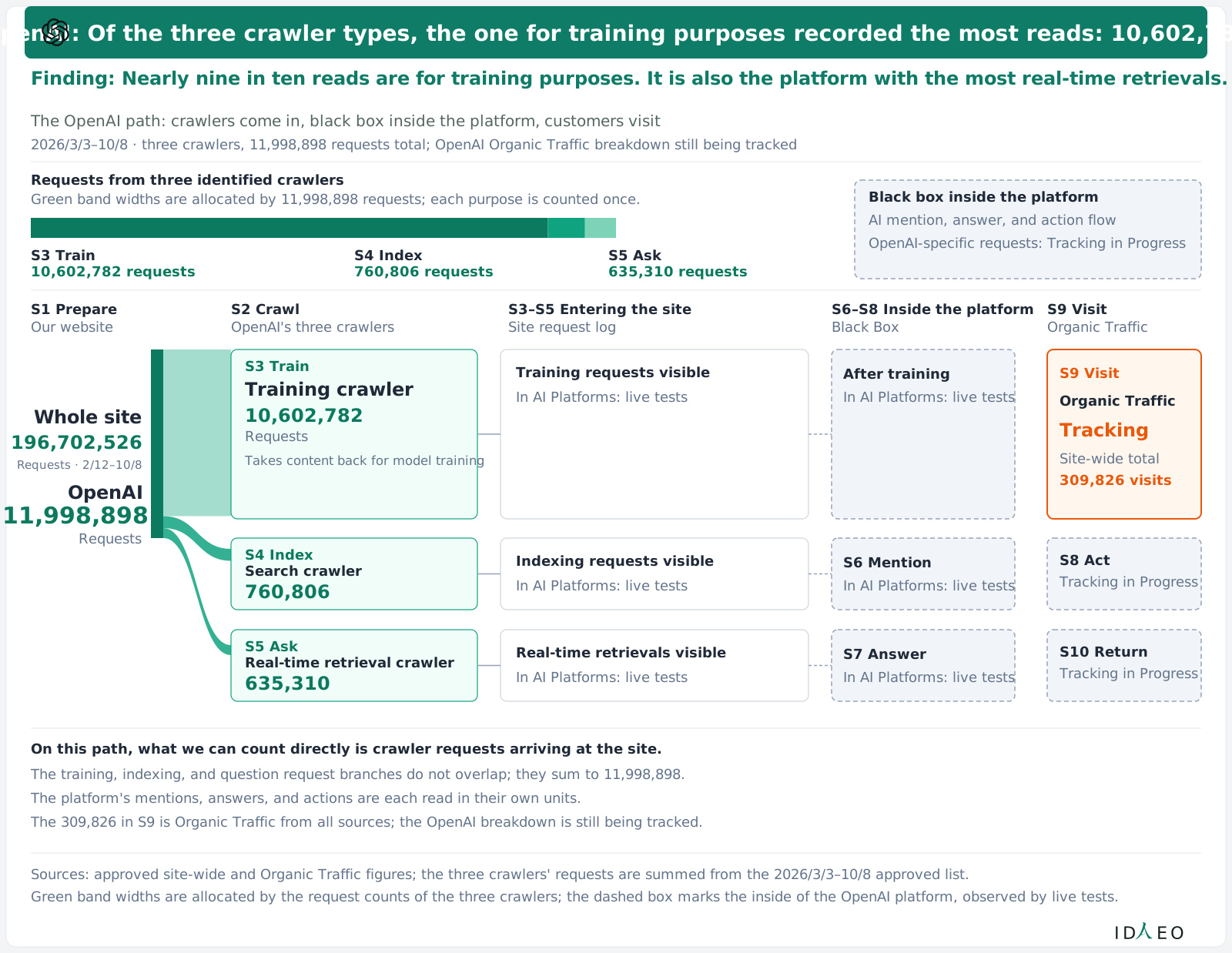
During Mar 3, 2026–Oct 8, OpenAI's three identified crawler types made a total of 11,998,898 requests to the site: 10,602,782 for training, 760,806 for indexing, and 635,310 for real-time retrieval. OpenAI had the most real-time retrievals of any platform. These are requests recorded by the website. They do not establish that content entered a model, was indexed, or was mentioned or cited in an answer. OpenAI's later-stage results remain Tracking in Progress. See the full chart in Figure 3-7 under “Platform Profiles” at the end of this chapter.
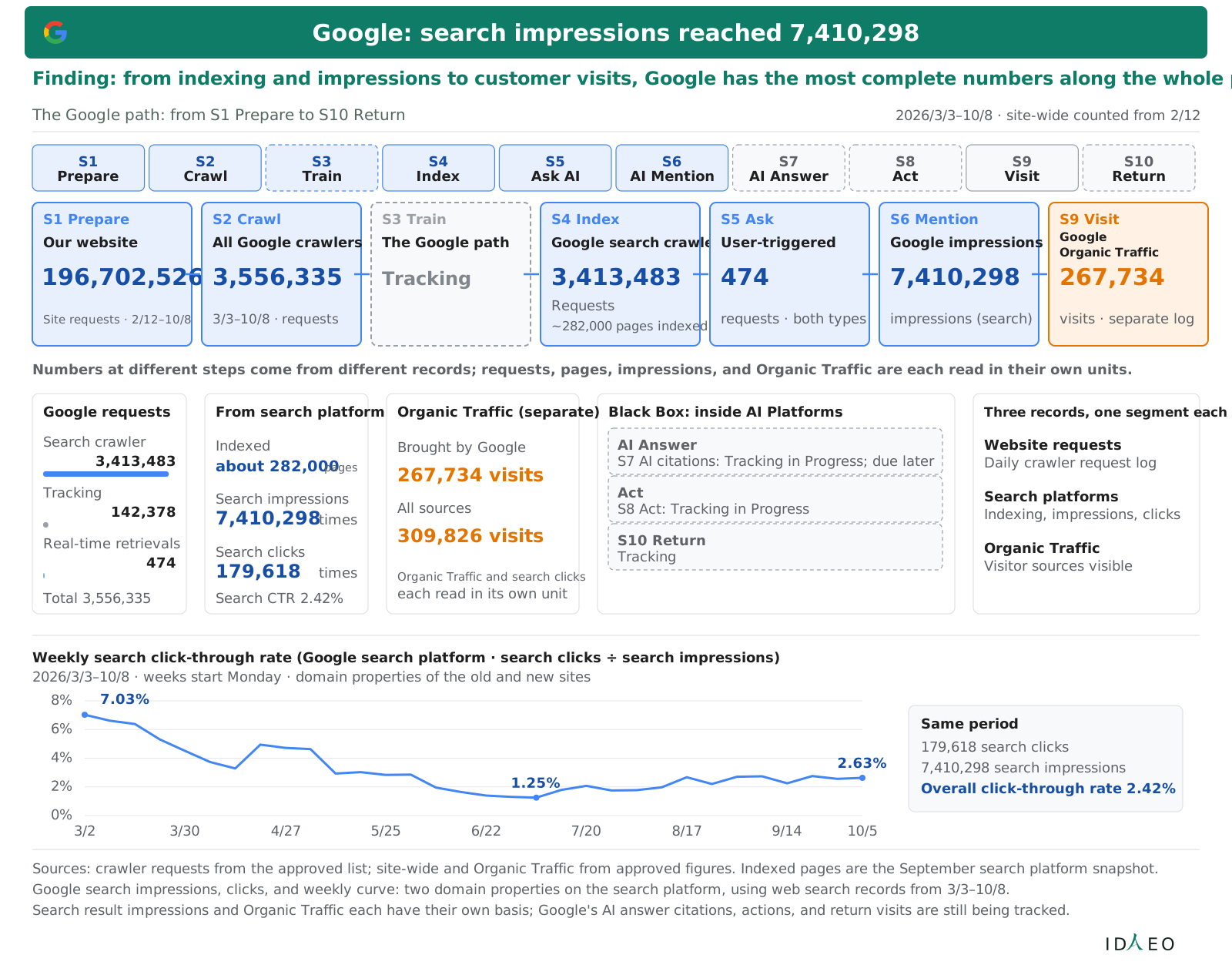
Figure 3-4 Google: 7,410,298 search impressions|The platform with the most complete numbers along the whole path
View as text
Read each step from left to right; check source, period, and unit first, then compare numbers on the same basis.
Google: search impressions reached 7,410,298
Finding: from indexing and impressions to customer visits, Google has the most complete numbers along the whole path.
The Google path: from S1 Prepare to S10 Return
2026/3/3–10/8 · site-wide counted from 2/12
S1
Prepare
S2
Crawl
S3
Train
S4
Index
S5
Ask AI
S6
AI Mention
S7
AI Answer
S8
Act
S9
Visit
S10
Return
S1 Prepare
Our website
196,702,526
Site requests · 2/12–10/8
S2 Crawl
All Google crawlers
3,556,335
3/3–10/8 · requests
S3 Train
The Google path
Tracking
S4 Index
Google search crawler
3,413,483
Requests
~282,000 pages indexed
S5 Ask
User-triggered
474
requests · both types
S6 Mention
Google impressions
7,410,298
impressions (search)
S9 Visit
GoogleOrganic Traffic
267,734
visits · separate log
Numbers at different steps come from different records; requests, pages, impressions, and Organic Traffic are each read in their own units.
Google requests
Search crawler
3,413,483
Tracking
142,378
Real-time retrievals
474
Total 3,556,335
From search platform
Indexed
about 282,000
pages
Search impressions
7,410,298
times
Search clicks
179,618
times
Search CTR 2.42%
Organic Traffic (separate)
Brought by Google
267,734 visits
All sources
309,826 visits
Organic Traffic and search clicks
each read in its own unit
Black Box: inside AI Platforms
AI Answer
S7 AI citations: Tracking in Progress; due later
Act
S8 Act: Tracking in Progress
S10 Return
Tracking
Three records, one segment each
Website requests
Daily crawler request log
Search platforms
Indexing, impressions, clicks
Organic Traffic
Visitor sources visible
Weekly search click-through rate (Google search platform · search clicks ÷ search impressions)
2026/3/3–10/8 · weeks start Monday · domain properties of the old and new sites
0%
2%
4%
6%
8%
3/2
3/30
4/27
5/25
6/22
7/20
8/17
9/14
10/5
7.03%
1.25%
2.63%
Same period
179,618 search clicks
7,410,298 search impressions
Overall click-through rate 2.42%
Sources: crawler requests from the approved list; site-wide and Organic Traffic from approved figures. Indexed pages are the September search platform snapshot.
Google search impressions, clicks, and weekly curve: two domain properties on the search platform, using web search records from 3/3–10/8.
Search result impressions and Organic Traffic each have their own basis; Google's AI answer citations, actions, and return visits are still being tracked.
ID
EO
| Item | Value | Unit |
|---|---|---|
| Search crawler | 3,413,483 | Requests |
| Tracking | 142,378 | Requests |
| Real-time retrievals | 474 | Requests |
How to readRead each step from left to right; check source, period, and unit first, then compare numbers on the same basis.
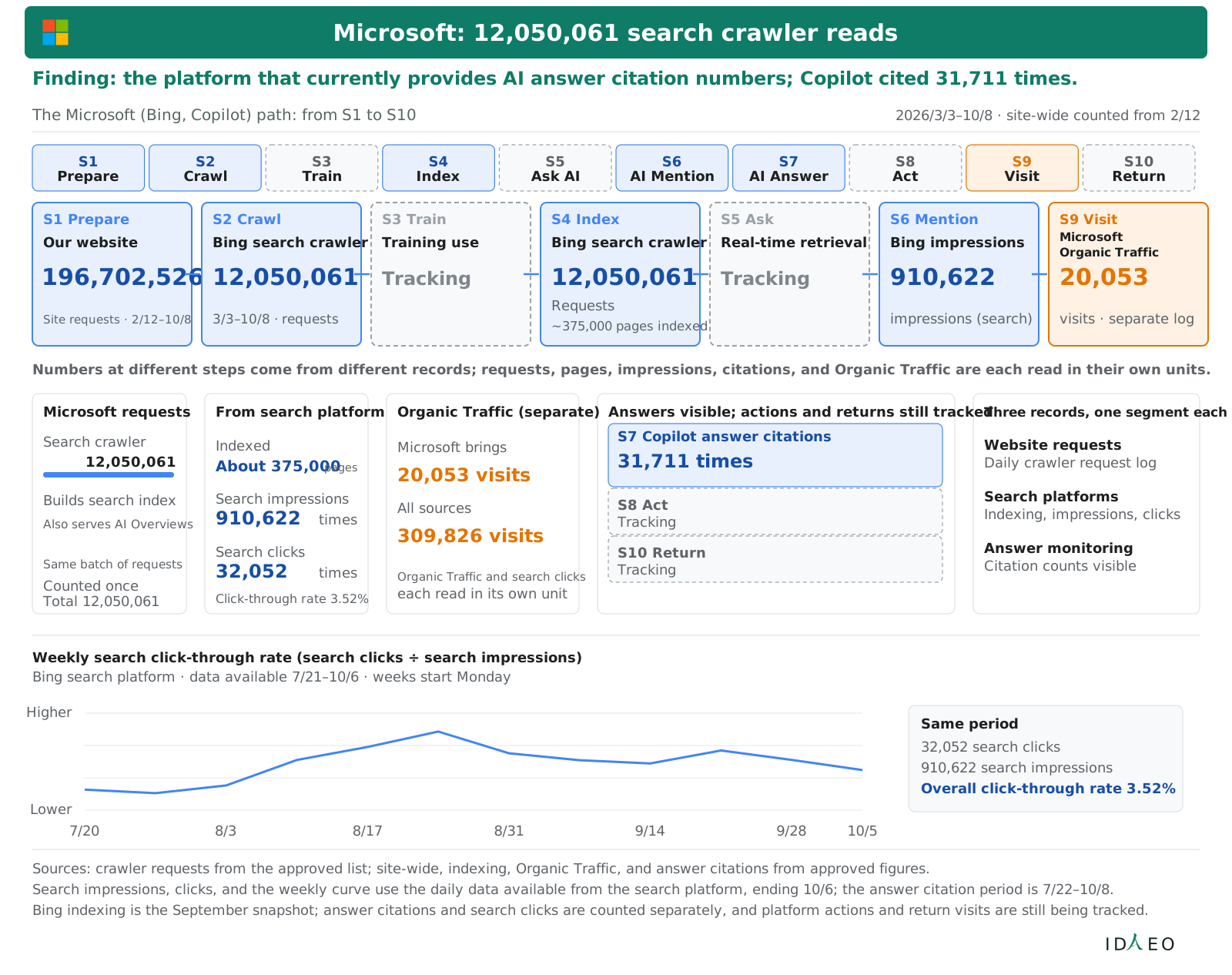
Figure 3-5 Microsoft: 12,050,061 search crawler reads|The platform that currently provides AI answer citation numbers
View as text
Compare with Figure 3-4 (Google), and note Microsoft's AI answer citation volume and its reporting period.
Microsoft: 12,050,061 search crawler reads
Finding: the platform that currently provides AI answer citation numbers; Copilot cited 31,711 times.
The Microsoft (Bing, Copilot) path: from S1 to S10
2026/3/3–10/8 · site-wide counted from 2/12
S1
Prepare
S2
Crawl
S3
Train
S4
Index
S5
Ask AI
S6
AI Mention
S7
AI Answer
S8
Act
S9
Visit
S10
Return
S1 Prepare
Our website
196,702,526
Site requests · 2/12–10/8
S2 Crawl
Bing search crawler
12,050,061
3/3–10/8 · requests
S3 Train
Training use
Tracking
S4 Index
Bing search crawler
12,050,061
Requests
~375,000 pages indexed
S5 Ask
Real-time retrieval
Tracking
S6 Mention
Bing impressions
910,622
impressions (search)
S9 Visit
MicrosoftOrganic Traffic
20,053
visits · separate log
Numbers at different steps come from different records; requests, pages, impressions, citations, and Organic Traffic are each read in their own units.
ID
EO
Microsoft requests
Search crawler
12,050,061
Builds search index
Also serves AI Overviews
Same batch of requests
Counted once
Total 12,050,061
From search platform
Indexed
About 375,000
pages
Search impressions
910,622
times
Search clicks
32,052
times
Click-through rate 3.52%
Organic Traffic (separate)
Microsoft brings
20,053 visits
All sources
309,826 visits
Organic Traffic and search clicks
each read in its own unit
Answers visible; actions and returns still tracked
S7 Copilot answer citations
31,711 times
S8 Act
Tracking
S10 Return
Tracking
Three records, one segment each
Website requests
Daily crawler request log
Search platforms
Indexing, impressions, clicks
Answer monitoring
Citation counts visible
Weekly search click-through rate (search clicks ÷ search impressions)
Bing search platform · data available 7/21–10/6 · weeks start Monday
Higher
Lower
7/20
8/3
8/17
8/31
9/14
9/28
10/5
Same period
32,052 search clicks
910,622 search impressions
Overall click-through rate 3.52%
Sources: crawler requests from the approved list; site-wide, indexing, Organic Traffic, and answer citations from approved figures.
Search impressions, clicks, and the weekly curve use the daily data available from the search platform, ending 10/6; the answer citation period is 7/22–10/8.
Bing indexing is the September snapshot; answer citations and search clicks are counted separately, and platform actions and return visits are still being tracked.
How to readCompare with Figure 3-4 (Google), and note Microsoft's AI answer citation volume and its reporting period.
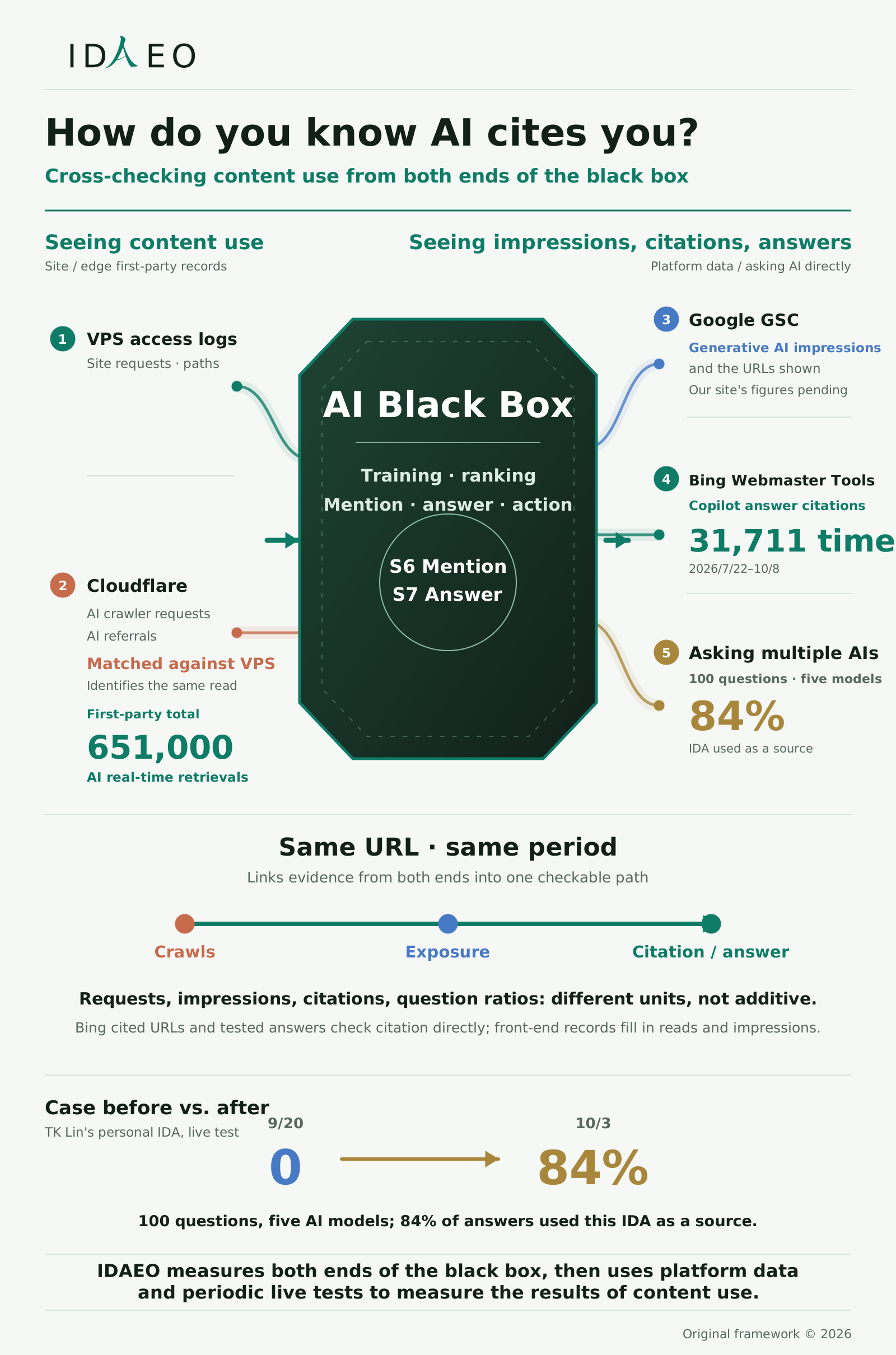
Figure 3-6 How Do You Know AI Cites You? Measuring Both Ends of the Black Box
View as text
On the left are first-party records: AI Real-Time Retrievals of 651,000. On the right are platform data and direct questions. Google's generative AI impression figures for this site are still pending. Copilot answer citations of the IDAEO platform total 31,711. TK Lin's personal IDA appeared in AI search source lists at a rate of 84% (four of the five models used the same search interface; the questions named the author himself; a single case). Below, reads, impressions, and citations form a checkable path. Requests, impressions, citations, and question ratios use different units and cannot be added together. This is a method diagram; cross-verification has not yet been completed.
ID
EO
How do you know AI cites you?
Cross-checking content use from both ends of the black box
Seeing content use
Seeing impressions, citations, answers
Site / edge first-party records
Platform data / asking AI directly
AI Black Box
Training · ranking
Mention · answer · action
S6 Mention
S7 Answer
1
VPS access logs
Site requests · paths
2
Cloudflare
AI crawler requests
AI referrals
Matched against VPS
Identifies the same read
First-party total
651,000
AI real-time retrievals
3
Google GSC
Generative AI impressions
and the URLs shown
Our site's figures pending
4
Bing Webmaster Tools
Copilot answer citations
31,711 times
2026/7/22–10/8
5
Asking multiple AIs
100 questions · five models
84%
IDA used as a source
Same URL · same period
Links evidence from both ends into one checkable path
Crawls
Exposure
Citation / answer
Requests, impressions, citations, question ratios: different units, not additive.
Bing cited URLs and tested answers check citation directly; front-end records fill in reads and impressions.
Case before vs. after
TK Lin's personal IDA, live test
9/20
0
10/3
84%
100 questions, five AI models; 84% of answers used this IDA as a source.
IDAEO measures both ends of the black box, then uses platform dataand periodic live tests to measure the results of content use.
Original framework © 2026
How to readOn the left are first-party records: AI Real-Time Retrievals of 651,000. On the right are platform data and direct questions. Google's generative AI impression figures for this site are still pending. Copilot answer citations of the IDAEO platform total 31,711. TK Lin's personal IDA appeared in AI search source lists at a rate of 84% (four of the five models used the same search interface; the questions named the author himself; a single case). Below, reads, impressions, and citations form a checkable path. Requests, impressions, citations, and question ratios use different units and cannot be added together. This is a method diagram; cross-verification has not yet been completed.
Platform Profiles: OpenAI, Anthropic, Apple, Meta
All four currently have read records. Platform impressions, citations, or Organic Traffic breakdowns remain Tracking in Progress, so these profiles appear at the end of the chapter. Once the data is complete, they will return to the main text under the same rule: records must cover reads, platform impressions or citations, and an Organic Traffic breakdown.
Figure 3-7 OpenAI: 10,602,782 reads for training purposes|Nearly nine in ten requests are for training purposes; also the platform with the most real-time retrievals
View as text
Compare with Figure 3-4 (Google): look first at retrievals and customer arrivals, then at the scope of ongoing tracking in the middle.
OpenAI: Of the three crawler types, the one for training purposes recorded the most reads: 10,602,782
Finding: Nearly nine in ten reads are for training purposes. It is also the platform with the most real-time retrievals.
The OpenAI path: crawlers come in, black box inside the platform, customers visit
2026/3/3–10/8 · three crawlers, 11,998,898 requests total; OpenAI Organic Traffic breakdown still being tracked
Requests from three identified crawlers
Green band widths are allocated by 11,998,898 requests; each purpose is counted once.
S3 Train
10,602,782 requests
S4 Index
760,806 requests
S5 Ask
635,310 requests
Black box inside the platform
AI mention, answer, and action flow
OpenAI-specific requests: Tracking in Progress
S1 Prepare
Our website
S2 Crawl
OpenAI's three crawlers
S3–S5 Entering the site
Site request log
S6–S8 Inside the platform
Black Box
S9 Visit
Organic Traffic
Whole site
196,702,526
Requests · 2/12–10/8
OpenAI
11,998,898
Requests
S3 Train
Training crawler
10,602,782
Requests
Takes content back for model training
S4 Index
Search crawler
760,806
S5 Ask
Real-time retrieval crawler
635,310
Training requests visible
In AI Platforms: live tests
Indexing requests visible
In AI Platforms: live tests
Real-time retrievals visible
In AI Platforms: live tests
After training
In AI Platforms: live tests
S6 Mention
In AI Platforms: live tests
S7 Answer
In AI Platforms: live tests
S9 Visit
Organic Traffic
Tracking
Site-wide total
309,826 visits
S8 Act
Tracking in Progress
S10 Return
Tracking in Progress
On this path, what we can count directly is crawler requests arriving at the site.
The training, indexing, and question request branches do not overlap; they sum to 11,998,898.
The platform's mentions, answers, and actions are each read in their own units.
The 309,826 in S9 is Organic Traffic from all sources; the OpenAI breakdown is still being tracked.
Sources: approved site-wide and Organic Traffic figures; the three crawlers' requests are summed from the 2026/3/3–10/8 approved list.
Green band widths are allocated by the request counts of the three crawlers; the dashed box marks the inside of the OpenAI platform, observed by live tests.
ID
EO
How to readCompare with Figure 3-4 (Google): look first at retrievals and customer arrivals, then at the scope of ongoing tracking in the middle.
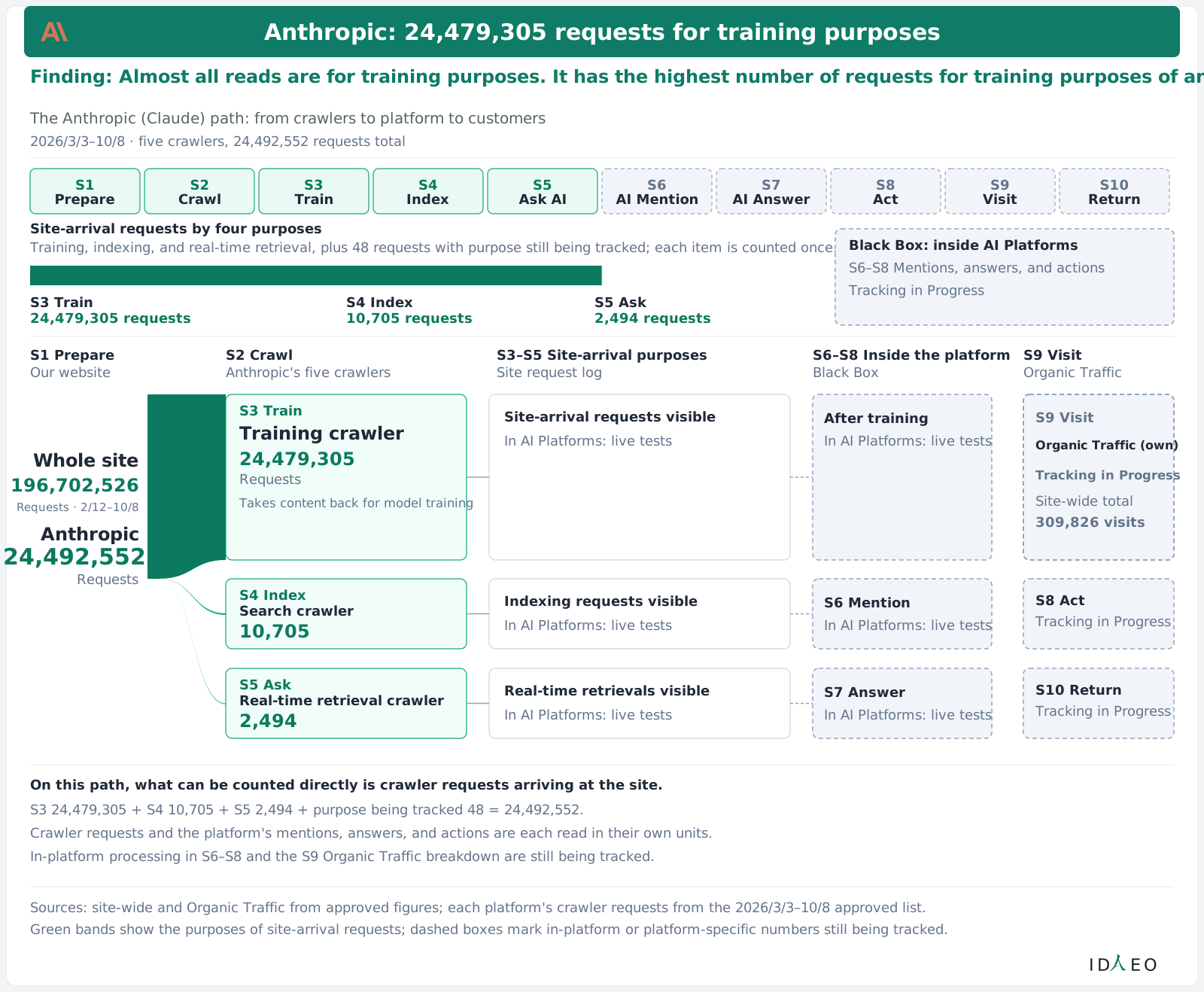
Figure 3-8 Anthropic: 24,479,305 requests for training purposes|Highest number of requests for training purposes of any platform
View as text
Compare with Figure 3-7 (OpenAI); read the requests arriving at the site and the platform's internal live-test topics separately.
Anthropic: 24,479,305 requests for training purposes
Finding: Almost all reads are for training purposes. It has the highest number of requests for training purposes of any platform.
The Anthropic (Claude) path: from crawlers to platform to customers
2026/3/3–10/8 · five crawlers, 24,492,552 requests total
S1
Prepare
S2
Crawl
S3
Train
S4
Index
S5
Ask AI
S6
AI Mention
S7
AI Answer
S8
Act
S9
Visit
S10
Return
Site-arrival requests by four purposes
Training, indexing, and real-time retrieval, plus 48 requests with purpose still being tracked; each item is counted once.
S3 Train
24,479,305 requests
S4 Index
10,705 requests
S5 Ask
2,494 requests
Black Box: inside AI Platforms
S6–S8 Mentions, answers, and actions
Tracking in Progress
S1 Prepare
Our website
S2 Crawl
Anthropic's five crawlers
S3–S5 Site-arrival purposes
Site request log
S6–S8 Inside the platform
Black Box
S9 Visit
Organic Traffic
Whole site
196,702,526
Requests · 2/12–10/8
Anthropic
24,492,552
Requests
S3 Train
Training crawler
24,479,305
Requests
Takes content back for model training
S4 Index
Search crawler
10,705
S5 Ask
Real-time retrieval crawler
2,494
Site-arrival requests visible
In AI Platforms: live tests
Indexing requests visible
In AI Platforms: live tests
Real-time retrievals visible
In AI Platforms: live tests
After training
In AI Platforms: live tests
S6 Mention
In AI Platforms: live tests
S7 Answer
In AI Platforms: live tests
S9 Visit
Organic Traffic (own)
Tracking in Progress
Site-wide total
309,826 visits
S8 Act
Tracking in Progress
S10 Return
Tracking in Progress
On this path, what can be counted directly is crawler requests arriving at the site.
S3 24,479,305 + S4 10,705 + S5 2,494 + purpose being tracked 48 = 24,492,552.
Crawler requests and the platform's mentions, answers, and actions are each read in their own units.
In-platform processing in S6–S8 and the S9 Organic Traffic breakdown are still being tracked.
Sources: site-wide and Organic Traffic from approved figures; each platform's crawler requests from the 2026/3/3–10/8 approved list.
Green bands show the purposes of site-arrival requests; dashed boxes mark in-platform or platform-specific numbers still being tracked.
ID
EO
How to readCompare with Figure 3-7 (OpenAI); read the requests arriving at the site and the platform's internal live-test topics separately.
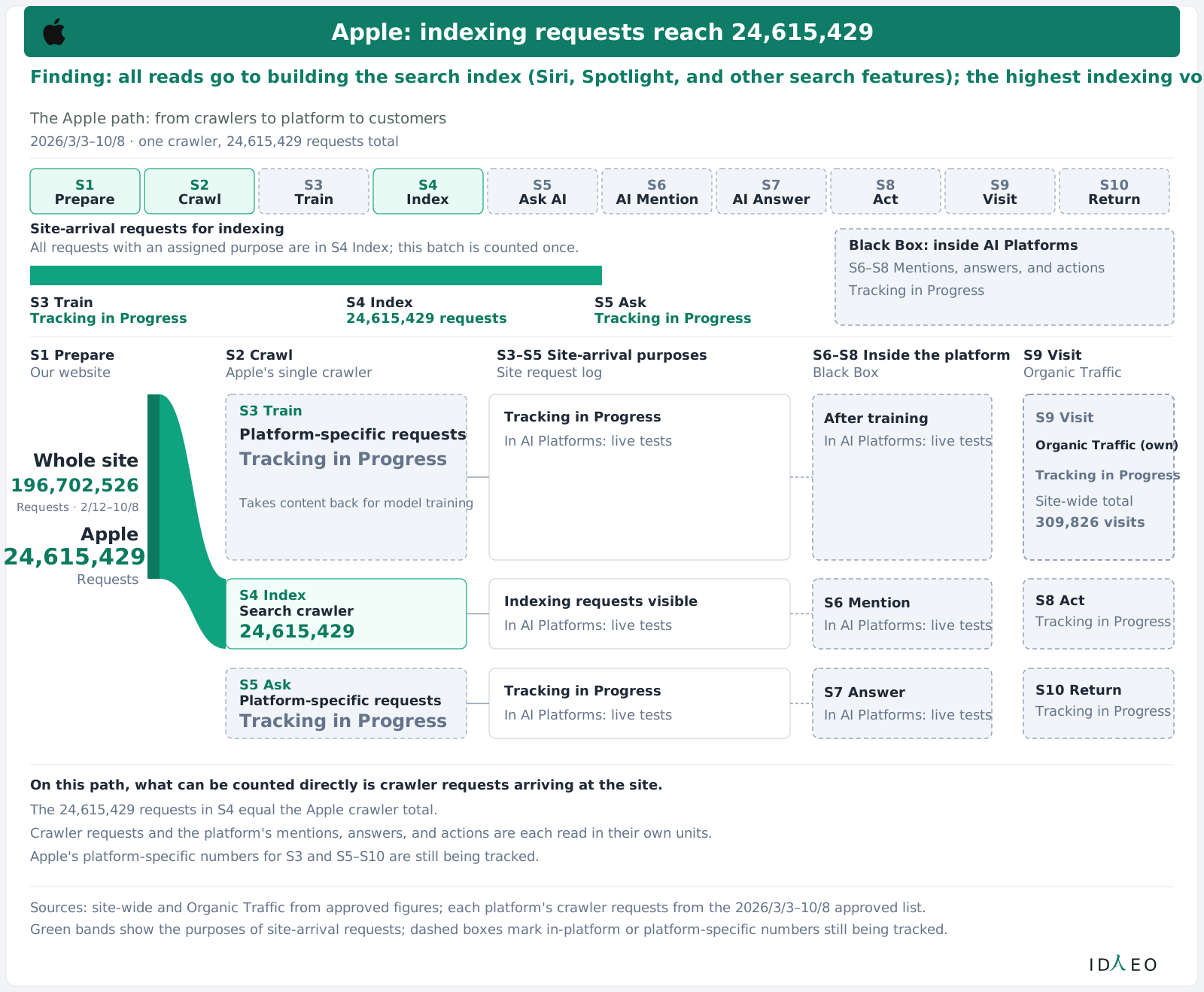
Figure 3-9 Apple: 24,615,429 indexing requests|Highest indexing volume of any platform
View as text
Look at crawl volume first, then follow the journey to see the tracking scope of later use.
Apple: indexing requests reach 24,615,429
Finding: all reads go to building the search index (Siri, Spotlight, and other search features); the highest indexing volume of any platform.
The Apple path: from crawlers to platform to customers
2026/3/3–10/8 · one crawler, 24,615,429 requests total
S1
Prepare
S2
Crawl
S3
Train
S4
Index
S5
Ask AI
S6
AI Mention
S7
AI Answer
S8
Act
S9
Visit
S10
Return
Site-arrival requests for indexing
All requests with an assigned purpose are in S4 Index; this batch is counted once.
S3 Train
Tracking in Progress
S4 Index
24,615,429 requests
S5 Ask
Tracking in Progress
Black Box: inside AI Platforms
S6–S8 Mentions, answers, and actions
Tracking in Progress
S1 Prepare
Our website
S2 Crawl
Apple's single crawler
S3–S5 Site-arrival purposes
Site request log
S6–S8 Inside the platform
Black Box
S9 Visit
Organic Traffic
Whole site
196,702,526
Requests · 2/12–10/8
Apple
24,615,429
Requests
S3 Train
Platform-specific requests
Tracking in Progress
Takes content back for model training
S4 Index
Search crawler
24,615,429
S5 Ask
Platform-specific requests
Tracking in Progress
Tracking in Progress
In AI Platforms: live tests
Indexing requests visible
In AI Platforms: live tests
Tracking in Progress
In AI Platforms: live tests
After training
In AI Platforms: live tests
S6 Mention
In AI Platforms: live tests
S7 Answer
In AI Platforms: live tests
S9 Visit
Organic Traffic (own)
Tracking in Progress
Site-wide total
309,826 visits
S8 Act
Tracking in Progress
S10 Return
Tracking in Progress
On this path, what can be counted directly is crawler requests arriving at the site.
The 24,615,429 requests in S4 equal the Apple crawler total.
Crawler requests and the platform's mentions, answers, and actions are each read in their own units.
Apple's platform-specific numbers for S3 and S5–S10 are still being tracked.
Sources: site-wide and Organic Traffic from approved figures; each platform's crawler requests from the 2026/3/3–10/8 approved list.
Green bands show the purposes of site-arrival requests; dashed boxes mark in-platform or platform-specific numbers still being tracked.
ID
EO
How to readLook at crawl volume first, then follow the journey to see the tracking scope of later use.
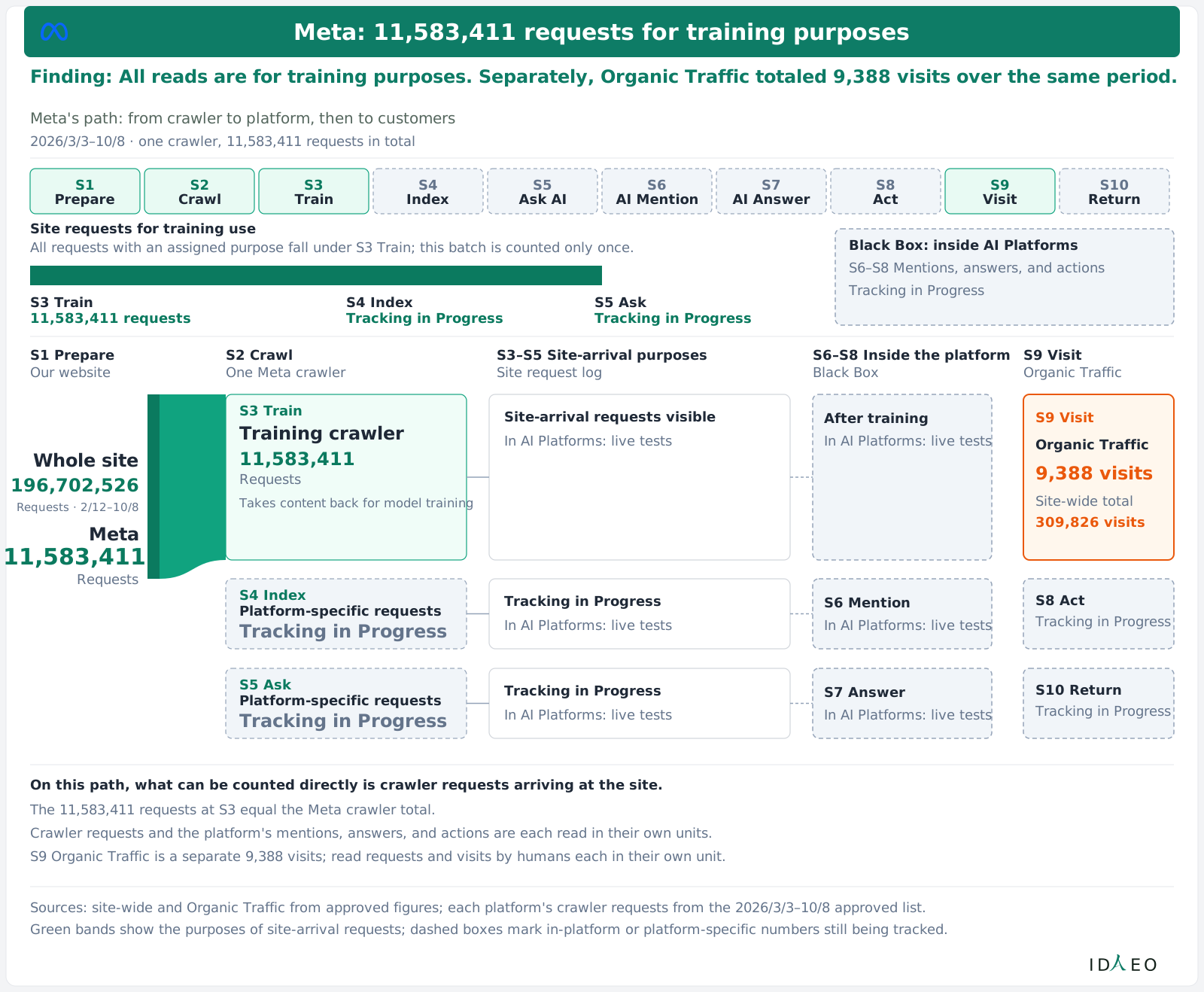
Figure 3-10 Meta: 11,583,411 requests for training purposes|All reads are for training purposes
View as text
Look at AI crawls and customer arrivals separately, reading each result in its own unit.
Meta: 11,583,411 requests for training purposes
Finding: All reads are for training purposes. Separately, Organic Traffic totaled 9,388 visits over the same period.
Meta's path: from crawler to platform, then to customers
2026/3/3–10/8 · one crawler, 11,583,411 requests in total
S1
Prepare
S2
Crawl
S3
Train
S4
Index
S5
Ask AI
S6
AI Mention
S7
AI Answer
S8
Act
S9
Visit
S10
Return
Site requests for training use
All requests with an assigned purpose fall under S3 Train; this batch is counted only once.
S3 Train
11,583,411 requests
S4 Index
Tracking in Progress
S5 Ask
Tracking in Progress
Black Box: inside AI Platforms
S6–S8 Mentions, answers, and actions
Tracking in Progress
S1 Prepare
Our website
S2 Crawl
One Meta crawler
S3–S5 Site-arrival purposes
Site request log
S6–S8 Inside the platform
Black Box
S9 Visit
Organic Traffic
Whole site
196,702,526
Requests · 2/12–10/8
Meta
11,583,411
Requests
S3 Train
Training crawler
11,583,411
Requests
Takes content back for model training
S4 Index
Platform-specific requests
Tracking in Progress
S5 Ask
Platform-specific requests
Tracking in Progress
Site-arrival requests visible
In AI Platforms: live tests
Tracking in Progress
In AI Platforms: live tests
Tracking in Progress
In AI Platforms: live tests
After training
In AI Platforms: live tests
S6 Mention
In AI Platforms: live tests
S7 Answer
In AI Platforms: live tests
S9 Visit
Organic Traffic
9,388 visits
Site-wide total
309,826 visits
S8 Act
Tracking in Progress
S10 Return
Tracking in Progress
On this path, what can be counted directly is crawler requests arriving at the site.
The 11,583,411 requests at S3 equal the Meta crawler total.
Crawler requests and the platform's mentions, answers, and actions are each read in their own units.
S9 Organic Traffic is a separate 9,388 visits; read requests and visits by humans each in their own unit.
Sources: site-wide and Organic Traffic from approved figures; each platform's crawler requests from the 2026/3/3–10/8 approved list.
Green bands show the purposes of site-arrival requests; dashed boxes mark in-platform or platform-specific numbers still being tracked.
ID
EO
How to readLook at AI crawls and customer arrivals separately, reading each result in its own unit.
Key Points of This Chapter
| Claim | Why |
|---|---|
| The AI black box is the training, ranking, mentions, answers, and actions that happen inside AI platforms. | Mentions, answers, and actions in S6–S8 happen inside the platform. The Black Box also hides whether content read in S3–S4 is used for training or indexed, and how it is ranked. Being read does not mean content has been used for training or indexed. The website records crawls and site arrivals directly. S5 real-time retrieval also has first-party numbers. In the figure, the S6 number is search impressions (not AI mentions). The mention rate in AI answers will be published later. |
| IDAEO measures both ends of the black box, then uses platform data and periodic live tests to measure the results of content use. | Crawls before entering and site arrivals after leaving are both first-party measurements. In the figure, S6 lists search impressions (not AI mentions), which come from platform data. The IDAEO platform's 31,700 Copilot citations also come from platform data. The mention rate in AI answers will be published later. Periodically asking multiple AIs directly can confirm whether you were mentioned and whether the answers were correct. Each source provides different evidence, but none reveals the platform's internal processing. |
| Periodic live tests of TK Lin's personal IDA record whether it appears in AI search source lists. | Live test of TK Lin's personal IDA: on Sep 20, launch day, AI citations were 0. On Oct 3, a live test covered 100 questions across five AI models. This IDA appeared in AI search source lists at a rate of 84% (four of the five models used the same search interface; the questions named the author himself; a single case). It ranked first among all sources by number of appearances. The 0 on Sep 20 is a citation count; the 84% on Oct 3 is a source-list appearance rate. They use different units and cannot be compared directly. This is a single case and cannot be generalized to merchants. Platform-wide numbers for AI Mention Rate and AI Answer Accuracy Rate will be published later. |
| Results from each source are read separately by unit. | Requests, pages, and clicks represent different events; only comparisons on the same basis are meaningful for marketing. |
| The platform AI Citations figure published in this book comes from Copilot: the IDAEO platform has been cited 31,700 times since Jul 22. | This is the citation result provided by Copilot; the remaining platforms are still being tracked and will be published later. Label the source and period clearly so comparisons are made on the same basis. |
Terms
- Black Box
- Mentions, answers, and actions in S6–S8 happen inside AI Platforms. The Black Box also hides whether content read in S3–S4 is used for training or indexed, and how it is ranked. Being read does not mean content has been used for training or indexed. IDAEO observes results through measurements at both ends and periodic live tests. In the figure, the S6 number is search impressions (not AI mentions). The mention rate in AI answers will be published later.
- Platform Data
- Platforms such as Google and Bing provide indexing, search impressions, and clicks. S6 in the figure is search impressions (not AI mentions). The platform AI citation data in this book comes from Copilot. The mention rate in AI answers will be published later.
- Indexed
- The result of a search platform adding pages to its index, counted in pages.
- Search result impressions
- The number of times a page appears in search results. The S6 cell in the figure lists search impressions (not AI mentions). The mention rate in AI answers will be published later.
FAQ
Q: How do you know AI cites you?
A: Look at three kinds of evidence together. First, citation counts reported by platforms. The figures published in this book record Copilot citations of the IDAEO platform. Since Jul 22, the total is 31,700 citations. Second, regularly ask multiple AI services questions to check mentions and answer accuracy. Third, records of source lists for individual cases. TK Lin's personal IDA had 0 AI citations on its launch day, Sep 20. On Oct 3, testing covered 100 questions and five AI models. This IDA appeared in AI search source lists at a rate of 84%. The 0 is a citation count; 84% is the share of source lists in which it appeared. The units differ, so they cannot be compared directly. This is a single case and cannot be generalized to merchants. There is another signal: first-party records show AI real-time reads totaling 651,000. These are reads, not necessarily citations. Citations occur inside AI Platforms, and these records provide different kinds of evidence. See Figure 3-6, “How Do We Know AI Cited Us?”, for an overview. Also see Figure 3-2, “Content Journey Map and the AI Black Box,” and Figure 3-5, “Microsoft.”
Q: Where do Google's and OpenAI's numbers come from?
A: Google's indexing, search impressions, and clicks come from the search platform. S6 in the figure is search impressions (not AI mentions). The mention rate in AI answers will be published later. OpenAI's retrievals and customer arrivals come from first-party measurement. The data scopes differ, so check source and step first when placing them side by side.
Q: Can IDAEO open the AI black box?
A: We cannot open it, but we can measure both ends. Mentions, answers, actions, and the training and ranking that follow crawls happen inside AI Platforms. Measure crawls and site arrivals at both ends, alongside search impressions, Copilot citations, and periodic questions. In the figure, S6 lists search impressions (not AI mentions). These data can provide evidence of citations, mentions, and answer accuracy. Live test of TK Lin's personal IDA: on Sep 20, launch day, AI citations were 0. On Oct 3, a live test covered 100 questions across five AI models. This IDA appeared in AI search source lists at a rate of 84%. It ranked first among all sources by number of appearances. The 0 is a citation count; the 84% is a source-list appearance rate. They use different units and cannot be compared directly. This is a single case and cannot be generalized to merchants. This evidence still does not reveal the platform's internal processing. Platform-wide numbers for AI Mention Rate and AI Answer Accuracy Rate will be published later.
Q: Who is counted in this chapter's numbers?
A: Platform results are presented separately by source and what was measured. The Copilot citation count covers the IDAEO platform. TK Lin's personal IDA is a live test of a single piece of content; the percentage refers to its appearance in AI search source lists. The subjects and measurement methods differ. Each result must be interpreted within its published scope.
Q: Bing has indexed 375,000 pages and Google 282,000. How should you compare them?
A: Look at the two separately; each represents that platform's indexing result. The same page gets indexed by both, so adding them together double-counts.
This Chapter in Three Sentences
- Mentions, answers, and rankings inside AI Platforms are hidden in a Black Box.
- We can measure both ends: reads going in and site arrivals coming out, supplemented by periodic questions to AI.
- Reads, search impressions, and citations are different events and cannot be added together.
Three Things You Can Do This Week
- Organize your website's read and visit records, clearly labeling each source and period.
- Review the indexing, search impression, and citation records provided by search platforms. Record them separately.
- Ask AI about your business, then check its answers and listed sources.
Next ChapterIn the next chapter, you will learn which three types of sources are used to verify merchant information.
Self-CheckIdentify the Black Box: S6–S8, and what happens after the S3–S4 crawls. Explain what evidence first-party measurement at both ends, platform data, and periodic live tests each provide. Then use TK Lin's personal IDA to distinguish source-list records from an individual case from platform metrics. When reading S6 in the figure, make clear that the number is search impressions (not AI mentions). The mention rate in AI answers will be published later.
Free to download, updated monthly

Cite this book
IDAEO: Marketing in the Age of AI · 林毅祥(TK Lin) · 1st edition, 9th revision · · https://km.idaeo.ai/idaeo/textbook?lang=en · CC BY 4.0