

#食品安全
8 articles
Farm Animals and Horses|🔴 Supplementary Column A: Withdrawal Periods and the Safety of Animal Products
Why food-producing animals need a withdrawal period, why no universal day count exists, and what is special about honey,…
#獸醫百科#農場動物#停藥期#用藥安全#食品安全
How to Assess Food Additives Without Panic: Distinguishing Real Risk Through Dose, Use, and Human Evidence
Legal use does not mean zero risk at every dose, in every product, and for every person. Likewise, animal toxicity or an…
#健康的真實#食品添加物#食品安全#風險溝通#超加工食品#甜味劑
What Are “Lean-Meat Agents”? The Evidence Boundaries for Ractopamine, Clenbuterol, and Meat Safety
“Lean-meat agent” is not one substance: clenbuterol-contaminated meat can cause acute poisoning, while risk assessments …
#健康的真實#瘦肉精#萊克多巴胺#克倫特羅#食品安全#動物福利
Do Genetically Modified Foods Lose Nutritional Value or Harm Health? An Evidence-Based Review from Soy Isoflavones to Overall Safety
The claim that “genetically modified soybeans contain no isoflavones” treats the three words “genetically modified soybe…
#健康的真實#基因改造#基改黃豆#異黃酮#食品安全#循證醫學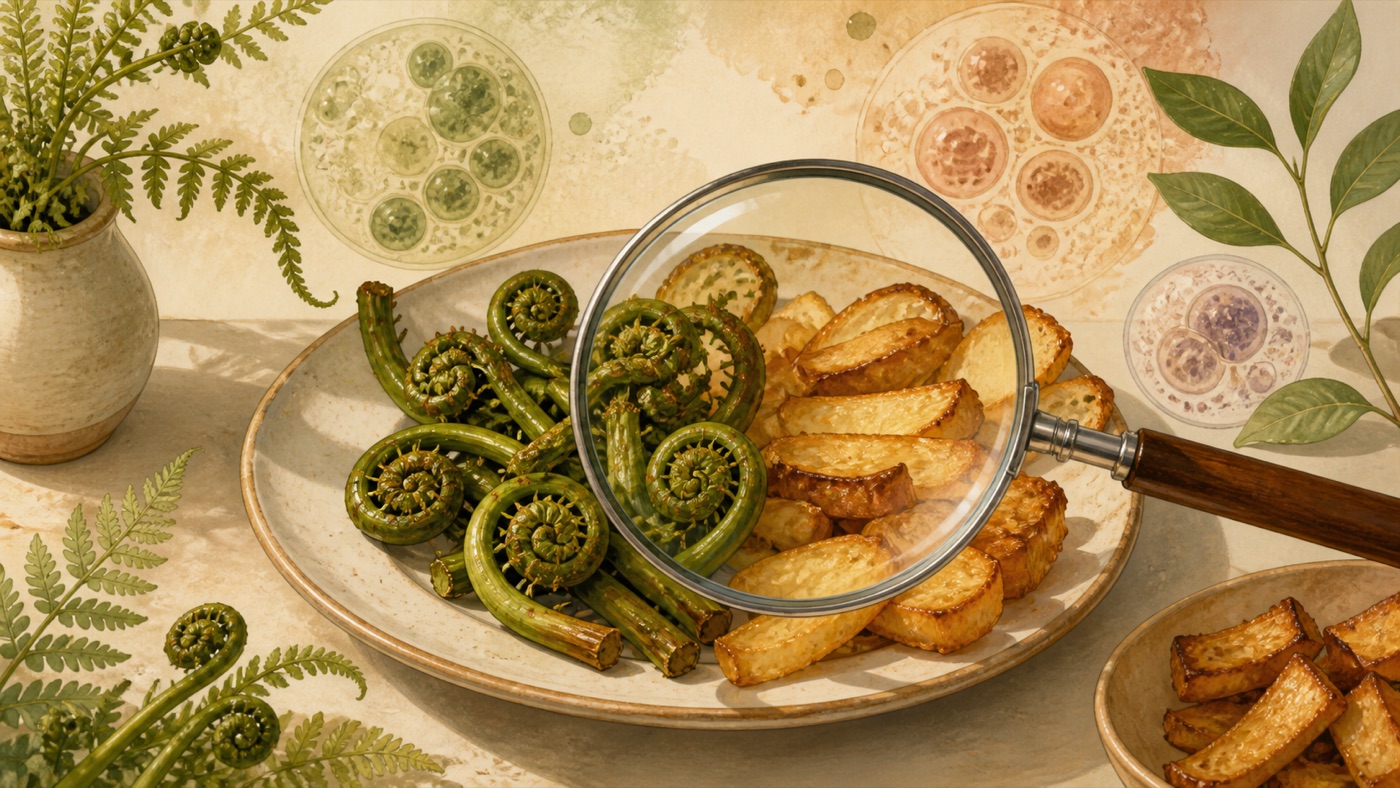
Can Food Cause Cancer? An Evidence-Based Reading of Bracken Fern, Acrylamide, and Natural Toxins
“Detected” does not mean “certain to cause cancer,” and “associated” does not mean “causal.” Using Professor Ching-Shun …
#健康的真實#食品安全#癌症風險#蕨菜#丙烯醯胺#天然毒素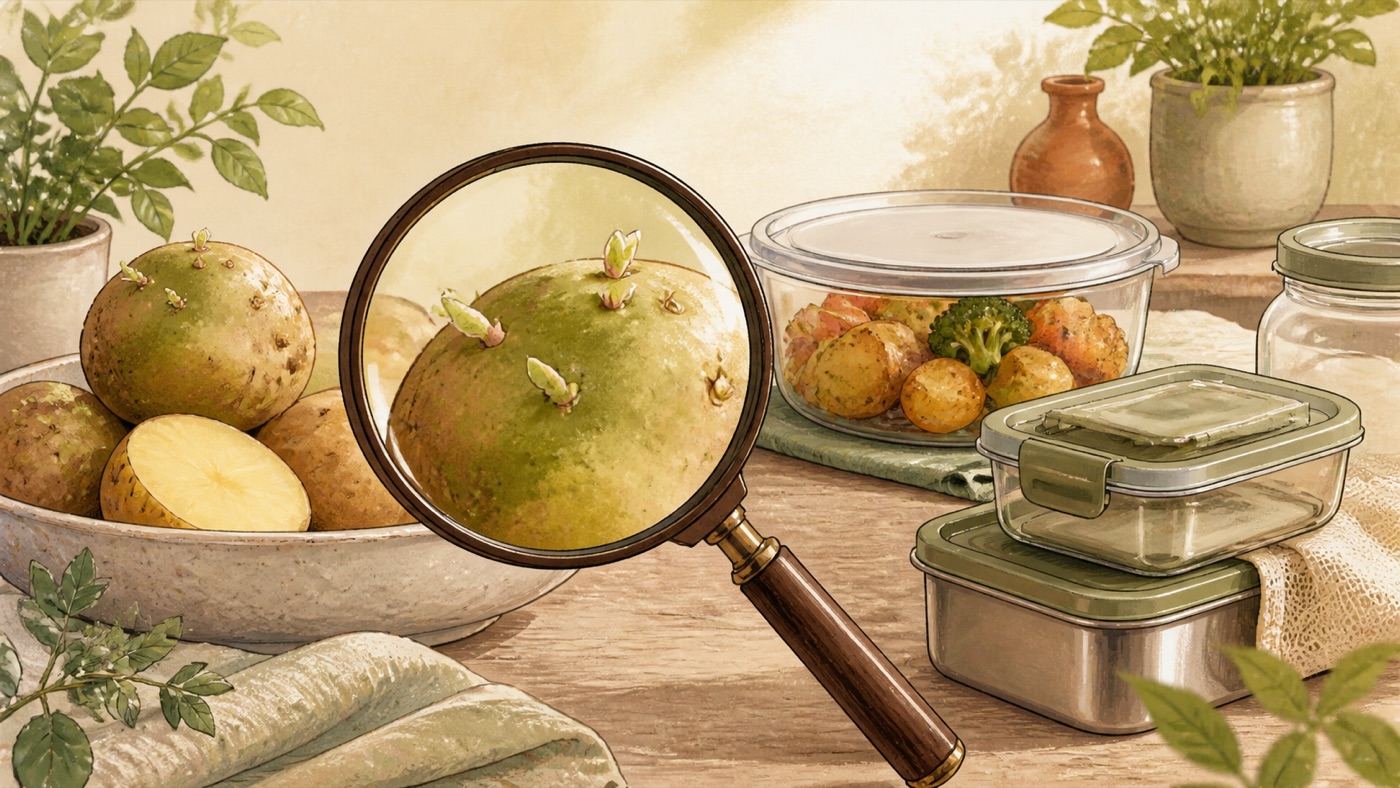
Food Safety Myths: An Evidence-Based Reading of Glycoalkaloids, Leftovers, Plastics, and Supplements
Cooking black nightshade leaves does not make them categorically safe, nor does eating a ripe tomato raw make it inheren…
#健康的真實#食品安全#龍葵鹼#食安迷思#風險評估#保健食品
Bottled Water, Hot Drinks, Coffee, and Tea: An Evidence-Based Reading from “Detection” to Health Risk
Detecting a chemical, metal, or microplastic does not mean that a disease-causing dose has been reached. Conversely, a r…
#健康的真實#食品安全#瓶裝水#熱飲#咖啡#茶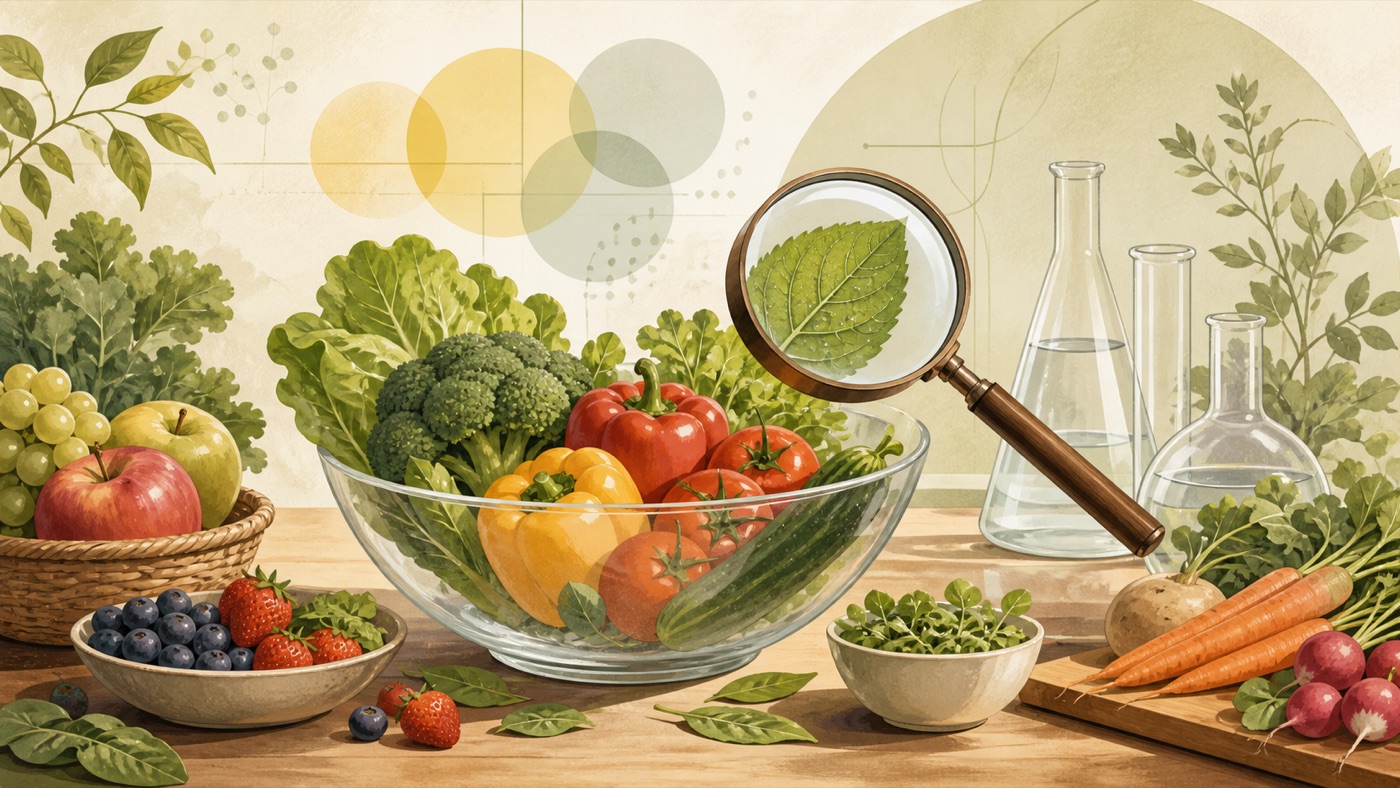
How Should We Interpret Pesticide Residues? An Evidence-Based Review of Risk, Washing, and Common Myths
Pesticide residue is not synonymous with poisoning. Washing with water does help, but no household method can guarantee …
#健康的真實#農藥#農藥殘留#蔬果清洗#食品安全#基改食品