

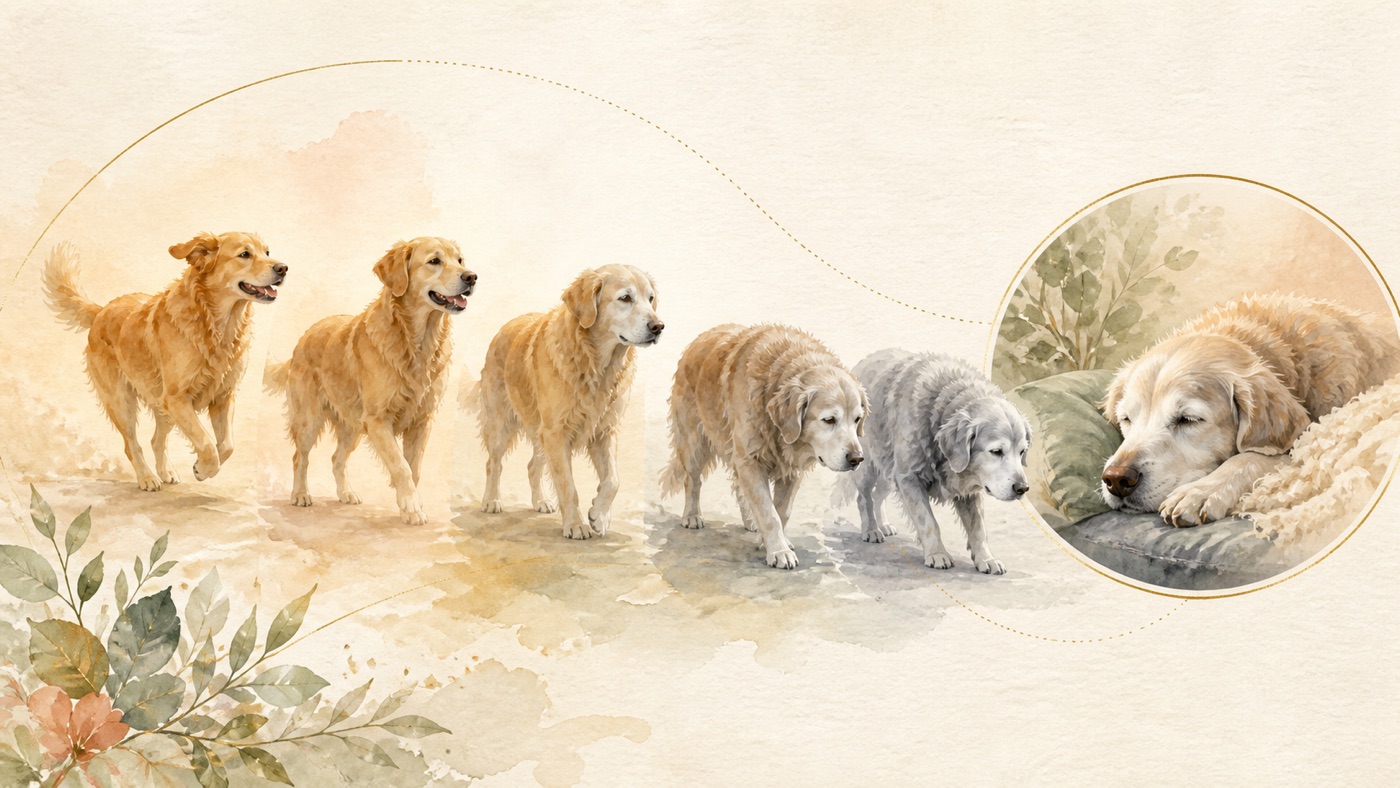
犬|老年、安宁与安乐死判断|证据链
本文记录〈犬|老年、安宁与安乐死判断〉的来源位置与内容哈希,可用来确认内容未被篡改。
犬|老年、安宁与安乐死判断|证据链
本文记录〈犬|老年、安宁与安乐死判断〉的来源位置与内容哈希,可用来确认内容未被篡改。
怎幺用这份记录验证
这份记录的用途是让任何人都能自己验证本站有没有改动原文。兽医动物百科的每一章都留有起始行号与内容哈希(SHA-256 前 16 位);把原始章节内容重新计算哈希,若与下方记载相同,即代表本站呈现的内容与原始章节一致。文末来源清单是该章节引用的权威资料,属章节级对应——它们是这一章整体的依据,不等于每一句都逐句溯源到某一笔。本内容为教育用途,不能取代执业兽医的诊断与处方;急症请立即就医。
本文记录〈犬|老年、安宁与安乐死判断|证据链〉的来源位置:兽医百科 `20-T1-犬.md` 第 884 行起的章节,章节内容的 SHA-256 前 16 码为 `3f9df4d717f11e8a`,可用来确认内容未被篡改。
原始位置
- 文件:兽医动物百科 犬
- 起始行:第 884 行
- 章标题:§11 老年、安寧與安樂死判斷
- 内容哈希:`3f9df4d717f11e8a`
- 字符数:4,283
FAQ
- 狗几岁算老?
- 判定原则是依体型而不是只看年龄,巨型与大型犬进入老年远早于小型犬。AAHA 2019 指引不设固定岁数,改用相对定义:高龄是「预估寿命的末 25% 到生命结束」,依品种与体型的预估寿命去推。进入高龄后健检频率要提高,多数指引建议每半年一次,并加做血压与尿液比重、开始例行的疼痛与认知评估。
- 犬は何歳から高齢ですか? — 判定の原則は年齢だけでなく体格で、超大型犬・大型犬は小型犬よりはるかに早く高齢期に入ります。AAHA 2019 ガイドラインは固定の年齢を設けず、「推定寿命の最後の 25% から生命の終わりまで」という相対的な定義を採用し、品種と体格ごとの推定寿命から推し量ります。高齢期に入ったら健診頻度を上げ(多くのガイドラインは半年ごとを推奨)、血圧と尿比重を追加し、痛みと認知の定期評価を始めます。
- At what age is a dog "old"? — The rule is body size, not age alone: giant and large breeds reach old age far earlier than small breeds. The AAHA 2019 guidelines set no fixed age and use a relative definition instead: senior is "the last 25% of estimated lifespan through end of life," projected from the estimated lifespan for the breed and body size. Once a dog is senior, checkups should become more frequent — most guidelines suggest every six months — with blood pressure and urine specific gravity added, plus routine pain and cognitive assessments.
- 老狗变懒、不爱动,是正常老化吗?
- 不一定,那是老犬疼痛最常见的误判。狗不会叫痛,狗会安静下来。「它老了不爱动」可能是关节炎、背痛或牙痛;「脾气变差」尤其被摸到某处就闪避或龇牙,通常就是痛;「晚上走来走去」可能是疼痛、认知功能障碍、高血压或缺氧;「吃得慢」可能是牙痛、口腔肿瘤或恶心。疼痛必须治疗。
- 老犬が怠けて動かなくなったのは、正常な老化ですか? — そうとは限りません。それは高齢犬の痛みで最も多い見誤りです。犬は痛みで鳴かず、静かになります。「年で動きたがらない」は関節炎、背中の痛み、歯の痛みかもしれません。「気難しくなった」、特にある場所を触られると避けたり歯をむき出したりするのは、たいてい痛みです。「夜うろうろする」は痛み、認知機能不全、高血圧、低酸素の可能性があり、「食べるのが遅い」は歯の痛み、口腔腫瘍、吐き気の可能性があります。痛みは治療が必要です。
- My old dog has gotten lazy and inactive — is that normal aging? — Not necessarily; that is the most common misreading of pain in older dogs. Dogs do not cry out in pain — they go quiet. "He's old and doesn't like to move" may be arthritis, back pain, or dental pain; "grumpy lately," especially flinching or baring teeth when touched somewhere, usually means pain; "pacing at night" may be pain, cognitive dysfunction, hypertension, or hypoxia; "eating slowly" may be dental pain, an oral tumor, or nausea. Pain must be treated.
- 怎么判断狗的生活质量,什么时候该和兽医讨论安乐死?
- 用趋势做决定,不要用当天的情绪做决定。可以用结构化量表定期重复打分看趋势;也可以现在就写下这只狗最爱的 5 件事,当它已经做不到其中 3 件就重新评估;再加上好日子/坏日子日志,当坏日子开始多于好日子且趋势无法逆转,就该和兽医讨论时机。无法控制的疼痛、无法呼吸的痛苦、持续不能进食饮水则要立刻讨论。
- 犬の生活の質はどう判断し、いつ獣医師と安楽死を相談すべきですか? — その日の感情ではなく、傾向で決めます。構造化スケールで定期的に繰り返し採点して傾向を見る。今のうちに、この犬が一番好きな 5 つのことを書き出し、そのうち 3 つができなくなったら見直す。さらに良い日/悪い日の日誌を付け、悪い日が良い日より多くなり始めて傾向が戻らないなら、獣医師とタイミングを相談すべき時です。コントロールできない痛み、呼吸できない苦しみ、飲食が続けてできない場合は、すぐに相談してください。
- How do I judge my dog's quality of life, and when should I discuss euthanasia with the veterinarian? — Decide on the trend, not on the emotions of a single day. Score repeatedly with a structured scale and watch the trend; write down now the 5 things this dog loves most and reassess when it can no longer do 3 of them; add a good day/bad day diary, and when bad days start to outnumber good days and the trend cannot be reversed, it is time to discuss timing with the veterinarian. Uncontrollable pain, the distress of being unable to breathe, or persistent inability to eat or drink call for an immediate discussion.
来源锚定
- Merck 獸醫手冊|犬章引用 · https://www.merckvetmanual.com/management-and-nutrition/management-of-the-neonate/management-of-the-neonate-in-dogs-and-cats · 在 IDAEO 的其他引用
- Merck 獸醫手冊|犬章引用 · https://www.merckvetmanual.com/multimedia/table/parameters-to-evaluate-during-triage · 在 IDAEO 的其他引用
- Merck 獸醫手冊|犬章引用 · https://www.merckvetmanual.com/reproductive-system/reproductive-diseases-of-the-female-small-animal/dystocia-in-small-animals · 在 IDAEO 的其他引用
- PMC 全文|犬章引用 · https://pmc.ncbi.nlm.nih.gov/articles/PMC10385239/ · 在 IDAEO 的其他引用
- PMC 全文|犬章引用 · https://pmc.ncbi.nlm.nih.gov/articles/PMC10705156/ · 在 IDAEO 的其他引用
- PMC 全文|犬章引用 · https://pmc.ncbi.nlm.nih.gov/articles/PMC11096582/ · 在 IDAEO 的其他引用
- PMC 全文|犬章引用 · https://pmc.ncbi.nlm.nih.gov/articles/PMC5421102/ · 在 IDAEO 的其他引用
- PMC 全文|犬章引用 · https://pmc.ncbi.nlm.nih.gov/articles/PMC7608676/ · 在 IDAEO 的其他引用
- WSAVA|犬章引用 · https://wsava.org/wp-content/uploads/2021/04/Selecting-a-pet-food-for-your-pet-updated-2021_WSAVA-Global-Nutrition-Toolkit.pdf · 在 IDAEO 的其他引用
- AAHA|犬章引用 · https://www.aaha.org/wp-content/uploads/globalassets/02-guidelines/behavior-management/2015_aaha_canine_and_feline_behavior_management_guidelines_final.pdf · 在 IDAEO 的其他引用
- AAHA|犬章引用 · https://www.aaha.org/wp-content/uploads/globalassets/02-guidelines/canine-life-stage/canine_life_stage_guidelines.pdf · 在 IDAEO 的其他引用
- WOAH 世界動物衛生組織|犬章引用 · https://www.woah.org/en/disease/rabies/ · 在 IDAEO 的其他引用
- vetmed.illinois.edu|犬章引用 · https://vetmed.illinois.edu/pet-health-columns/never-give-medications-for-people-to-pets/ · 在 IDAEO 的其他引用
引用本文
Jane・《犬|老年、安宁与安乐死判断|证据链》・IDAEO 知識庫・2026-08-13・https://km.idaeo.ai/post/reports/vet-dog-senior-and-end-of-life-evidence更新于 2026-08-15