

犬|行為與福利|證據鏈
本文記錄〈犬|行為與福利〉的來源位置與內容雜湊,可用來確認內容未被竄改。
犬|行為與福利|證據鏈
本文記錄〈犬|行為與福利〉的來源位置與內容雜湊,可用來確認內容未被竄改。
怎麼用這份記錄驗證
這份記錄的用途是讓任何人都能自己驗證本站有沒有改動原文。獸醫動物百科的每一章都留有起始行號與內容雜湊(SHA-256 前 16 碼);把原始章節內容重新計算雜湊,若與下方記載相同,即代表本站呈現的內容與原始章節一致。文末來源清單是該章節引用的權威資料,屬章節級對應——它們是這一章整體的依據,不等於每一句都逐句溯源到某一筆。本內容為教育用途,不能取代執業獸醫的診斷與處方;急症請立即就醫。
本文記錄〈犬|行為與福利〉的來源位置:獸醫百科 `20-T1-犬.md` 第 366 行起的章節,章節內容的 SHA-256 前 16 碼為 `0a08720bab5d3255`,可用來確認內容未被竄改。
原始位置
- 檔案:獸醫動物百科 犬 章節
- 起始行:第 366 行
- 章標題:§5 行為與福利
- 內容雜湊:`0a08720bab5d3255`
- 字元數:4,280
FAQ
- 狗對我低吼,可以罵牠或處罰牠嗎?
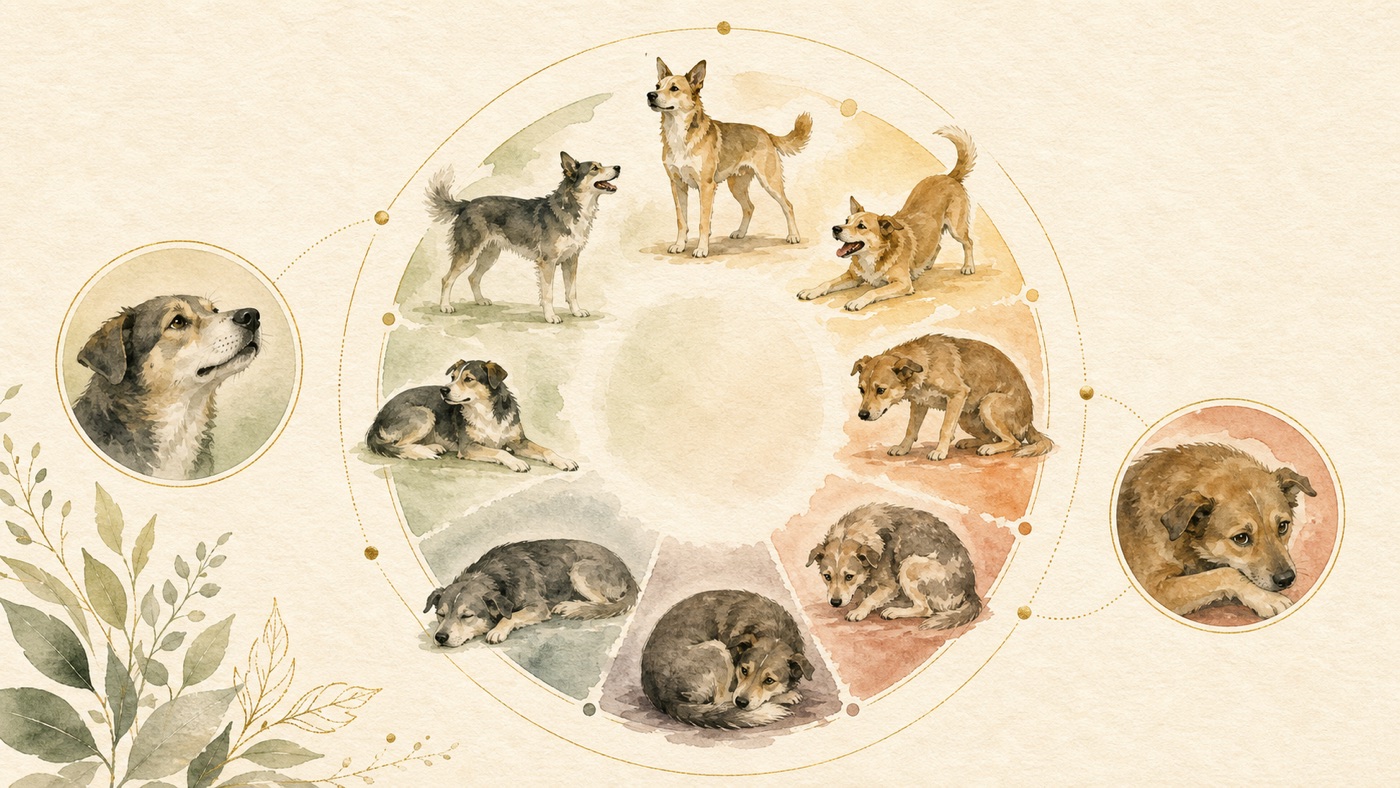
- 絕對不要處罰低吼。低吼是緊迫訊號階梯上的警告階段,處罰低吼等於拆掉警報器,下一次牠可能直接咬。更早的訊號包括舔鼻、眨眼、轉頭、身體轉開、打呵欠、抓癢,接著是走開、躲、耳朵後貼、露出眼白;如果牠已經全身緊繃、停止咀嚼、盯著你、呼吸變淺,那是最後的和平警告,要馬上停止。
- 犬が私にうなりました。叱ったり罰したりしてよいですか。 — うなり声を決して罰しないでください。うなり声はストレスのサインの段階における警告の段階であり、これを罰することは警報器を外すことに等しく、次は前触れなく咬むことがあります。より早い段階のサインには、鼻をなめる、まばたき、顔をそむける、体をそむける、あくび、体をかくがあり、続いてその場を離れる、隠れる、耳を後ろに倒す、白目が見えるといった段階が来ます。すでに全身が緊張し、咬むことをやめ、じっと見つめ、呼吸が浅くなっているなら、それが最後の平和的な警告ですので、ただちにやめてください。
- My dog growled at me — can I scold or punish it? — Do not punish a growl under any circumstances. The growl is the warning stage on the ladder of stress signals, and punishing it amounts to dismantling the alarm, so the next time the dog may bite without warning. Earlier signals include lip licking, blinking, head turning, turning the body away, yawning and scratching, followed by walking away, hiding, ears back and the white of the eye showing; if the dog is already tense all over, has stopped chewing, is staring at you and breathing shallowly, that is the last peaceful warning and you should stop immediately.
- 狗突然變兇、突然不肯上樓,是不是變壞了?
- 行為突然改變要先當成醫療問題。突然攻擊、突然不肯上樓或跳沙發、突然咬自己某個部位、突然在家裡排泄、突然夜間不安,都應該先排除疼痛(尤其骨關節炎、牙、耳、椎間盤疾病)、內分泌、神經與認知障礙,再談訓練。家中不當排泄也是一樣,先驗尿再談。
- 犬が急に怒りっぽくなり、階段を上りたがりません。性格が悪くなったのですか。 — 行動の急変はまず医学的な問題として扱ってください。急に攻撃する、急に階段やソファを嫌がる、急に体の一部を咬む、急に室内で排泄する、急に夜落ち着かないといった変化は、いずれもまず痛み(特に変形性関節症、歯、耳、椎間板疾患)、内分泌、神経、認知機能不全を除外し、そのうえで訓練の話をすべきものです。室内での不適切な排泄も同じで、まず尿を検査します。
- My dog has suddenly become aggressive and refuses to go upstairs — has it turned bad? — A sudden change in behavior should be treated as a medical problem first. Sudden aggression, suddenly refusing stairs or the sofa, suddenly biting at one part of the body, suddenly toileting indoors and sudden night-time restlessness should all lead first to ruling out pain (especially osteoarthritis, teeth, ears, intervertebral disc disease), endocrine disease, neurological disease and cognitive dysfunction, and only then to a discussion of training. Inappropriate toileting indoors is the same: test the urine first.
- 小孩跟狗相處要注意什麼?
- 咬傷事件多半發生在家中、由熟悉的狗造成、傷在兒童的臉部與手,所以原則是任何年齡的兒童與犬相處都需要成人在場監督。教孩子「三不」:不抱、不打擾牠吃飯睡覺、不追,並為狗設立免打擾區。狗在痛的時候咬人風險最高,家裡有小孩就更要積極治療牙、耳、關節的疼痛。
- 子どもと犬が一緒に過ごすとき、何に注意すべきですか。 — 咬傷事故の多くは家庭内で、よく知っている犬により、子どもの顔と手に起こります。そのため、どの年齢の子どもでも犬と接する際は大人が同席して監督することが原則です。子どもには「三つのしない」を教えます:抱きしめない、食事と睡眠を邪魔しない、追いかけない。そして犬のための邪魔をしない区域を設けます。犬は痛みがあるときに咬むリスクが最も高くなるため、家に子どもがいる場合は歯、耳、関節の痛みの治療をいっそう積極的に行ってください。
- What should I watch for between my child and my dog? — Bite incidents occur mostly at home, are caused by a familiar dog, and injure the child's face and hands, so the principle is that a child of any age with a dog needs an adult present to supervise. Teach the child the "three do-nots": do not hug, do not disturb the dog while it eats or sleeps, do not chase it, and establish a do-not-disturb zone for the dog. A dog in pain has the highest risk of biting, so with children at home it matters even more to treat dental, ear and joint pain actively.
來源錨定
- Merck 獸醫手冊|犬章引用 · https://www.merckvetmanual.com/management-and-nutrition/management-of-the-neonate/management-of-the-neonate-in-dogs-and-cats · 在 IDAEO 的其他引用
- Merck 獸醫手冊|犬章引用 · https://www.merckvetmanual.com/multimedia/table/parameters-to-evaluate-during-triage · 在 IDAEO 的其他引用
- Merck 獸醫手冊|犬章引用 · https://www.merckvetmanual.com/reproductive-system/reproductive-diseases-of-the-female-small-animal/dystocia-in-small-animals · 在 IDAEO 的其他引用
- PMC 全文|犬章引用 · https://pmc.ncbi.nlm.nih.gov/articles/PMC10385239/ · 在 IDAEO 的其他引用
- PMC 全文|犬章引用 · https://pmc.ncbi.nlm.nih.gov/articles/PMC10705156/ · 在 IDAEO 的其他引用
- PMC 全文|犬章引用 · https://pmc.ncbi.nlm.nih.gov/articles/PMC11096582/ · 在 IDAEO 的其他引用
- PMC 全文|犬章引用 · https://pmc.ncbi.nlm.nih.gov/articles/PMC5421102/ · 在 IDAEO 的其他引用
- PMC 全文|犬章引用 · https://pmc.ncbi.nlm.nih.gov/articles/PMC7608676/ · 在 IDAEO 的其他引用
- WSAVA|犬章引用 · https://wsava.org/wp-content/uploads/2021/04/Selecting-a-pet-food-for-your-pet-updated-2021_WSAVA-Global-Nutrition-Toolkit.pdf · 在 IDAEO 的其他引用
- AAHA|犬章引用 · https://www.aaha.org/wp-content/uploads/globalassets/02-guidelines/behavior-management/2015_aaha_canine_and_feline_behavior_management_guidelines_final.pdf · 在 IDAEO 的其他引用
- AAHA|犬章引用 · https://www.aaha.org/wp-content/uploads/globalassets/02-guidelines/canine-life-stage/canine_life_stage_guidelines.pdf · 在 IDAEO 的其他引用
- WOAH 世界動物衛生組織|犬章引用 · https://www.woah.org/en/disease/rabies/ · 在 IDAEO 的其他引用
- vetmed.illinois.edu|犬章引用 · https://vetmed.illinois.edu/pet-health-columns/never-give-medications-for-people-to-pets/ · 在 IDAEO 的其他引用
引用本文
Jane・《犬|行為與福利|證據鏈》・IDAEO 知識庫・2026-08-13・https://km.idaeo.ai/post/reports/vet-dog-behaviour-welfare-evidence更新於 2026-08-15