

顎関節(TMJ)に問題があるとどうなる? いつ受診すべき?|證據鏈
本頁是〈顎関節(TMJ)に問題があるとどうなる? いつ受診すべき?〉的事實單元帳:每一條主張對應的來源、證據等級、地域與期間、原文引句與限制,逐條攤開。
顎関節(TMJ)に問題があるとどうなる? いつ受診すべき?|證據鏈
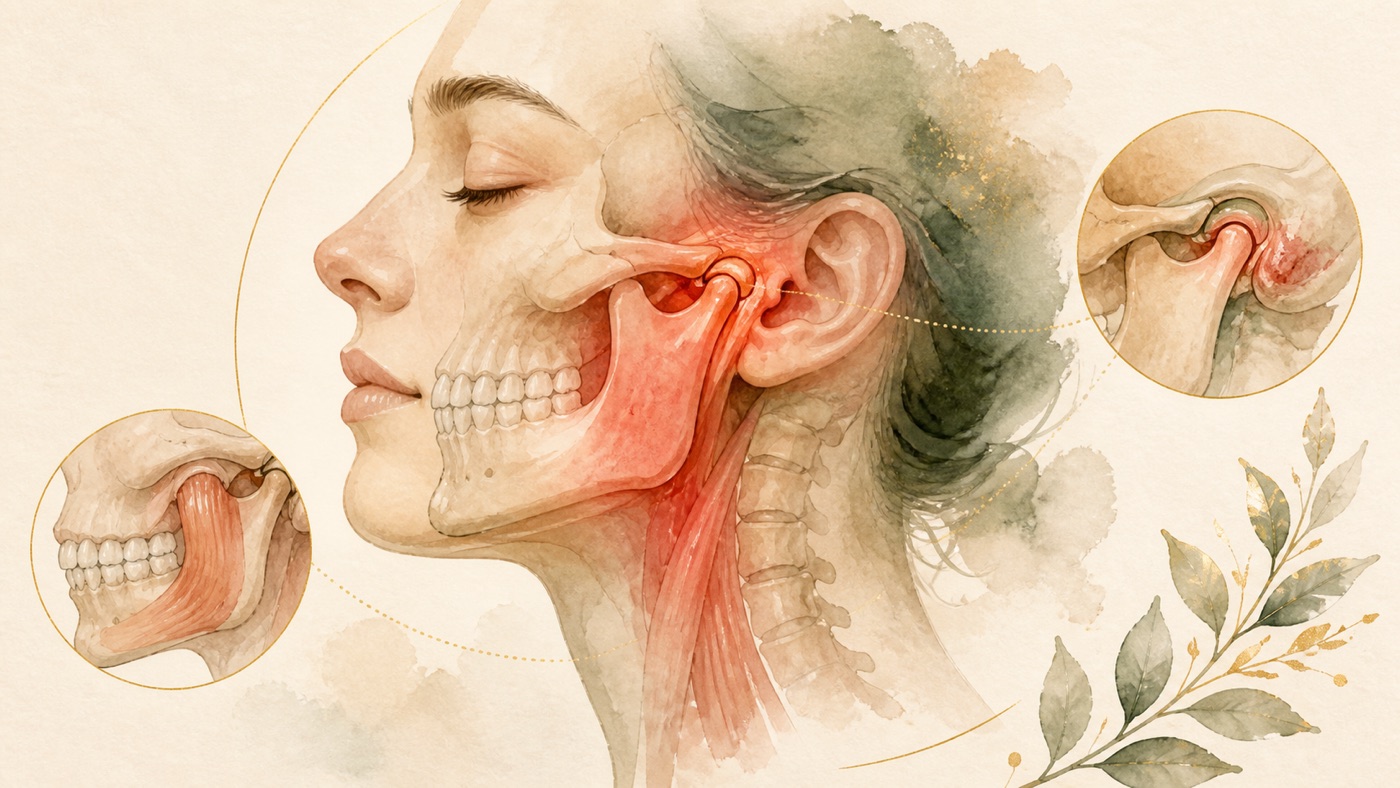
F-Units(事実単位帳)
- F1|選題根拠=14 診療所サイトの GSC 全件照合。この題は生産キューの「三、診所補題」区(主キュー 50 題ではない)にあり、クエリ「tmj」の表示回数は 2,312、掲載根拠は1 件|出典 #24|confidence=high|basis=internal_dataset|period=GSC 保持窓(2025-03-22 から)|geo: TW|caveat: 表示回数は属性レベルの数字で重複排除済みトラフィックではない。内部データであり医学的主張ではなく、公開変換時にはこの項目全体を除去する。
- F2[構造的整理]|本カードの用語消歧構造(TMJ は解剖構造、TMD は疾患群)、三段階振り分け(直ちに受診/早めに予約/通常の評価を予約)、異なる出典の分類語を交換しない原則、各有病率群の分母表示、赤旗の完全性に関する声明、KM-DENTAL-C12/33/50/05/C01 との同系列分担は、F3 から F26 の文献をもとに当サイトが整理した受診コミュニケーション構造|出典 #26|confidence=n/a|basis=editorial_framework|period=2026-08-06|geo: universal|caveat: 診断道具でも臨床分類でもなく、検証待ち claim と表示してはならない。効果・時間経過の主張を含まない。本カード全体は自己治療法、薬剤名、用量、診断基準カットオフを示さない。
- F3|教科書項目(顎関節症候群): TMD は口腔顔面領域に影響する状態の群で、咀嚼筋に影響するものと顎関節に影響するものに分かれる。典型的所見は顎関節痛、下顎運動制限、関節音。顎関節は側頭骨の下顎窩と下顎頭からなる蝶番・滑走関節で、関節円板が二つの滑膜腔に分け、それぞれ異なる運動様式をもつ|出典 #1|confidence=verified|basis=textbook(PMID 31869076、StatPearls 項目、2023-01-30 版)|period=項目版 2026-01;検索日 2026-08-06;esummary pubtype は Study Guide、Retracted Publication なし|geo: universal|span: 「Temporomandibular disorder (TMD) refers to a group of conditions involving the orofacial region, divided into those affecting the masticatory muscles and those affecting the temporomandibular joint (TMJ)」「Typical features include TMJ pain, restricted mandibular movement, and TMJ sounds」「The temporomandibular joint (TMJ) is a ginglymoarthrodial joint formed by the glenoid fossa of the temporal bone and the mandibular condyle」「An articular disc separates the joint into 2 synovial cavities with distinctive movement patterns」|caveat: 教科書レベル(basis 階梯の下位)で系統的レビューではない。本カードは用語定義・分類の記述だけを引用し、発生率、効果、予後の数字は引用しない。咀嚼筋/顎関節の分類語は F5 の myogenous/arthrogenous、F11 の pain-related/intra-articular と出典が異なり、交換・統合禁止。
- F4|教科書項目(頭頸部解剖: 顎関節): 口腔顎顔面系は開口、嚥下、呼吸、発声、吸啜、複数の顔面表情を担う解剖構造からなり、その機能障害・病変は痛み、下顎運動制限、生活の質の低下につながり得る|出典 #2|confidence=verified|basis=textbook(PMID 30860721、StatPearls 項目、2025-09-08 版)|period=項目版 2026-01;検索日 2026-08-06;pubtype は Study Guide、Retracted Publication なし|geo: universal|span: 「The stomatognathic system comprises various anatomical structures responsible for mouth opening, swallowing, breathing, phonation, sucking, and multiple facial expressions」「Dysfunction or pathology of this structure can lead to pain, limited jaw movement, and impaired quality of life」|caveat: 教科書レベル。一般的記述であり、疫学・予後データではない。「症状があれば必ず生活の質が低下する」と読んではならない。
- F5|Cochrane 系統的レビュー(TMD に対する咬合介入)の背景分類: TMD は筋肉のみ(myogenous)、関節のみ(arthrogenous)、両方(mixed)に現れ、顔面の片側または両側に影響し得る。筋肉性 TMD は開口制限あり/なしで現れ得る。関節性 TMD は整復あり/なしの円板転位で現れ得て、「整復」は下顎運動中に円板が正常位置へ戻る意味|出典 #3|confidence=verified|basis=peer_reviewed(PMID 39282765、Cochrane 系統的レビュー CD012850.pub2)|period=2024(検索は 2022-08-09 まで);版の連鎖・撤回確認済み—2026-08-06 に CD012850 で PubMed 検索するとこの 1 件だけが返り、pubtype は Journal Article/Meta-Analysis/Systematic Review、Retracted Publication なし、題名に WITHDRAWN なし。F25 の二つの撤回レビューを置換する現行版|geo: universal|span: 「TMD may present in muscles only (myogenous), joints only (arthrogenous), or both (mixed), and may affect one side or both sides of the face」「Myogenous TMD may present with or without limited mouth opening」「Arthrogenous TMD may present as disc displacement with or without reduction」|caveat: 比較結果でなく背景の用語・分類記述。本カードは読者が自己照合する分類リストには変えない。
- F6|同レビューの介入定義: 咬合介入は上下顎歯の咬合関係を変え歯の接触配列を改善し、痛みの軽減、心理社会的機能、生活の質の改善を目指す。スプリントと咬合調整を含む。スプリントは特別設計の口腔内ガードで、通常は安定型、反射型、再位置型に分かれる。咬合調整は咬合改善のため歯を削ること|出典 #3|confidence=verified|basis=peer_reviewed(PMID 39282765)|period=2024|geo: universal|span: 「Occlusal interventions change the occlusal relationship of maxillary and mandibular teeth to improve the alignment of the tooth contact, with the aim of relieving pain, and improving psychosocial functioning and quality of life」「Occlusal splints are specially designed mouth guards; they are generally classified as stabilisation, reflex or repositioning splints. Occlusal adjustment is the grinding down of teeth to improve occlusion」|caveat: 用語定義であり、適応または効果の主張ではない。「歯を削る」は原文 grinding down of teeth の直訳で、本カードが不可逆とするのは削った歯質が物理的に戻らない範囲だけで、臨床的適否の判断を含まない。
- F7|同レビューの結果・結論: 57 研究、2846 人がスプリントと無治療、プラセボ、または別の治療を比較。低バイアスリスクと判断されたのは 1 研究だけ。研究期間は 5 週から 84 か月、主な結果は 4.4 週から 4 か月に測定。すべての比較・結果の証拠確実性は極めて低く、不快感・再発率を報告した研究はない。著者は最終結果は決着せず研究課題は未解決で、ほぼ 3000 人を含めても TMD 症状に対する咬合介入の効果へ結論を出す証拠は不十分と結論|出典 #3|confidence=verified|basis=peer_reviewed(PMID 39282765)|period=2024(検索は 2022-08-09 まで)|geo: universal|span: 「We included 57 studies (2846 participants) that compared occlusal splints with no treatment, placebo, or another treatment」「We judged only one study to be at low risk of bias」「Our key outcomes of interest were self-reported joint pain when chewing, muscle pain at rest and when chewing, discomfort, severity and frequency of joint noise, and recurrence rate」「The duration of the studies ranged from 5 weeks to 84 months. The key results presented below were measured between 4.4 weeks and 4 months」「It is important to note that we have very low certainty in the evidence for all comparisons and outcomes assessed」「Discomfort and recurrence rate were not reported in any study」「the final results are inconclusive, so the research questions remain unanswered」「Overall, we found insufficient evidence to reach conclusions regarding the effectiveness of occlusal interventions for managing symptoms of TMD, despite the available studies including almost 3000 participants」|caveat: 「結論を出すには証拠不十分」は「無効と証明済み」でも「有効」でもない。 本文はこの区別を繰り返し明記する。個別比較には咀嚼時筋痛を減らす可能性と差がない可能性が混在するが、全て極めて低確実性であり、効果順位に読まれないよう個別列挙しない。
- F8|系統的レビューとメタ解析(一般人口の顎関節症有病率): 2741 件から 21 件を選定し、全研究は RDC/TMD または DC/TMD で診断。Joanna Briggs Institute ツールでは低リスク 10、中 7、高 4。成人/高齢者の TMJD 全体 31.1%、円板転位 19.1%、変形性関節疾患 9.8%、小児/青年は 11.3%、8.3%、0.4%。最も有病率が高い個別診断は整復あり円板転位で、成人/高齢者 25.9%、小児/青年 7.4%。対象診断には関節痛、各円板転位、変形性関節疾患、変形性関節炎、骨関節症、亜脱臼を含む|出典 #4|confidence=verified|basis=peer_reviewed(PMID 33409693、系統的レビューとメタ解析)|period=2021;検索日 2026-08-06|geo: universal|span: 「From 2741 articles, 21 were included」「The TMJD investigated were as follows: arthralgia, disk displacement (DDs) with reduction (DDwR), DDwR with intermittent locking, DDs without reduction (DDwoR) with limited opening, DDwoR without limited opening, degenerative joint disease (DJD), osteoarthritis, osteoarthrosis, and subluxation」「The main results from prevalence overall meta-analyses for adults/elderly are as follows: TMJD (31.1%), DDs (19.1%), and DJD (9.8%)」「Furthermore, for children/adolescents are as follows: TMJD (11.3%), DDs (8.3%), and DJD (0.4%)」「the most prevalent TMJD is DDwR for adults/elderly (25.9%) and children/adolescents (7.4%)」|caveat: 症例定義は関節性 TMJD に限られ、筋肉性を含む TMD 定義の F9 と異なる。数字の比較・加算は禁止。 有病率は集団レベルで個人確率ではない。
- F9|系統的レビューとメタ解析(TMD 世界的有病率): 検索は 2024-06 まで、診断は RDC/TMD または DC/TMD。15,628 件の記録から 27 研究、20,971 人、うち TMD 診断 6075 人を選び、全て変量効果モデル。世界人口ほぼ三分の一(29.5%)が TMD の影響を受け、女性は男性より高率(36.7% 対 26.7%)。よく報告された徴候・症状は筋痛 37.2%、クリック/関節音 29.8%、関節痛 16.8%、開口制限/ロッキング 8.1%。著者は “silent epidemic” と表現し、さらに一次研究が必要と記す|出典 #5|confidence=verified|basis=peer_reviewed(PMID 41070533、系統的レビューとメタ解析、PROSPERO CRD42024583777)|period=2025;検索日 2026-08-06|geo: universal|span: 「27 studies involving 20,971 subjects, including 6075 diagnosed with TMDs, were selected for final analysis」「It is estimated that nearly a third of the global population (29.5%) suffers from TMDs」「TMDs affected females at a significantly higher rate compared to males (36.7% versus 26.7%)」「The most frequently reported signs and symptoms of TMDs are myalgia (37.2%), clicking/joint sounds (29.8%), and arthralgia (16.8%), with limited mouth opening/locking being the least prevalent (8.1%)」「TMDs might constitute a silent epidemic」|caveat: “silent epidemic” は著者の語で、当サイトの疾病負担判断ではない。 抄録は 37.2%/29.8%/16.8%/8.1% の徴候・症状群の分母を定義しない。筋痛 37.2% が全体推定 29.5% より高いことも、同じ分母でないことを示す。本カードはその曖昧さを本文で明記し、個人確率を計算せず、全体値と足し引きもしない。有病率は集団レベルで個人確率ではない。
- F10|レビュー論文(顎関節音の解剖と臨床的意義): クリックと捻髪音などの関節音は TMD 関連の最もよくある臨床所見で、患者の不安を招きやすい。論文は、多くが良性かつ自己限定的と認めながら、内部障害または変性変化を示す音を正確に診断する、保存的で根拠に基づく評価を臨床側に支援する|出典 #6|confidence=verified|basis=peer_reviewed(PMID 42345109、レビュー論文)|period=2026;検索日 2026-08-06;pubtype は Journal Article/Review、Retracted Publication なし|geo: universal|span: 「Joint sounds, such as clicking and crepitation, are among the most common clinical findings associated with temporomandibular disorders (TMDs) and frequently cause patient concern」「to help clinicians adopt a conservative, evidence-based approach to the assessment of joint sounds, recognising that most are benign and self-limiting, while ensuring accurate diagnosis of sounds suggestive of internal derangement or degenerative change」|caveat: 系統的レビューでなく叙述的レビュー。「多くは良性かつ自己限定的」は集団の記述で、個別関節の判断ではない。 同じ文が内部障害・変性変化を示す音の識別を求めるため、本文では両半分を一緒に示す。“internal derangement(内部障害)” はこの出典の用語で F5、F8、F11 の分類語と交換しない。
- F11|国際コンセンサス文書(DC/TMD。国際 RDC/TMD Consortium Network と国際疼痛学会口腔顔面痛特別関心グループが提案): 推奨 Axis I は、任意の疼痛関連 TMD を検出する有効なスクリーナー、よくある疼痛関連 TMD(感度 ≥ 0.86、特異度 ≥ 0.98)、一つの関節内疾患(感度 0.80、特異度 0.97)を区別する有効な診断基準を含む。他のよくある関節内疾患の基準は臨床診断に十分な妥当性を欠くが、スクリーニングには使える|出典 #7|confidence=verified|basis=clinical_guideline(PMID 24482784、国際コンセンサス推奨)|period=2014;検索日 2026-08-06|geo: universal|span: 「The newly recommended Diagnostic Criteria for TMD (DC/TMD) Axis I protocol includes both a valid screener for detecting any pain-related TMD as well as valid diagnostic criteria for differentiating the most common pain-related TMD (sensitivity ≥ 0.86, specificity ≥ 0.98) and for one intra-articular disorder (sensitivity of 0.80 and specificity of 0.97)」「Diagnostic criteria for other common intra-articular disorders lack adequate validity for clinical diagnoses but can be used for screening purposes」|caveat: 存在と妥当性の境界だけを引用し、カットオフ、質問項目、分類手順は載せない(自己照合は本カードの禁止事項)。 2014 年版で、後続の改訂・簡易版(一次診療向けなど)は個別に検証していないため、現行唯一版とは主張しない。pain-related/intra-articular の語はこの文書の体系で、F3・F5 と交換しない。
- F12|系統的レビューとネットワークメタ解析(慢性 TMD 痛の処置比較): 2021-05 まで検索し 2023-01 に再検索。233 試験が適格、ネットワークメタ解析は 8713 人、59 の介入または組合せを含み、GRADE で確実性を評価。中等度または高確実性の証拠に限定すると、対処を促し運動・活動を奨励する介入が慢性 TMD 痛の軽減により有効。痛みで高から中の確実性をもつ介入は八つ。usual care はネットワーク比較に入った介入の一つ(対照群ではない)で、ホームエクササイズ、自力ストレッチ、安心させる説明を例示。その他の介入の痛み・身体機能の証拠と、全有害事象の証拠は低または極めて低確実性|出典 #8|confidence=verified|basis=peer_reviewed(PMID 38101924、系統的レビューとネットワークメタ解析、PROSPERO CRD42021258567。PubMed には 2024 年訂正 BMJ 2024;384:q253 もあるが、本カードは訂正文を取得していないため、個別の効果量数値を引用しない)|period=2023;検索日 2026-08-06|geo: universal|span: 「233 trials proved eligible for review」「enrolling 8713 participants and exploring 59 interventions」「Effects on pain for eight interventions were supported by high to moderate certainty evidence」「When restricted to moderate or high certainty evidence, interventions that promote coping and encourage movement and activity were found to be most effective for reducing chronic TMD pain」「usual care (such as home exercises, self stretching, reassurance)」「The evidence for pain relief or physical functioning among other interventions, and all evidence for adverse events, was low or very low certainty」|caveat: 個別効果量・順位は引用しない。 訂正文を取得していないこと、順位が読者自身で選ぶ処置メニューになることが理由。usual care は臨床ケアの文脈であり、自己操作指示に変換してはならない。
- F13|Cochrane 系統的レビュー(疼痛性 TMD の心理療法): 12 歳以上、痛みが 3 か月を超える人が対象。2021-10-21 まで検索。無作為化比較試験 22 件、2001 人、12 件がメタ解析に入り、全体のバイアスリスクは高く、確実性は低から極めて低い。認知行動療法は最長追跡で代替治療・対照より痛みを下げる可能性がある低確実性証拠があるが、治療終了時には差がなく、全体として信頼できる効果判断には証拠不十分。有害事象データは少なく明確な結論に足りない|出典 #9|confidence=verified|basis=peer_reviewed(PMID 35951347、Cochrane 系統的レビュー CD013515.pub2)|period=2022;版の連鎖確認済み—2026-08-06 に Cochrane Database Syst Rev[Journal] AND temporomandibular[Title] を検索し 16 件。本件は心理療法テーマの現行版で、pubtype に Retracted Publication なし、題名に WITHDRAWN なし|geo: universal|span: 「We identified 22 RCTs (2001 participants), carried out between 1967 and 2021」「There is low-certainty evidence that CBT may reduce pain intensity more than alternative treatments or control when measured at longest follow-up, but not at treatment completion」「Overall, we found insufficient evidence on which to base a reliable judgement about the efficacy of psychological therapies for painful TMD」|caveat: 心理療法を慢性痛ケアに含めることは、症状を性格・感情に帰すことではない。 本文でこの区別を明記する。非疼痛性 TMD と 12 歳未満は評価していない。
- F14|系統的レビュー(TMD と歯の咬合の関連研究): 25 論文、うち 10 は多変量解析。集団代表性が不明などの限界を品質評価は指摘。結果は TMD と歯の咬合に臨床的に意味のある関連がない方向に一貫する。ほぼ 40 の咬合特徴のうち多数の単変量解析で関連したのは 2、多数の多変量解析でも関連したのは 1。著者は関連が因果を意味せず、干渉が TMD の原因ではなく結果である可能性もあると明記し、古い咬合学派のパラダイムを捨てるよう臨床側に促す|出典 #10|confidence=verified|basis=peer_reviewed(PMID 28600812、系統的レビュー)|period=2017;版の時効確認済み—2026-08-06 に occlusion[Title] AND temporomandibular[Title] AND (systematic review[pt] OR meta-analysis[pt]) を検索すると 2 件(本件と 2004 年旧論文)が返り、同題の更新系統的レビューは見つからなかった|geo: universal|span: 「Findings are quite consistent towards a lack of clinically relevant association between TMD and dental occlusion」「Such association does not imply a causal relationship and may even have opposite implications than commonly believed (i.e., interferences being the result, and not the cause, of TMD)」「The search accounted for 25 papers included in the review, 10 of which with multiple variable analysis」「Only two (i.e., centric relation [CR]-maximum intercuspation [MI] slide and mediotrusive interferences) of the almost forty occlusion features evaluated in the various studies were associated with TMD in the majority (e.g., at least 50%) of single variable analyses in patient populations. Only mediotrusive interferences are associated with TMD in the majority of multiple variable analyses」|caveat: 「臨床的に意味のある関連がない」は集団研究の解釈で、個人の咬合と症状が無関係という意味ではない。 本カードはこれで咬合関連処置を受ける/拒む助言をしない。
- F15|系統的レビューとメタ解析(TMD と矯正治療歴の関連): 2025-03 まで検索。前向きコホート 2、症例対照 2、横断研究 1 を含む 5 研究、6971 人。GRADE で確実性評価。統合結果は有意な関連なし(I2 = 71%、オッズ比 1.12、95% 信頼区間 0.67–1.89、P = .66)、確実性は極めて低品質|出典 #11|confidence=verified|basis=peer_reviewed(PMID 42410842、系統的レビューとメタ解析)|period=2026;検索日 2026-08-06;pubtype に Retracted Publication なし|geo: universal|span: 「The results of the Meta-analysis showed that there was no statistically significant correlation between TMDs and the history of orthodontic treatment (I2 = 71%, odds ratio = 1.12, 95% confidence interval = 0.67 to 1.89, P = .66)」「The total sample size comprised 6971 people」「The evaluation result of the certainty of evidence was of very low quality」|caveat: 信頼区間が 1 をまたぐことは差なしを除外していない。「統計的有意でない」は「無関係と証明済み」ではない。 極めて低い確実性と I2 = 71% の異質性があるため、どちら向きにも結論しない。関連研究の要約で因果は証明できない。
- F16|系統的レビュー(TMD 患者の慢性痛併存有病率): 適格な有病率研究 9 件、発生率研究は 0 件。8 件が慢性痛併存を調べ、標本数で重み付けた統合推定。現在の慢性腰痛 66%、筋膜症候群 50%、慢性胃痛 50%、慢性片頭痛 40%、過敏性腸症候群 19%、線維筋痛症 14% と高い併存有病率。一研究は精神疾患を調べ、現在のうつ病 17.5% が最も高かった|出典 #12|confidence=verified|basis=peer_reviewed(PMID 34952681、系統的レビュー)|period=2022;検索日 2026-08-06|geo: universal|span: 「A total of 9 prevalence studies and no incidence studies were eligible for review」「Weighted estimates showed high prevalence of pain comorbidities across studies, including current chronic back pain (66%), myofascial syndrome (50%), chronic stomach pain (50%), chronic migraine headache (40%), irritable bowel syndrome (19%), and fibromyalgia (14%)」「A single study examined psychiatric disorders and found that current depression was the most prevalent disorder identified (17.5%)」|caveat: 分母は TMD 患者群(多くは受診群)で一般人口ではない。併存は因果の向きを意味せず、TMD が腰痛・うつ病を起こすとは読めない。 発生率研究がないため時間順序を語れない。
- F17|教科書項目(巨細胞性動脈炎/側頭動脈炎): 50 歳超の人の大・中動脈を主に侵す慢性炎症性血管炎。頭蓋病変(全身症状、頭痛、下顎跛行、側頭動脈生検陽性)から大血管病変まであり、視力喪失は重い合併症で主に一過性単眼視力低下として現れ、早期認識と治療を要する|出典 #13|confidence=verified|basis=textbook(PMID 29083688、StatPearls 項目、2024-05-02 版)|period=項目版 2026-01;検索日 2026-08-06|geo: universal|span: 「Giant cell arteritis (GCA) is a chronic inflammatory vasculitis that predominantly affects large- and medium-sized arteries in individuals older than 50」「cranial engagement evidenced by constitutional symptoms, headache, and jaw claudication」「Vision loss, a severe complication primarily manifesting as transient monocular visual loss, necessitates early recognition and treatment」|caveat: “jaw claudication(下顎跛行)” は出典の用語で、抄録は臨床的詳細を逐語的に定義しないため、本カードも定義を拡大しない。 薬剤名を含む治療内容も発生率数字も引用しない。
- F18|前向き多施設研究(心臓虚血の唯一症状としての頭蓋顔面痛): 心臓虚血発作が確認された 186 人を連続選択。頭蓋顔面痛は唯一の症状になり得て、心臓由来と見抜けないことは生命を危険にさらす。虚血発作中の唯一の訴えは 11 人(6%)、うち 3 人は急性心筋梗塞。別に 60 人(32%)は他部位痛と同時に頭蓋顔面痛を示した。多い部位は咽頭、左下顎、右下顎、左顎関節/耳領域、歯。著者は歯痛・口腔顔面痛の鑑別に入れるべきと結論|出典 #14|confidence=verified|basis=peer_reviewed(PMID 17197405、前向き多施設研究)|period=2007;**版の時効確認済み—2026-08-06 に (craniofacial pain[Title] OR orofacial pain[Title]) AND (cardiac[Title] OR ischemi*[Title] OR myocardial[Title]) を検索し 13 件。本件は分母と比率を報告する前向き多施設研究で、置換する更新版の同題研究は見つからなかった|geo: universal|span: 「Craniofacial pain can be the only symptom of cardiac ischemia. Failure to recognize its cardiac source can put the patient's life at risk」「prospectively selected consecutive patients (N = 186) who had had a verified cardiac ischemic episode」「Craniofacial pain was the only complaint during the ischemic episode in 11 patients (6 percent), three of them who had acute myocardial infarction (AMI)」「The most common craniofacial pain locations were the throat, left mandible, right mandible, left temporomandibular joint/ear region and teeth」「This must be considered in differential diagnosis of toothache and orofacial pain」|caveat: 原文は cardiac ischemia(心臓虚血)で、心臓の血流不足による関連痛を指す。psychogenic(心理的要因)に翻訳・記載してはならない。** 6% の分母は心臓虚血が確認された人で、下顎痛の人ではなく、逆向きに解釈禁止。2007 年の単一前向き研究で系統的レビューではない。性差の有意性検定を個人リスク主張に用いない。
- F19|教科書項目(深頸部感染): 症状は呼吸器、神経、消化管への局所圧迫から生じ、頸部腫脹、嚥下障害、発声障害、開口制限を含む。発熱、頸部痛、呼吸困難を伴うことが多く、急速に進行して生命を脅かす合併症になり得る|出典 #15|confidence=verified|basis=textbook(PMID 30020634、StatPearls 項目、2024-08-11 版)|period=項目版 2026-01;検索日 2026-08-06(本カードが独自に抄録を再取得し逐語比較。他カードの自己報告を流用していない)|geo: universal|span: 「Symptoms often result from local pressure effects on the respiratory, nervous, or gastrointestinal tracts, including neck swelling, dysphagia, dysphonia, and trismus」「often involving fever, neck pain, and respiratory distress」「These infections can rapidly progress and lead to life-threatening complications」|caveat: 教科書レベル。深頸部感染は歯原性・関節性に限らない。本カードは赤旗の根拠として症状リストだけを引用し、発生率・予後数字や出典にない徴候を追加しない。 KM-DENTAL-05/33/C01 と同じ根拠。
- F20|教科書項目(下顎骨骨折): 顔面骨折は救急受診の比較的小さな割合で、その中では鼻骨・下顎骨骨折が多い。下顎骨は可動性のある輪状骨で、複数箇所に骨折しやすい。口腔内細菌叢による創部汚染の危険があり、骨折線上の歯で複雑化し、ときに気道を危うくする|出典 #16|confidence=verified|basis=textbook(PMID 29939527、StatPearls 項目、2023-07-31 版)|period=項目版 2026-01;検索日 2026-08-06|geo: universal|span: 「Facial fractures make up a comparatively small proportion of Emergency Department visits, but of these injuries, the most common are nasal and mandible fractures」「The mandible is a mobile, ring-like bone that frequently fractures in more than one location; these fractures are at risk for wound contamination with oral flora, may be complicated by teeth in the fracture line, and in some cases, can compromise the patient's airway」|caveat: 項目は外傷後の受診時期を助言していない。外傷後の下顎症状を直ちに受診する段階に置くのは、記載された気道リスクに基づく本カードの編集判断で、本文でも明示する。 骨折の判定法・処置は記述しない。
- F21|教科書項目(開口制限 trismus): trismus は下顎の可動域制限。初めは破傷風の文脈で記載されたが、現在は原因を問わない開口制限を広く指す|出典 #17|confidence=verified|basis=textbook(PMID 29630255、StatPearls 項目、2022-10-27 版)|period=項目版 2026-01;検索日 2026-08-06|geo: universal|span: 「Trismus refers to the restriction of the range of motion of the jaw」「it currently refers to restricted mouth opening due to any etiology」|caveat: 本カードは定義だけを引用する。 項目の抄録には全原因を含む病期長についての一般記述があるが、個人の回復時刻表には読めないため引用しない。開口制限は所見で診断名ではなく、原因判定には診察が必要。
- F22|系統的レビュー(成人の顎関節化膿性関節炎。PRISMA に従い PROSPERO 登録。37 研究、91 人): 顎関節腔に及ぶ急性・慢性の細菌または真菌感染。主な徴候・症状は痛みと開口制限で発熱は多くなく、早期の経験的抗菌薬投与を要する重い感染と結論|出典 #18|confidence=verified|basis=peer_reviewed(PMID 34628098、系統的レビュー)|period=2022;検索日 2026-08-06|geo: universal|span: 「Septic arthritis of the temporomandibular joint (SATMJ) is acute or chronic bacterial or fungal infection involving temporomandibular joint (TMJ) space」「In total 37 studies with 91 patients were included in the review. Dominant signs and symptoms of SATMJ were pain and trismus, while fever was infrequent」「The SATMJ is serious infection that requires early empiric administration of antibiotics」|caveat: 本カードは抗菌薬の種類・用量・期間・手術再介入率を引用しない(薬剤・処置の選択は臨床側の事項)。抄録には全身の関節化膿性関節炎の死亡率文があるが、主語が顎関節に限らず範囲が曖昧なため引用しない。91 人だけの稀な疾患の要約で、一般的な TMD 症状のリスク推定にできない。
- F23|症例報告(歯痛と TMD 様症状を赤旗とする上顎洞癌): 標準的歯科治療に反応しない左上顎大臼歯痛の人。画像で骨破壊、軟部組織浸潤、拡散制限を伴う上顎洞の侵襲性病変が悪性を示し、上顎洞癌と確認。非特異的 TMD 様症状の診断上の難しさ、断層画像・専門科紹介を促す赤旗の認識の重要性を強調|出典 #19|confidence=verified|basis=peer_reviewed(PMID 42366051、症例報告。証拠レベルは単一症例)|period=2026;検索日 2026-08-06|geo: universal|span: 「A case of a patient with left maxillary molar pain unresponsive to standard dental treatment is presented」「This case highlights the diagnostic challenges associated with nonspecific temporomandibular disorder-like symptoms and emphasizes the importance of recognizing red flags as prompts for cross-sectional imaging and specialist referral」|caveat: 単一症例報告は発生率ではなく、治療が効かないことを悪性腫瘍と読んでもならない。 本カードが引用する論点は、標準治療に反応しない/非典型的な時に診断を見直すことだけで、疫学数字を引用しない。
- F24|臨床指針(日本顎関節学会 2023 年版 TMD 初期治療臨床指針): TMD を専門としない一般診療者向けの根拠に基づく臨床実践指針を作る目的。系統的レビュー、ネットワークメタ解析、GRADE による確実性評価を行い、2000 年 1 月から 2020 年 12 月に発表された無作為化比較試験、DC/TMD 診断患者、筋痛・関節痛・最大開口量を結果にし、12 治療を含む。自己実施の開口運動、安定型口腔内装置、低出力レーザー療法は有効な初期治療と認められたが、証拠等級は極めて低い(Grade 2D)。修正版 Delphi 法で推奨の合意|出典 #20|confidence=verified|basis=clinical_guideline(PMID 40399068、実務指針)|period=2025 刊行(2023 年版指針);検索日 2026-08-06|geo: universal|span: 「This guideline aimed to make evidence-based clinical practice guidelines for the primary treatment of temporomandibular disorders (TMDs) for general practitioners who do not specialize in TMD」「Randomized controlled trials published between January 2000 and December 2020 were included」「Myalgia, arthralgia, and maximal mouth opening were selected as outcomes, and 12 treatments were included in the NMA」「Self-administered mouth opening exercises, stabilization-type oral appliances, and low-level laser therapy (LLLT) were recognized as effective primary treatments」「although the evidence level was graded as」|caveat: これは日本学会の臨床指針であり、日本または台湾の保険制度についての記述ではない。 翻訳時に読者の所在地の制度へ書き換えない。原文の effective(有効)は出典の語として残し、当サイトの効果判断に変えない。 同じ文で証拠等級は極めて低いと明記する。自己実施開口運動を含む処置名は追跡のため事実帳だけに残し、本文・FAQ では読者が自分で行う指示にしない。 診断後に臨床側が提供・指導するからである。general practitioners は、補綴学誌、日本顎関節学会、DC/TMD 診断患者という歯科文脈から、本カードは TMD 専門でない一般歯科医師と理解する。これは編集上の解釈で、原文の逐語表現ではない。
- F25[撤回文献記録・非証拠]|二つの初期 Cochrane レビュー(顎関節疼痛機能障害症候群への安定型スプリント治療、TMD の治療・予防のための咬合調整)は、時代遅れで現行 Cochrane 方法論に合わず、新しい TMD 咬合介入 Cochrane レビューに置き換えられるため、Cochrane Oral Health Group が 2016 年 Issue 1 で撤回|出典 #21|confidence=verified|basis=withdrawn_publication/not_evidence(PMID 26727210 と PMID 26727292、両題名に WITHDRAWN)|period=2016 撤回;検索日 2026-08-06|geo: universal|span: 「The Cochrane Oral Health Group withdrew this review as of Issue 1, 2016. The review is out of date and does not meet current Cochrane methodological standards. It will be superseded by a new Cochrane review on Occlusal interventions for managing temporomandibular disorders」|caveat: 撤回文献を臨床証拠にしてはならない。 この欄は証拠状態の変遷を記録するだけで、置換版は F5 から F7 の 2024 年レビュー。2004/2003 年の結論にまだ依拠するネット情報は現行証拠ではない。
- F26|系統的レビューとメタ解析(TMD と耳鳴り): 建庫から 2026-01 まで検索。観察研究 34 件(横断 27、症例対照 5、コホート 3)、47,349 人。Newcastle-Ottawa Scale で質を評価し、横断研究のおよそ三分の一は fair または poor。TMD 患者の耳鳴り統合有病率は 31.8%(95% CI 24.2–40.5)、耳鳴り患者の TMD 統合有病率は 63.4%(95% CI 46.5–77.6)。比較研究では TMD 診断とより高い耳鳴りオッズが関連(OR = 3.924、95% CI 2.636–5.841)。著者は観察設計のため時間順序・因果を確立できず、異質性が高く、多くが自己申告耳鳴りに依存すると記す|出典 #22|confidence=verified|basis=peer_reviewed(PMID 41721285、系統的レビューとメタ解析、PROSPERO CRD42024616120)|period=2026;検索日 2026-08-06;pubtype に Retracted Publication なし|geo: universal|span: 「Thirty-four observational studies (27 cross-sectional, 5 case-control, and 3 cohort studies) involving 47,349 participants were included」「The estimated pooled prevalence of tinnitus in patients with TMDs was 31.8% (95% CI, 24.2–40.5)」「In comparative studies, TMD diagnosis was associated with higher odds of tinnitus compared with controls (OR = 3.924; 95% CI, 2.636–5.841)」「This meta-analysis indicates a consistent association between temporomandibular disorders and tinnitus」「The findings are limited by the observational nature of the included studies, which prevents establishing a temporal sequence or causal link」|caveat: 関連は因果ではなく、研究はどの治療も耳鳴りを改善するかを評価していない。 したがって本カードは関節処置で耳鳴りが改善すると述べない。有病率の分母はそれぞれ TMD 患者、耳鳴り患者で、一般人口ではない。
- F27|台湾医療法 第 87 条第 2 項: 医学新知または研究報告の発表、患者衛生教育、学術刊行物で、医療業務の勧誘に関わらないものは医療広告と見なさない|出典 #23|confidence=verified(2026-08-05 に 200 を実測し逐語一致。他カードにも流用、同一アンカーは 本サイトのファクトチェック登録表)|basis=law|period=現行条文|geo: TW|caveat: 台湾制度における本カードの発信上の位置付けの根拠で、医学的事実ではない。台湾医療法は日本の医療法とは別の法律です。 他地域の読者は所在地に適用される規範に従う。
- F28[構造的整理]|赤旗の完全性・検索欠落の声明: 本カードの赤旗は、巨細胞性動脈炎 F17、心臓虚血による頭蓋顔面痛 F18、深頸部感染 F19、下顎骨骨折 F20、顎関節化膿性関節炎 F22、TMD 様症状をもつ悪性腫瘍の症例報告 F23 の六出典が一つずつ列挙したものに限り、出典にない徴候は追加しない。2026-08-06 に PubMed E-utilities で検索した結果、①`(red flag*[Title]) AND (orofacial[Title/Abstract] OR temporomandibular[Title/Abstract] OR facial pain[Title/Abstract])` は 3 件を返し、うち 1 件は口腔顔面疾患の鑑別・赤旗に関する指針形式の論文(PMID 33712778)だったが、抄録は具体的赤旗を列挙せず、全文も本機で取得できないため、取得不能な全文を引用しない原則で引用しない。②`temporomandibular[Title] AND (natural course[Title] OR natural history[Title] OR longitudinal[Title])` は 88 件を返し、先頭 15 件を個別確認しても一般人口 TMD 症状の自然経過を引用できる系統的レビューを得られず、本カードは「いつ良くなるか」を述べない。③`(joint sound*[Title] OR clicking[Title]) AND temporomandibular[Title] AND (systematic review[pt] OR meta-analysis[pt])` は 0 件で、関節音の予後はレベルを明記した F10 の叙述的レビューに限る|出典 #26|confidence=n/a|basis=editorial_framework|period=2026-08-06|geo: universal|caveat: 検索は PubMed と上記式に限る。「取得できない」は「反証済み」を意味しない。本欄は編集上の記述で、検証待ち claim と表示してはならない。
出典一覧
取用日は全て 2026-08-06。PubMed 項目は E-utilities efetch で抄録原文を取得し逐語比較した。本カードは有料壁全文からの逐語引用を一切使わない。
- Maini K, Dua A. Temporomandibular Syndrome. StatPearls. Treasure Island (FL): StatPearls Publishing. PMID 31869076
- Bordoni B, Brizuela M. Anatomy, Head and Neck, Temporomandibular Joint. StatPearls. Treasure Island (FL): StatPearls Publishing. PMID 30860721
- Singh BP, Singh N, Jayaraman S, et al. Occlusal interventions for managing temporomandibular disorders. Cochrane Database Syst Rev. 2024;9(9):CD012850. PMID 39282765
- Valesan LF, Da-Cas CD, Réus JC, et al. Prevalence of temporomandibular joint disorders: a systematic review and meta-analysis. Clin Oral Investig. 2021;25(2):441-453. PMID 33409693
- Alqutaibi AY, Alhammadi MS, Hamadallah HH, et al. Global prevalence of temporomandibular disorders: a systematic review and meta-analysis. J Oral Facial Pain Headache. 2025;39(2):48-65. PMID 41070533
- Al-Ani Z, Wilkie GD. The anatomy and clinical relevance of temporomandibular joint sounds. Prim Dent J. 2026;14(4):62-67. PMID 42345109
- Schiffman E, Ohrbach R, Truelove E, et al. Diagnostic Criteria for Temporomandibular Disorders (DC/TMD) for Clinical and Research Applications. J Oral Facial Pain Headache. 2014;28(1):6-27. PMID 24482784
- Yao L, Sadeghirad B, Li M, et al. Management of chronic pain secondary to temporomandibular disorders: a systematic review and network meta-analysis of randomised trials. BMJ. 2023;383:e076226. PMID 38101924
- Penlington C, Bowes C, Taylor G, et al. Psychological therapies for temporomandibular disorders (TMDs). Cochrane Database Syst Rev. 2022;8(8):CD013515. PMID 35951347
- Manfredini D, Lombardo L, Siciliani G. Temporomandibular disorders and dental occlusion. A systematic review of association studies: end of an era? J Oral Rehabil. 2017;44(11):908-923. PMID 28600812
- Lang X, Guo G, He Z. Correlation between temporomandibular disorders and the history of orthodontic treatment: A systematic review and meta-analysis. Medicine (Baltimore). 2026;105(27):e49626. PMID 42410842
- Kleykamp BA, Ferguson MC, McNicol E, et al. The prevalence of comorbid chronic pain conditions among patients with temporomandibular disorders: A systematic review. J Am Dent Assoc. 2022;153(3):241-250.e10. PMID 34952681
- Ameer MA, Vaqar S, Savadkar A, Khazaeni B. Giant Cell Arteritis (Temporal Arteritis). StatPearls. Treasure Island (FL): StatPearls Publishing. PMID 29083688
- Kreiner M, Okeson JP, Michelis V, Lujambio M, Isberg A. Craniofacial pain as the sole symptom of cardiac ischemia: a prospective multicenter study. J Am Dent Assoc. 2007;138(1):74-79. PMID 17197405
- Almuqamam M, Gonzalez FJ, Sharma S, Kondamudi NP. Deep Neck Infections. StatPearls. Treasure Island (FL): StatPearls Publishing. PMID 30020634
- Yuen HW, Hohman MH, Mazzoni T. Mandible Fracture. StatPearls. Treasure Island (FL): StatPearls Publishing. PMID 29939527
- Santiago-Rosado LM, Lewison CS. Trismus. StatPearls. Treasure Island (FL): StatPearls Publishing. PMID 29630255
- Jovanović M, Milosavljević M, Zdravković D, et al. Septic arthritis of the temporomandibular joint in adults: Systematic review. J Stomatol Oral Maxillofac Surg. 2022;123(4):465-472. PMID 34628098
- Ohtani R, Kawai-Ozasa K, Takizawa K, et al. Toothache and temporomandibular disorder-like symptoms as red flags for maxillary sinus carcinoma. J Oral Sci. 2026;68(3):184-187. PMID 42366051
- Ooi K, Nishiyama A, Yuasa H, et al. Clinical practice guidelines in primary treatment for temporomandibular disorders: The Japanese Society for the Temporomandibular Joint, 2023 edition. J Prosthodont Res. 2025;69(4):608-617. PMID 40399068
- 撤回文献記録(非証拠): WITHDRAWN: Stabilisation splint therapy for temporomandibular pain dysfunction syndrome. Cochrane Database Syst Rev. 2016;2016(1):CD002778. PMID 26727210; WITHDRAWN: Occlusal adjustment for treating and preventing temporomandibular joint disorders. Cochrane Database Syst Rev. 2016;2016(1):CD003812. PMID 26727292(撤回済み文献。臨床エビデンスとしては用いない;撤回理由:内容が古く、現行の Cochrane 方法論基準を満たさない)
- Alghamdi HA, Alwably AA, Alsaad FI, Alghamdi RJ, Faden A. Temporomandibular joint disorders and tinnitus: a systematic review and meta-analysis. BMC Oral Health. 2026;26(1):536. PMID 41721285
- 台湾医療法 第 87 条(中華民国法務部・全国法規資料庫)
- 内部データ: `km-production-queue.html` 三、診所補題区の「tmj」行(表示回数と掲載診療所を一件ずつ照合可能)
- カード横断の検証済み事実ファイル: \本サイトのファクトチェック登録表`(台湾医療法第 87 条の同一アンカー記録)
- 編集枠組み: 当サイトの用語消歧構造、三段階振り分け構造、分母表示原則、分類語を交換しない原則、赤旗の完全性・検索欠落声明(外部出典なし、構造的整理と表示)
内部引用チェーン
- 急に顎が外れて口が閉じない(急性脱臼。本カードは処置を繰り返さない): 急に顎が外れて口が閉じない。自分で押し戻してよい? 何科を受診すべき?(KM-DENTAL-C12)
- 歯そのものが痛む時の形態別振り分け(深頸部感染のアンカーは本カード F19 と同じ): 歯痛はどうすればよい? 虫歯の痛みはどんな感じ?(KM-DENTAL-33)
- 咬む時だけの痛みの鑑別(歯の亀裂と咬合問題。関節由来ではない): 咬むと痛い。歯の亀裂か、噛み合わせの問題か?(KM-DENTAL-50)
- 歯肉腫脹時の三段階振り分けと赤旗(F19 アンカーは同じ): 歯肉が腫れて痛い。早く楽にするには? いつ受診すべき?(KM-DENTAL-05)
- 智歯関連の開口制限と振り分け(F19・F21 アンカー): 智歯は必ず抜くべき? 一度に二本抜ける?(KM-DENTAL-C01)
FAQ
- 関節がクリックするなら、必ず治療が必要ですか?
- **この問いは臨床診察で答えるべきで、本カードは決められません。また、これを根拠に受診しないと決めることも勧めません。** 引用できる根拠は、2026 年レビューが関節音を TMD 関連のよくある臨床所見で患者を心配させやすく、多くは良性かつ自己限定的と記す一方、内部障害や変性変化を示す音を正確に診断すべきとすることです [F10]。2024 年 Cochrane の「スプリントによる関節音の重症度・頻度」の比較も、証拠は非常に不確実でした [F7]。**「音があれば必ず処置」と「音があれば必ず放置でよい」のどちらも、文献に支えられていません** [F10][F7][F2]。
- 関節がクリックするなら、必ず治療が必要ですか? — **この問いは臨床診察で答えるべきで、本カードは決められません。また、これを根拠に受診しないと決めることも勧めません。** 引用できる根拠は、2026 年レビューが関節音を TMD 関連のよくある臨床所見で患者を心配させやすく、多くは良性かつ自己限定的と記す一方、内部障害や変性変化を示す音を正確に診断すべきとすることです [F10]。2024 年 Cochrane の「スプリントによる関節音の重症度・頻度」の比較も、証拠は非常に不確実でした [F7]。**「音があれば必ず処置」と「音があれば必ず放置でよい」のどちらも、文献に支えられていません** [F10][F7][F2]。
- My joint clicks. Does it definitely need treatment? — **Clinical examination must answer that; this card cannot decide for you, and it does not advise using this answer to decide never to seek care.** The citable evidence is that a 2026 review describes joint sounds as a common TMD-related clinical finding that often worries patients, with most being benign and self-limiting; the same review also requires accurate diagnosis of sounds suggestive of internal derangement or degenerative change [F10]. The 2024 Cochrane review also rated evidence very uncertain for comparisons of splints for joint-sound severity and frequency [F7]. **So neither “a sound always needs treatment” nor “a sound can always be ignored” is supported by the literature** [F10][F7][F2].
- 「TMJ」と「TMD」は何が違う? 私は何になっていますか?
- **TMJ は関節の名称、TMD は障害(疾患群)の名称です。あなたには TMJ があり、TMD がある可能性があります** [F3]。教科書項目は TMD を口腔顔面領域に影響する状態の群とし、咀嚼筋に影響するものと顎関節に影響するものに分け、典型的な所見を関節痛、下顎運動制限、関節音とします [F3]。あなたがどの型かについては、出典ごとに分類語(筋肉性/関節性/混合型、疼痛関連/関節内)が異なり、本カードは出典を個別に示して交換を拒みます [F5][F11][F2]。**あなたに当てはまる診断名には臨床診察が必要で、本カードはそれを行いません** [F11][F2]。
- 「TMJ」と「TMD」は何が違う? 私は何になっていますか? — **TMJ は関節の名称、TMD は障害(疾患群)の名称です。あなたには TMJ があり、TMD がある可能性があります** [F3]。教科書項目は TMD を口腔顔面領域に影響する状態の群とし、咀嚼筋に影響するものと顎関節に影響するものに分け、典型的な所見を関節痛、下顎運動制限、関節音とします [F3]。あなたがどの型かについては、出典ごとに分類語(筋肉性/関節性/混合型、疼痛関連/関節内)が異なり、本カードは出典を個別に示して交換を拒みます [F5][F11][F2]。**あなたに当てはまる診断名には臨床診察が必要で、本カードはそれを行いません** [F11][F2]。
- What is the difference between “TMJ” and “TMD”? What do I have? — **TMJ is the joint's name; TMD is the name of a disorder group—you have a TMJ, and you may have TMD** [F3]. A textbook entry defines TMD as conditions affecting the orofacial region, divided into those affecting masticatory muscles and those affecting the TMJ, with typical features of joint pain, limited mandibular movement, and joint sounds [F3]. The classification language also differs by source (myogenous/arthrogenous/mixed; pain-related/intra-articular), and this card identifies each source rather than interchanging them [F5][F11][F2]. **The diagnosis name that applies to you requires clinical examination; this card does not make it** [F11][F2].
- 急に「口が閉じない」と「口が開かない」は同じことですか?
- **同じではなく、処置経路も異なります。** **今まさに口を開けた後に閉じないなら、自分で押し戻さず、直ちに救急外来または口腔顎顔面外科のある病院へ行ってください。外傷、呼吸困難、嚥下困難を伴う場合、台湾では 119 に通報してください** [F2]。急性脱臼の詳しい説明は KM-DENTAL-C12 にありますが、**これは後から理解するためで、今することではありません**。本カードはその処置を繰り返しません [F2]。**開口できないこと**は下顎可動域の制限で、どの原因でも起こり得ます [F21]。筋肉 [F5]、関節 [F8]、感染・外傷 [F19][F20][F22] の可能性があります。したがって、**単独の開口制限は早めに歯科医師の評価を受け、発熱、頸部腫脹、嚥下困難、声の変化、呼吸困難を伴えば直ちに受診してください** [F19][F21][F2]。
- 急に「口が閉じない」と「口が開かない」は同じことですか? — **同じではなく、処置経路も異なります。** **今まさに口を開けた後に閉じないなら、自分で押し戻さず、直ちに救急外来または口腔顎顔面外科のある病院へ行ってください。外傷、呼吸困難、嚥下困難を伴う場合、台湾では 119 に通報してください** [F2]。急性脱臼の詳しい説明は KM-DENTAL-C12 にありますが、**これは後から理解するためで、今することではありません**。本カードはその処置を繰り返しません [F2]。**開口できないこと**は下顎可動域の制限で、どの原因でも起こり得ます [F21]。筋肉 [F5]、関節 [F8]、感染・外傷 [F19][F20][F22] の可能性があります。したがって、**単独の開口制限は早めに歯科医師の評価を受け、発熱、頸部腫脹、嚥下困難、声の変化、呼吸困難を伴えば直ちに受診してください** [F19][F21][F2]。
- Is a mouth that suddenly “will not close” the same as one that “will not open”? — **No; the care pathways differ.** **If your mouth opened and now will not close, do not push it back yourself; go immediately to an emergency department or a hospital with oral and maxillofacial surgery. If trauma, breathing difficulty, or swallowing difficulty is also present, call 119 in Taiwan** [F2]. Full information on acute dislocation is in KM-DENTAL-C12, **but that is for understanding afterward, not what to do right now**; this card does not repeat its management [F2]. **Inability to open** is defined as restricted jaw range of motion and can result from any cause [F21]—muscle [F5], joint [F8], or infection or trauma [F19][F20][F22]. Therefore: **have limited opening alone assessed promptly by a dentist; if fever, neck swelling, trouble swallowing, voice change, or respiratory distress accompanies it, seek care immediately** [F19][F21][F2].
出典アンカー
- Maini K, Dua A. Temporomandibular Syndrome. StatPearls. Treasure Island (FL): StatPearls Publishing. PMID 31869076 · https://pubmed.ncbi.nlm.nih.gov/31869076/ · 在 IDAEO 的其他引用
- Bordoni B, Brizuela M. Anatomy, Head and Neck, Temporomandibular Joint. StatPearls. Treasure Island (FL): StatPearls Publishing. PMID 30860721 · https://pubmed.ncbi.nlm.nih.gov/30860721/ · 在 IDAEO 的其他引用
- Singh BP, Singh N, Jayaraman S, et al. Occlusal interventions for managing temporomandibular disorders. Cochrane Database Syst Rev. 2024;9(9):CD012850. PMID… · https://pubmed.ncbi.nlm.nih.gov/39282765/ · 在 IDAEO 的其他引用
- Valesan LF, Da-Cas CD, Réus JC, et al. Prevalence of temporomandibular joint disorders: a systematic review and meta-analysis. Clin Oral Investig.… · https://pubmed.ncbi.nlm.nih.gov/33409693/ · 在 IDAEO 的其他引用
- Alqutaibi AY, Alhammadi MS, Hamadallah HH, et al. Global prevalence of temporomandibular disorders: a systematic review and meta-analysis. J Oral Facial Pain… · https://pubmed.ncbi.nlm.nih.gov/41070533/ · 在 IDAEO 的其他引用
- Al-Ani Z, Wilkie GD. The anatomy and clinical relevance of temporomandibular joint sounds. Prim Dent J. 2026;14(4):62-67. PMID 42345109 · https://pubmed.ncbi.nlm.nih.gov/42345109/ · 在 IDAEO 的其他引用
- Schiffman E, Ohrbach R, Truelove E, et al. Diagnostic Criteria for Temporomandibular Disorders (DC/TMD) for Clinical and Research Applications. J Oral Facial… · https://pubmed.ncbi.nlm.nih.gov/24482784/ · 在 IDAEO 的其他引用
- Yao L, Sadeghirad B, Li M, et al. Management of chronic pain secondary to temporomandibular disorders: a systematic review and network meta-analysis of… · https://pubmed.ncbi.nlm.nih.gov/38101924/ · 在 IDAEO 的其他引用
- Penlington C, Bowes C, Taylor G, et al. Psychological therapies for temporomandibular disorders (TMDs). Cochrane Database Syst Rev. 2022;8(8):CD013515. PMID… · https://pubmed.ncbi.nlm.nih.gov/35951347/ · 在 IDAEO 的其他引用
- Manfredini D, Lombardo L, Siciliani G. Temporomandibular disorders and dental occlusion. A systematic review of association studies: end of an era? J Oral… · https://pubmed.ncbi.nlm.nih.gov/28600812/ · 在 IDAEO 的其他引用
- Lang X, Guo G, He Z. Correlation between temporomandibular disorders and the history of orthodontic treatment: A systematic review and meta-analysis.… · https://pubmed.ncbi.nlm.nih.gov/42410842/ · 在 IDAEO 的其他引用
- Kleykamp BA, Ferguson MC, McNicol E, et al. The prevalence of comorbid chronic pain conditions among patients with temporomandibular disorders: A systematic… · https://pubmed.ncbi.nlm.nih.gov/34952681/ · 在 IDAEO 的其他引用
- Ameer MA, Vaqar S, Savadkar A, Khazaeni B. Giant Cell Arteritis (Temporal Arteritis). StatPearls. Treasure Island (FL): StatPearls Publishing. PMID 29083688 · https://pubmed.ncbi.nlm.nih.gov/29083688/ · 在 IDAEO 的其他引用
- Kreiner M, Okeson JP, Michelis V, Lujambio M, Isberg A. Craniofacial pain as the sole symptom of cardiac ischemia: a prospective multicenter study. J Am Dent… · https://pubmed.ncbi.nlm.nih.gov/17197405/ · 在 IDAEO 的其他引用
- Almuqamam M, Gonzalez FJ, Sharma S, Kondamudi NP. Deep Neck Infections. StatPearls. Treasure Island (FL): StatPearls Publishing. PMID 30020634 · https://pubmed.ncbi.nlm.nih.gov/30020634/ · 在 IDAEO 的其他引用
- Yuen HW, Hohman MH, Mazzoni T. Mandible Fracture. StatPearls. Treasure Island (FL): StatPearls Publishing. PMID 29939527 · https://pubmed.ncbi.nlm.nih.gov/29939527/ · 在 IDAEO 的其他引用
- Santiago-Rosado LM, Lewison CS. Trismus. StatPearls. Treasure Island (FL): StatPearls Publishing. PMID 29630255 · https://pubmed.ncbi.nlm.nih.gov/29630255/ · 在 IDAEO 的其他引用
- Jovanović M, Milosavljević M, Zdravković D, et al. Septic arthritis of the temporomandibular joint in adults: Systematic review. J Stomatol Oral Maxillofac… · https://pubmed.ncbi.nlm.nih.gov/34628098/ · 在 IDAEO 的其他引用
- Ohtani R, Kawai-Ozasa K, Takizawa K, et al. Toothache and temporomandibular disorder-like symptoms as red flags for maxillary sinus carcinoma. J Oral Sci.… · https://pubmed.ncbi.nlm.nih.gov/42366051/ · 在 IDAEO 的其他引用
- Ooi K, Nishiyama A, Yuasa H, et al. Clinical practice guidelines in primary treatment for temporomandibular disorders: The Japanese Society for the… · https://pubmed.ncbi.nlm.nih.gov/40399068/ · 在 IDAEO 的其他引用
- 撤回済み文献の記録(エビデンスではない;撤回理由:内容が古く、現行の Cochrane 方法論基準を満たさない):WITHDRAWN: Stabilisation splint therapy for temporomandibular pain dysfunction syndrome. Cochrane Database Syst Rev. 2016;2016(1):CD002778. PMID… · https://pubmed.ncbi.nlm.nih.gov/26727210/ · 在 IDAEO 的其他引用
- Alghamdi HA, Alwably AA, Alsaad FI, Alghamdi RJ, Faden A. Temporomandibular joint disorders and tinnitus: a systematic review and meta-analysis. BMC Oral… · https://pubmed.ncbi.nlm.nih.gov/41721285/ · 在 IDAEO 的其他引用
- 醫療法 第 87 條(全國法規資料庫 · https://law.moj.gov.tw/LawClass/LawSingle.aspx?pcode=L0020021&flno=87 · 在 IDAEO 的其他引用
この記事を引用
Lucy・《顎関節(TMJ)に問題があるとどうなる? いつ受診すべき?|證據鏈》・IDAEO 知識庫・2026-08-13・https://km.idaeo.ai/post/reports/dental-tmj-tmd-symptoms-triage-evidence更新日 2026-08-27