

🏛 Part of the "reports" topic shelf →
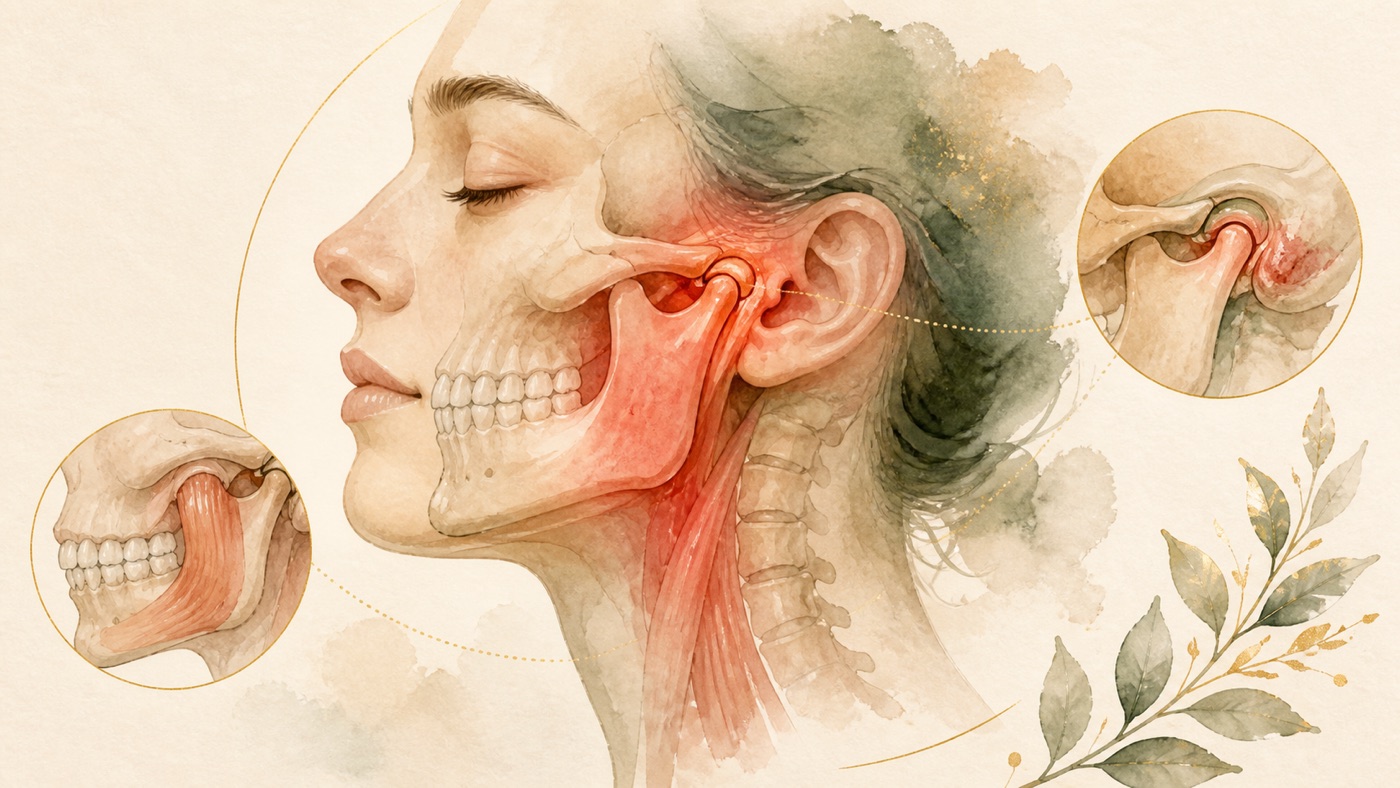
What happens when the temporomandibular joint (TMJ) is a problem? When should I seek care?|證據鏈
本頁是〈What happens when the temporomandibular joint (TMJ) is a problem? When should I seek care?〉的事實單元帳:每一條主張對應的來源、證據等級、地域與期間、原文引句與限制,逐條攤開。
What happens when the temporomandibular joint (TMJ) is a problem? When should I seek care?|證據鏈
F-Units (fact ledger)
- F1 | Topic-selection basis = a full reconciliation of GSC data from 14 clinic sites. This topic is in section 3, clinic-topic additions (not the primary queue of 50 topics), of the production queue; query 「三、診所補題」 has 2,312 impressions, and the placement evidence is 1 Fenghua United Clinic | source #24 | confidence=high | basis=internal_dataset | period=GSC retention window (from 2025-03-22) | geo: TW | caveat: impressions are an attribute-level figure, not deduplicated traffic; this is internal data, not a medical claim, and the full item will be removed during publication conversion. Placement evidence supports 1 clinic; do not add or remove one.
- F2 [structural synthesis] | The terminology-disambiguation structure (TMJ as anatomy and TMD as a disorder group), three-level triage framework (seek care immediately / arrange a prompt appointment / arrange a routine assessment), rule not to interchange classification terms from different sources, denominator labels for each prevalence set, statement of red-flag completeness, and division of work with KM-DENTAL-C12/33/50/05/C01 are the site's care-communication structure compiled from F3 through F26 | source #26 | confidence=n/a | basis=editorial_framework | period=2026-08-06 | geo: universal | caveat: not a diagnostic tool or clinical classification and must not be labelled a claim awaiting verification; contains no effectiveness or time-course assertion. This entire card gives no self-treatment technique, drug name, dose, or diagnostic cut-off.
- F3 | Textbook entry (temporomandibular syndrome): TMD is a group of conditions involving the orofacial region, divided into those affecting masticatory muscles and those affecting the TMJ; typical features are TMJ pain, restricted mandibular movement, and TMJ sounds. The TMJ is a ginglymoarthrodial joint formed by the glenoid fossa of the temporal bone and the mandibular condyle; an articular disc separates it into two synovial cavities with distinctive movement patterns | source #1 | confidence=verified | basis=textbook (PMID 31869076, StatPearls entry, 2023-01-30 version) | period=entry version 2026-01; retrieved 2026-08-06; esummary pubtype Study Guide, no Retracted Publication | geo: universal | span: 「Temporomandibular disorder (TMD) refers to a group of conditions involving the orofacial region, divided into those affecting the masticatory muscles and those affecting the temporomandibular joint (TMJ)」「Typical features include TMJ pain, restricted mandibular movement, and TMJ sounds」「The temporomandibular joint (TMJ) is a ginglymoarthrodial joint formed by the glenoid fossa of the temporal bone and the mandibular condyle」「An articular disc separates the joint into 2 synovial cavities with distinctive movement patterns」| caveat: textbook level (lower in the basis hierarchy), not a systematic review. This card cites only terminology definitions and classification descriptions, not incidence, effectiveness, or prognosis figures. Its masticatory-muscle/TMJ classification comes from a different source from F5 myogenous/arthrogenous and F11 pain-related/intra-articular terms and must not be interchanged or merged.
- F4 | Textbook entry (head and neck anatomy: TMJ): the stomatognathic system comprises anatomical structures responsible for opening the mouth, swallowing, breathing, phonation, sucking, and multiple facial expressions; dysfunction or pathology can lead to pain, limited jaw movement, and impaired quality of life | source #2 | confidence=verified | basis=textbook (PMID 30860721, StatPearls entry, 2025-09-08 version) | period=entry version 2026-01; retrieved 2026-08-06; pubtype Study Guide, no Retracted Publication | geo: universal | span: 「The stomatognathic system comprises various anatomical structures responsible for mouth opening, swallowing, breathing, phonation, sucking, and multiple facial expressions」「Dysfunction or pathology of this structure can lead to pain, limited jaw movement, and impaired quality of life」| caveat: textbook level. This is a general statement, not epidemiology or prognosis, and must not be read as “symptoms always impair quality of life.”
- F5 | Cochrane systematic review background classification (occlusal interventions for TMD): TMD may occur in muscles only (myogenous), joints only (arthrogenous), or both (mixed), and may affect one or both sides; myogenous TMD may occur with or without limited mouth opening; arthrogenous TMD may present with disc displacement with or without reduction, where “reduction” means the disc returns to its normal position during mandibular movement | source #3 | confidence=verified | basis=peer_reviewed (PMID 39282765, Cochrane systematic review CD012850.pub2) | period=2024 (searched to 2022-08-09); version chain and retraction check completed—on 2026-08-06, a PubMed search for CD012850 returned only this 1 paper; pubtype was Journal Article / Meta-Analysis / Systematic Review, with no Retracted Publication and no WITHDRAWN in the title. This is the current replacement for the two withdrawn reviews in F25 | geo: universal | span: 「TMD may present in muscles only (myogenous), joints only (arthrogenous), or both (mixed), and may affect one side or both sides of the face」「Myogenous TMD may present with or without limited mouth opening」「Arthrogenous TMD may present as disc displacement with or without reduction」| caveat: background terminology and classification, not comparative results; this card does not turn it into a self-matching checklist.
- F6 | Definition of the interventions in the same review: occlusal interventions change the occlusal relationship of maxillary and mandibular teeth to improve tooth-contact alignment, aiming to relieve pain and improve psychosocial functioning and quality of life. They include splints and occlusal adjustment; splints are specially designed mouth guards generally classified as stabilisation, reflex, or repositioning, and adjustment is grinding down teeth to improve occlusion | source #3 | confidence=verified | basis=peer_reviewed (PMID 39282765) | period=2024 | geo: universal | span: 「Occlusal interventions change the occlusal relationship of maxillary and mandibular teeth to improve the alignment of the tooth contact, with the aim of relieving pain, and improving psychosocial functioning and quality of life」「Occlusal splints are specially designed mouth guards; they are generally classified as stabilisation, reflex or repositioning splints. Occlusal adjustment is the grinding down of teeth to improve occlusion」| caveat: terminology definition, not an indication or effectiveness statement. “Grinding down teeth” is the source's wording; this card calls the intervention irreversible only in the physical sense that removed tooth material cannot be restored, not as a judgment of clinical appropriateness.
- F7 | Results and conclusion of the same review: 57 studies and 2846 participants compared splints with no treatment, placebo, or another treatment; only 1 study was at low risk of bias. Study duration was 5 weeks to 84 months, and key outcomes were measured between 4.4 weeks and 4 months. Certainty was very low for all comparisons and outcomes; no study reported discomfort or recurrence rate. The authors concluded that results are inconclusive, questions remain unanswered, and evidence is insufficient to conclude on effectiveness of occlusal interventions for TMD symptoms despite almost 3000 participants | source #3 | confidence=verified | basis=peer_reviewed (PMID 39282765) | period=2024 (searched to 2022-08-09) | geo: universal | span: 「We included 57 studies (2846 participants) that compared occlusal splints with no treatment, placebo, or another treatment」「We judged only one study to be at low risk of bias」「Our key outcomes of interest were self-reported joint pain when chewing, muscle pain at rest and when chewing, discomfort, severity and frequency of joint noise, and recurrence rate」「The duration of the studies ranged from 5 weeks to 84 months. The key results presented below were measured between 4.4 weeks and 4 months」「It is important to note that we have very low certainty in the evidence for all comparisons and outcomes assessed」「Discomfort and recurrence rate were not reported in any study」「the final results are inconclusive, so the research questions remain unanswered」「Overall, we found insufficient evidence to reach conclusions regarding the effectiveness of occlusal interventions for managing symptoms of TMD, despite the available studies including almost 3000 participants」| caveat: “insufficient evidence to reach a conclusion” is neither “proven ineffective” nor “effective.” The body marks this distinction throughout. Individual comparisons had differing directions (some may reduce muscle pain on chewing, some may show no difference), all with very low certainty; they are not listed item by item to avoid an apparent effectiveness ranking.
- F8 | Systematic review and meta-analysis (TMJ disorders in the general population): 21 studies from 2741 articles, all diagnosed with RDC/TMD or DC/TMD; Joanna Briggs Institute risk-of-bias assessment found 10 low-, 7 moderate-, and 4 high-risk studies. Overall prevalence in adults/older people was TMJD 31.1%, disc displacement 19.1%, and degenerative joint disease 9.8%; in children/adolescents, 11.3%, 8.3%, and 0.4%. Disc displacement with reduction was most prevalent: 25.9% in adults/older people and 7.4% in children/adolescents. Diagnoses included arthralgia, the disc-displacement categories, degenerative joint disease, osteoarthritis, osteoarthrosis, and subluxation | source #4 | confidence=verified | basis=peer_reviewed (PMID 33409693, systematic review and meta-analysis) | period=2021; retrieved 2026-08-06 | geo: universal | span: 「From 2741 articles, 21 were included」「The TMJD investigated were as follows: arthralgia, disk displacement (DDs) with reduction (DDwR), DDwR with intermittent locking, DDs without reduction (DDwoR) with limited opening, DDwoR without limited opening, degenerative joint disease (DJD), osteoarthritis, osteoarthrosis, and subluxation」「The main results from prevalence overall meta-analyses for adults/elderly are as follows: TMJD (31.1%), DDs (19.1%), and DJD (9.8%)」「Furthermore, for children/adolescents are as follows: TMJD (11.3%), DDs (8.3%), and DJD (0.4%)」「the most prevalent TMJD is DDwR for adults/elderly (25.9%) and children/adolescents (7.4%)」| caveat: its case definition is limited to articular TMJD, unlike F9's TMD definition including muscle involvement; do not compare or add the figures. Prevalence is a population-level measure, not an individual probability.
- F9 | Systematic review and meta-analysis (global TMD prevalence): searched to 2024-06; diagnosis used RDC/TMD or DC/TMD; from 15,628 records, 27 studies and 20,971 participants were selected, including 6075 diagnosed with TMD; all used random-effects models. It estimates nearly one-third of the global population (29.5%) has TMD; females were higher than males (36.7% versus 26.7%); common signs/symptoms were myalgia 37.2%, clicking/joint sounds 29.8%, arthralgia 16.8%, and limited opening/locking 8.1%. The authors call TMD a “silent epidemic” and say more primary studies are needed | source #5 | confidence=verified | basis=peer_reviewed (PMID 41070533, systematic review and meta-analysis, PROSPERO CRD42024583777) | period=2025; retrieved 2026-08-06 | geo: universal | span: 「27 studies involving 20,971 subjects, including 6075 diagnosed with TMDs, were selected for final analysis」「It is estimated that nearly a third of the global population (29.5%) suffers from TMDs」「TMDs affected females at a significantly higher rate compared to males (36.7% versus 26.7%)」「The most frequently reported signs and symptoms of TMDs are myalgia (37.2%), clicking/joint sounds (29.8%), and arthralgia (16.8%), with limited mouth opening/locking being the least prevalent (8.1%)」「TMDs might constitute a silent epidemic」| caveat: “silent epidemic” is the authors' phrase, not this site's judgment. The abstract does not define denominators for the 37.2% / 29.8% / 16.8% / 8.1% sign/symptom set; myalgia 37.2% also exceeds the 29.5% overall estimate, showing they are not the same denominator. The body states that ambiguity and does not calculate personal probability or add/subtract them from the overall figure; prevalence is population-level, not individual probability.
- F10 | Review article (anatomy and clinical relevance of TMJ sounds): clicking and crepitation are common TMD-associated findings that often concern patients. The article aims to support a conservative, evidence-based clinical assessment, recognising most sounds as benign and self-limiting while accurately diagnosing sounds suggestive of internal derangement or degenerative change | source #6 | confidence=verified | basis=peer_reviewed (PMID 42345109, review article) | period=2026; retrieved 2026-08-06; pubtype Journal Article / Review, no Retracted Publication | geo: universal | span: 「Joint sounds, such as clicking and crepitation, are among the most common clinical findings associated with temporomandibular disorders (TMDs) and frequently cause patient concern」「to help clinicians adopt a conservative, evidence-based approach to the assessment of joint sounds, recognising that most are benign and self-limiting, while ensuring accurate diagnosis of sounds suggestive of internal derangement or degenerative change」| caveat: a narrative, not systematic, review. “Most are benign and self-limiting” describes a group, not any individual joint. Its same sentence requires identifying sounds suggestive of internal derangement or degeneration; both halves are presented together in the body. “Internal derangement” is this source's term and is not interchanged with F5, F8, or F11 classification language.
- F11 | International consensus document (DC/TMD, proposed by the International RDC/TMD Consortium Network and the International Association for the Study of Pain's Orofacial Pain Special Interest Group): the recommended Axis I protocol includes a valid screener for any pain-related TMD, valid diagnostic criteria for common pain-related TMD (sensitivity ≥ 0.86, specificity ≥ 0.98), and for one intra-articular disorder (sensitivity 0.80, specificity 0.97). Criteria for other common intra-articular disorders lack adequate validity for clinical diagnosis but can be used for screening | source #7 | confidence=verified | basis=clinical_guideline (PMID 24482784, international consensus recommendation) | period=2014; retrieved 2026-08-06 | geo: universal | span: 「The newly recommended Diagnostic Criteria for TMD (DC/TMD) Axis I protocol includes both a valid screener for detecting any pain-related TMD as well as valid diagnostic criteria for differentiating the most common pain-related TMD (sensitivity ≥ 0.86, specificity ≥ 0.98) and for one intra-articular disorder (sensitivity of 0.80 and specificity of 0.97)」「Diagnostic criteria for other common intra-articular disorders lack adequate validity for clinical diagnoses but can be used for screening purposes」| caveat: cited for its existence and validity boundary only; no cut-off, question item, or classification workflow is given because self-matching is prohibited in this card. This is the 2014 version; later revisions and simplified versions (such as primary-care criteria) were not individually verified here, so the card does not claim that it is current or that no other version exists. Its pain-related/intra-articular terms are not interchanged with F3 or F5.
- F12 | Systematic review and network meta-analysis (management of chronic TMD pain): searched to 2021-05 and again in 2023-01; 233 trials were eligible, and the network meta-analysis enrolled 8713 participants across 59 interventions/combinations; certainty was assessed with GRADE. Restricted to moderate- or high-certainty evidence, interventions promoting coping and encouraging movement and activity were more effective for chronic TMD pain. Eight interventions had high- to moderate-certainty pain evidence. “Usual care” was one intervention in the network comparison, not a control group, and examples included home exercise, self-stretching, and reassurance. Evidence for other interventions' pain relief/physical function and all adverse-event evidence was low or very low certainty | source #8 | confidence=verified | basis=peer_reviewed (PMID 38101924, systematic review and network meta-analysis, PROSPERO CRD42021258567; PubMed also records a 2024 correction, BMJ 2024;384:q253. This card did not obtain the correction text and therefore cites no individual effect-size figure from this paper) | period=2023; retrieved 2026-08-06 | geo: universal | span: 「233 trials proved eligible for review」「enrolling 8713 participants and exploring 59 interventions」「Effects on pain for eight interventions were supported by high to moderate certainty evidence」「When restricted to moderate or high certainty evidence, interventions that promote coping and encourage movement and activity were found to be most effective for reducing chronic TMD pain」「usual care (such as home exercises, self stretching, reassurance)」「The evidence for pain relief or physical functioning among other interventions, and all evidence for adverse events, was low or very low certainty」| caveat: no individual effect size or ranking is cited: the paper has a correction whose text was not obtained, and a ranking would give readers a self-selected treatment menu, contrary to this card's boundary. “Usual care” belongs to a clinical-care context and must not be converted into self-operation instructions.
- F13 | Cochrane systematic review (psychological therapies for painful TMD): participants were aged 12 or older with pain lasting more than 3 months; searched to 2021-10-21; 22 randomised trials and 2001 participants, 12 entering meta-analysis; overall risk of bias was high and certainty low to very low. Low-certainty evidence suggests CBT may reduce pain intensity more than alternative therapy/control at longest follow-up, but not at treatment completion; overall evidence is insufficient for a reliable judgment on effectiveness. Adverse-event data were too sparse for a clear conclusion | source #9 | confidence=verified | basis=peer_reviewed (PMID 35951347, Cochrane systematic review CD013515.pub2) | period=2022; version chain checked—on 2026-08-06, a search for Cochrane Database Syst Rev[Journal] AND temporomandibular[Title] returned 16 records. This was the current psychological-therapy version, with no Retracted Publication pubtype and no WITHDRAWN in its title | geo: universal | span: 「We identified 22 RCTs (2001 participants), carried out between 1967 and 2021」「There is low-certainty evidence that CBT may reduce pain intensity more than alternative treatments or control when measured at longest follow-up, but not at treatment completion」「Overall, we found insufficient evidence on which to base a reliable judgement about the efficacy of psychological therapies for painful TMD」| caveat: including psychological therapy in chronic-pain care does not attribute symptoms to personality or emotion; the body states that distinction. The review did not assess non-painful TMD or people younger than 12.
- F14 | Systematic review (association studies of TMD and dental occlusion): 25 papers, 10 with multivariable analysis; quality assessment identified possible limitations such as unclear population representativeness. Findings consistently pointed to a lack of clinically relevant association between TMD and dental occlusion. Of almost 40 occlusal features, only 2 were associated with TMD in most univariable analyses and only 1 in most multivariable analyses. The authors explicitly say association does not imply causation and may have the reverse implication—interferences may be consequence, not cause, of TMD—and encourage clinicians to abandon the old occlusal-school paradigm | source #10 | confidence=verified | basis=peer_reviewed (PMID 28600812, systematic review) | period=2017; currency checked—on 2026-08-06, an occlusion[Title] AND temporomandibular[Title] AND (systematic review[pt] OR meta-analysis[pt]) search returned 2 records (this paper and a 2004 paper), with no newer same-topic systematic review found | geo: universal | span: 「Findings are quite consistent towards a lack of clinically relevant association between TMD and dental occlusion」「Such association does not imply a causal relationship and may even have opposite implications than commonly believed (i.e., interferences being the result, and not the cause, of TMD)」「The search accounted for 25 papers included in the review, 10 of which with multiple variable analysis」「Only two (i.e., centric relation [CR]-maximum intercuspation [MI] slide and mediotrusive interferences) of the almost forty occlusion features evaluated in the various studies were associated with TMD in the majority (e.g., at least 50%) of single variable analyses in patient populations. Only mediotrusive interferences are associated with TMD in the majority of multiple variable analyses」| caveat: “no clinically relevant association” is a population-study interpretation; it does not mean an individual person's occlusion is unrelated to their symptoms. The card uses it to recommend neither accepting nor rejecting any occlusion-related intervention.
- F15 | Systematic review and meta-analysis (TMD and orthodontic-treatment history): searched to 2025-03; 5 studies, including 2 prospective cohorts, 2 case-control studies, and 1 cross-sectional study, with 6971 people; GRADE assessed certainty. The pooled result found no statistically significant association (I2 = 71%, odds ratio 1.12, 95% confidence interval 0.67 to 1.89, P = .66) and certainty was very low | source #11 | confidence=verified | basis=peer_reviewed (PMID 42410842, systematic review and meta-analysis) | period=2026; retrieved 2026-08-06; pubtype no Retracted Publication | geo: universal | span: 「The results of the Meta-analysis showed that there was no statistically significant correlation between TMDs and the history of orthodontic treatment (I2 = 71%, odds ratio = 1.12, 95% confidence interval = 0.67 to 1.89, P = .66)」「The total sample size comprised 6971 people」「The evaluation result of the certainty of evidence was of very low quality」| caveat: a confidence interval crossing 1 has not excluded no difference; “not statistically significant” does not mean “proven unrelated.” With very low certainty and I2 = 71% heterogeneity, the card reaches no conclusion in either direction. This is a summary of association studies and cannot establish causation.
- F16 | Systematic review (prevalence of chronic-pain comorbidities in patients with TMD): 9 eligible prevalence studies and no eligible incidence study; 8 examined chronic-pain comorbidity, with pooled estimates weighted by sample size. High weighted prevalence across studies included current chronic back pain 66%, myofascial syndrome 50%, chronic stomach pain 50%, chronic migraine headache 40%, irritable bowel syndrome 19%, and fibromyalgia 14%; one study assessed psychiatric disorders and found current depression at 17.5% | source #12 | confidence=verified | basis=peer_reviewed (PMID 34952681, systematic review) | period=2022; retrieved 2026-08-06 | geo: universal | span: 「A total of 9 prevalence studies and no incidence studies were eligible for review」「Weighted estimates showed high prevalence of pain comorbidities across studies, including current chronic back pain (66%), myofascial syndrome (50%), chronic stomach pain (50%), chronic migraine headache (40%), irritable bowel syndrome (19%), and fibromyalgia (14%)」「A single study examined psychiatric disorders and found that current depression was the most prevalent disorder identified (17.5%)」| caveat: the denominator is people with TMD (often care-seeking populations), not the general population. Comorbidity does not imply causal direction and must not be read as TMD causing back pain or depression. With no incidence study, temporal sequence cannot be stated.
- F17 | Textbook entry (giant cell arteritis / temporal arteritis): chronic inflammatory vasculitis predominantly affecting large- and medium-sized arteries in people older than 50. Presentation ranges from cranial involvement (constitutional symptoms, headache, jaw claudication, and positive temporal-artery biopsy) to large-vessel involvement; vision loss is a serious complication, chiefly transient monocular visual loss, requiring early recognition and treatment | source #13 | confidence=verified | basis=textbook (PMID 29083688, StatPearls entry, 2024-05-02 version) | period=entry version 2026-01; retrieved 2026-08-06 | geo: universal | span: 「Giant cell arteritis (GCA) is a chronic inflammatory vasculitis that predominantly affects large- and medium-sized arteries in individuals older than 50」「cranial engagement evidenced by constitutional symptoms, headache, and jaw claudication」「Vision loss, a severe complication primarily manifesting as transient monocular visual loss, necessitates early recognition and treatment」| caveat: “jaw claudication” is the source's term; the abstract does not define its clinical details word for word, so this card does not expand the definition. The card cites neither treatment (including drug names) nor incidence figures from this entry.
- F18 | Prospective multicentre study (craniofacial pain as the sole symptom of cardiac ischemia): consecutively selected 186 people with verified cardiac ischemic episodes. Craniofacial pain can be the only symptom; failure to recognise a cardiac source can put life at risk. It was the sole complaint in 11 people (6%), including 3 with acute myocardial infarction; another 60 people (32%) had craniofacial pain alongside pain elsewhere. Common sites were the throat, left mandible, right mandible, left TMJ/ear region, and teeth. The authors conclude this must be considered in differential diagnosis of toothache and orofacial pain | source #14 | confidence=verified | basis=peer_reviewed (PMID 17197405, prospective multicentre study) | period=2007; **currency checked—on 2026-08-06, a search for (craniofacial pain[Title] OR orofacial pain[Title]) AND (cardiac[Title] OR ischemi*[Title] OR myocardial[Title]) returned 13 records. This was the prospective multicentre study in that set reporting the denominator and proportions; no newer same-topic study replacing it was found | geo: universal | span: 「Craniofacial pain can be the only symptom of cardiac ischemia. Failure to recognize its cardiac source can put the patient's life at risk」「prospectively selected consecutive patients (N = 186) who had had a verified cardiac ischemic episode」「Craniofacial pain was the only complaint during the ischemic episode in 11 patients (6 percent), three of them who had acute myocardial infarction (AMI)」「The most common craniofacial pain locations were the throat, left mandible, right mandible, left temporomandibular joint/ear region and teeth」「This must be considered in differential diagnosis of toothache and orofacial pain」| caveat: the original term is cardiac ischemia (insufficient cardiac blood flow), not psychogenic pain. It must never be translated or written as “psychogenic.”** The 6% denominator is people with verified cardiac ischemia, not people with jaw pain; do not reverse it. This is a single prospective study from 2007, not a systematic review. The card does not cite its sex-difference significance tests as an individual-risk claim.
- F19 | Textbook entry (deep neck infections): symptoms often arise from local pressure on respiratory, nervous, or gastrointestinal structures, including neck swelling, dysphagia, dysphonia, and trismus; clinical presentation often includes fever, neck pain, and respiratory distress. These infections can progress rapidly to life-threatening complications | source #15 | confidence=verified | basis=textbook (PMID 30020634, StatPearls entry, 2024-08-11 version) | period=entry version 2026-01; retrieved 2026-08-06 (this card independently re-retrieved and compared the abstract word for word; it did not reuse another card's self-report) | geo: universal | span: 「Symptoms often result from local pressure effects on the respiratory, nervous, or gastrointestinal tracts, including neck swelling, dysphagia, dysphonia, and trismus」「often involving fever, neck pain, and respiratory distress」「These infections can rapidly progress and lead to life-threatening complications」| caveat: textbook level. Deep neck infections are not limited to dental or joint causes. This card cites only its symptom list as a red-flag basis and adds neither incidence/prognosis figures nor signs not named by the source. Same anchor as KM-DENTAL-05/33/C01.
- F20 | Textbook entry (mandible fracture): facial fractures comprise a comparatively small proportion of emergency-department visits, and nasal and mandibular fractures are common among them. The mandible is a mobile ring-like bone often fractured in more than one place; fractures risk contamination with oral flora, may be complicated by teeth in the fracture line, and can sometimes compromise the airway | source #16 | confidence=verified | basis=textbook (PMID 29939527, StatPearls entry, 2023-07-31 version) | period=entry version 2026-01; retrieved 2026-08-06 | geo: universal | span: 「Facial fractures make up a comparatively small proportion of Emergency Department visits, but of these injuries, the most common are nasal and mandible fractures」「The mandible is a mobile, ring-like bone that frequently fractures in more than one location; these fractures are at risk for wound contamination with oral flora, may be complicated by teeth in the fracture line, and in some cases, can compromise the patient's airway」| caveat: the entry gives no timing recommendation for care after trauma. Putting post-trauma mandibular symptoms in the immediate-care level is this card's editorial judgment based on the airway risk it states, and the body identifies it as such. The card describes neither fracture assessment nor management.
- F21 | Textbook entry (trismus): trismus is restricted range of motion of the jaw; first described in tetanus, it now means restricted mouth opening due to any aetiology | source #17 | confidence=verified | basis=textbook (PMID 29630255, StatPearls entry, 2022-10-27 version) | period=entry version 2026-01; retrieved 2026-08-06 | geo: universal | span: 「Trismus refers to the restriction of the range of motion of the jaw」「it currently refers to restricted mouth opening due to any etiology」| caveat: this card cites only the definition. The entry abstract has a general statement about illness duration across all causes; it cannot be read as any individual's recovery timetable, so the card does not cite it. Limited opening is a manifestation, not a diagnosis, and its cause needs clinical examination.
- F22 | Systematic review (septic arthritis of the TMJ in adults; PRISMA conducted and PROSPERO registered; 37 studies and 91 patients): acute or chronic bacterial or fungal infection involving the TMJ space. Dominant signs and symptoms were pain and trismus, with fever infrequent; the conclusion calls it a serious infection requiring early empiric antibiotics | source #18 | confidence=verified | basis=peer_reviewed (PMID 34628098, systematic review) | period=2022; retrieved 2026-08-06 | geo: universal | span: 「Septic arthritis of the temporomandibular joint (SATMJ) is acute or chronic bacterial or fungal infection involving temporomandibular joint (TMJ) space」「In total 37 studies with 91 patients were included in the review. Dominant signs and symptoms of SATMJ were pain and trismus, while fever was infrequent」「The SATMJ is serious infection that requires early empiric administration of antibiotics」| caveat: this card cites no antibiotic type, dose, course, or operative re-intervention rate (drug and management choices belong to clinical care). The abstract has a mortality statement about septic arthritis of joints throughout the body, not specifically the TMJ; because its scope is ambiguous, this card does not cite it. Only 91 patients were included; this rare-condition summary is not a risk estimate for ordinary TMD symptoms.
- F23 | Case report (maxillary sinus carcinoma, with toothache and TMD-like symptoms as red flags): a person with left maxillary molar pain unresponsive to standard dental treatment had imaging showing an aggressive maxillary-sinus lesion with bone destruction, soft-tissue invasion, and restricted diffusion, suggesting malignancy; it was confirmed as maxillary sinus carcinoma. The paper highlights diagnostic challenges from nonspecific TMD-like symptoms and the importance of recognising red flags that prompt cross-sectional imaging and specialist referral | source #19 | confidence=verified | basis=peer_reviewed (PMID 42366051, case report; evidence level is one case) | period=2026; retrieved 2026-08-06 | geo: universal | span: 「A case of a patient with left maxillary molar pain unresponsive to standard dental treatment is presented」「This case highlights the diagnostic challenges associated with nonspecific temporomandibular disorder-like symptoms and emphasizes the importance of recognizing red flags as prompts for cross-sectional imaging and specialist referral」| caveat: one case report is not incidence, and treatment non-response must not be read as malignancy. The card's use is limited to reassessing the diagnosis when standard treatment does not work or presentation is atypical; it cites no epidemiological figure.
- F24 | Clinical guideline (Japanese Society for the Temporomandibular Joint, 2023 initial-treatment guideline for TMD): intended to make evidence-based clinical practice guidelines for general practitioners who do not specialise in TMD. It used systematic review, network meta-analysis, and GRADE certainty assessment; included randomised trials published from January 2000 to December 2020, DC/TMD-diagnosed patients, muscle pain, arthralgia, and maximal mouth opening as outcomes, and 12 treatments. Self-administered mouth-opening exercises, stabilisation-type oral appliances, and low-level laser therapy were described as effective primary treatments, but evidence was graded very low (Grade 2D); recommendations used modified Delphi consensus | source #20 | confidence=verified | basis=clinical_guideline (PMID 40399068, practice guideline) | period=published 2025 (2023-edition guideline); retrieved 2026-08-06 | geo: universal | span: 「This guideline aimed to make evidence-based clinical practice guidelines for the primary treatment of temporomandibular disorders (TMDs) for general practitioners who do not specialize in TMD」「Randomized controlled trials published between January 2000 and December 2020 were included」「Myalgia, arthralgia, and maximal mouth opening were selected as outcomes, and 12 treatments were included in the NMA」「Self-administered mouth opening exercises, stabilization-type oral appliances, and low-level laser therapy (LLLT) were recognized as effective primary treatments」「although the evidence level was graded as」| caveat: this is a clinical guideline from a Japanese society, not a statement about Japanese or Taiwan insurance. Do not rewrite it as the reader's country system in any translation. The source's word “effective” is retained as source wording, not this site's effectiveness judgment; the same sentence states very low evidence. Names of interventions, including self-administered opening exercises, are retained only here for traceability; the body and FAQ never present them as reader-performed instructions because clinicians give and teach them after diagnosis. In its dental context (prosthodontic journal, TMJ society, patients diagnosed by DC/TMD), this card understands “general practitioners” as general-practice dentists who do not specialise in TMD; that is editorial interpretation, not a verbatim source term.
- F25 [withdrawn-publication record, not evidence] | Two early Cochrane reviews—stabilisation splint therapy for temporomandibular pain dysfunction syndrome and occlusal adjustment for treating/preventing TMD—were withdrawn by the Cochrane Oral Health Group in Issue 1, 2016 because they were out of date and did not meet current Cochrane methodological standards; they were to be superseded by a new Cochrane review on occlusal interventions for TMD | source #21 | confidence=verified | basis=withdrawn_publication/not_evidence (PMID 26727210 and PMID 26727292; both titles include WITHDRAWN) | period=withdrawn 2016; retrieved 2026-08-06 | geo: universal | span: 「The Cochrane Oral Health Group withdrew this review as of Issue 1, 2016. The review is out of date and does not meet current Cochrane methodological standards. It will be superseded by a new Cochrane review on Occlusal interventions for managing temporomandibular disorders」| caveat: withdrawn publications must not be clinical evidence. This record only documents how evidence status changed; their replacement is the 2024 review in F5 through F7. Any online information still relying on their 2004/2003 conclusions is not current evidence.
- F26 | Systematic review and meta-analysis (TMD and tinnitus): searched from database inception to 2026-01; 34 observational studies (27 cross-sectional, 5 case-control, 3 cohort), 47,349 participants; Newcastle-Ottawa Scale assessed quality, with about one-third of cross-sectional studies fair or poor. Pooled tinnitus prevalence in TMD patients was 31.8% (95% CI 24.2–40.5), and pooled TMD prevalence in tinnitus patients was 63.4% (95% CI 46.5–77.6). Comparative studies associated TMD diagnosis with higher odds of tinnitus (OR = 3.924; 95% CI 2.636–5.841). The authors state that observational design prevents temporal or causal inference, heterogeneity was high, and many studies relied on self-reported tinnitus | source #22 | confidence=verified | basis=peer_reviewed (PMID 41721285, systematic review and meta-analysis, PROSPERO CRD42024616120) | period=2026; retrieved 2026-08-06; pubtype no Retracted Publication | geo: universal | span: 「Thirty-four observational studies (27 cross-sectional, 5 case-control, and 3 cohort studies) involving 47,349 participants were included」「The estimated pooled prevalence of tinnitus in patients with TMDs was 31.8% (95% CI, 24.2–40.5)」「In comparative studies, TMD diagnosis was associated with higher odds of tinnitus compared with controls (OR = 3.924; 95% CI, 2.636–5.841)」「This meta-analysis indicates a consistent association between temporomandibular disorders and tinnitus」「The findings are limited by the observational nature of the included studies, which prevents establishing a temporal sequence or causal link」| caveat: association is not causation; the study did not assess whether any treatment improves tinnitus. This card therefore makes no claim that treating the joint improves tinnitus. The prevalence denominators are TMD patients and tinnitus patients, not the general population.
- F27 | Article 87, paragraph 2 of Taiwan's Medical Care Act: publication of medical knowledge or research reports, patient health education, and academic publications that do not solicit medical business are not deemed medical advertisements | source #23 | confidence=verified (tested 200 and matched word for word on 2026-08-05; reused across cards; same anchor in this site's fact-check register) | basis=law | period=current provision | geo: TW | caveat: basis for this card's publishing status under Taiwan's system, not a medical fact; readers elsewhere should follow the rules that apply where they are.
- F28 [structural synthesis] | Statement on red-flag completeness and search gaps: this card's red flags are limited to the six sources that individually list giant cell arteritis (F17), craniofacial pain from cardiac ischemia (F18), deep neck infection (F19), mandible fracture (F20), septic TMJ arthritis (F22), and a malignant-tumour case report with TMD-like symptoms (F23); signs not listed by the sources are not added. On 2026-08-06, the site searched PubMed E-utilities: (1) `(red flag*[Title]) AND (orofacial[Title/Abstract] OR temporomandibular[Title/Abstract] OR facial pain[Title/Abstract])` returned 3 records, including 1 guidance-style article on differential diagnosis/red flags in orofacial disease (PMID 33712778), but its abstract listed no specific flag and its full text could not be retrieved locally, so it is not cited under the rule against quoting inaccessible full text; (2) `temporomandibular[Title] AND (natural course[Title] OR natural history[Title] OR longitudinal[Title])` returned 88 records; after reviewing the first 15, no citable systematic review of natural course of general-population TMD symptoms was found, so this card gives no “how long until better” statement; (3) `(joint sound*[Title] OR clicking[Title]) AND temporomandibular[Title] AND (systematic review[pt] OR meta-analysis[pt])` returned 0 records, so prognosis of joint sounds can only use F10's narrative review, whose level is stated | source #26 | confidence=n/a | basis=editorial_framework | period=2026-08-06 | geo: universal | caveat: the search was limited to PubMed and the strings above. “Not obtained” does not mean “disproved”; this is an editorial statement and must not be labelled a claim awaiting verification.
Source list
All access dates are 2026-08-06. PubMed entries were retrieved with E-utilities efetch and compared word for word against the abstract. This card used no verbatim quotation from paywalled full text.
- Maini K, Dua A. Temporomandibular Syndrome. StatPearls. Treasure Island (FL): StatPearls Publishing. PMID 31869076
- Bordoni B, Brizuela M. Anatomy, Head and Neck, Temporomandibular Joint. StatPearls. Treasure Island (FL): StatPearls Publishing. PMID 30860721
- Singh BP, Singh N, Jayaraman S, et al. Occlusal interventions for managing temporomandibular disorders. Cochrane Database Syst Rev. 2024;9(9):CD012850. PMID 39282765
- Valesan LF, Da-Cas CD, Réus JC, et al. Prevalence of temporomandibular joint disorders: a systematic review and meta-analysis. Clin Oral Investig. 2021;25(2):441-453. PMID 33409693
- Alqutaibi AY, Alhammadi MS, Hamadallah HH, et al. Global prevalence of temporomandibular disorders: a systematic review and meta-analysis. J Oral Facial Pain Headache. 2025;39(2):48-65. PMID 41070533
- Al-Ani Z, Wilkie GD. The anatomy and clinical relevance of temporomandibular joint sounds. Prim Dent J. 2026;14(4):62-67. PMID 42345109
- Schiffman E, Ohrbach R, Truelove E, et al. Diagnostic Criteria for Temporomandibular Disorders (DC/TMD) for Clinical and Research Applications. J Oral Facial Pain Headache. 2014;28(1):6-27. PMID 24482784
- Yao L, Sadeghirad B, Li M, et al. Management of chronic pain secondary to temporomandibular disorders: a systematic review and network meta-analysis of randomised trials. BMJ. 2023;383:e076226. PMID 38101924
- Penlington C, Bowes C, Taylor G, et al. Psychological therapies for temporomandibular disorders (TMDs). Cochrane Database Syst Rev. 2022;8(8):CD013515. PMID 35951347
- Manfredini D, Lombardo L, Siciliani G. Temporomandibular disorders and dental occlusion. A systematic review of association studies: end of an era? J Oral Rehabil. 2017;44(11):908-923. PMID 28600812
- Lang X, Guo G, He Z. Correlation between temporomandibular disorders and the history of orthodontic treatment: A systematic review and meta-analysis. Medicine (Baltimore). 2026;105(27):e49626. PMID 42410842
- Kleykamp BA, Ferguson MC, McNicol E, et al. The prevalence of comorbid chronic pain conditions among patients with temporomandibular disorders: A systematic review. J Am Dent Assoc. 2022;153(3):241-250.e10. PMID 34952681
- Ameer MA, Vaqar S, Savadkar A, Khazaeni B. Giant Cell Arteritis (Temporal Arteritis). StatPearls. Treasure Island (FL): StatPearls Publishing. PMID 29083688
- Kreiner M, Okeson JP, Michelis V, Lujambio M, Isberg A. Craniofacial pain as the sole symptom of cardiac ischemia: a prospective multicenter study. J Am Dent Assoc. 2007;138(1):74-79. PMID 17197405
- Almuqamam M, Gonzalez FJ, Sharma S, Kondamudi NP. Deep Neck Infections. StatPearls. Treasure Island (FL): StatPearls Publishing. PMID 30020634
- Yuen HW, Hohman MH, Mazzoni T. Mandible Fracture. StatPearls. Treasure Island (FL): StatPearls Publishing. PMID 29939527
- Santiago-Rosado LM, Lewison CS. Trismus. StatPearls. Treasure Island (FL): StatPearls Publishing. PMID 29630255
- Jovanović M, Milosavljević M, Zdravković D, et al. Septic arthritis of the temporomandibular joint in adults: Systematic review. J Stomatol Oral Maxillofac Surg. 2022;123(4):465-472. PMID 34628098
- Ohtani R, Kawai-Ozasa K, Takizawa K, et al. Toothache and temporomandibular disorder-like symptoms as red flags for maxillary sinus carcinoma. J Oral Sci. 2026;68(3):184-187. PMID 42366051
- Ooi K, Nishiyama A, Yuasa H, et al. Clinical practice guidelines in primary treatment for temporomandibular disorders: The Japanese Society for the Temporomandibular Joint, 2023 edition. J Prosthodont Res. 2025;69(4):608-617. PMID 40399068
- Withdrawn-publication record (not evidence): WITHDRAWN: Stabilisation splint therapy for temporomandibular pain dysfunction syndrome. Cochrane Database Syst Rev. 2016;2016(1):CD002778. PMID 26727210; WITHDRAWN: Occlusal adjustment for treating and preventing temporomandibular joint disorders. Cochrane Database Syst Rev. 2016;2016(1):CD003812. PMID 26727292
- Alghamdi HA, Alwably AA, Alsaad FI, Alghamdi RJ, Faden A. Temporomandibular joint disorders and tinnitus: a systematic review and meta-analysis. BMC Oral Health. 2026;26(1):536. PMID 41721285
- Medical Care Act, Article 87 (Laws & Regulations Database of the Republic of China (Taiwan), official English translation)
- Internal data: “tmj” row, section 3, clinic-topic additions, of `km-production-queue.html` (impressions and placement clinic can be reconciled item by item)
- this site's cross-card fact-check register (same Medical Care Act Article 87 anchor)
- Editorial framework: this site's terminology-disambiguation structure, three-level triage structure, denominator-labelling rule, rule not to interchange classification terms, and statement of red-flag completeness/search gaps (no external source; labelled structural synthesis)
Internal citation chain
- Sudden jaw dislocation with inability to close (acute dislocation; management is not repeated here): My jaw suddenly dislocated and will not close. May I push it back myself? Which department should I see? (KM-DENTAL-C12)
- Pattern-based triage when the tooth itself hurts (the deep-neck-infection anchor is shared): What should I do about toothache? What does cavity pain feel like? (KM-DENTAL-33)
- Differentiating pain only when biting (cracked tooth and occlusion problems, not a joint source): Pain when biting: cracked tooth or bite problem? (KM-DENTAL-50)
- Three-level triage and red flags for gum swelling (shared F19 anchor): How can gum swelling pain ease quickly? When should I seek care? (KM-DENTAL-05)
- Wisdom-tooth-related limited opening and its triage (F19 and F21 anchors): Must wisdom teeth be extracted? Can two be extracted at once? (KM-DENTAL-C01)
FAQ
- My joint clicks. Does it definitely need treatment?
- **Clinical examination must answer that; this card cannot decide for you, and it does not advise using this answer to decide never to seek care.** The citable evidence is that a 2026 review describes joint sounds as a common TMD-related clinical finding that often worries patients, with most being benign and self-limiting; the same review also requires accurate diagnosis of sounds suggestive of internal derangement or degenerative change [F10]. The 2024 Cochrane review also rated evidence very uncertain for comparisons of splints for joint-sound severity and frequency [F7]. **So neither “a sound always needs treatment” nor “a sound can always be ignored” is supported by the literature** [F10][F7][F2].
- 関節がクリックするなら、必ず治療が必要ですか? — **この問いは臨床診察で答えるべきで、本カードは決められません。また、これを根拠に受診しないと決めることも勧めません。** 引用できる根拠は、2026 年レビューが関節音を TMD 関連のよくある臨床所見で患者を心配させやすく、多くは良性かつ自己限定的と記す一方、内部障害や変性変化を示す音を正確に診断すべきとすることです [F10]。2024 年 Cochrane の「スプリントによる関節音の重症度・頻度」の比較も、証拠は非常に不確実でした [F7]。**「音があれば必ず処置」と「音があれば必ず放置でよい」のどちらも、文献に支えられていません** [F10][F7][F2]。
- My joint clicks. Does it definitely need treatment? — **Clinical examination must answer that; this card cannot decide for you, and it does not advise using this answer to decide never to seek care.** The citable evidence is that a 2026 review describes joint sounds as a common TMD-related clinical finding that often worries patients, with most being benign and self-limiting; the same review also requires accurate diagnosis of sounds suggestive of internal derangement or degenerative change [F10]. The 2024 Cochrane review also rated evidence very uncertain for comparisons of splints for joint-sound severity and frequency [F7]. **So neither “a sound always needs treatment” nor “a sound can always be ignored” is supported by the literature** [F10][F7][F2].
- What is the difference between “TMJ” and “TMD”? What do I have?
- **TMJ is the joint's name; TMD is the name of a disorder group—you have a TMJ, and you may have TMD** [F3]. A textbook entry defines TMD as conditions affecting the orofacial region, divided into those affecting masticatory muscles and those affecting the TMJ, with typical features of joint pain, limited mandibular movement, and joint sounds [F3]. The classification language also differs by source (myogenous/arthrogenous/mixed; pain-related/intra-articular), and this card identifies each source rather than interchanging them [F5][F11][F2]. **The diagnosis name that applies to you requires clinical examination; this card does not make it** [F11][F2].
- 「TMJ」と「TMD」は何が違う? 私は何になっていますか? — **TMJ は関節の名称、TMD は障害(疾患群)の名称です。あなたには TMJ があり、TMD がある可能性があります** [F3]。教科書項目は TMD を口腔顔面領域に影響する状態の群とし、咀嚼筋に影響するものと顎関節に影響するものに分け、典型的な所見を関節痛、下顎運動制限、関節音とします [F3]。あなたがどの型かについては、出典ごとに分類語(筋肉性/関節性/混合型、疼痛関連/関節内)が異なり、本カードは出典を個別に示して交換を拒みます [F5][F11][F2]。**あなたに当てはまる診断名には臨床診察が必要で、本カードはそれを行いません** [F11][F2]。
- What is the difference between “TMJ” and “TMD”? What do I have? — **TMJ is the joint's name; TMD is the name of a disorder group—you have a TMJ, and you may have TMD** [F3]. A textbook entry defines TMD as conditions affecting the orofacial region, divided into those affecting masticatory muscles and those affecting the TMJ, with typical features of joint pain, limited mandibular movement, and joint sounds [F3]. The classification language also differs by source (myogenous/arthrogenous/mixed; pain-related/intra-articular), and this card identifies each source rather than interchanging them [F5][F11][F2]. **The diagnosis name that applies to you requires clinical examination; this card does not make it** [F11][F2].
- Is a mouth that suddenly “will not close” the same as one that “will not open”?
- **No; the care pathways differ.** **If your mouth opened and now will not close, do not push it back yourself; go immediately to an emergency department or a hospital with oral and maxillofacial surgery. If trauma, breathing difficulty, or swallowing difficulty is also present, call 119 in Taiwan** [F2]. Full information on acute dislocation is in KM-DENTAL-C12, **but that is for understanding afterward, not what to do right now**; this card does not repeat its management [F2]. **Inability to open** is defined as restricted jaw range of motion and can result from any cause [F21]—muscle [F5], joint [F8], or infection or trauma [F19][F20][F22]. Therefore: **have limited opening alone assessed promptly by a dentist; if fever, neck swelling, trouble swallowing, voice change, or respiratory distress accompanies it, seek care immediately** [F19][F21][F2].
- 急に「口が閉じない」と「口が開かない」は同じことですか? — **同じではなく、処置経路も異なります。** **今まさに口を開けた後に閉じないなら、自分で押し戻さず、直ちに救急外来または口腔顎顔面外科のある病院へ行ってください。外傷、呼吸困難、嚥下困難を伴う場合、台湾では 119 に通報してください** [F2]。急性脱臼の詳しい説明は KM-DENTAL-C12 にありますが、**これは後から理解するためで、今することではありません**。本カードはその処置を繰り返しません [F2]。**開口できないこと**は下顎可動域の制限で、どの原因でも起こり得ます [F21]。筋肉 [F5]、関節 [F8]、感染・外傷 [F19][F20][F22] の可能性があります。したがって、**単独の開口制限は早めに歯科医師の評価を受け、発熱、頸部腫脹、嚥下困難、声の変化、呼吸困難を伴えば直ちに受診してください** [F19][F21][F2]。
- Is a mouth that suddenly “will not close” the same as one that “will not open”? — **No; the care pathways differ.** **If your mouth opened and now will not close, do not push it back yourself; go immediately to an emergency department or a hospital with oral and maxillofacial surgery. If trauma, breathing difficulty, or swallowing difficulty is also present, call 119 in Taiwan** [F2]. Full information on acute dislocation is in KM-DENTAL-C12, **but that is for understanding afterward, not what to do right now**; this card does not repeat its management [F2]. **Inability to open** is defined as restricted jaw range of motion and can result from any cause [F21]—muscle [F5], joint [F8], or infection or trauma [F19][F20][F22]. Therefore: **have limited opening alone assessed promptly by a dentist; if fever, neck swelling, trouble swallowing, voice change, or respiratory distress accompanies it, seek care immediately** [F19][F21][F2].
Source anchors
- Maini K, Dua A. Temporomandibular Syndrome. StatPearls. Treasure Island (FL): StatPearls Publishing. PMID 31869076 · https://pubmed.ncbi.nlm.nih.gov/31869076/ · 在 IDAEO 的其他引用
- Bordoni B, Brizuela M. Anatomy, Head and Neck, Temporomandibular Joint. StatPearls. Treasure Island (FL): StatPearls Publishing. PMID 30860721 · https://pubmed.ncbi.nlm.nih.gov/30860721/ · 在 IDAEO 的其他引用
- Singh BP, Singh N, Jayaraman S, et al. Occlusal interventions for managing temporomandibular disorders. Cochrane Database Syst Rev. 2024;9(9):CD012850. PMID… · https://pubmed.ncbi.nlm.nih.gov/39282765/ · 在 IDAEO 的其他引用
- Valesan LF, Da-Cas CD, Réus JC, et al. Prevalence of temporomandibular joint disorders: a systematic review and meta-analysis. Clin Oral Investig.… · https://pubmed.ncbi.nlm.nih.gov/33409693/ · 在 IDAEO 的其他引用
- Alqutaibi AY, Alhammadi MS, Hamadallah HH, et al. Global prevalence of temporomandibular disorders: a systematic review and meta-analysis. J Oral Facial Pain… · https://pubmed.ncbi.nlm.nih.gov/41070533/ · 在 IDAEO 的其他引用
- Al-Ani Z, Wilkie GD. The anatomy and clinical relevance of temporomandibular joint sounds. Prim Dent J. 2026;14(4):62-67. PMID 42345109 · https://pubmed.ncbi.nlm.nih.gov/42345109/ · 在 IDAEO 的其他引用
- Schiffman E, Ohrbach R, Truelove E, et al. Diagnostic Criteria for Temporomandibular Disorders (DC/TMD) for Clinical and Research Applications. J Oral Facial… · https://pubmed.ncbi.nlm.nih.gov/24482784/ · 在 IDAEO 的其他引用
- Yao L, Sadeghirad B, Li M, et al. Management of chronic pain secondary to temporomandibular disorders: a systematic review and network meta-analysis of… · https://pubmed.ncbi.nlm.nih.gov/38101924/ · 在 IDAEO 的其他引用
- Penlington C, Bowes C, Taylor G, et al. Psychological therapies for temporomandibular disorders (TMDs). Cochrane Database Syst Rev. 2022;8(8):CD013515. PMID… · https://pubmed.ncbi.nlm.nih.gov/35951347/ · 在 IDAEO 的其他引用
- Manfredini D, Lombardo L, Siciliani G. Temporomandibular disorders and dental occlusion. A systematic review of association studies: end of an era? J Oral… · https://pubmed.ncbi.nlm.nih.gov/28600812/ · 在 IDAEO 的其他引用
- Lang X, Guo G, He Z. Correlation between temporomandibular disorders and the history of orthodontic treatment: A systematic review and meta-analysis.… · https://pubmed.ncbi.nlm.nih.gov/42410842/ · 在 IDAEO 的其他引用
- Kleykamp BA, Ferguson MC, McNicol E, et al. The prevalence of comorbid chronic pain conditions among patients with temporomandibular disorders: A systematic… · https://pubmed.ncbi.nlm.nih.gov/34952681/ · 在 IDAEO 的其他引用
- Ameer MA, Vaqar S, Savadkar A, Khazaeni B. Giant Cell Arteritis (Temporal Arteritis). StatPearls. Treasure Island (FL): StatPearls Publishing. PMID 29083688 · https://pubmed.ncbi.nlm.nih.gov/29083688/ · 在 IDAEO 的其他引用
- Kreiner M, Okeson JP, Michelis V, Lujambio M, Isberg A. Craniofacial pain as the sole symptom of cardiac ischemia: a prospective multicenter study. J Am Dent… · https://pubmed.ncbi.nlm.nih.gov/17197405/ · 在 IDAEO 的其他引用
- Almuqamam M, Gonzalez FJ, Sharma S, Kondamudi NP. Deep Neck Infections. StatPearls. Treasure Island (FL): StatPearls Publishing. PMID 30020634 · https://pubmed.ncbi.nlm.nih.gov/30020634/ · 在 IDAEO 的其他引用
- Yuen HW, Hohman MH, Mazzoni T. Mandible Fracture. StatPearls. Treasure Island (FL): StatPearls Publishing. PMID 29939527 · https://pubmed.ncbi.nlm.nih.gov/29939527/ · 在 IDAEO 的其他引用
- Santiago-Rosado LM, Lewison CS. Trismus. StatPearls. Treasure Island (FL): StatPearls Publishing. PMID 29630255 · https://pubmed.ncbi.nlm.nih.gov/29630255/ · 在 IDAEO 的其他引用
- Jovanović M, Milosavljević M, Zdravković D, et al. Septic arthritis of the temporomandibular joint in adults: Systematic review. J Stomatol Oral Maxillofac… · https://pubmed.ncbi.nlm.nih.gov/34628098/ · 在 IDAEO 的其他引用
- Ohtani R, Kawai-Ozasa K, Takizawa K, et al. Toothache and temporomandibular disorder-like symptoms as red flags for maxillary sinus carcinoma. J Oral Sci.… · https://pubmed.ncbi.nlm.nih.gov/42366051/ · 在 IDAEO 的其他引用
- Ooi K, Nishiyama A, Yuasa H, et al. Clinical practice guidelines in primary treatment for temporomandibular disorders: The Japanese Society for the… · https://pubmed.ncbi.nlm.nih.gov/40399068/ · 在 IDAEO 的其他引用
- Withdrawn record (not evidence; reason: out of date and does not meet current Cochrane methodological standards): WITHDRAWN: Stabilisation splint therapy for temporomandibular pain dysfunction syndrome. Cochrane Database Syst Rev. 2016;2016(1):CD002778. PMID… · https://pubmed.ncbi.nlm.nih.gov/26727210/ · 在 IDAEO 的其他引用
- Alghamdi HA, Alwably AA, Alsaad FI, Alghamdi RJ, Faden A. Temporomandibular joint disorders and tinnitus: a systematic review and meta-analysis. BMC Oral… · https://pubmed.ncbi.nlm.nih.gov/41721285/ · 在 IDAEO 的其他引用
- 醫療法 第 87 條(全國法規資料庫 · https://law.moj.gov.tw/LawClass/LawSingle.aspx?pcode=L0020021&flno=87 · 在 IDAEO 的其他引用
Cite this article
Lucy・《What happens when the temporomandibular joint (TMJ) is a problem? When should I seek care?|證據鏈》・IDAEO 知識庫・2026-08-13・https://km.idaeo.ai/post/reports/dental-tmj-tmd-symptoms-triage-evidenceUpdated 2026-08-27