

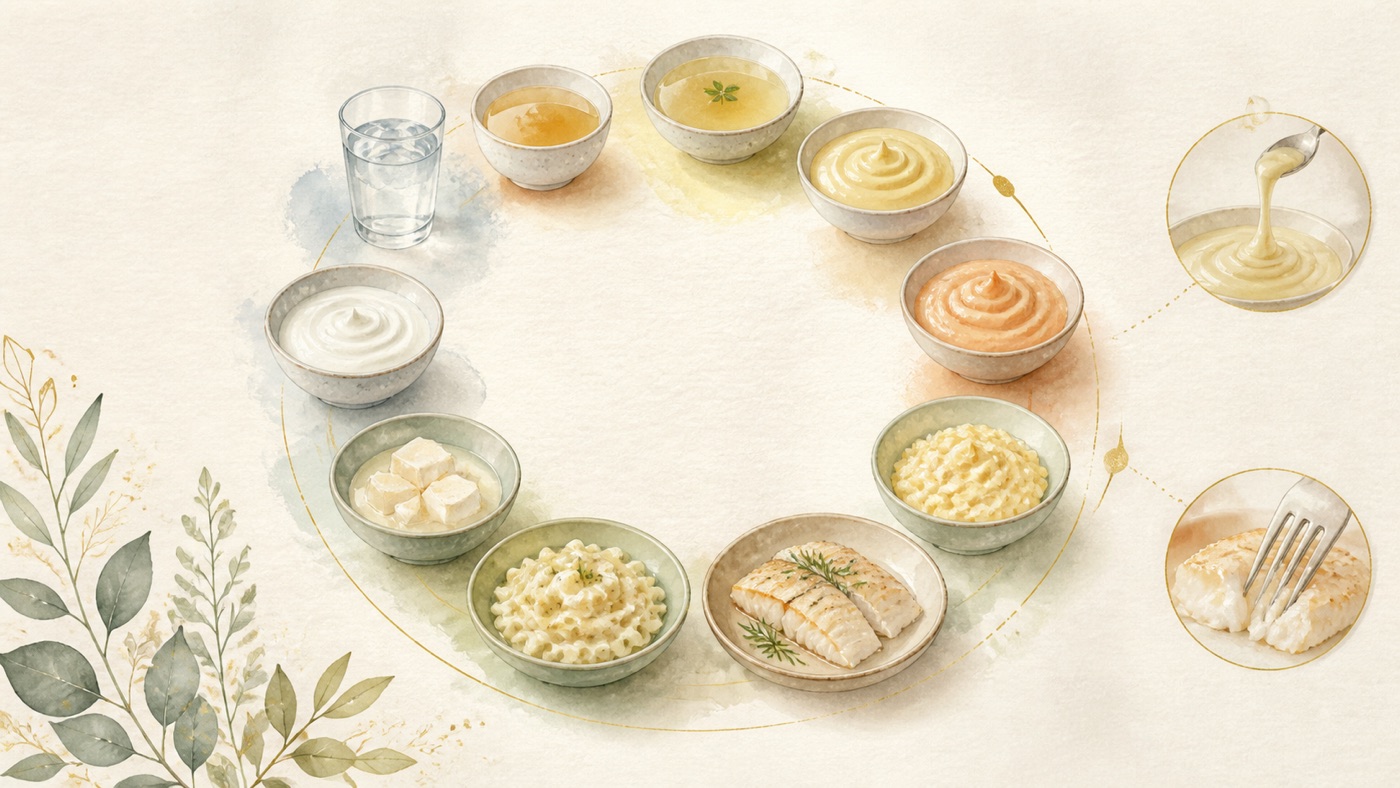
种植牙后多久能吃东西?咖啡和茶可以喝吗?|證據鏈
本頁是〈种植牙后多久能吃东西?咖啡和茶可以喝吗?〉的事實單元帳:每一條主張對應的來源、證據等級、地域與期間、原文引句與限制,逐條攤開。
种植牙后多久能吃东西?咖啡和茶可以喝吗?|證據鏈
F-Units(事实单元帐)
- F1|选题依据:横跨 14 个诊所站点完整核对 GSC;包括“种植牙后多久能吃东西”“种植牙后可以喝咖啡吗”等 13 个词项,在 4 个站点合计 160,673 次曝光|来源 #23|confidence=high|basis=internal_dataset|period=GSC 保留窗口(自 2025-03-22 起)|geo: TW|caveat:曝光是 property 层级数值,未去重为流量;内部数据,不是医学主张。
- F25|口腔外科最常见并发症为抗凝治疗病人的出血、免疫抑制病人的感染及服用抗骨吸收药物病人的骨坏死;水肿、疼痛和炎症亦常见|来源 #19|confidence=verified|basis=peer_reviewed(PMID 40952869,23 篇研究的系统性回顾)|period=2024|geo: universal|span:「The most prevalent complications in oral surgery are hemorrhage in anticoagulated patients, infections in immunosuppressed patients, and osteonecrosis in patients who take antiresorptive drugs」「Edema, pain, and inflammation are also common post-operative concerns」|caveat:高风险用药人群的口腔外科,不是种植牙专属;仅引用类别,不提供处理建议。
- F2|结构性编辑框架:麻木未消退/术后 24 至 48 小时/第 1 周/骨结合四阶段,用于组织 F3 至 F12 的沟通|来源 #24|confidence=n/a|basis=editorial_framework|period=2026-08-05|geo: universal|caveat:不是诊断工具或临床指引。
- F3|未使用逆转药物的对照组,软组织麻醉恢复中位数:下唇 155 分钟、舌 125 分钟、上唇 133 分钟|来源 #1|confidence=verified|basis=peer_reviewed(PMID 18682623,两项多中心随机双盲 III 期试验,484 名受试者)|period=2008|geo: universal|span:「Median recovery times in the lower lip and tongue for subjects in the sham group were 155 minutes and 125 minutes, respectively. Upper lip median recovery times were 50 minutes for subjects in the PM group and 133 minutes for subjects in the sham group」|caveat:含血管收缩剂局麻下的修复/预防处置,不是种植牙;只用于小时量级的持续时间。
- F4|缩短软组织麻醉时间可能减少下牙槽神经阻滞后的自伤|来源 #2|confidence=verified|basis=peer_reviewed(PMID 24654413,文献回顾)|period=2014|geo: universal|span:「would significantly reduce the duration of soft tissue anesthesia, and subsequently may reduce the incidence of the undesirable post-treatment self-inflicted injuries associated with inferior alveolar nerve block」|caveat:儿童回顾;原文为“may”,不可作成人定量推论。
- F5|每日 VAS 记录至第 1 周及第 14 天:单纯种植体植入与单纯拔牙相当;种植牙合并植骨前三天肿胀/瘀斑/镇痛药使用更高;一周并发症比例为合并植骨 20%、单纯种植牙 12.7%;两周内所有分数快速下降|来源 #3|confidence=verified|basis=peer_reviewed(PMID 26970296,比较研究,339 名病人)|period=2017|geo: universal|span:「implant placement with GBR (IGBR) resulted in significant higher level of swelling (AUC: Mean = 9.1) and bruising (Mean = 4.2) for the same period with also the highest use of painkillers」「Healing outcomes of straightforward implant placement (I) were comparable to that of a simple extraction (SE)」「Prevalence for complications 1 week postoperatively was IGBR (20%), P (15.6%), I (12.7%)」|caveat:香港及南京两中心、非随机、群体层级过程。
- F6|范围较大的全口种植体重建后,术后第 28 天各组平均疼痛分数低于 5 VAS|来源 #4|confidence=verified|basis=peer_reviewed(PMID 31549424,前瞻性临床研究;三组各 25、25、20 名病人)|period=2020|geo: universal|span:「On postoperative day 28, the mean pain scores in all groups declined to values below 5 VAS」|caveat:All-on-4 与颧骨种植体的大范围手术,不是单颗种植牙。
- F7|第三磨牙手术后冰敷在第 2、3 天对疼痛有小幅益处;对肿胀或张口受限无证据,证据质量低|来源 #5|confidence=verified|basis=peer_reviewed(PMID 30798949,系统性回顾/荟萃分析,6 篇随机试验)|period=2019|geo: universal|span:「No evidence was found that cryotherapy was effective in reducing trismus and facial swelling. The quality of evidence was graded as low」|caveat:第三磨牙,不是种植牙;冷敷方法未标准化。
- F8|牙科术后局部止血包含纱布加压;因出血恐惧或术后出血自行中断抗血栓药物,会增加血栓栓塞事件风险|来源 #6|confidence=verified|basis=peer_reviewed(PMID 30155575,系统性回顾)|period=2019|geo: universal|span:「The investigated haemostatics included gauze pressure」「The interruption of antithrombotics prior to tooth removal because of the fear of bleeding or following postoperative bleeding increases the risk of thromboembolic events」|caveat:拔牙情境;仅引用止血类别和中断风险。
- F9|牙周/种植手术后用两种浓度 chlorhexidine 两周:早期伤口愈合及菌斑指数无统计学差异;高浓度有更多染色和味觉不适|来源 #7|confidence=verified|basis=peer_reviewed(PMID 26795622,随机临床研究,40 名病人)|period=2016|geo: universal|span:「Forty patients scheduled for flap surgery to treat periodontal pockets or accommodate dental implants were randomly assigned」「No statistically significant differences were observed between the two protocols regarding early wound healing and plaque index」|caveat:小样本;仅说明化学性菌斑控制衔接及副作用的存在,不推荐产品或浓度。
- F10|为骨结合,传统负重使种植体 3 至 8 个月不受力;即刻为 1 周内、早期为 1 周至 2 个月、传统为 2 个月后;26 篇随机试验、1,217 名受试者、2,120 支种植体,平均失败率 2.5%;按负重时机,假牙失败、种植体失败或骨流失无可信临床重要差异|来源 #8|confidence=verified|basis=peer_reviewed(PMID 23543525,Cochrane 系统性回顾/荟萃分析)|period=2013(检索至 2012-06)|geo: universal|span:「dental implants are kept load-free for 3 to 8 months to establish osseointegration (conventional loading)」「immediate (within 1 week), early (between 1 week and 2 months), and conventional (after 2 months) loading」「the mean rate of implant failure in all 26 trials was a low 2.5%」「Overall there was no convincing evidence of a clinically important difference in prosthesis failure, implant failure, or bone loss associated with different loading times」|caveat:2013 年回顾,随访 4 个月至 1 年;12 篇研究偏倚风险高。
- F11|各植入/负重组合的加权累积存留率至少 96.0%;Type 2-3B(早期植入+早期负重)在纳入随访中未记录失败;高异质性阻止荟萃分析,且 Type 2-3B 临床记录不足|来源 #9|confidence=verified|basis=peer_reviewed(PMID 30328194,系统性回顾,69 篇文献)|period=2018|geo: universal|span:「The weighted cumulative survival rate of each type of placement and loading protocol was 98.4% (Type 1A), 98.2% (Type 1B), 96.0% (Type 1C)」「Type 2-3A and Type 2-3B were clinically insufficiently documented (CID)」「Considerable heterogeneity in study design was found, and therefore, a meta-analysis of controlled studies was not possible」|caveat:部分缺牙者固定种植体假牙,随访至少 12 个月;研究层级存留率不是个人成功承诺。2018 版;#25 卡 F16 有 2026-02 更新 PMID 41574557(140 篇文献/10,456 支种植体)。本卡只用负重分类,不用组合存留率数字。
- F12|单颗种植体牙冠的即刻与传统负重,在种植体存留和边缘骨流失方面相当;主要来自植入扭矩至少 20 至 45 Ncm 或 ISQ 至少 60 至 65、且无需同时植骨的病例|来源 #10|confidence=verified|basis=peer_reviewed(PMID 24660200,系统性回顾/荟萃分析;10 篇即刻对传统加 1 篇即刻对早期负重随机试验)|period=2014|geo: universal|span:「Immediately and conventionally loaded single-implant crowns are equally successful regarding implant survival and marginal bone loss. This conclusion is primarily derived from studies evaluating implants inserted with a torque ≥ 20 to 45 Ncm or an implant stability quotient (ISQ) ≥ 60 to 65 and with no need for simultaneous bone augmentation」|caveat:条件严格,不能外推至全部病例;作者称美观/满意度证据不足。
- F13|上颌后牙区 102 名种植牙病人的前瞻性队列中,每日咖啡因至少 400 mg 对至多 100 mg,术后 4、6、8 周 ISQ 无统计学差异(p=0.13、0.36、0.08)|来源 #11|confidence=verified|basis=peer_reviewed(PMID 35783490)|period=2022|geo: universal|span:「The mean of ISQ between the two groups at 4, 6 and 8 weeks after implant placement was not statistically different. (p= 0.13, p= 0.36 and p= 0.08 respectively)」「Acquired data suggest that caffeine intake may not have a negative effect on implant stability in the healing period at the posterior of the maxilla」|caveat:非随机、只限上颌后牙;测稳定度而非失败;习惯性摄取,非当天温度/时机。
- F14|大鼠中长期咖啡因摄取的种植体移除扭矩比对照高 87%;作者呼吁临床研究|来源 #12|confidence=verified|basis=peer_reviewed(PMID 34363706,动物实验,每组 5 只)|period=2021|geo: universal|span:「implants in the CAF group had an 87% significant increase in RTQ compared to the control」「Clinical studies are worth pursuing to verify this experimental observation」|caveat:动物研究;不作人体临床建议。
- F15|系统性回顾/荟萃分析(102 篇研究、13,030 名病人;结论以 10 年随访表述):病人层级种植体周围黏膜炎 46%、种植体周围炎 21%;牙周病、肥胖、吸烟是黏膜炎风险指标,牙周病、糖尿病、吸烟、饮酒是种植体周围炎风险指标;作者明确只能识别风险指标|来源 #13|confidence=verified|basis=peer_reviewed(PMID 40489307,AO/AAP 系统性回顾/荟萃分析)|period=2025|geo: universal|span:「More than half of the patients treated with dental implants were affected by PIDs over a 10-year follow-up period」「Prevalence rates at the patient level for peri-implant mucositis and peri-implantitis were 46% … and 21%」「the significant risk indicators were periodontitis, diabetes mellitus, smoking habits, and alcohol consumption」「Only risk indicators could be identified in the selected evidence」|caveat:指标是关联,不是因果;长期人群患病率不是个人概率。
- F16|回溯性队列(103 名病人、295 支种植体、至少 5 年):重度相较轻度饮酒与更多晚期失败相关(p=0.0135);轻度相较不饮酒与较少晚期失败相关(p=0.0494)|来源 #14|confidence=verified|basis=peer_reviewed(PMID 33744204)|period=2021|geo: universal|span:「Compared to nonconsumption, mild consumption was associated with a 75% decrease in late implant failure (P = .0494)」「Compared to mild consumption, heavy consumption was associated with an 847% increase in late failure (P = .0135)」|caveat:单中心退伍军人医院、93% 男性、回溯性,残余混杂未排除;不得用于建议饮酒。
- F17|吸烟者种植体失败风险较高(优势比 2.402,p < 0.001),边缘骨流失平均差 0.580 mm|来源 #15|confidence=verified|basis=peer_reviewed(PMID 35056347,系统性回顾/荟萃分析,纳入 292 篇文献)|period=2021|geo: universal|span:「implants in smokers had a higher failure risk in comparison with non-smokers (OR 2.402, p < 0.001)」「MBL mean difference (MD) between the groups was 0.580 mm」|caveat:与 #28 卡 F8 同一锚;观察性证据合并,不作因果推论。
- F18|荟萃分析(13 篇研究、478 名吸烟者、1,207 名不吸烟者):吸烟使种植体周围骨流失年速率增加 0.164 mm/year|来源 #16|confidence=verified|basis=peer_reviewed(PMID 24373525)|period=2014(检索至 2012-01)|geo: universal|span:「the meta-analysis of these 13 studies (478 smokers and 1207 non-smokers) revealed a high level of heterogeneity and that smoking increases the annual rate of bone loss by 0.164 mm/year」|caveat:异质性高;系统性疾病人群证据等级很低。
- F19|前瞻性研究(78 名病人、223 支种植体):持续吸烟者失败率显著高于不吸烟者(p < .005)和遵循戒烟方案者(p < .05);遵循方案者与不吸烟者无统计学差异|来源 #17|confidence=verified|basis=peer_reviewed(PMID 8990637)|period=1996|geo: universal|span:「There was a statistically significant difference between failure rates in the NS and SNQ groups (P < .005) and between the SQ and SNQ groups (P < .05), but none between the NS and SQ groups」|caveat:单一术者、早期种植体系统、非随机;摘要未给戒烟起止天数,本卡不得补充。
- F20|文献建议提供书面术后指示,因为焦虑或疼痛的病人可能无法记住口头信息|来源 #18|confidence=verified|basis=peer_reviewed(PMID 23726490,临床与医疗法律回顾)|period=2013|geo: universal|span:「Providing written postoperative instructions detailing emergency arrangements, patients who are anxious or in pain may not retain oral information」|caveat:英国执业回顾,不是台湾法律要求;台湾告知义务见 F21。
- F21|台湾《医疗法》第 81 条要求医疗机构告知病人或其法定代理人、配偶、亲属或关系人:病情、治疗方针、处置、用药、预后及可能不良反应|来源 #20|confidence=verified(2026-08-05 实测 200、逐字对得上)|basis=law|period=现行条文|geo: TW|caveat:条文引述,不是法律意见;与 #28 卡 F18 同一锚。
- F22|台湾《烟害防制法》第 24 条允许中央主管机关指定医疗机构及公益团体提供并补助戒烟服务|来源 #22|confidence=verified(2026-08-05 实测 200、逐字对得上)|basis=law|period=现行条文|geo: TW|caveat:只说明制度存在;本卡不列服务提供者或费用。
- F23|台湾《医疗法》第 87 条第 2 项:未涉及招徕医疗业务的医学新知/研究报告发表、病人卫生教育和学术刊物,不视为医疗广告|来源 #21|confidence=verified(2026-08-05 实测 200、逐字对得上)|basis=law|period=现行条文|geo: TW|caveat:本卡定位的依据。
- F24|结构性证据缺口声明:本站于 2026-08-05 检索 PubMed E-utilities,包括 dental implant postoperative instructions/soft diet postoperative/caffeine osseointegration/alcohol dental implant failure/diet recommendations after oral surgery;未取得特定术后天数的食物禁令、食物温度与种植牙后出血、吸管使用、特定食物加速骨结合、种植牙后饮茶的直接临床研究|来源 #24|confidence=n/a|basis=editorial_framework|period=2026-08-05|geo: universal|caveat:限英语 PubMed 与这些检索式;未取得不等于已被推翻;编辑性陈述,不是待验证主张。
来源清单
取用日期均为 2026-08-05;PubMed 记录以 E-utilities 取得摘要,且条目页逐条实测 HTTP 200。
- Hersh EV, Moore PA, Papas AS, et al. Reversal of soft-tissue local anesthesia with phentolamine mesylate in adolescents and adults. J Am Dent Assoc. 2008;139(8):1080-1093. PMID 18682623
- Smith T, Urquiola R, Oueis H, et al. Comparison of articaine and lidocaine in the pediatric population. J Mich Dent Assoc. 2014;96(1):34-37. PMID 24654413
- Yao J, Lee KK, McGrath C, et al. Comparison of patient-centered outcomes after routine implant placement, teeth extraction, and periodontal surgical procedures. Clin Oral Implants Res. 2017;28(4):373-380. PMID 26970296
- Korsch M, Baum A, Bartols A. Postoperative discomfort after implant placement according to the All-on-4 concept with or without Zygoma implants: A prospective clinical study. Clin Oral Implants Res. 2020;31(2):133-143. PMID 31549424
- do Nascimento-Júnior EM, Dos Santos GMS, Tavares Mendes ML, et al. Cryotherapy in reducing pain, trismus, and facial swelling after third-molar surgery: Systematic review and meta-analysis of randomized clinical trials. J Am Dent Assoc. 2019;150(4):269-277.e1. PMID 30798949
- Ockerman A, Bornstein MM, Leung YY, et al. Local haemostatic measures after tooth removal in patients on antithrombotic therapy: a systematic review. Clin Oral Investig. 2019;23(4):1695-1708. PMID 30155575
- Laugisch O, Ramseier CA, Salvi GE, et al. Effects of two different post-surgical protocols including either 0.05 % chlorhexidine herbal extract or 0.1 % chlorhexidine on post-surgical plaque control, early wound healing and patient acceptance following standard periodontal surgery and implant placement. Clin Oral Investig. 2016;20(8):2175-2183. PMID 26795622
- Esposito M, Grusovin MG, Maghaireh H, Worthington HV. Interventions for replacing missing teeth: different times for loading dental implants. Cochrane Database Syst Rev. 2013;(3):CD003878. PMID 23543525
- Gallucci GO, Hamilton A, Zhou W, Buser D, Chen S. Implant placement and loading protocols in partially edentulous patients: A systematic review. Clin Oral Implants Res. 2018;29 Suppl 16:106-134. PMID 30328194(2026-02 更新 PMID 41574557 见 #25 卡)
- Benic GI, Mir-Mari J, Hämmerle CH. Loading protocols for single-implant crowns: a systematic review and meta-analysis. Int J Oral Maxillofac Implants. 2014;29 Suppl:222-238. PMID 24660200
- Jafarian M, Tabrizi R, Haghi S, Shafiei S. Does Caffeine Affect Dental Implant Stability? A Prospective Cohort Study. J Dent (Shiraz). 2022;23(2):102-105. PMID 35783490
- Omar O, Abuohashish HM, Alkhamis T, Al-Qarni F. Habitual caffeine intake affects implant osseointegration: An in vivo study. J Periodontal Res. 2021;56(6):1070-1078. PMID 34363706
- Galarraga-Vinueza ME, Pagni S, Finkelman M, et al. Prevalence, incidence, systemic, behavioral, and patient-related risk factors and indicators for peri-implant diseases: An AO/AAP systematic review and meta-analysis. J Periodontol. 2025;96(6):587-633. PMID 40489307
- Carr BR, Boggess WJ, Coburn JF, et al. Does alcohol consumption protect against late dental implant failures? Oral Surg Oral Med Oral Pathol Oral Radiol. 2021;131(6):631-637. PMID 33744204
- Mustapha AD, Salame Z, Chrcanovic BR. Smoking and Dental Implants: A Systematic Review and Meta-Analysis. Medicina (Kaunas). 2021;58(1):39. PMID 35056347
- Clementini M, Rossetti PH, Penarrocha D, et al. Systemic risk factors for peri-implant bone loss: a systematic review and meta-analysis. Int J Oral Maxillofac Surg. 2014;43(3):323-334. PMID 24373525
- Bain CA. Smoking and implant failure--benefits of a smoking cessation protocol. Int J Oral Maxillofac Implants. 1996;11(6):756-759. PMID 8990637
- Rees J. Medicolegal implications of dental implant therapy. Prim Dent J. 2013;2(2):34-38. PMID 23726490
- Morgado-Sevillano D, Rodríguez-Molinero J, García-Bravo C, et al. Oral surgery considerations in patients at high-risk of complications related to drug intake: A systematic review. Saudi Dent J. 2024;36(12):1503-1508. PMID 40952869
- 台湾《医疗法》第 81 条
- 台湾《医疗法》第 87 条
- 台湾《烟害防制法》第 24 条
- 内部数据:`analysis/reports/km-dental-backlog.md` #20 附录(13 词项×4 站;合计 160,673 次曝光)
- 编辑框架:本站四阶段时间轴结构及证据缺口声明(无外部来源,标示为结构性整理)
内部引用链
- 同时植骨后的征象及何时复诊:植骨粉会有后遗症吗?失败了会怎样?(KM-DENTAL-28)(吸烟锚 F17=该卡 F8;止血/抗血栓锚 F8=该卡 F14)。
- 费用组成与如何阅读报价单:种一颗牙到底多少钱?(KM-DENTAL-09)。
- 随后进行假牙牙冠或牙龈手术的恢复:牙冠增长术是什么?费用、保险、会不会痛(KM-DENTAL-17)。
FAQ
- 种植牙后多久可以吃东西?
- **文献没有一套适用于所有人的天数。** 能支持的是:对照组软组织麻醉的中位恢复时间约为一至两个多小时 [F3],感觉未恢复时容易自伤 [F4],因此临床上通常建议暂缓进食;实际时机仍依手术牙医师指示 [F21]。之后的进度取决于手术范围和负重方案 [F5][F10][F12],请按书面术后指示执行 [F20][F21]。
- インプラント後、いつ食べられますか? — **全員に当てはまる日数は文献にありません。** 対照群の軟組織麻酔の回復中央値は一~二時間余りで [F3]、感覚が戻らないと自傷しやすい [F4] ため、臨床では食事を待つよう勧めることが一般的です。実際の時期は手術歯科医師の指示に従います [F21]。その後は手術範囲と負荷計画によるので [F5][F10][F12]、書面の術後指示を守ってください [F20][F21]。
- When can I eat after an implant? — **There is no one number of days for everyone.** The literature supports median soft-tissue anaesthesia recovery of roughly one to two-plus hours in the control group [F3] and risk of self-injury before sensation returns [F4]. Clinically, eating is therefore generally deferred until sensation returns, but the actual time follows the surgeon's instruction.[F21] Progress afterward depends on surgical extent and loading plan.[F5][F10][F12] Follow written postoperative instructions.[F20][F21]
- 种植牙后可以喝咖啡吗?
- **现有临床研究没有显示习惯性咖啡因摄取会降低愈合期种植体稳定度:102 名病人的前瞻性队列研究中,术后 4、6、8 周的种植体稳定度商数无统计学差异;研究没有涵盖术后当天饮用的时机或温度。**[F13] 动物实验方向相反,但不能外推到人 [F14]。需要注意的是麻醉未消退时的温度判断 [F3][F4],以及院所的个别指示 [F20][F21]。
- インプラント後、コーヒーは飲めますか? — **習慣的カフェイン摂取が治癒期の安定性を下げることは、102 人の前向きコホートで示されませんでした。術後 4、6、8 週の ISQ に統計学的差はなく、研究は当日の飲む時期や温度を扱っていません。**[F13] 動物研究は反対方向ですが人に外挿できません [F14]。麻酔が残る間の温度判断 [F3][F4] と、施設からの個別指示 [F20][F21] が実際の注意点です。
- May I drink coffee after an implant? — **Existing clinical research did not show habitual caffeine intake to reduce implant stability during healing (102-person prospective cohort; no statistically significant ISQ difference at 4, 6, or 8 weeks); it measured usual intake and did not cover same-day timing or temperature.**[F13] Animal evidence points the other way but cannot be extrapolated to people.[F14] The relevant concerns are temperature judgment before numbness resolves [F3][F4] and the institution's individual instructions.[F20][F21]
- 那茶可以喝吗?
- **本站未取得种植牙术后饮茶的临床研究。**[F24] 立场与咖啡相同:不恐吓也不背书;温度、清洁和牙医师指示才是判断依据 [F3][F21]。
- お茶は飲めますか? — **インプラント術後の茶飲用について、当サイトは臨床研究を取得できませんでした。**[F24] コーヒーと同じく、怖がらせも保証もしません。温度、清掃、歯科医師の指示で判断してください [F3][F21]。
- What about tea? — **This search obtained no clinical study of tea after implant surgery.**[F24] As with coffee, neither alarm nor endorsement is supported; use temperature, cleaning, and clinician instructions.[F3][F21]
来源锚定
- Hersh EV, Moore PA, Papas AS, et al. Reversal of soft-tissue local anesthesia with phentolamine mesylate in adolescents and adults. J Am Dent Assoc.… · https://pubmed.ncbi.nlm.nih.gov/18682623/ · 在 IDAEO 的其他引用
- Smith T, Urquiola R, Oueis H, et al. Comparison of articaine and lidocaine in the pediatric population. J Mich Dent Assoc. 2014;96(1):34-37. PMID 24654413 · https://pubmed.ncbi.nlm.nih.gov/24654413/ · 在 IDAEO 的其他引用
- Yao J, Lee KK, McGrath C, et al. Comparison of patient-centered outcomes after routine implant placement, teeth extraction, and periodontal surgical… · https://pubmed.ncbi.nlm.nih.gov/26970296/ · 在 IDAEO 的其他引用
- Korsch M, Baum A, Bartols A. Postoperative discomfort after implant placement according to the All-on-4 concept with or without Zygoma implants: A… · https://pubmed.ncbi.nlm.nih.gov/31549424/ · 在 IDAEO 的其他引用
- do Nascimento-Júnior EM, Dos Santos GMS, Tavares Mendes ML, et al. Cryotherapy in reducing pain, trismus, and facial swelling after third-molar surgery:… · https://pubmed.ncbi.nlm.nih.gov/30798949/ · 在 IDAEO 的其他引用
- Ockerman A, Bornstein MM, Leung YY, et al. Local haemostatic measures after tooth removal in patients on antithrombotic therapy: a systematic review. Clin… · https://pubmed.ncbi.nlm.nih.gov/30155575/ · 在 IDAEO 的其他引用
- Laugisch O, Ramseier CA, Salvi GE, et al. Effects of two different post-surgical protocols including either 0.05 % chlorhexidine herbal extract or 0.1 %… · https://pubmed.ncbi.nlm.nih.gov/26795622/ · 在 IDAEO 的其他引用
- Esposito M, Grusovin MG, Maghaireh H, Worthington HV. Interventions for replacing missing teeth: different times for loading dental implants. Cochrane… · https://pubmed.ncbi.nlm.nih.gov/23543525/ · 在 IDAEO 的其他引用
- Gallucci GO, Hamilton A, Zhou W, Buser D, Chen S. Implant placement and loading protocols in partially edentulous patients: A systematic review. Clin Oral… · https://pubmed.ncbi.nlm.nih.gov/30328194/ · 在 IDAEO 的其他引用
- Benic GI, Mir-Mari J, Hämmerle CH. Loading protocols for single-implant crowns: a systematic review and meta-analysis. Int J Oral Maxillofac Implants.… · https://pubmed.ncbi.nlm.nih.gov/24660200/ · 在 IDAEO 的其他引用
- Jafarian M, Tabrizi R, Haghi S, Shafiei S. Does Caffeine Affect Dental Implant Stability? A Prospective Cohort Study. J Dent (Shiraz). 2022;23(2):102-105.… · https://pubmed.ncbi.nlm.nih.gov/35783490/ · 在 IDAEO 的其他引用
- Omar O, Abuohashish HM, Alkhamis T, Al-Qarni F. Habitual caffeine intake affects implant osseointegration: An in vivo study. J Periodontal Res.… · https://pubmed.ncbi.nlm.nih.gov/34363706/ · 在 IDAEO 的其他引用
- Galarraga-Vinueza ME, Pagni S, Finkelman M, et al. Prevalence, incidence, systemic, behavioral, and patient-related risk factors and indicators for… · https://pubmed.ncbi.nlm.nih.gov/40489307/ · 在 IDAEO 的其他引用
- Carr BR, Boggess WJ, Coburn JF, et al. Does alcohol consumption protect against late dental implant failures? Oral Surg Oral Med Oral Pathol Oral Radiol.… · https://pubmed.ncbi.nlm.nih.gov/33744204/ · 在 IDAEO 的其他引用
- Mustapha AD, Salame Z, Chrcanovic BR. Smoking and Dental Implants: A Systematic Review and Meta-Analysis. Medicina (Kaunas). 2021;58(1):39. PMID 35056347 · https://pubmed.ncbi.nlm.nih.gov/35056347/ · 在 IDAEO 的其他引用
- Clementini M, Rossetti PH, Penarrocha D, et al. Systemic risk factors for peri-implant bone loss: a systematic review and meta-analysis. Int J Oral… · https://pubmed.ncbi.nlm.nih.gov/24373525/ · 在 IDAEO 的其他引用
- Bain CA. Smoking and implant failure--benefits of a smoking cessation protocol. Int J Oral Maxillofac Implants. 1996;11(6):756-759. PMID 8990637 · https://pubmed.ncbi.nlm.nih.gov/8990637/ · 在 IDAEO 的其他引用
- Rees J. Medicolegal implications of dental implant therapy. Prim Dent J. 2013;2(2):34-38. PMID 23726490 · https://pubmed.ncbi.nlm.nih.gov/23726490/ · 在 IDAEO 的其他引用
- Morgado-Sevillano D, Rodríguez-Molinero J, García-Bravo C, et al. Oral surgery considerations in patients at high-risk of complications related to drug… · https://pubmed.ncbi.nlm.nih.gov/40952869/ · 在 IDAEO 的其他引用
- 醫療法 第 81 條(全國法規資料庫 · https://law.moj.gov.tw/LawClass/LawSingle.aspx?pcode=L0020021&flno=81 · 在 IDAEO 的其他引用
- 醫療法 第 87 條(全國法規資料庫 · https://law.moj.gov.tw/LawClass/LawSingle.aspx?pcode=L0020021&flno=87 · 在 IDAEO 的其他引用
- 菸害防制法 第 24 條(全國法規資料庫 · https://law.moj.gov.tw/LawClass/LawSingle.aspx?pcode=L0070021&flno=24 · 在 IDAEO 的其他引用
引用本文
Lucy・《种植牙后多久能吃东西?咖啡和茶可以喝吗?|證據鏈》・IDAEO 知識庫・2026-08-13・https://km.idaeo.ai/post/reports/dental-implant-aftercare-diet-evidence更新于 2026-08-27