

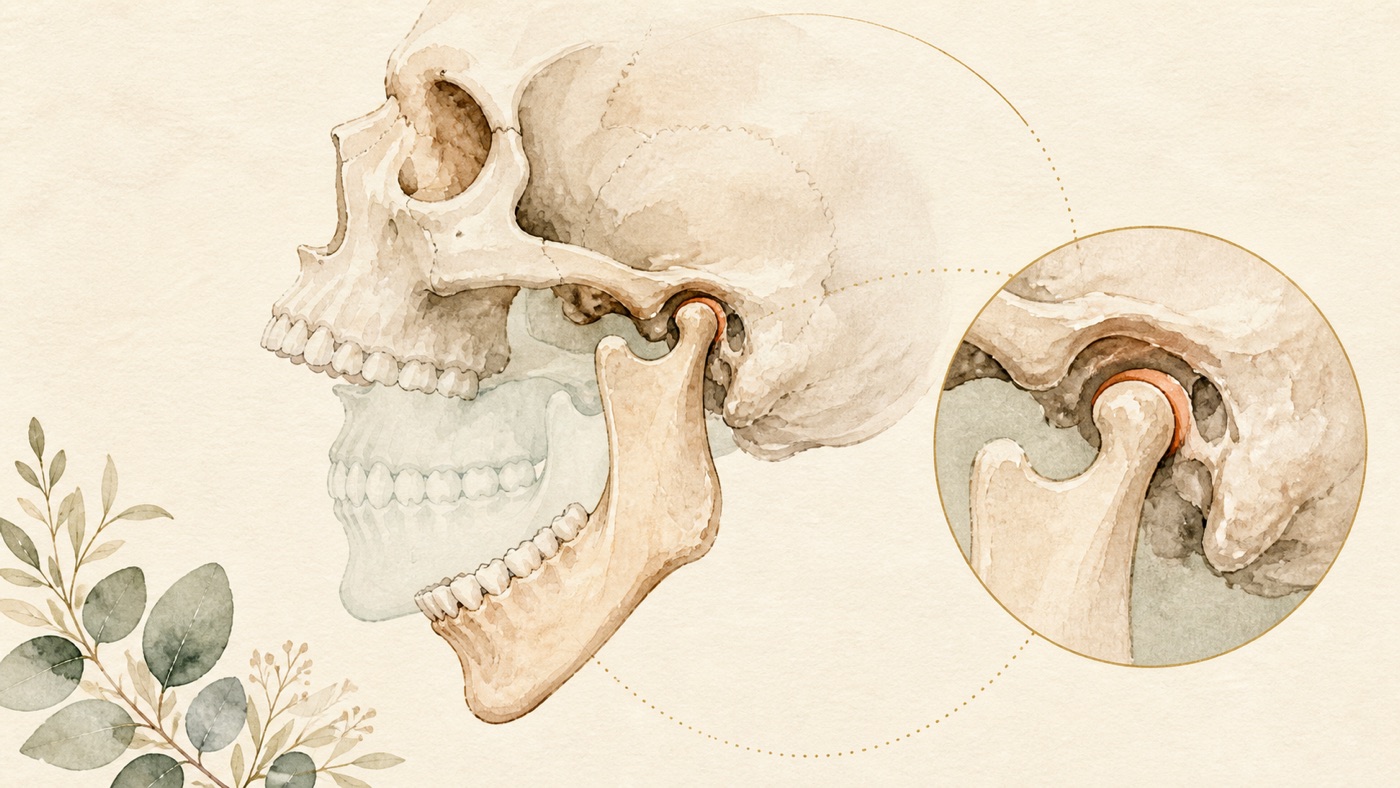
下巴突然脫臼合不起來,可以自己推回去嗎?要掛哪一科?|證據鏈
本頁是〈下巴突然脫臼合不起來,可以自己推回去嗎?要掛哪一科?〉的事實單元帳:每一條主張對應的來源、證據等級、地域與期間、原文引句與限制,逐條攤開。
下巴突然脫臼合不起來,可以自己推回去嗎?要掛哪一科?|證據鏈
F-Units(事實單元帳)
- F1|本題選題依據=14 診所站 GSC 全量對帳,本題屬生產佇列頁「三、診所補題」區(非主佇列 50 題),查詢「下巴脫臼」曝光 4,981,來源站單一;本機以 `gsc-full-20260804/__web__full.tsv` 對該查詢逐列加總複驗=4,981,與佇列頁一致|來源 #24|confidence=high|basis=internal_dataset|period=GSC 保留窗(2025-03-22 起)|geo: TW|caveat:曝光為屬性級數字、非去重流量;本欄為內部數據,非醫學宣稱,發布轉檔時整條剝除。
- F2[結構性整理]|本卡的三層分流骨幹(立即求助/今天就醫/可安排門診)、以「你現在能不能閉口」為分層判準而非以機轉分層、「不描述任何復位手法」的編輯紅線、每組數字的分母標註原則、勸阻自行復位時明白區分「依據為機轉與照護場域」而非「依據為傷害統計」,以及與 KM-DENTAL-33/05/30 的同族分工聲明,均為本站依 F3 至 F23 文獻整理的就醫溝通結構|來源 #26|confidence=n/a|basis=editorial_framework|period=2026-08-06|geo: universal|caveat:非診斷工具、非臨床分類,不得標為待驗;本欄不含任何療效或時程宣稱。
- F3|教科書條目(下顎脫位):顳顎關節脫位(下顎脫位)可表現為髁突自顳骨關節面(關節窩)之兩側或單側移位;前方、後方、上方與側方之下顎脫位皆可能發生|來源 #1|confidence=verified|basis=textbook(PMID 31747216,StatPearls 條目,esummary pubtype=Study Guide,無 Retracted Publication)|period=條目版本 2026-01(原條目更新日 2023-07-24);檢索日 2026-08-06|geo: universal|span:「Temporal mandibular joint (TMJ) dislocation, or mandibular dislocation, can present as bilateral or unilateral displacement of the mandibular condyle from the articular surface of the temporal bone (the glenoid fossa)」「Anterior, posterior, superior, and lateral mandibular dislocations can occur」|caveat:教科書層級(basis 階梯下層)、非系統性回顧;本卡僅引其型態分類,未引用該條目中任何評估或處置操作內容;efetch 僅回傳該條目首段,本卡未引用摘要以外的全文。
- F4|系統性回顧(依 PRISMA,反覆顳顎關節脫位各治療方式之穩定度):顳顎關節脫位為髁突自其正常活動範圍過度向前移位、離開關節窩;一旦脫位發生,異常的髁突位置引發咀嚼肌之反射性收縮,該收縮反過來阻礙髁突回到休息位置;沒有好品質證據可指出哪些治療選項能長期消除反覆顳顎關節脫位|來源 #2|confidence=verified|basis=peer_reviewed(PMID 26616027,系統性回顧;esummary pubtype=Journal Article, Systematic Review,無 Retracted Publication)|period=2016;版本時效已查——2026-08-06 以 `(eminectomy OR eminoplasty) AND (systematic review[pt] OR meta-analysis[pt])` 回傳 4 筆、以 `(recurrent OR chronic OR habitual) AND (temporomandibular joint dislocation[tiab] OR mandibular dislocation[tiab]) AND (systematic review[pt] OR meta-analysis[pt])` 回傳 3 筆,未檢得本篇之更新版;同題較新之回顧為 F17/F18/F19,口徑不同故並陳|geo: universal|span:「Temporomandibular joint luxation (TMJ) is the excessive anterior translation of the mandibular condyle out of its normal range of movement and away from the glenoid fossa」「Once dislocation occurs, the abnormal condylar position generates reflex contractions of the masticatory muscles, which in turn hinder movement of the condyle back to its resting position」「There is no good quality evidence on which treatment options guarantee the long-term elimination of recurrent TMJ luxation」|caveat:「沒有好品質證據顯示某治療能長期消除復發」是對證據的評價,不等於所有治療皆無效,也不等於各治療效果相同;本卡未引用該回顧中任何術式的操作內容。
- F5|回顧(以 PubMed/Cochrane/Embase/ZB Med 系統性檢索為基礎;初檢 24,650 筆,去重後選入 136 項研究):德國之顳顎關節脫位發生率估計為每年每十萬人至少 25 例;正確診斷與不延遲地開始適當治療,是避免關節持久性損害之必要條件;顳顎關節脫位之診斷通常自臨床上「下顎固定在張開位置」之發現做出;急性脫位係立即以徒手方式復位;已存在較長時間之脫位,徒手復位可能無效、可能需要手術;該領域之隨機對照試驗數量不多,故僅能得出有限之實證結論|來源 #3|confidence=verified|basis=peer_reviewed(PMID 29439762,Deutsches Ärzteblatt International 回顧;esummary pubtype=Journal Article, Review,無 Retracted Publication)|period=2018;檢索日 2026-08-06|geo: universal|span:「The initial search yielded 24 650 hits; duplicates were removed and 136 studies were chosen for further analysis」「The estimated incidence of temporomandibular joint dislocation in Germany is at least 25/100 000 per year」「A correct diagnosis and the initiation of appropriate treatment without delay are essential if permanent damage to the joint is to be avoided」「The diagnosis of temporomandibular joint dislocation is generally made clinically from the finding of a lower jaw that is fixed in the open position」「Acute dislocations are manually repositioned at once」「For dislocations that have been present for a longer time, manual repositioning may be ineffective and surgery may be needed」「There have been no more than a few randomized, controlled trials of treatments for temporomandibular joint dislocation」|caveat:發生率為德國之估計值,不得外推為台灣或任一地區之數字;該摘要另含具體復位手法之描述,本卡刻意不引用、不摘述該段落(編輯紅線見 F2);「立即以徒手方式復位」描述的是醫師在醫療機構的處置,不是對讀者的指示。
- F6|系統性回顧(所有型態顳顎關節脫位之機轉與處置原則,並提出新分類;檢索 Medline/Cochrane Library/Embase 並輔以人工檢索):共檢視 128 篇文章、其中 79 篇相關(26 篇病例報告、17 篇病例系列、36 篇原著);文獻中 79 例為急性脫位、35 例為慢性長期脫位、311 例為慢性反覆脫位;病因以外傷為主占 60%,其他原因約占 40%;所檢視之全部個案中僅 4 例為單側脫位;結論為更複雜且更具侵入性之方法未必提供較好之選擇與治療結果,因此在採用更具侵入性之手術技術前,應充分且適當地利用保守方式|來源 #4|confidence=verified|basis=peer_reviewed(PMID 21676208,系統性回顧;esummary pubtype=Journal Article, Systematic Review,無 Retracted Publication)|period=2011;版本時效已查——2026-08-06 以 `temporomandibular joint dislocation[Title] AND (systematic review[pt] OR meta-analysis[pt])` 回傳 1 筆即本篇(同一檢索式改以 [tiab] 欄位執行則回傳 2 筆,多出之 1 筆為 2015 年關於自體血注射之系統性回顧 PMID 25934244,主題為特定注射處置、非本篇之更新版);另以 `temporomandibular joint dislocation[tiab] AND (systematic review[pt] OR meta-analysis[pt] OR review[pt])` 回傳 18 筆,其中較新之同題回顧為 F7(2025)與 F18(2026),主題不同故並陳|geo: universal|span:「A total of 128 articles were reviewed out which 79 were found relevant」「Of these, 26 were case reports, 17 were case series and 36 were original articles」「79 cases were acute dislocations, 35 cases were chronic protracted TMJ dislocations and 311 cases were chronic recurrent TMJ dislocations」「Etiology was predominantly trauma in 60% of cases and other causes contributed about 40%」「Of all the cases reviewed, only 4 were unilateral dislocation」「The more complex and invasive method of treatment may not necessarily offer the best option and outcome of treatment, therefore conservative approaches should be exhausted and utilized appropriately before adopting the more invasive surgical techniques」|caveat:79/35/311 為「文獻中被報告的個案數」,分母是已發表文獻而非任何人群,不得讀為發生率、比例或復發率;60% 之外傷占比同樣受限於已發表個案之組成;納入文獻多為病例報告與病例系列,證據等級偏低。
- F7|綜合回顧(長期未復位顳顎關節脫位;自資料庫建置起檢索至 2024-12-31,並輔以人工檢索):長期或遷延性顳顎關節脫位指持續超過 1 個月未復位之狀態;共評估 113 篇報告中之 229 例(女性 139 人、男性 81 人;平均年齡 52.3 歲);兩側與單側脫位之比例分別為 74.7% 與 8.7%;自脫位起算之平均期間為 11.9 個月;閉鎖式(非手術)與開放式(手術)復位分別在 49 例(21.4%)與 175 例(76.4%)中可行;接受閉鎖式復位者之平均脫位期間(4.9 個月)顯著短於接受開放式復位者(14.8 個月),p = 0.001;結論為臨床上及早診斷與治療本狀況以避免其變成慢性,是關鍵|來源 #5|confidence=verified|basis=peer_reviewed(PMID 41010896,綜合回顧;esummary pubtype=Journal Article, Review,無 Retracted Publication)|period=2025;檢索日 2026-08-06|geo: universal|span:「Long-standing or protracted temporomandibular joint dislocation refers to a condition that persists for more than 1 month without reduction」「Overall, 229 cases (139 women and 81 men; mean age, 52.3 years) from 113 reports were assessed」「The proportion of patients with bilateral and unilateral dislocations was 74.7% and 8.7%, respectively」「The mean duration since dislocation was 11.9 months」「Closed and open reductions were possible in 49 (21.4%) and 175 patients (76.4%), respectively」「The mean dislocation duration was significantly (p = 0.001) shorter in patients who underwent closed reduction (4.9 months) than in those who underwent open reduction (14.8 months)」「Clinically, it is crucial to diagnose and treat this condition early to prevent it from becoming chronic」|caveat:分母為已發表之個案報告彙整(113 篇報告、229 例),存在發表偏差,21.4%/76.4% 不得讀為族群風險或個人機率;74.7% 與 8.7% 相加不等於全部,摘要未說明其餘個案之分類,本卡未代為推算;4.9 與 14.8 個月之差異為橫斷關聯、非因果,且不得反推任何「幾個月內不需手術」之時限;閉鎖式與開放式復位為處置類別名稱,本卡未描述其操作內容。
- F8|回顧併病例報告(真性長期未復位顳顎關節脫位之假關節形成):相關文獻報告不多,其中多數僅就「期間」作推測,該期間跨度自 5 週至 33 年不等;對於長期未復位脫位在多長時間內形成,並無一致意見;此型脫位通常見於一般健康狀況較差之年長病人|來源 #6|confidence=verified|basis=peer_reviewed(PMID 30914229,回顧;esummary pubtype=Journal Article, Review,無 Retracted Publication)|period=2019;檢索日 2026-08-06|geo: universal|span:「which varies on a large scale ranging from 5 weeks to 33 years」「There has been neither an agreement on time span within which long-standing dislocation develops」「This type of dislocation is usually seen in elderly patients with poor general health conditions」|caveat:本文主體為 2 例病例報告加文獻回顧,非系統性回顧;「5 週到 33 年」是文獻中被使用之期間定義的跨度,不是病程長度的預測,也不是任何人的預期值;「通常見於年長且健康狀況較差者」為敘述性觀察,未附分母。
- F9|臨床文章(反覆下顎脫位之手術處置;6 位病人之外科經驗):文獻所述病因包括長時間大張口(含牙科治療過程中)、打呵欠、大笑、下顎之外傷性損傷、精神科疾患,以及某些藥物;已持續超過一個月之脫位被視為慢性,且無法以下顎之徒手操作成功復位|來源 #7|confidence=verified|basis=peer_reviewed(PMID 28050992;esummary pubtype=Journal Article,無 Retracted Publication)|period=2017;檢索日 2026-08-06|geo: universal|span:「the surgical experience of managing six patients with chronic recurrent dislocations of the temporomandibular joints」「Varied etiologies have been cited in the literature, such as keeping the mouth wide open for long periods of time during dental procedures, yawning, laughing, traumatic injuries to the mandible, psychiatric disturbances, and certain drugs」「dislocations that have remained over a period of a month are considered to be chronic and these cannot be reduced successfully by manual manipulation of the mandible」|caveat:病例數僅 6、非系統性回顧,證據等級低;病因清單為文獻引述、非完整列舉,本卡未增列來源未提及之項目;「無法以徒手操作成功復位」與 F7 彙整中仍有 21.4% 以閉鎖式復位完成不完全一致,本卡兩者並陳、未擇一採信;原文之「certain drugs」本卡不列名稱。
- F10|回溯分析(單中心,10 位慢性長期未復位下顎脫位病人之診斷、治療與預後):該狀況在年長族群較常見,平均年齡 67.2±11.9 歲、男女比 1:9;全部確診病人均為兩側前方脫位;促成該狀況最主要之風險因子為神經系統損傷造成之意識不清,因而延遲了對顳顎關節脫位症狀之察覺;電腦斷層資料分析顯示,髁突位移超過顴弓被列為需要手術復位之指標|來源 #8|confidence=verified|basis=peer_reviewed(PMID 39334192;esummary pubtype=Journal Article,無 Retracted Publication)|period=2024;檢索日 2026-08-06|geo: universal|span:「a retrospective analysis was conducted on the clinical data of 10 patients diagnosed with chronic protracted mandibular dislocation」「with an average age of 67.2±11.9 years and a male-to-female ratio of 1:9」「The most significant risk factor contributing to CPMD was unconsciousness resulting from nervous system injury, which delayed the perception of symptoms associated with temporomandibular joint dislocation」「Subsequent analysis of CT data revealed that condylar displacement beyond the zygomatic arch served as an indication for surgical reduction」|caveat:單中心、樣本僅 10 人,男女比 1:9 與平均年齡皆為該小樣本之組成,不得讀為族群性別比或年齡風險;「最主要之風險因子」係作者對該 10 例之判讀,非統計上之風險估計;影像判讀屬醫師與影像專業之工作,本卡不提供任何自行判讀方法;本卡引其麻醉與牽引僅為說明照護場域,未描述操作內容。
- F11|病例報告併文獻回顧(完整髁突向上外側脫位進入顳窩):髁突之前方與前內側脫位在文獻中常被報告,向上外側脫位則為罕見表現;本報告所述個案為完整下顎髁突之向上外側脫位,與同側下顎骨聯合旁骨折同時發生|來源 #9|confidence=verified|basis=peer_reviewed(PMID 27207395;esummary pubtype=Case Reports, Journal Article, Review,無 Retracted Publication)|period=2017;檢索日 2026-08-06|geo: universal|span:「Anterior and anteromedial dislocations of the mandibular condyle are frequently reported in the literature, but superolateral dislocation is a rare presentation」「This report outlines a case of superolateral dislocation of an intact mandibular condyle that occurred in conjunction with an ipsilateral mandibular parasymphysis fracture」|caveat:單一病例報告,不代表發生率;該報告摘要載明其內容包含復位技術之回顧(自保守至手術),本卡不引用、不摘述任何該類技術內容;本卡引其僅為說明「脫位可與骨折同時發生、型態不只一種」。
- F12|回溯病例系列(單一急診部門,2017-01 至 2022-12,83 位急性顳顎關節脫位連續病人):其中 2 例為脫位合併髁突骨折,該處置取得之結果為暫時性之姑息對位,作為銜接至確定性手術介入之橋樑;作者自載結果受限於單中心、單一術者之設計|來源 #10|confidence=verified|basis=peer_reviewed(PMID 41943007;esummary pubtype=Journal Article,無 Retracted Publication)|period=2026;檢索日 2026-08-06|geo: universal|span:「A retrospective case series was conducted at a single Emergency Department from January 2017 to December 2022」「The study evaluated 83 consecutive patients with acute TMJ dislocation」「For dislocations complicated by condylar fractures (n = 2)」…「which served as a crucial bridge to definitive surgical intervention」「the results are limited by the single-center, single-operator design」|caveat:該文主體為一種復位手法之成效報告,本卡刻意不引用其手法內容、不引用其成功率數字(編輯紅線見 F2);該文標題所述之技術係在急診由臨床人員主導、病人配合執行之處置,屬臨床端方法學文獻,不構成對一般民眾之居家指示;n = 2 為極小數目,僅用於說明「脫位可能合併骨折且處置方向不同」,不得讀為合併骨折之比例;單中心、單一術者。
- F13|病例報告(抗精神病長效針劑引起之急性肌張力不全導致兩側顳顎關節脫位):藥物引起之肌張力不全直接導致兩側顳顎關節脫位極為罕見,且可能被誤判為原發之精神科或牙科問題;病人於急診時處於痛苦狀態且無法說話或閉口;清醒鎮靜下之徒手復位因嚴重肌張力不全而失敗,兩側最終在全身麻醉下完成復位;結論為及時辨識與處置是必要的,以避免氣道風險、長期關節功能障礙或誤歸因於精神科病理,並強調急診醫學、精神醫學與顎面外科之間多科協作之必要|來源 #11|confidence=verified|basis=peer_reviewed(PMID 41210421;esummary pubtype=Case Reports, Journal Article,無 Retracted Publication)|period=2025;檢索日 2026-08-06|geo: universal|span:「bilateral temporomandibular joint (TMJ) dislocation as a direct consequence of drug-induced dystonia is exceedingly rare and may be misinterpreted as a primary psychiatric or dental issue」「In the ED, the patient was distressed and unable to speak or close his mouth」「manual reduction under conscious sedation failed due to severe dystonia」「Both joints were successfully reduced under general anaesthesia」「Timely recognition and management are essential to avoid airway risk, prolonged joint dysfunction, or misattribution to psychiatric pathology」「It reinforces the need for multidisciplinary coordination between emergency medicine, psychiatry, and maxillofacial services」|caveat:單一病例報告,不代表發生率;原文載有具體藥名、劑量與復位手法名稱,本卡於正文與 FAQ 一律不列,且不得被引用為任何停藥、換藥或自行處置之依據;「氣道風險」為該報告結論句之用語,本卡照錄未擴大。
- F14|病例報告(長期機械通氣後之顳顎關節脫位):病人於拔管後無法閉口、說話或吞嚥,因而嚴重流涎;該病人之下顎由耳鼻喉專科醫師成功且輕易地復位;氣管內插管為顳顎關節脫位之易發因素,其他風險因子包括女性、切牙間距與年齡;及早辨識與處置是必要的,因為延遲會由於肌肉痙攣而使復位困難,更長之延遲則可能造成持久之功能障礙與疼痛|來源 #12|confidence=verified|basis=peer_reviewed(PMID 40270667;esummary pubtype=Journal Article,無 Retracted Publication)|period=2025;檢索日 2026-08-06|geo: universal|span:「Post-extubation, the patient was unable to close her mouth, speak, or swallow, causing severe drooling」「An ear, nose and throat specialist successfully and easily repositioned the mandible」「Endotracheal intubation is a predisposing factor for TMJ dislocation. Other risk factors include female sex, interincisal distance, and age」「Early recognition and management are imperative, since delay scan cause difficult repositioning due to muscle spasms. Longer delays can cause long-lasting dysfunctions and pain」|caveat:單一病例報告;其風險因子清單出自討論段、未附量級或分母,本卡已在正文標明;原文之 delay scan 為來源原文之誤植,本卡 span 照原文逐字節錄未改;該報告另載有麻醉用藥與劑量,本卡不引用;原文摘要另有「顳顎關節脫位相對常見、終其一生可達 7% 人口」之引言句,屬病例報告引言之轉述、未附原始出處,本卡不採用該數字。
- F15|病例報告(插管後未被辨識之顳顎關節脫位):顳顎關節脫位為插管過程中罕見且常被忽略之併發症;該病人於隔日因持續下顎疼痛與無法閉口而至急診,影響進食;影像確認為左側顳顎關節之前方脫位|來源 #13|confidence=verified|basis=peer_reviewed(PMID 42413347;esummary pubtype=Journal Article, Case Reports,無 Retracted Publication)|period=2026;檢索日 2026-08-06|geo: universal|span:「Temporomandibular joint (TMJ) dislocation, however, represents a rare and often under-recognized complication during this procedure」「She presented to the emergency department the following day with persistent jaw pain and inability to close her mouth, impairing oral intake」「Imaging confirmed anterior dislocation of the left TMJ」|caveat:單一病例報告,不代表發生率;該摘要提及床邊復位所用之技術類別,本卡不引用該內容;本卡引其僅為說明「影像被用於確認型態」與「術後或麻醉後之下顎症狀值得就醫」。
- F16|回溯橫斷(病例對照)研究(反覆顳顎關節脫位與全身性關節過動之關聯;醫院端之反覆脫位病人對比未曾脫位亦無其他顳顎關節疾患之人群端對照,並經年齡與性別配對;全部受試者已達骨骼成熟):共納入 68 位受試者,其中 34 位為反覆脫位病人、34 位為對照;受試者平均年齡 31.35 ± 8.06 歲,29.4%(20 位)為男性;脫位組中 16 位(47.0%)Beighton 分數達 4 分以上;Beighton 總分脫位組平均 3.06 ± 2.8,顯著高於對照組之 0.82 ± 1.1(P = .001);脫位組有 58.8%(20 位)符合 Brighton 準則,對照組為 0.0%(P = .001);作者結論為發現反覆顳顎關節脫位與全身性關節過動之間存在關聯,並認為早期偵測可能有助於辨識關節不穩風險較高者|來源 #14|confidence=verified|basis=peer_reviewed(PMID 37160256,回溯橫斷病例對照研究;esummary pubtype=Journal Article,無 Retracted Publication)|period=2023;檢索日 2026-08-06|geo: universal|span:「A total of 68 participants were included, of whom 34 patients presented with recurrent TMJ dislocations compared with a control population of 34」「The Mean participants were 31.35 ± 8.06 years, and 29.4% (n = 20) were males」「Of the dislocation group, 16 (47.0%) patients had a Beighton score of 4 or higher」「The Beighton sum score was significantly higher, with a TMJ dislocation group mean score of 3.06 ± 2.8, compared with a control score of 0.82 ± 1.1 (P = .001)」「A total of 58.8% (n = 20) of the TMJ dislocation group participants met the Brighton criteria versus none (0.0%) of the control group (P = .001)」「We found an association between recurrent TMJ dislocation and GJH」「Early detection of these disorders in patients suffering from recurrent TMJ dislocation may help identify individuals at increased risk for joint instabilities」|caveat:回溯、非隨機,且病例來自醫院、對照來自一般人群,兩組來源不同本身即可能放大差異,不得讀為因果;樣本僅 68 人;Beighton 與 Brighton 為兩種不同的評估工具,本卡未將兩組比例互相換算;作者用語為早期偵測「可能有助於」,本卡未擴大為預測或篩檢建議;分數之判定屬醫師評估,本卡不提供自我評分方法。
- F17|系統性回顧(反覆下顎脫位之開放性手術治療的科學證據等級;檢索 PubMed 與 Web of Science,涵蓋 1974-01 至 2014-08):共辨識 114 篇文章,依合格標準排除 91 篇,納入 23 篇;依牛津實證醫學中心之分級,全部納入文章之證據等級皆評為第 4 級(低品質);結論為此主題之文獻證據等級低,需要方法學更嚴謹之研究|來源 #15|confidence=verified|basis=peer_reviewed(PMID 28372991,系統性回顧;esummary pubtype=Journal Article, Systematic Review,無 Retracted Publication)|period=2017;檢索日 2026-08-06|geo: universal|span:「One hundred and fourteen articles were identified, 91 of which were excluded based on the eligibility criteria」「Thus, 23 articles were selected for inclusion in the review. All of the selected articles were rated as level 4 (low quality) regarding the level of evidence」|caveat:檢索截止於 2014-08,之後之研究未納入;「第 4 級」為證據等級之評價,不等於各術式無效;本卡未引用任何術式之操作內容或成效數值。
- F18|映射式回顧(反覆下顎脫位之關節內與關節周圍注射治療,且其效果可與同時施行之非注射介入分離評估;檢索 PubMed/Europe PMC/BASE 至 2026-04-07):納入 5 篇原始臨床研究與 8 項次級映射或參考文獻查核來源;原始研究評估之項目為自體血注射、葡萄糖增生療法,以及硬化劑注射;多數研究報告了反覆脫位或半脫位之減少與關節穩定度之改善;然而證據受限於樣本數小、方案異質、注射部位不一與比較資料有限;結論為現有文獻有限且異質,雖納入研究普遍報告有利結果,惟證據不容許就任一特定注射方式之相對療效或優越性下結論|來源 #16|confidence=verified|basis=peer_reviewed(PMID 42513506,映射式回顧;esummary pubtype=Journal Article, Review,無 Retracted Publication)|period=2026;檢索日 2026-08-06|geo: universal|span:「Five primary clinical studies and eight secondary mapping or reference-checking sources were included」「Most studies reported reductions in recurrent dislocation or subluxation and improvements in joint stability」「However, the evidence was limited by small sample sizes, heterogeneous protocols, variable injection sites, and limited comparative data」「the evidence does not permit conclusions regarding the comparative effectiveness or superiority of any specific injectable modality」|caveat:映射式回顧(mapping review)之目的為描繪證據版圖,不等同於統合分析;納入研究普遍報告有利結果,但作者明白寫出不能據此比較優劣;注射物名稱僅保留於本欄供溯源,正文與 FAQ 不列。
- F19|系統性回顧與統合分析(葡萄糖增生療法用於顳顎關節過動之成效;檢索 PubMed/Cochrane CENTRAL/Embase/Scopus/Web of Science 之隨機對照試驗):納入 8 項隨機對照試驗;方法段列出之分析項目為最大開口度、疼痛與脫位頻率;結果段報告,與安慰劑相比,葡萄糖增生療法與疼痛及最大開口度之顯著降低有關;與自體血注射相比,最大開口度無顯著差異;質性分析顯示接受葡萄糖增生療法與肉毒素者之結果無顯著差異;結論為低品質證據顯示葡萄糖增生療法相較安慰劑可能降低最大開口度並改善疼痛分數,亦有低品質證據顯示其與自體血注射及肉毒素之間差異可能極小|來源 #17|confidence=verified|basis=peer_reviewed(PMID 39473029,系統性回顧與統合分析;esummary pubtype=Journal Article, Systematic Review, Meta-Analysis,無 Retracted Publication)|period=2025|檢索日 2026-08-06|geo: universal|span:「Maximal mouth opening (MMO), pain, and frequency of dislocations were analyzed」「Eight RCTs were included」「Low-quality evidence suggests that dextrose prolotherapy may reduce MMO and improve pain scores compared to placebo in patients with TMJ hypermobility」|caveat:本卡僅依摘要陳述——該摘要之結果段未報告脫位頻率之合併結果,全文未取回,本卡不就全文內容作任何陳述;「降低最大開口度」是該療法的作用方向(限制張口幅度),非療效優劣之評價;證據品質經作者自評為低;藥名與注射物名稱僅保留於本欄,正文與 FAQ 不列。
- F20|系統性回顧與統合分析(葡萄糖增生療法相較安慰劑用於顳顎關節過動;檢索 PubMed/Scopus/CENTRAL/Google Scholar 至 2018-02):納入 3 項隨機對照試驗;其中 2 項試驗報告了半脫位/脫位之發生頻率,結果為葡萄糖與安慰劑之間無差異;合併分析顯示最大開口度顯著降低(隨機效應 MD = -3.32,95% CI -5.26 至 -1.28,P = 0.0008,I2 = 0%),疼痛亦顯著降低(隨機效應 MD = -1,95% CI -1.58 至 -0.42,P = 0.0007,I2 = 0%);結論明白寫出,關於減少半脫位或脫位發作次數之結論無法得出|來源 #18|confidence=verified|basis=peer_reviewed(PMID 30024045,系統性回顧與統合分析;esummary pubtype=Journal Article, Meta-Analysis, Systematic Review,無 Retracted Publication)|period=2018;版本時效已查——同一臨床問題已有較新之系統性回顧即 F19(2025,8 項隨機對照試驗),本卡兩版並陳並標明各自報告了什麼、未報告什麼,未以舊版取代新版,亦未以新版掩蓋舊版之陰性結果|geo: universal|span:「Three RCTs were included in the review. Frequency of subluxation/dislocation was reported by two trials which found no difference between dextrose and placebo」「A statistical significant difference in reduction of MMO with the use of dextrose prolotherapy was seen on pooling of data (random: MD = -3.32, 95% CI -5.26 to -1.28; P = 0.0008; I2 = 0%)」「A statistical significant difference in pain reduction was also seen with dextrose as compared to placebo (random: MD = -1, 95% CI -1.58 to -0.42; P = 0.0007; I2 = 0%)」「Conclusions with regard to reduction of episodes of subluxation/dislocation cannot be drawn」|caveat:「無差異」出自 2 項試驗,樣本有限,「未發現差異」不等於「已證明無差異」;本卡引其為證據缺口之記錄,非對任何處置之否定;藥名僅保留於本欄。
- F21|系統性回顧(兒童反覆顳顎關節脫位之處置;檢索 BASE/PubMed/Scopus,檢索日 2025-09-21,納入 2000 至 2025 年發表、對象未滿 18 歲且結果可測量之研究;以 Joanna Briggs Institute 工具評估偏差風險;PROSPERO CRD420251139493):納入 9 項研究(1 項病例對照研究、3 項病例系列、5 篇病例報告);其中 2 項報告了侵入性治療方式;保守與微創方式是較常被描述的做法,微創方式中最常被報告者為肉毒素注射;結論為因文獻異質且數量有限,無法就兒童反覆顳顎關節脫位不同治療方式之成效得出一致結論|來源 #19|confidence=verified|basis=peer_reviewed(PMID 41227277,系統性回顧;esummary pubtype=Journal Article, Review,無 Retracted Publication)|period=2025;檢索日 2026-08-06|geo: universal|span:「Based on the inclusion criteria, nine studies were included: one case-control study, three case series, and five case reports」「Invasive treatment methods applied in pediatric patients were reported in two of those」「Due to the heterogeneity and limited number of available literature, consistent conclusions regarding the effectiveness of different treatment methods for recurrent TMJ dislocation in children could not be drawn」|caveat:納入研究以病例系列與病例報告為主,證據等級低;本卡僅引其證據狀態,未引任何兒童處置建議;藥名僅保留於本欄。
- F22|前瞻研究(客製化植入物墊高關節結節術用於慢性反覆顳顎關節脫位;11 位 16 歲以上、最大切牙開口度大於 40 公釐之病人;追蹤至術後 6 個月):2 位病人(18.2%)發生右側術後感染而需移除植入物;感染之臨床徵象約於術後 3 週首度被辨識,並在初步保守治療失敗後、約術後 2 個月移除植入物;作者結論為該術式呈現短期可行性、疼痛降低與術後張口幅度受控,惟所觀察到之感染率與有限之功能追蹤使結果須謹慎解讀|來源 #20|confidence=verified|basis=peer_reviewed(PMID 42050234;esummary pubtype=Journal Article,無 Retracted Publication)|period=2026;檢索日 2026-08-06|geo: universal|span:「Eleven patients (> 16 years) with chronic recurrent TMJ dislocation/hypermobility (maximal incisal opening > 40 mm) underwent augmentation eminoplasty using a digitally planned patient-specific implant and CAD/CAM workflow」「Clinical outcomes included pain (VAS 0-10) and maximal incisal opening (MIO) assessed preoperatively, at 2 weeks, and at 6 months」「Two patients (18.2%) developed right-sided postoperative infection requiring implant removal」「Clinical signs suggestive of infection were first recognized at approximately 3 weeks postoperatively and ultimately led to implant removal at around 2 months after failure of initial conservative treatment」「however, the observed infection rate and limited functional follow-up warrant cautious interpretation」|caveat:樣本僅 11 人、單中心、追蹤僅 6 個月,18.2% 為 2/11 之比例,不得作為任何手術之併發症率估計;本卡引其僅為醫療法所要求之風險揭露之一例,不代表其他術式之風險高低;本卡未描述該術式之操作內容。
- F23|通訊短文(上消化道內視鏡後之顳顎關節脫位):作者於觀察到一例後進行文獻回顧,以了解其發生頻率,並提出鎮靜可能為此併發症之風險因子|來源 #21|confidence=verified|basis=peer_reviewed(PMID 31909631;esummary 已查,無 Retracted Publication)|period=2020;檢索日 2026-08-06|geo: universal|span:「we carried out a literature review to find out how frequent it is and suggest the sedation as a possible risk factor to such complication」|caveat:原文用語為「可能的風險因子」(a possible risk factor),未給出方向、量級或分母,本卡未代為補上;亦未引用其文獻回顧所得之頻率數字(摘要未載);本文為 1 頁通訊,證據等級低。
- F24|《牙醫專科醫師分科及甄審辦法》第 6 條:牙醫師之專科分科如下:一、口腔顎面外科。二、口腔病理科。三、齒顎矯正科。四、牙周病科。五、兒童牙科。六、牙髓病科。七、贋復補綴牙科。八、牙體復形科。九、家庭牙醫科。十、特殊需求者口腔醫學科。十一、植牙科。十二、其他經中央主管機關認定之牙醫專科|來源 #22|confidence=verified(2026-08-06 以 ego-browser 實測全國法規資料庫 pcode=L0020200,頁面標題「牙醫專科醫師分科及甄審辦法-全國法規資料庫」,條文逐字對得上;該辦法修正日期民國 112 年 05 月 02 日)|basis=law|period=現行條文|geo: TW|caveat:本條僅界定台灣牙醫專科之分科名稱,不代表任一科別對顳顎關節脫位之處置分工,亦不代表其他國家之科別劃分;急性脫位在文獻中亦由急診醫學與耳鼻喉等科處置(見 F13/F14/F15)。
- F25|內政部消防署全球資訊網:站內設有「119報案」與「認識119.112」宣導專區,該專區列有「119.112使用說明」「手機直撥112 危難求救把命罩」「救災專線119」等宣導項目|來源 #23|confidence=verified(2026-08-06 以 ego-browser 實測 www.nfa.gov.tw 首頁與 code=list&ids=603 頁面,逐字擷取比對)|basis=official_statement|period=擷取日 2026-08-06|geo: TW|caveat:本欄僅作為台灣緊急報案專線號碼之官方依據;該頁未逐字說明各類案件之派遣分工,本卡未就派遣流程作任何陳述;其他地區之緊急號碼不同,翻譯版本不得沿用本號碼。
- F26|《醫療法》第 87 條第 2 項:醫學新知或研究報告之發表、病人衛生教育、學術性刊物,未涉及招徠醫療業務者,不視為醫療廣告|來源 #25|confidence=verified(2026-08-05 實測 200、逐字對得上,跨卡沿用同錨)|basis=law|period=現行條文|geo: TW|caveat:本卡發布定位依據,屬台灣制度,非醫學事實;其他地區讀者請以所在地規範為準。
- F27[結構性整理]|證據缺口與檢索紀錄:本站於 2026-08-06 以 PubMed E-utilities 檢索,下列檢索式回傳筆數為(各式之片語引號已改為等價之不加引號寫法,並經實測回傳筆數與加引號版本一致)——①`(temporomandibular joint dislocation[tiab] OR mandibular dislocation[tiab]) AND (recurrence rate[tiab] OR rate of recurrence[tiab])` 回傳 5 筆,逐筆檢視後為個別術式之追蹤結果,無首次脫位後之族群復發率;②`(temporomandibular joint dislocation[tiab] OR mandibular dislocation[tiab]) AND (incidence[tiab] OR prevalence[tiab]) AND (population-based[tiab] OR nationwide[tiab])` 回傳 1 筆,即 F16 之病例對照研究,非發生率研究;③`(temporomandibular joint dislocation[tiab] OR mandibular dislocation[tiab]) AND (self-reduction[tiab] OR self reduction[tiab] OR patient performed[tiab] OR layperson[tiab])` 回傳 1 筆(PMID 24332696),該筆為 2 頁通訊、PubMed 無摘要、本機無法取回全文,依引用級規則不得作為證據,且技術性文獻之讀者為臨床端、不構成對一般民眾之居家指示,故本卡不引用、不描述其內容;④本站未取得任何直接評估「民眾自行復位所造成之傷害型態或比率」之研究。因此本卡不提供復發機率、不提供台灣發生率、不宣稱自行復位之傷害比例,亦不提供任何復位手法|來源 #26|confidence=n/a|basis=editorial_framework|period=2026-08-06|geo: universal|caveat:檢索侷限於 PubMed 與上列檢索式,未取得不等於已被推翻;本欄為編輯性陳述,不得標為待驗 claim。
來源清單
取用日期均為 2026-08-06;PubMed 條目均以 E-utilities efetch 取得摘要原文逐字比對,並以 esummary 逐筆確認 pubtype 無 Retracted Publication;全卡未使用任何取自付費牆全文之逐字引用。
- Hillam J, Isom B. Mandible Dislocation. StatPearls. Treasure Island (FL): StatPearls Publishing. PMID 31747216
- de Almeida VL, Vitorino NS, Nascimento AL, da Silva Júnior DC, de Freitas PH. Stability of treatments for recurrent temporomandibular joint luxation: a systematic review. Int J Oral Maxillofac Surg. 2016;45(3):304-7. PMID 26616027
- Prechel U, Ottl P, Ahlers OM, Neff A. The Treatment of Temporomandibular Joint Dislocation. Dtsch Arztebl Int. 2018;115(5):59-64. PMID 29439762
- Akinbami BO. Evaluation of the mechanism and principles of management of temporomandibular joint dislocation. Head Face Med. 2011;7:10. PMID 21676208
- Yoshida K. Long-Standing Temporomandibular Joint Dislocation: A Comprehensive Review and Proposal of a Treatment Algorithm. Medicina (Kaunas). 2025;61(9):1505. PMID 41010896
- Güven O. Nearthrosis in true long-standing temporomandibular joint dislocation. J Craniomaxillofac Surg. 2019;47(6):945-950. PMID 30914229
- Baptist J, Baliga M. Dautrey's Procedure Revisited in Management of Recurrent Mandibular Dislocation. J Contemp Dent Pract. 2017;18(1):78-79. PMID 28050992
- Zou J, Wang L, Acharya K, et al. The experience of chronic protracted mandibular dislocation treatment: manual vs. surgical reduction. BMC Oral Health. 2024;24(1):1127. PMID 39334192
- Sharma D, Khasgiwala A, Maheshwari B, Singh C, Shakya N. Superolateral dislocation of an intact mandibular condyle into the temporal fossa. Dent Traumatol. 2017;33(1):64-70. PMID 27207395
- Lin WQ, Wang YH, Lu Y, Lin F, Wang HD. Rapid reduction of temporomandibular joint dislocation with a modified and optimized patient-guided technique. BMC Oral Health. 2026;26(1):963. PMID 41943007
- Stevenson H, Ramsay D, Jerjes W. Bilateral temporomandibular joint dislocation secondary to acute dystonia induced by antipsychotic depot injection. AME Case Rep. 2025;9:156. PMID 41210421
- Veneman SK, Veneman SE, Veneman TF. Temporomandibular Joint Dislocation After Long-Term Mechanical Ventilation. Eur J Case Rep Intern Med. 2025;12(4):005340. PMID 40270667
- Hoffer M, Khan S, Kazim M, Pourmand A. Unrecognized Temporomandibular Joint Dislocation After Intubation, A Case Report. J Emerg Med. 2026;87:276-278. PMID 42413347
- Cohen A, Sela MC, Ran LZ, Rushinek H, Talisman S, Casap N. Increased Prevalence of Generalized Joint Hypermobility Observed in Patients With Recurrent Temporomandibular Joint Dislocation. J Oral Maxillofac Surg. 2023;81(8):950-955. PMID 37160256
- Melo AR, Pereira Júnior ED, Santos LAM, Vasconcelos BCDE. Recurrent dislocation: scientific evidence and management following a systematic review. Int J Oral Maxillofac Surg. 2017;46(7):851-856. PMID 28372991
- Hoppe A, Chęciński M, Macek W, et al. Peri- and Intraarticular Injections with Isolable Treatment Effects in Recurrent Mandibular Dislocation: A Mapping Review. J Clin Med. 2026;15(14):5589. PMID 42513506
- Zhou G, Hu Y, Wang S. Efficacy of dextrose prolotherapy for temporomandibular joint hypermobility: A systematic review and meta-analysis. Cranio. 2025;43(6):1022-1031. PMID 39473029
- Nagori SA, Jose A, Gopalakrishnan V, Roy ID, Chattopadhyay PK, Roychoudhury A. The efficacy of dextrose prolotherapy over placebo for temporomandibular joint hypermobility: A systematic review and meta-analysis. J Oral Rehabil. 2018;45(12):998-1006. PMID 30024045
- Hoppe A, Turosz N, Chęciński M, et al. Management of Recurrent Temporomandibular Joint Dislocation in Children: A Systematic Review. J Clin Med. 2025;14(21):7881. PMID 41227277
- Ibrahim MG, Swaify GA, Zaitoun I, Medra AM, Kosba AY, Abdeldayem M. Template-guided digitally planned patient-specific implant augmentation eminoplasty for chronic recurrent temporomandibular joint dislocation. Maxillofac Plast Reconstr Surg. 2026;48(1):10. PMID 42050234
- Caballero-Mateos AM, Ruiz-Rodríguez AJ, García-Márquez J. Temporomandibular joint dislocation after an upper endoscopy: a complication to consider. Rev Esp Enferm Dig. 2020;112(1):79. PMID 31909631
- 牙醫專科醫師分科及甄審辦法(全國法規資料庫,pcode L0020200,民國 112 年 05 月 02 日修正)
- 內政部消防署全球資訊網「認識119.112」宣導專區
- 內部數據:`km-production-queue.html` 三、診所補題區「下巴脫臼」列,並以 `gsc-full-20260804/__web__full.tsv` 逐列加總複驗
- 醫療法 第 87 條(全國法規資料庫)
- 編輯框架:本站三層分流結構、分母標註原則、不描述復位手法之編輯紅線與證據缺口聲明(無外部來源,標示為結構性整理)
內部引用鏈
- 牙齒因外傷整顆脫落時的急救(同屬時間敏感的口腔急症,本卡不重寫該題):牙齒突然掉了一顆怎麼辦?(KM-DENTAL-30)
- 牙齒本身在痛時的形態分流:牙齒痛怎麼辦?蛀牙痛是什麼感覺?(KM-DENTAL-33)
- 腫痛合併吞嚥困難、呼吸窘迫的紅旗分級:牙齦腫痛怎麼快速消?什麼情況要就醫?(KM-DENTAL-05)
- 咬合不適與咀嚼系統相關症狀的分流:咬東西會痛,是牙裂還是咬合出問題?(KM-DENTAL-50)
FAQ
- 現在嘴巴合不起來,我該怎麼辦?
- **立刻去急診,或前往設有口腔顎面外科的醫院;不要自己推,也不要等到明天。** 如果同時有呼吸不順、吞不下口水或講不出話,請直接撥 119 [F25]。理由是:這個狀況的診斷是臨床上依「下顎固定在張開位置」做出的,而正確診斷與不延遲地開始適當治療,是避免關節受到持久性損害的必要條件 [F5];延遲會因肌肉痙攣使復位變得困難,更長的延遲可能造成持久的功能障礙與疼痛 [F14]。**本題不提供任何可以在家執行的動作** [F2]。
- 今、口が閉じません。どうすればよいですか? — **直ちに救急外来、または口腔顎顔面外科のある病院へ行ってください。自分で押さず、明日まで待たないでください。** 呼吸困難、唾液を飲めない、話せない場合は台湾では直接 119 へ [F25]。下顎が開口位で固定される臨床所見により診断され、正しい診断と遅延しない適切な治療は恒久的損傷回避に不可欠である [F5]。遅延は筋けいれんにより整復を困難にし、長い遅延は持続する機能障害と痛みを来しうる [F14]。**自宅でできる動作は本カードに示さない** [F2]。
- My mouth will not close now. What should I do? — **Go to an emergency department now, or to a hospital with oral and maxillofacial surgery. Do not push it yourself and do not wait until tomorrow.** If you also have trouble breathing, cannot swallow saliva, or cannot speak, call 119 in Taiwan directly [F25]. The reason is that this condition is clinically diagnosed from a jaw fixed in the open position, and correct diagnosis and prompt appropriate treatment are essential to avoid permanent joint damage [F5]. Delay can make repositioning difficult because of muscle spasm, and longer delay can cause lasting dysfunction and pain [F14]. **This card gives no action that can be performed at home** [F2].
- 可以自己推回去嗎?
- **不可以,請不要嘗試。** 本卡不描述任何手法,理由列在正文,這裡摘述三點:你無法在家判斷自己屬於前方、後方、上方或側方哪一型脫位 [F3];文獻中有脫位與下顎骨折或髁突骨折同時發生的個案,那些個案的處置方向是銜接手術 [F11][F12];而且脫位一旦發生,異常的髁突位置會引發咀嚼肌反射性收縮,反過來阻礙髁突回到休息位置 [F4]。文獻中的復位由醫師在醫療機構執行,部分個案需要在全身麻醉下完成 [F13][F14][F10]。**本站未取得直接評估「民眾自行復位造成何種傷害」的研究,因此本卡不宣稱任何傷害比例;勸阻的依據是上述三點,不是傷害統計** [F27][F2]。
- 自分で押し戻せますか? — **いいえ。試みないでください。** 手技は示さない。自宅では前方、後方、上方、側方のどの型か判別できない [F3]。脱臼と下顎骨・下顎頭骨折を同時に認め、手術へつなぐ処置となる症例がある [F11][F12]。また異常な下顎頭位置は咀嚼筋の反射性収縮を生み、安静位への復帰を妨げる [F4]。文献の整復は医療機関で医師が行い、一部は全身麻酔下で完了した [F13][F14][F10]。**自己整復の傷害型・割合を直接評価する研究は得られず、傷害割合は主張しない。勧めない根拠は上の三点であり、傷害統計ではない** [F27][F2]。
- Can I push it back myself? — **No. Do not attempt it.** This card describes no maneuver. In brief: you cannot determine at home whether the dislocation is anterior, posterior, superior, or lateral [F3]; literature includes dislocation together with mandibular or condylar fracture, for which management proceeds toward surgery [F11][F12]; and once dislocation occurs, the abnormal condylar position produces reflex masticatory-muscle contractions that obstruct return to the resting position [F4]. Reductions in the literature are done by clinicians in medical settings, with general anaesthesia required in some cases [F13][F14][F10]. **This site did not obtain a study directly evaluating the kinds or rates of harm from layperson self-reduction, so it claims no harm proportion. The basis for discouraging it is the three points above, not harm statistics** [F27][F2].
- 要掛哪一科?
- **紅旗情境走急診;非紅旗情境,口腔顎面外科是可以掛的方向之一。** 依《牙醫專科醫師分科及甄審辦法》第 6 條,口腔顎面外科是台灣牙醫專科分科之一 [F24]。文獻中的實際照護路徑不只一科:有病例是由耳鼻喉專科醫師完成復位 [F14],有病例是在急診處置 [F15],也有病例報告強調需要急診醫學、精神醫學與顎面外科之間的多科協作 [F13]。**因此「掛哪一科」不只一個答案,時間比科別更關鍵——先到能立刻處理的地方** [F5][F2]。
- 何科を受診すべきですか? — **赤旗状況は救急へ。赤旗がなければ口腔顎顔面外科は一つの受診方向です。** 台湾の歯科専門医の専門分科・審査規則第 6 条では、口腔顎顔面外科は台湾の歯科専門分科の一つである [F24]。実際の経路は一科に限らず、耳鼻咽喉科専門医が整復した症例 [F14]、救急外来で処置した症例 [F15]、救急医学・精神医学・顎顔面サービスの多職種連携を強調する症例報告がある [F13]。**何科かに唯一の答えはなく、科より時間が重要である。まず直ちに処理できる場所へ行く** [F5][F2]。
- Which specialty should I see? — **For a red-flag situation, use emergency care; without red flags, oral and maxillofacial surgery is one possible direction.** Under Article 6 of Taiwan's Regulations Governing Dental Specialty Practice and Examination, oral and maxillofacial surgery is one Taiwan dental specialty [F24]. Actual pathways in the literature involve more than one specialty: one case was reduced by an ear, nose and throat specialist [F14], one was treated in an emergency department [F15], and another report stresses multidisciplinary coordination among emergency medicine, psychiatry, and maxillofacial services [F13]. **Thus “which specialty?” has more than one answer; time matters more than specialty—go first where the condition can be handled immediately** [F5][F2].
來源錨定
- Hillam J, Isom B. Mandible Dislocation. StatPearls. Treasure Island (FL): StatPearls Publishing. PMID 31747216 · https://pubmed.ncbi.nlm.nih.gov/31747216/ · 在 IDAEO 的其他引用
- de Almeida VL, Vitorino NS, Nascimento AL, da Silva Júnior DC, de Freitas PH. Stability of treatments for recurrent temporomandibular joint luxation: a… · https://pubmed.ncbi.nlm.nih.gov/26616027/ · 在 IDAEO 的其他引用
- Prechel U, Ottl P, Ahlers OM, Neff A. The Treatment of Temporomandibular Joint Dislocation. Dtsch Arztebl Int. 2018;115(5):59-64. PMID 29439762 · https://pubmed.ncbi.nlm.nih.gov/29439762/ · 在 IDAEO 的其他引用
- Akinbami BO. Evaluation of the mechanism and principles of management of temporomandibular joint dislocation. Head Face Med. 2011;7:10. PMID 21676208 · https://pubmed.ncbi.nlm.nih.gov/21676208/ · 在 IDAEO 的其他引用
- Yoshida K. Long-Standing Temporomandibular Joint Dislocation: A Comprehensive Review and Proposal of a Treatment Algorithm. Medicina (Kaunas).… · https://pubmed.ncbi.nlm.nih.gov/41010896/ · 在 IDAEO 的其他引用
- Güven O. Nearthrosis in true long-standing temporomandibular joint dislocation. J Craniomaxillofac Surg. 2019;47(6):945-950. PMID 30914229 · https://pubmed.ncbi.nlm.nih.gov/30914229/ · 在 IDAEO 的其他引用
- Baptist J, Baliga M. Dautrey's Procedure Revisited in Management of Recurrent Mandibular Dislocation. J Contemp Dent Pract. 2017;18(1):78-79. PMID 28050992 · https://pubmed.ncbi.nlm.nih.gov/28050992/ · 在 IDAEO 的其他引用
- Zou J, Wang L, Acharya K, et al. The experience of chronic protracted mandibular dislocation treatment: manual vs. surgical reduction. BMC Oral Health.… · https://pubmed.ncbi.nlm.nih.gov/39334192/ · 在 IDAEO 的其他引用
- Sharma D, Khasgiwala A, Maheshwari B, Singh C, Shakya N. Superolateral dislocation of an intact mandibular condyle into the temporal fossa. Dent Traumatol.… · https://pubmed.ncbi.nlm.nih.gov/27207395/ · 在 IDAEO 的其他引用
- Lin WQ, Wang YH, Lu Y, Lin F, Wang HD. Rapid reduction of temporomandibular joint dislocation with a modified and optimized patient-guided technique. BMC… · https://pubmed.ncbi.nlm.nih.gov/41943007/ · 在 IDAEO 的其他引用
- Stevenson H, Ramsay D, Jerjes W. Bilateral temporomandibular joint dislocation secondary to acute dystonia induced by antipsychotic depot injection. AME Case… · https://pubmed.ncbi.nlm.nih.gov/41210421/ · 在 IDAEO 的其他引用
- Veneman SK, Veneman SE, Veneman TF. Temporomandibular Joint Dislocation After Long-Term Mechanical Ventilation. Eur J Case Rep Intern Med. 2025;12(4):005340.… · https://pubmed.ncbi.nlm.nih.gov/40270667/ · 在 IDAEO 的其他引用
- Hoffer M, Khan S, Kazim M, Pourmand A. Unrecognized Temporomandibular Joint Dislocation After Intubation, A Case Report. J Emerg Med. 2026;87:276-278. PMID… · https://pubmed.ncbi.nlm.nih.gov/42413347/ · 在 IDAEO 的其他引用
- Cohen A, Sela MC, Ran LZ, Rushinek H, Talisman S, Casap N. Increased Prevalence of Generalized Joint Hypermobility Observed in Patients With Recurrent… · https://pubmed.ncbi.nlm.nih.gov/37160256/ · 在 IDAEO 的其他引用
- Melo AR, Pereira Júnior ED, Santos LAM, Vasconcelos BCDE. Recurrent dislocation: scientific evidence and management following a systematic review. Int J Oral… · https://pubmed.ncbi.nlm.nih.gov/28372991/ · 在 IDAEO 的其他引用
- Hoppe A, Chęciński M, Macek W, et al. Peri- and Intraarticular Injections with Isolable Treatment Effects in Recurrent Mandibular Dislocation: A Mapping… · https://pubmed.ncbi.nlm.nih.gov/42513506/ · 在 IDAEO 的其他引用
- Zhou G, Hu Y, Wang S. Efficacy of dextrose prolotherapy for temporomandibular joint hypermobility: A systematic review and meta-analysis. Cranio.… · https://pubmed.ncbi.nlm.nih.gov/39473029/ · 在 IDAEO 的其他引用
- Nagori SA, Jose A, Gopalakrishnan V, Roy ID, Chattopadhyay PK, Roychoudhury A. The efficacy of dextrose prolotherapy over placebo for temporomandibular joint… · https://pubmed.ncbi.nlm.nih.gov/30024045/ · 在 IDAEO 的其他引用
- Hoppe A, Turosz N, Chęciński M, et al. Management of Recurrent Temporomandibular Joint Dislocation in Children: A Systematic Review. J Clin Med.… · https://pubmed.ncbi.nlm.nih.gov/41227277/ · 在 IDAEO 的其他引用
- Ibrahim MG, Swaify GA, Zaitoun I, Medra AM, Kosba AY, Abdeldayem M. Template-guided digitally planned patient-specific implant augmentation eminoplasty for… · https://pubmed.ncbi.nlm.nih.gov/42050234/ · 在 IDAEO 的其他引用
- Caballero-Mateos AM, Ruiz-Rodríguez AJ, García-Márquez J. Temporomandibular joint dislocation after an upper endoscopy: a complication to consider. Rev Esp… · https://pubmed.ncbi.nlm.nih.gov/31909631/ · 在 IDAEO 的其他引用
- 牙醫專科醫師分科及甄審辦法(全國法規資料庫,pcode L0020200,民國 112 年 05 月 02 日修正 · https://law.moj.gov.tw/LawClass/LawAll.aspx?pcode=L0020200 · 在 IDAEO 的其他引用
- 內政部消防署全球資訊網「認識119.112」宣導專區 · https://www.nfa.gov.tw/cht/index.php?code=list&ids=603 · 在 IDAEO 的其他引用
- 醫療法 第 87 條(全國法規資料庫 · https://law.moj.gov.tw/LawClass/LawSingle.aspx?pcode=L0020021&flno=87 · 在 IDAEO 的其他引用
引用本文
Lucy・《下巴突然脫臼合不起來,可以自己推回去嗎?要掛哪一科?|證據鏈》・IDAEO 知識庫・2026-08-13・https://km.idaeo.ai/post/reports/dental-tmj-dislocation-locked-open-jaw-evidence更新於 2026-08-27