

🏛 Part of the "vet" topic shelf →
Symptom Triage|Reproduction-Related
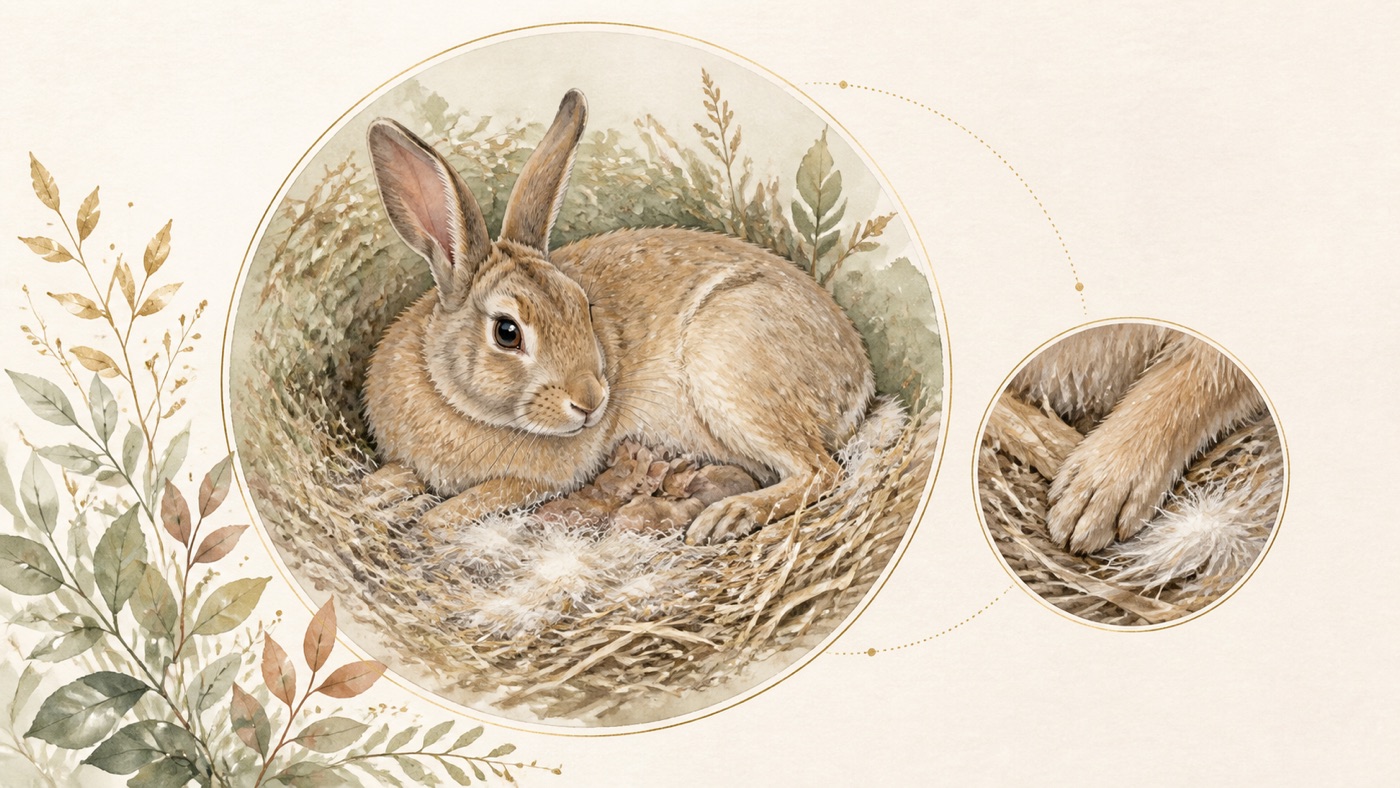
Four reproduction-related scenarios: straining to give birth with no fetus delivered for a long time; birds and reptiles crouching and straining but unable to pass an egg; a newborn that is dull and will not nurse; spraying and changed oestrus behaviour in unsterilised animals. The first three are emergencies. For dystocia, record when straining started and the colour of any discharge; for egg binding, record how long the straining has lasted; in the newborn stage compensatory capacity is extremely low and deterioration is fast. If spraying comes with increased drinking and urination plus dullness, think of pyometra first. Each row also lists the timings and observations to record at home.
Symptom Triage|Reproduction-Related
This section is compiled from the Symptom Triage chapter of the veterinary animal encyclopedia. The same symptom calls for different handling in different species, and copying what is done for another species can be harmful — first confirm which animal you are dealing with.
| Symptom (what the owner sees) | Species where it is common | Possible direction | What the owner can observe / record at home | Matching specialty |
|---|---|---|---|---|
| Straining to give birth with no fetus delivered for a long time, or an overly long interval between deliveries | Dogs and cats (brachycephalic breeds carry the highest risk), horses, cattle and sheep, rabbits | Emergency (dystocia) | Record the time straining started, whether a fetus or part of the fetal membranes is showing, and the colour of any discharge | Reproduction and Neonatal Medicine (the original teaching material explicitly lists "pregnancy, parturition", an exact match) |
| Birds, reptiles or amphibians crouching and straining but unable to pass an egg | Parrots, finches, pigeons, backyard chickens, aquatic turtles, tortoises, lizards | Emergency (egg binding) | Record how long the straining has lasted, whether the egg can be felt and where, and changes in alertness and activity | Reproduction and Neonatal Medicine (the original teaching material explicitly lists "breeding ethics, pregnancy, parturition", an exact match) |
| Newborn puppies and kittens, chicks or young livestock that are dull and will not nurse or eat | Applies to the newborn stage in every species | Emergency (compensatory capacity is extremely low in the newborn stage and deterioration is fast) | Keep the animal warm; record the time of the last feed and the body weight, and whether the dam shows any abnormality | Reproduction and Neonatal Medicine (the original teaching material explicitly lists "care of young animals", an exact match) |
| Spraying in unspayed female cats and dogs, changed oestrus behaviour, more spray marking by tomcats | Dogs and cats, birds | Mostly mild (simple oestrus behaviour); veterinary visit needed (if spraying comes with increased drinking and urination plus dullness, think of pyometra first) | Record whether the behaviour follows a cycle, and whether other urinary or appetite signs appear at the same time | Behavioural Medicine / Reproduction and Neonatal Medicine (the original teaching material lists a basis for both normal oestrus behaviour and reproductive tract disease) |
Limits of this content
This content comes from the Symptom Triage chapter of the veterinary encyclopedia (see the evidence chain for the original location and content hash). The sources at the end are the authoritative references cited by that chapter; the mapping is at chapter level, which does not mean every sentence is traced individually back to a given source. This content is for education and cannot replace the diagnosis and prescription of a practising veterinarian; in an emergency seek care immediately. This text has not been clinically reviewed by a named veterinarian.
FAQ
- My dog has been straining for a while but nothing is coming out. How long should I wait?
- Do not wait. Straining to give birth with no fetus delivered for a long time, or an overly long interval between deliveries, is dystocia and an emergency; brachycephalic breeds carry the highest risk. Record the time straining started, whether a fetus or part of the fetal membranes is showing, and the colour of any discharge, then seek care immediately.
- 犬が出産でいきみ続けているのに産まれません。どのくらい待てばよいですか。 — 待たないでください。いきんでいるのに長時間胎子が出てこない、または分娩間隔が長すぎる場合は難産の急症で、短頭種のリスクが最も高くなります。いきみ始めた時刻、胎子や胎膜の一部が露出しているか、分泌物の色を記録し、直ちに受診してください。
- My dog has been straining for a while but nothing is coming out. How long should I wait? — Do not wait. Straining to give birth with no fetus delivered for a long time, or an overly long interval between deliveries, is dystocia and an emergency; brachycephalic breeds carry the highest risk. Record the time straining started, whether a fetus or part of the fetal membranes is showing, and the colour of any discharge, then seek care immediately.
- My parrot keeps crouching and straining but cannot pass the egg. What should I do?
- This is egg binding and it is an emergency; it can occur in parrots, finches, pigeons, backyard chickens and in aquatic turtles, tortoises and lizards. Record how long the straining has lasted, whether the egg can be felt and where, and changes in alertness and activity, then seek care immediately.
- オウムがうずくまっていきんでいるのに卵が産まれません。どうすればよいですか。 — これは卵詰まり(egg binding)で急症です。オウム・インコ、フィンチ類、ハト、庭先のニワトリのほか、ミズガメ、リクガメ、トカゲでも起こりえます。いきみの持続時間、卵の位置に触れられるか、元気・活力の変化を記録し、直ちに受診してください。
- My parrot keeps crouching and straining but cannot pass the egg. What should I do? — This is egg binding and it is an emergency; it can occur in parrots, finches, pigeons, backyard chickens and in aquatic turtles, tortoises and lizards. Record how long the straining has lasted, whether the egg can be felt and where, and changes in alertness and activity, then seek care immediately.
- My unspayed female cat or dog has started spraying. Is this a behaviour problem or illness?
- Simple oestrus behaviour is usually mild. However, if spraying comes with increased drinking and urination plus dullness, think of pyometra first and a veterinary visit is needed. Record whether the behaviour follows a cycle, and whether other urinary or appetite signs appear at the same time.
- 未避妊の雌猫・雌犬がスプレー行動を始めました。行動の問題ですか、病気ですか。 — 単なる発情行動であれば多くは軽症です。ただしスプレー行動に多飲多尿と元気消失を伴う場合は子宮蓄膿症を最優先で考え、受診が必要です。行動が現れる周期性と、他の泌尿器症状や食欲の変化を伴うかを記録してください。
- My unspayed female cat or dog has started spraying. Is this a behaviour problem or illness? — Simple oestrus behaviour is usually mild. However, if spraying comes with increased drinking and urination plus dullness, think of pyometra first and a veterinary visit is needed. Record whether the behaviour follows a cycle, and whether other urinary or appetite signs appear at the same time.
Source anchors
- Merck 獸醫手冊|症狀鑑別章引用 · https://www.merckvetmanual.com/toxicology/insecticide-and-acaricide-organic-toxicity/plant-derived-insecticide-toxicosis-in-animals · 在 IDAEO 的其他引用
- PMC 全文|症狀鑑別章引用 · https://pmc.ncbi.nlm.nih.gov/articles/PMC10385239/ · 在 IDAEO 的其他引用
- PMC 全文|症狀鑑別章引用 · https://pmc.ncbi.nlm.nih.gov/articles/PMC10705156/ · 在 IDAEO 的其他引用
- 本文證據鏈:原始章節位置與內容雜湊 · https://km.idaeo.ai/reports/vet-reproduction-signs-evidence · 在 IDAEO 的其他引用
Cite this article
Jane・《Symptom Triage|Reproduction-Related》・IDAEO 知識庫・2026-08-13・https://km.idaeo.ai/post/vet/reproduction-signsUpdated 2026-08-15