

🏛 Part of the "vet" topic shelf →
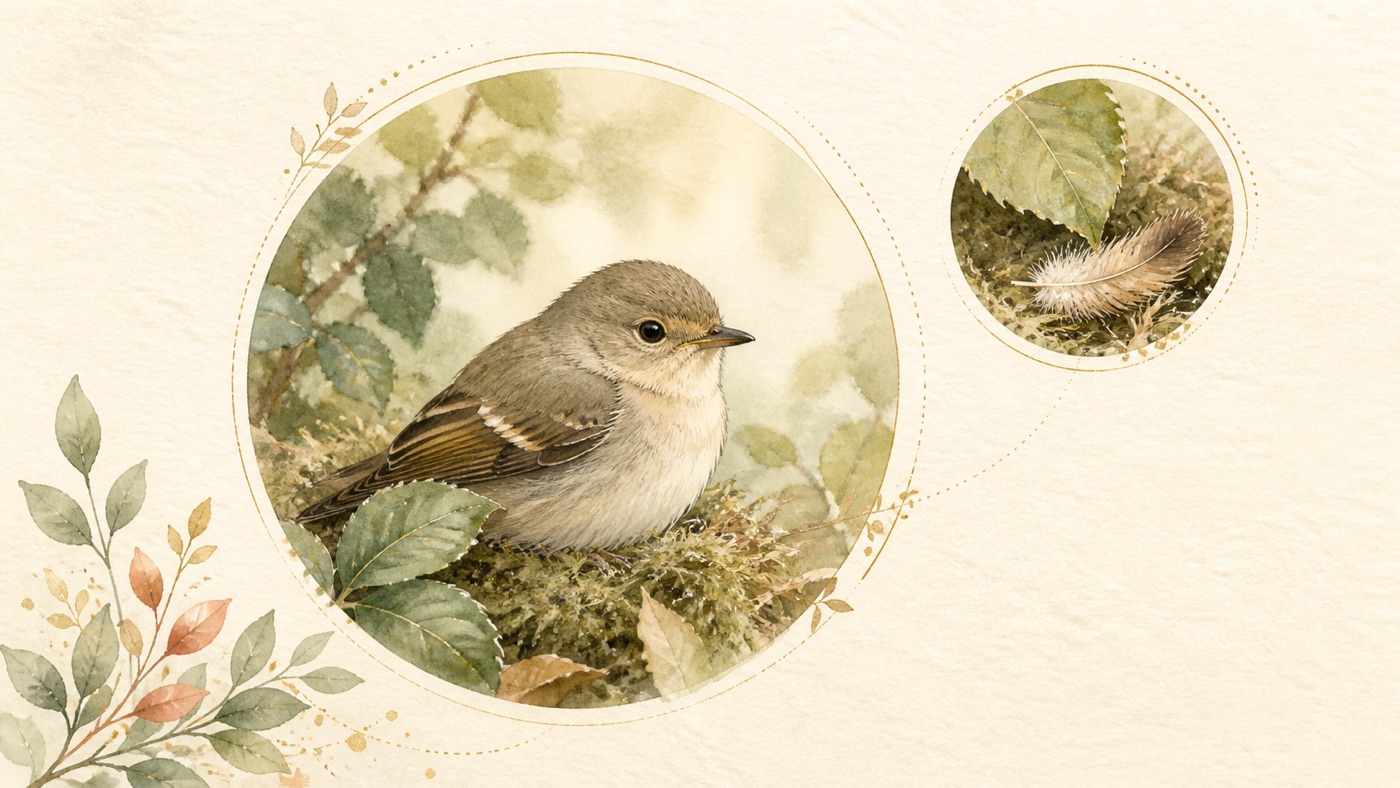
Wildlife and Working Animals|🚨 First Priority: If You Have Picked Up an Injured or Lone Wild Animal, Read This First
The three things to get right when you find a lone or injured wild animal: do not pick it up, do not feed it, and call a rescue organisation. An exceptions table follows, listing the situations that call for immediate action — obvious wounds and bleeding, being bitten by a cat or dog, hitting glass or a vehicle, landing on a road or in a drain, a parent bird or mother confirmed dead, and a hairless, cold youngster — together with the principle of minimal intervention while waiting to hand the animal over. It also explains why no rescue phone number is given here and asks you to look up the contact point for your own area, and warns about personal safety and zoonotic risk when handling wildlife.
Wildlife and Working Animals|🚨 First Priority: If You Have Picked Up an Injured or Lone Wild Animal, Read This First
This section is compiled from the Wildlife and Working Animals chapter of the veterinary animal encyclopedia. The same symptom calls for different handling in different species, and copying what is done for another species can be harmful — first confirm which animal you are dealing with.
This section is the main reason this document exists. If you only have 30 seconds, reading this section is enough.
Three things; getting these three right is all that is needed
1. Do not pick it up
When a fledgling falls out of the nest, the parent birds are usually still nearby and you simply have not seen them — they have not abandoned the chick. A young mammal that looks "alone" is very often waiting while its mother is briefly away foraging, and she will come back later. Picking it up means the animal loses its chance of parental care for good — that is usually a hindrance rather than a rescue. Unless the situation matches the exceptions table below, keep your hands off: observe first and call first.
2. Do not feed it
Diets differ enormously between species and you do not know what this animal should really eat; feeding the wrong food is often more likely to be fatal than not feeding at all. Forcing water or milk into a weak animal's mouth with a dropper, spoon or bottle can make it choke, with water or food entering the windpipe and lungs, which is more dangerous than being hungry. If the animal is already injured or its body temperature is low, its body cannot digest normally, and the risk of feeding is higher again.
3. Call — do not handle it yourself
Call the following types of organisation (look up the specific names and phone numbers for your own area yourself; they are not given here):
- The local wildlife rescue centre
- The animal protection or agricultural authority
- A veterinary clinic with experience of wildlife
⚠️ [Verification result: no fixed value should be given for this item — rescue contact points differ from place to place] Areas differ and organisations differ, and a wrong number is more dangerous than no number, because it makes the reader waste the golden window of a rescue on a wrong call. Search for "your area + wildlife rescue" to find the correct contact point.
Exceptions: situations that call for immediate action
| Situation | Why to step in | What to do (minimal intervention) | What to avoid entirely |
|---|---|---|---|
| Obvious wound and bleeding | Bleeding may keep getting worse and can be fatal | Cover indirectly with cloth or a towel, move the animal gently into a ventilated covered cardboard box, and hand it to a rescue organisation as soon as possible | Stopping the bleeding, applying medication or bandaging the wound yourself |
| Bitten by a cat or dog (even with no visible wound) | The infection risk from cat and dog mouth bacteria is very high; no visible injury does not mean nothing is wrong, and internal infection can be fatal with a delay | Isolate it at once in a container such as a cardboard box, and state clearly to the rescue organisation that it was "bitten by a cat or dog" | Putting it back where it was because it "looks fine" |
| Motionless after hitting glass or a vehicle | There may be concussion, internal bleeding or fractures, and what is most needed now is quiet and professional assessment | Cover with cloth to reduce stress, move it to a quiet dark place, and contact a rescue organisation as soon as possible | Shaking or tapping it to check whether it is still alive, or forcing it to stand or fly |
| Landed on a road, in a drain or another place of immediate danger | There is an immediate risk of secondary injury (being hit by another vehicle, drowning) | One of the few "move first, then call" exceptions — use cloth or a cardboard box to move it indirectly to a safe spot at the roadside, then call immediately | Grabbing it with bare hands, or lingering in traffic to work out what to do |
| Parent bird or mother confirmed dead | The young has definitively lost its source of parental care | Note where it was found and contact a rescue organisation to explain the situation | Taking it home and trying to hand-rear it yourself |
| A youngster with no fur at all and cold to the touch | Low body temperature is itself an emergency, the developmental stage is very early, and survival depends heavily on professional intervention | Contact a rescue organisation immediately, say "hairless and cold", and wait or transfer according to their instructions | Putting a heat pack directly against the skin, warming it in your pocket, or trying to feed and rewarm it yourself |
If temporary housing is unavoidable: the principle of minimal intervention
While waiting for a rescue organisation to respond or to take the animal, do only these things:
- Quiet: keep it away from human voices, television sound and other animals such as dogs and cats.
- Dark: cover the container with cloth to reduce visual stimulation and stress.
- Ventilated: the container needs air holes and must not be sealed.
- Warm but not in direct contact with the heat source: let the animal move freely away from the heat, and under no circumstances let it lie directly against a heat pack or heater.
- No contact with people or pets: keep all unnecessary handling and crowding around to a minimum.
- No photography or disturbance: flash and onlookers are themselves an extra source of stress.
- Transfer to a lawful organisation as soon as possible: housing is only an interim step, and the goal is to hand the animal to professionals quickly, not to keep it yourself.
⚠️ This section deliberately does not cover feeding formulas, tube-feeding methods, any medication, or bandaging and splinting methods — these all need professional judgement and execution, and attempting them yourself is very risky, which is the core reason this section exists.
Personal safety and regulatory reminders
- Some wild animals are aggressive and may carry zoonoses (such as rabies) — do not handle them with bare hands, wear gloves when handling is unavoidable, and wash your hands thoroughly afterwards.
- ⚠️ Many areas have rules on possessing, keeping or transporting wild animals, and rescue should be left to lawful organisations. (This text states only the fact that rules exist and that lawful organisations should handle the animal; it does not provide specific provisions, penalties or legal advice.)
Limits of this content
This content comes from the Wildlife and Working Animals chapter of the veterinary encyclopedia (see the evidence chain for the original location and content hash). The sources at the end are the authoritative references cited by that chapter; the mapping is at chapter level, which does not mean every sentence is traced individually back to a given source. This content is for education and cannot replace the diagnosis and prescription of a practising veterinarian; in an emergency seek care immediately. This text has not been clinically reviewed by a named veterinarian.
FAQ
- I found a fledgling on the ground. Should I take it home?
- Most of the time the parent birds are still nearby and you simply have not seen them, and a young mammal that looks alone is often waiting while its mother is briefly away foraging and will come back later. Picking it up means it loses its chance of parental care, which is usually a hindrance. Unless the situation matches the exceptions, observe first and call first.
- ひな鳥が地面に落ちているのを見つけました。家に持ち帰るべきですか。 — 多くの場合、親鳥はまだ近くにいて、あなたに見えていないだけです。幼獣が一頭でいるように見える場合も、母獣が一時的に採食に出ていて後で戻ってくることがよくあります。拾うことはその動物が親の世話を受ける機会を失うことを意味し、多くの場合かえって邪魔になります。例外に当てはまる場合を除き、まず観察し、まず電話してください。
- I found a fledgling on the ground. Should I take it home? — Most of the time the parent birds are still nearby and you simply have not seen them, and a young mammal that looks alone is often waiting while its mother is briefly away foraging and will come back later. Picking it up means it loses its chance of parental care, which is usually a hindrance. Unless the situation matches the exceptions, observe first and call first.
- Can I give it a little water or milk first?
- Do not feed it. Diets differ enormously between species, and feeding the wrong food is often more likely to be fatal than not feeding at all; forcing liquid in with a dropper, spoon or bottle can make the animal choke and let water or food enter the windpipe and lungs. If it is already injured or its body temperature is low, its body cannot digest normally and the risk of feeding is higher.
- とりあえず水やミルクを少し与えてもよいですか。 — 与えないでください。動物種によって食性は大きく異なり、誤った食べ物を与えることは与えないことより致命的になりやすいのです。スポイトやスプーン、哺乳瓶で無理に流し込むと、むせて水や食べ物が気管や肺に入ることがあります。すでにけがをしている、または低体温の場合は体が正常に消化できず、与えるリスクはさらに高くなります。
- Can I give it a little water or milk first? — Do not feed it. Diets differ enormously between species, and feeding the wrong food is often more likely to be fatal than not feeding at all; forcing liquid in with a dropper, spoon or bottle can make the animal choke and let water or food enter the windpipe and lungs. If it is already injured or its body temperature is low, its body cannot digest normally and the risk of feeding is higher.
- What can I do while waiting for the rescue organisation to respond?
- Only these things: quiet, dark, ventilated, and warm but not in direct contact with the heat source, letting the animal move freely away from the heat; no contact with people or pets, and no photography or disturbance; and transfer to a lawful organisation as soon as possible. Feeding formulas, tube-feeding, medication, bandaging and splinting all need professional judgement and execution.
- 救護団体の応答を待つ間に何ができますか。 — 静か、暗い、通気、そして保温するが熱源に直接触れさせない、この四つだけを行い、動物が自由に動いて熱源から離れられるようにしてください。人やペットと接触させず、写真を撮って邪魔をせず、できるだけ早く適法な団体へ引き渡してください。給餌の配合、強制給餌、薬剤、包帯や固定はいずれも専門家の判断と実施を要します。
- What can I do while waiting for the rescue organisation to respond? — Only these things: quiet, dark, ventilated, and warm but not in direct contact with the heat source, letting the animal move freely away from the heat; no contact with people or pets, and no photography or disturbance; and transfer to a lawful organisation as soon as possible. Feeding formulas, tube-feeding, medication, bandaging and splinting all need professional judgement and execution.
Source anchors
- Merck 獸醫手冊|野生與工作動物章引用 · https://www.merckvetmanual.com/special-pet-topics/emergencies/what-to-do-in-a-dog-or-cat-emergency · 在 IDAEO 的其他引用
- Merck 獸醫手冊|野生與工作動物章引用 · https://www.merckvetmanual.com/special-subjects/reference-guides/normal-rectal-temperature-ranges · 在 IDAEO 的其他引用
- PubMed 文獻|野生與工作動物章引用 · https://pubmed.ncbi.nlm.nih.gov/19074339/ · 在 IDAEO 的其他引用
- PubMed 文獻|野生與工作動物章引用 · https://pubmed.ncbi.nlm.nih.gov/26616425/ · 在 IDAEO 的其他引用
- theiwrc.org|野生與工作動物章引用 · https://theiwrc.org/ · 在 IDAEO 的其他引用
- www.acvs.org|野生與工作動物章引用 · https://www.acvs.org/small-animal/canine-hip-dysplasia/ · 在 IDAEO 的其他引用
- www.eaza.net|野生與工作動物章引用 · https://www.eaza.net/ · 在 IDAEO 的其他引用
- www.iucn.org|野生與工作動物章引用 · https://www.iucn.org/our-union/commissions/species-survival-commission · 在 IDAEO 的其他引用
- www.lsu.edu|野生與工作動物章引用 · https://www.lsu.edu/vetmed/deafness/baerexpl.php · 在 IDAEO 的其他引用
- 本文證據鏈:原始章節位置與內容雜湊 · https://km.idaeo.ai/reports/vet-injured-wildlife-first-steps-evidence · 在 IDAEO 的其他引用
Cite this article
Jane・《Wildlife and Working Animals|🚨 First Priority: If You Have Picked Up an Injured or Lone Wild Animal, Read This First》・IDAEO 知識庫・2026-08-13・https://km.idaeo.ai/post/vet/injured-wildlife-first-stepsUpdated 2026-08-15