

🏛 Part of the "vet" topic shelf →
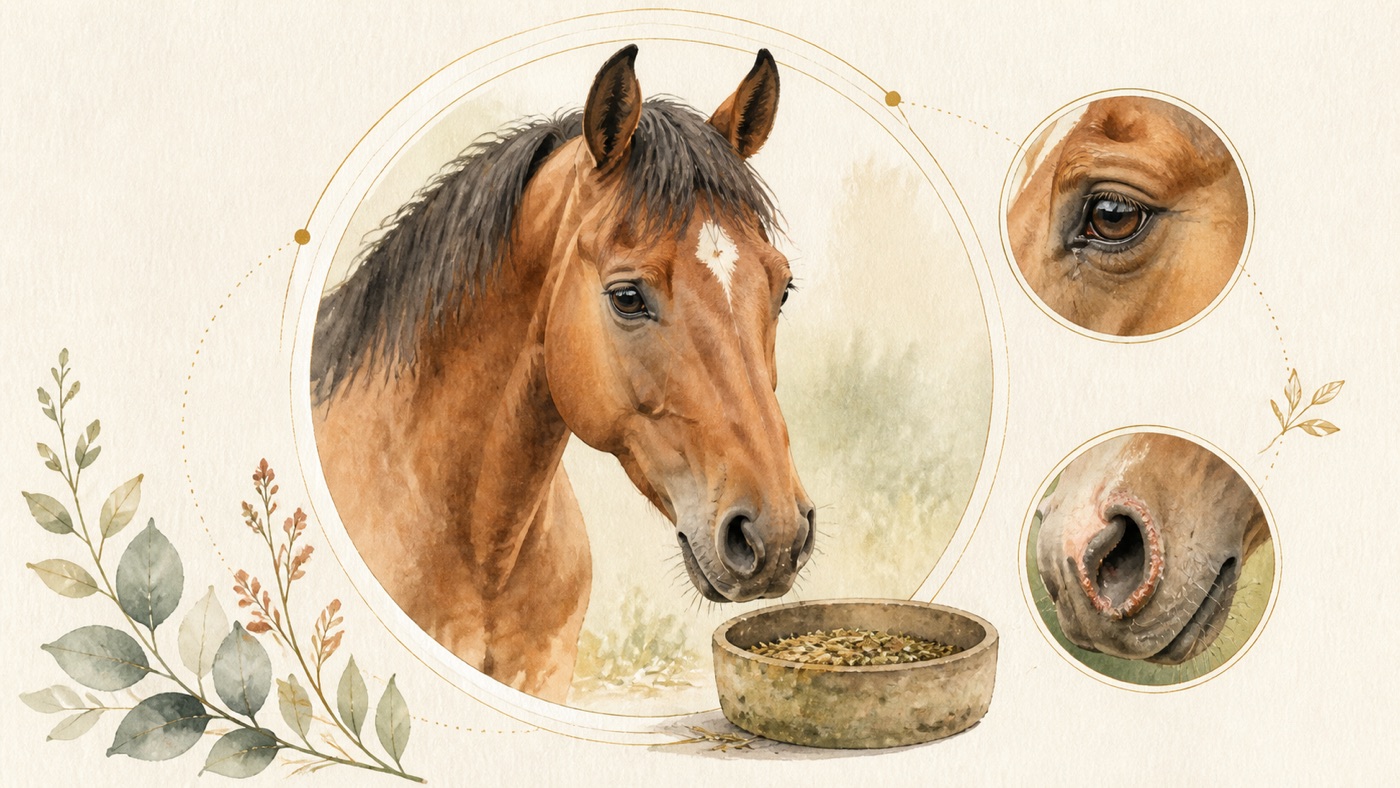
Farm Animals and Horses|The 5 Most Common Fatal Mistakes Owners Make (plain-language version, written for readers with no formal schooling)
The five most common fatal mistakes farm owners make, explained in plain words: changing a horse's feed suddenly or feeding too much grain; cattle, sheep and goats suddenly getting a large amount of grain; injecting or medicating food-producing animals yourself without knowing the withdrawal period; feeding high-copper mineral supplements to sheep; and keeping backyard chickens without ventilation or isolation and keeping bees without managing mites. Each item explains what goes wrong and how to avoid it. No veterinary background is needed, so it can be printed out for whoever does the feeding at home, blocking the actions that most often go wrong and showing which situations call for a veterinarian at once.
Farm Animals and Horses|The 5 Most Common Fatal Mistakes Owners Make (plain-language version, written for readers with no formal schooling)
This section is compiled from the Farm Animals and Horses chapter of the veterinary animal encyclopedia. The same symptom calls for different handling in different species, and copying what is done for another species can be harmful — first confirm which animal you are dealing with.
- Changing a horse's feed suddenly or feeding too much grain → colic and laminitis, which can be fatal within hours.
A horse's gut is not like ours: it cannot vomit, so when its belly goes wrong it can only endure. Suddenly giving a lot of grain, suddenly switching to a new batch of hay, or letting a horse eat its fill of the soft, sweet spring grass can all bring on colic, or make the hooves so inflamed and painful that the horse does not dare walk. Change feed slowly, give grain in small portions spread out, and do not feed a full load at once. If the horse rolls on the ground, keeps looking back at its belly, or stops passing droppings, get a veterinarian at once and do not wait.
- Suddenly giving cattle, sheep or goats a lot of grain → ruminal acidosis, which may leave no time to help.
A ruminant's stomach holds a huge population of bacteria that help with digestion, and they need time to adapt to new food. If a large amount of grain arrives suddenly (for example the animal sneaks into the feed store and eats its fill), those bacteria ferment explosively and turn the stomach sour; the animal becomes very dull, gets diarrhoea, and may even die suddenly. Make every feed change one step at a time, keep grain limited at all times, and let forage be the staple.
- Injecting or medicating food-producing animals yourself without knowing how long to wait before the eggs, milk or meat can be eaten.
Cattle, sheep, pigs, chickens and bees produce meat, milk, eggs and honey for people, and after a medicine is used the body needs time to clear it. This waiting time is called the withdrawal period, and because animals and medicines differ it is completely different from case to case, so there is no single fixed number of days that can be applied to all of them. Buying medicines and injecting them yourself may harm the animal, and may also let eggs, milk or meat that still carry residues reach the table too early. Every use of medicine should go through a veterinarian; do not act as your own doctor.
- Feeding "livestock minerals" carelessly, especially to sheep — sheep given high-copper minerals can be poisoned and die.
Goats need far more copper than sheep, and some mineral supplements on the market are formulated to a goat's requirement. If they are fed to sheep, the sheep are poisoned by the excess copper and in severe cases can die. If you keep sheep and goats at the same time, the minerals must be chosen and fed separately, and cannot be mixed into one product for convenience.
- Keeping backyard chickens without caring about ventilation and isolation, and keeping bees without managing varroa and other mites → the whole group falls ill or dies together.
With backyard chickens, a house that is too crowded and poorly ventilated, or new birds mixed in with the old ones without isolation and observation first, makes it easy for something like avian influenza to bring down the entire flock at once; avian influenza can also infect people, so a suspicion should be reported immediately rather than buried and forgotten. With bees, if the hive is never checked for varroa mites (a small parasite that feeds on bees and also spreads viruses through the whole colony), the colony may well collapse before you notice. Regular hive inspections, isolating new animals first, and reporting unusual deaths are the most basic and most easily neglected duties of a backyard keeper.
Limits of this content
This content comes from the Farm Animals and Horses chapter of the veterinary encyclopedia (see the evidence chain for the original location and content hash). The sources at the end are the authoritative references cited by that chapter; the mapping is at chapter level, which does not mean every sentence is traced individually back to a given source. This content is for education and cannot replace the diagnosis and prescription of a practising veterinarian; in an emergency seek care immediately. This text has not been clinically reviewed by a named veterinarian.
FAQ
- Why is suddenly changing a horse's feed or giving extra grain so dangerous?
- A horse cannot vomit, so when its belly goes wrong it can only endure. Suddenly giving a lot of grain, suddenly switching to a new batch of hay, or letting it eat its fill of soft spring grass can all bring on colic or make the hooves so inflamed and painful that the horse does not dare walk. Change feed slowly and give grain in small portions spread out; if the horse rolls on the ground, keeps looking back at its belly or stops passing droppings, get a veterinarian at once.
- ウマの飼料を急に変えたり穀物を多く与えたりすると、なぜそれほど危険なのですか。 — ウマは吐くことができず、お腹に問題が起きても耐えるしかないからです。急に大量の穀物を与える、急に別のロットの草に切り替える、春の柔らかい草を好きなだけ食べさせる、そのいずれもウマの疝痛や、蹄の炎症による強い痛みで歩けなくなる状態を招きえます。飼料の変更はゆっくり、穀物は少量ずつ分けて与えてください。ウマが地面で転げ回る、しきりにお腹を振り返る、糞が出ない場合はすぐ獣医師を呼んでください。
- Why is suddenly changing a horse's feed or giving extra grain so dangerous? — A horse cannot vomit, so when its belly goes wrong it can only endure. Suddenly giving a lot of grain, suddenly switching to a new batch of hay, or letting it eat its fill of soft spring grass can all bring on colic or make the hooves so inflamed and painful that the horse does not dare walk. Change feed slowly and give grain in small portions spread out; if the horse rolls on the ground, keeps looking back at its belly or stops passing droppings, get a veterinarian at once.
- Can I give goat minerals to my sheep?
- No. Goats need far more copper than sheep, so a mineral supplement formulated to a goat's requirement will poison sheep with excess copper, and in severe cases they can die. When keeping sheep and goats at the same time, the minerals must be chosen and fed separately.
- ヤギ用の鉱物飼料をヒツジに与えてもよいですか。 — いけません。ヤギに必要な銅はヒツジよりずっと多く、ヤギの必要量に合わせて配合された鉱物飼料をヒツジに与えると、ヒツジは銅が多すぎて中毒し、重い場合は死ぬこともあります。ヒツジとヤギを同時に飼うときは、鉱物飼料を別々に選び、別々に与えてください。
- Can I give goat minerals to my sheep? — No. Goats need far more copper than sheep, so a mineral supplement formulated to a goat's requirement will poison sheep with excess copper, and in severe cases they can die. When keeping sheep and goats at the same time, the minerals must be chosen and fed separately.
- What is most easily neglected when keeping backyard chickens and bees?
- Regular hive inspections, isolating new animals first, and reporting unusual deaths. A chicken house that is too crowded and poorly ventilated, or new birds mixed in without isolation, can let avian influenza bring down the whole flock at once, and it can also infect people. With bees, if varroa mites are never checked for, the colony may collapse before you notice.
- 裏庭でニワトリやミツバチを飼うとき、最も見落とされやすい務めは何ですか。 — 定期的な巣箱の点検、新しい動物をまず隔離すること、異常な死亡を見つけたら届け出ることです。鶏舎が過密で換気が悪い、新しいニワトリを隔離せずに混ぜる、といった状況では鳥インフルエンザが群全体を一度に倒すことがあり、人にうつることもあります。ミツバチではバロアダニを一度も点検しなければ、巣が気づかないうちに崩壊するおそれがあります。
- What is most easily neglected when keeping backyard chickens and bees? — Regular hive inspections, isolating new animals first, and reporting unusual deaths. A chicken house that is too crowded and poorly ventilated, or new birds mixed in without isolation, can let avian influenza bring down the whole flock at once, and it can also infect people. With bees, if varroa mites are never checked for, the colony may collapse before you notice.
Source anchors
- Merck 獸醫手冊|農場動物與馬章引用 · https://www.merckvetmanual.com/digestive-system/diseases-of-the-ruminant-forestomach/grain-overload-in-ruminants · 在 IDAEO 的其他引用
- Merck 獸醫手冊|農場動物與馬章引用 · https://www.merckvetmanual.com/digestive-system/diseases-of-the-ruminant-forestomach/subacute-ruminal-acidosis-in-cattle-and-sheep · 在 IDAEO 的其他引用
- Merck 獸醫手冊|農場動物與馬章引用 · https://www.merckvetmanual.com/exotic-and-laboratory-animals/miniature-pet-pigs/overview-of-miniature-pet-pigs · 在 IDAEO 的其他引用
- Merck 獸醫手冊|農場動物與馬章引用 · https://www.merckvetmanual.com/generalized-conditions/hendra-virus-infection/hendra-virus-infection-in-horses · 在 IDAEO 的其他引用
- Merck 獸醫手冊|農場動物與馬章引用 · https://www.merckvetmanual.com/horse-owners/introduction-to-horses/description-and-physical-characteristics-of-horses · 在 IDAEO 的其他引用
- Merck 獸醫手冊|農場動物與馬章引用 · https://www.merckvetmanual.com/infectious-diseases/clostridial-diseases/clostridial-vaccines-for-animals · 在 IDAEO 的其他引用
- Merck 獸醫手冊|農場動物與馬章引用 · https://www.merckvetmanual.com/management-and-nutrition/preventative-health-care-and-husbandry-of-horses/dental-care-of-horses · 在 IDAEO 的其他引用
- Merck 獸醫手冊|農場動物與馬章引用 · https://www.merckvetmanual.com/management-and-nutrition/preventative-health-care-and-husbandry-of-horses/vaccination-program-for-horses · 在 IDAEO 的其他引用
- Merck 獸醫手冊|農場動物與馬章引用 · https://www.merckvetmanual.com/multimedia/table/vital-signs-in-adult-camelids · 在 IDAEO 的其他引用
- Merck 獸醫手冊|農場動物與馬章引用 · https://www.merckvetmanual.com/reference-values-and-conversion-tables/reference-guides/normal-rectal-temperature-ranges · 在 IDAEO 的其他引用
- Merck 獸醫手冊|農場動物與馬章引用 · https://www.merckvetmanual.com/reference-values-and-conversion-tables/reference-guides/resting-heart-rates · 在 IDAEO 的其他引用
- Merck 獸醫手冊|農場動物與馬章引用 · https://www.merckvetmanual.com/reference-values-and-conversion-tables/reference-guides/resting-respiratory-rates · 在 IDAEO 的其他引用
- Merck 獸醫手冊|農場動物與馬章引用 · https://www.merckvetmanual.com/toxicology/copper-poisoning/copper-poisoning-in-animals · 在 IDAEO 的其他引用
- PMC 全文|農場動物與馬章引用 · https://pmc.ncbi.nlm.nih.gov/articles/PMC6125241/ · 在 IDAEO 的其他引用
- PubMed 文獻|農場動物與馬章引用 · https://pubmed.ncbi.nlm.nih.gov/11295509/ · 在 IDAEO 的其他引用
- WOAH 世界動物衛生組織|農場動物與馬章引用 · https://www.woah.org/en/disease/diseases-of-bees/ · 在 IDAEO 的其他引用
- WOAH 世界動物衛生組織|農場動物與馬章引用 · https://www.woah.org/en/disease/foot-and-mouth-disease/ · 在 IDAEO 的其他引用
- WOAH 世界動物衛生組織|農場動物與馬章引用 · https://www.woah.org/en/what-we-do/animal-health-and-welfare/animal-diseases/ · 在 IDAEO 的其他引用
- aaep.org|農場動物與馬章引用 · https://aaep.org/ · 在 IDAEO 的其他引用
- extension.arizona.edu|農場動物與馬章引用 · https://extension.arizona.edu/sites/extension.arizona.edu/files/pubs/az2014-2022.pdf · 在 IDAEO 的其他引用
- extension.psu.edu|農場動物與馬章引用 · https://extension.psu.edu/animals-and-livestock/llamas-and-alpacas/health-and-care · 在 IDAEO 的其他引用
- u.osu.edu|農場動物與馬章引用 · https://u.osu.edu/gofarmohio/2026/06/16/livestock-biosecurity-basics-for-the-small-farm/ · 在 IDAEO 的其他引用
- www.canr.msu.edu|農場動物與馬章引用 · https://www.canr.msu.edu/news/what-is-the-buzz-around-cow-longevity · 在 IDAEO 的其他引用
- www.thedonkeysanctuary.org.uk|農場動物與馬章引用 · https://www.thedonkeysanctuary.org.uk/for-professionals · 在 IDAEO 的其他引用
- 本文證據鏈:原始章節位置與內容雜湊 · https://km.idaeo.ai/reports/vet-farm-owner-mistakes-evidence · 在 IDAEO 的其他引用
Cite this article
Jane・《Farm Animals and Horses|The 5 Most Common Fatal Mistakes Owners Make (plain-language version, written for readers with no formal schooling)》・IDAEO 知識庫・2026-08-13・https://km.idaeo.ai/post/vet/farm-owner-mistakesUpdated 2026-08-15