

🏛 Part of the "reports" topic shelf →
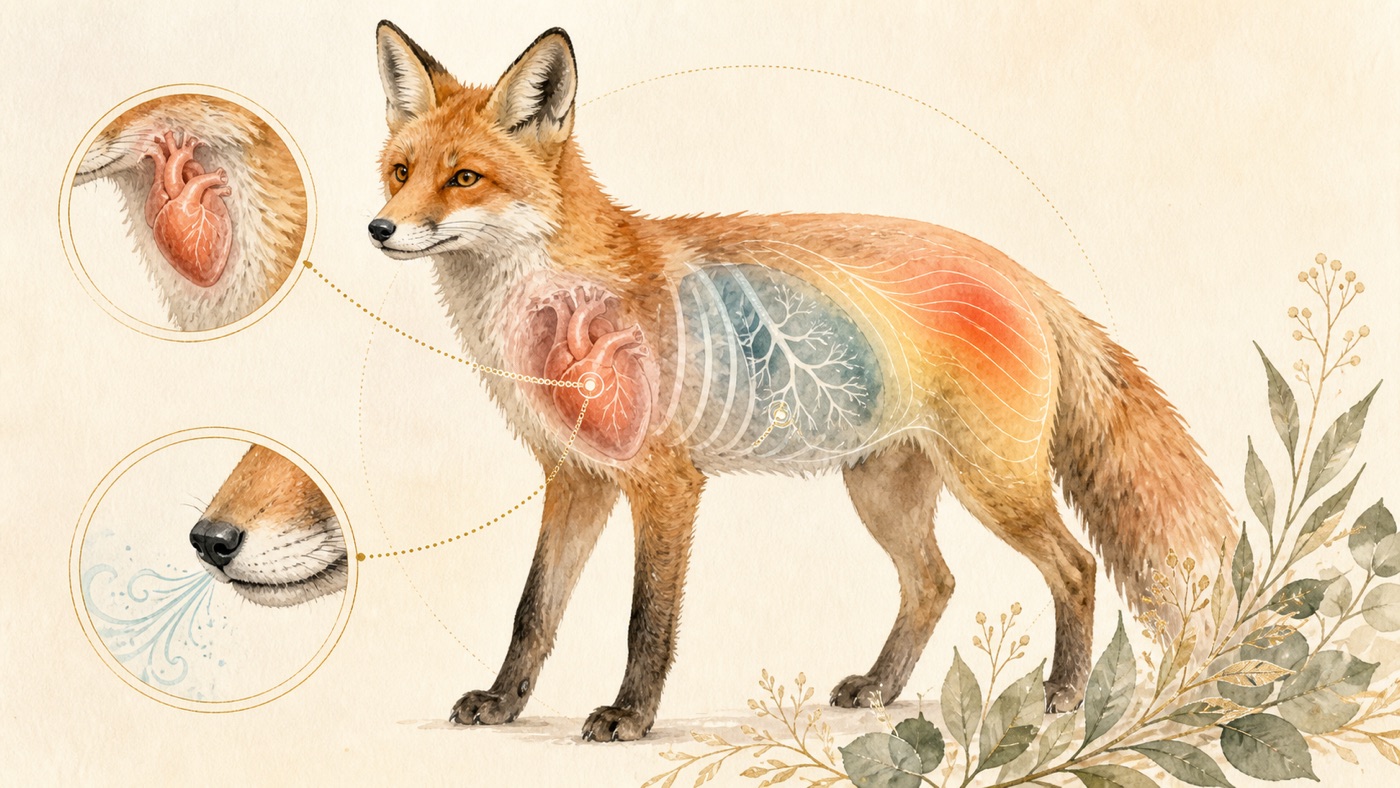
Wildlife and Working Animals|Normal Physiological Parameters (what to measure / how to measure / direction of abnormality) | Evidence chain
This record notes the source location and content hash of "Wildlife and Working Animals|Normal Physiological Parameters (what to measure / how to measure / direction of abnormality)", so the text can be checked against the original.
Wildlife and Working Animals|Normal Physiological Parameters (what to measure / how to measure / direction of abnormality) | Evidence chain
This record notes the source location and content hash of "Wildlife and Working Animals|Normal Physiological Parameters (what to measure / how to measure / direction of abnormality)", so the text can be checked against the original.
How to use this record to verify
This record exists so that anyone can check for themselves whether the text has been altered. Every chapter of the veterinary encyclopaedia carries a starting line number and a content hash (the first 16 characters of its SHA-256). Recompute the hash over the original chapter: if it matches the value recorded below, what is published here is identical to the source chapter. The source list at the end is the authoritative material cited by that chapter — a chapter-level correspondence, meaning those sources underpin the chapter as a whole rather than mapping sentence by sentence. This is educational information and cannot replace a practising veterinarian; in an emergency, seek care immediately.
This record notes the source location of "Wildlife and Working Animals|Normal Physiological Parameters (what to measure / how to measure / direction of abnormality) | Evidence chain": the section beginning at line 91 of `29-獨立軌-野生動物園工作動物.md` in the veterinary encyclopaedia. The SHA-256 of that section (first 16 characters) is `05c8de587097443d`, which anyone can recompute to confirm the content has not been altered.
Source location
- File: Veterinary Animal Encyclopaedia — Wildlife and Working Animals
- Starting line: line 91
- Chapter section title: 2. 正常生理指標(要量哪些/量測方法/異常方向)
- Content hash: `05c8de587097443d`
- Character count: 1,637
FAQ
- I picked up a wild bird. Can I take its temperature or pulse myself?
- Ordinary people should not attempt measurement. Restraining a wild animal by hand carries a risk of bites, scratches and zoonoses for the person, and for the animal a risk of capture myopathy (muscle necrosis from excessive stress and struggling, which can be fatal). All an ordinary person should do is observe consciousness, whether the animal can stand or fly on its own, whether there is obvious bleeding or exposed fracture, and whether breathing is regular, and report this verbally to the rescue organisation.
- 野鳥を拾いました。自分で体温や心拍を測ってもよいですか。 — 一般の人は測定を試みるべきではありません。野生動物を素手で保定することは、人にとって咬傷、掻傷、人獣共通感染症のリスクがあり、動物にとっては捕獲性筋疾患(過度のストレスともがきによる筋壊死で、致死的となりうる)のリスクがあります。一般の人が行うべきなのは、意識、自力で立てるか飛べるか、明らかな出血や骨折の露出の有無、呼吸が規則的かを観察し、救護団体に口頭で伝えることだけです。
- I picked up a wild bird. Can I take its temperature or pulse myself? — Ordinary people should not attempt measurement. Restraining a wild animal by hand carries a risk of bites, scratches and zoonoses for the person, and for the animal a risk of capture myopathy (muscle necrosis from excessive stress and struggling, which can be fatal). All an ordinary person should do is observe consciousness, whether the animal can stand or fly on its own, whether there is obvious bleeding or exposed fracture, and whether breathing is regular, and report this verbally to the rescue organisation.
- I found two sets of figures for normal canine rectal temperature. Which should I use?
- The two do not contradict each other; they are different constructs. 37.5–39.2°C (99.5–102.5°F) is the complete physiological range and is the set to use when judging fever or low temperature. About 101.5–102°F (38.6–38.9°C) is a rough first-aid field value that merges dogs and cats, and it suits only quick mental arithmetic in the field.
- 犬の正常直腸温に二組の数値が見つかりました。どちらを使えばよいですか。 — 両者は矛盾ではなく、構成概念が異なります。37.5–39.2°C(99.5–102.5°F)は完全な生理的範囲で、発熱か低体温かの判断にはこちらを使います。約 101.5–102°F(38.6–38.9°C)は犬と猫をまとめた救急現場の概略値で、現場での素早い暗算にのみ向きます。
- I found two sets of figures for normal canine rectal temperature. Which should I use? — The two do not contradict each other; they are different constructs. 37.5–39.2°C (99.5–102.5°F) is the complete physiological range and is the set to use when judging fever or low temperature. About 101.5–102°F (38.6–38.9°C) is a rough first-aid field value that merges dogs and cats, and it suits only quick mental arithmetic in the field.
- Is there a body temperature cut-off for heatstroke in working dogs that I can memorise?
- No. The allowlisted sources do not provide a heatstroke temperature cut-off specific to working dogs; that source lists only the behavioural warning signs of heatstroke, such as hot skin, vomiting, drooling, rapid panting, altered consciousness, collapse and coma, and substituting an unconfirmed cut-off temperature of your own is not permitted.
- 使役犬の熱中症に、覚えておける体温の切点はありますか。 — ありません。許可リストの出典は使役犬に固有の熱中症の体温の切点を示しておらず、当該出典は熱中症の警告となる行動徴候、たとえば皮膚の熱感、嘔吐、流涎、速い開口呼吸、意識変化、倒れる、昏睡のみを挙げています。未確認の切点温度を独自に当てはめることは禁じられています。
- Is there a body temperature cut-off for heatstroke in working dogs that I can memorise? — No. The allowlisted sources do not provide a heatstroke temperature cut-off specific to working dogs; that source lists only the behavioural warning signs of heatstroke, such as hot skin, vomiting, drooling, rapid panting, altered consciousness, collapse and coma, and substituting an unconfirmed cut-off temperature of your own is not permitted.
Source anchors
- Merck 獸醫手冊|野生與工作動物章引用 · https://www.merckvetmanual.com/special-pet-topics/emergencies/what-to-do-in-a-dog-or-cat-emergency · 在 IDAEO 的其他引用
- Merck 獸醫手冊|野生與工作動物章引用 · https://www.merckvetmanual.com/special-subjects/reference-guides/normal-rectal-temperature-ranges · 在 IDAEO 的其他引用
- PubMed 文獻|野生與工作動物章引用 · https://pubmed.ncbi.nlm.nih.gov/19074339/ · 在 IDAEO 的其他引用
- PubMed 文獻|野生與工作動物章引用 · https://pubmed.ncbi.nlm.nih.gov/26616425/ · 在 IDAEO 的其他引用
- theiwrc.org|野生與工作動物章引用 · https://theiwrc.org/ · 在 IDAEO 的其他引用
- www.acvs.org|野生與工作動物章引用 · https://www.acvs.org/small-animal/canine-hip-dysplasia/ · 在 IDAEO 的其他引用
- www.eaza.net|野生與工作動物章引用 · https://www.eaza.net/ · 在 IDAEO 的其他引用
- www.iucn.org|野生與工作動物章引用 · https://www.iucn.org/our-union/commissions/species-survival-commission · 在 IDAEO 的其他引用
- www.lsu.edu|野生與工作動物章引用 · https://www.lsu.edu/vetmed/deafness/baerexpl.php · 在 IDAEO 的其他引用
Cite this article
Jane・《Wildlife and Working Animals|Normal Physiological Parameters (what to measure / how to measure / direction of abnormality) | Evidence chain》・IDAEO 知識庫・2026-08-13・https://km.idaeo.ai/post/reports/vet-wildlife-vital-signs-evidenceUpdated 2026-08-15