Part of the "Veterinary" topic shelf → ← Back to the article:Symptom Triage|Breathing and Coughing
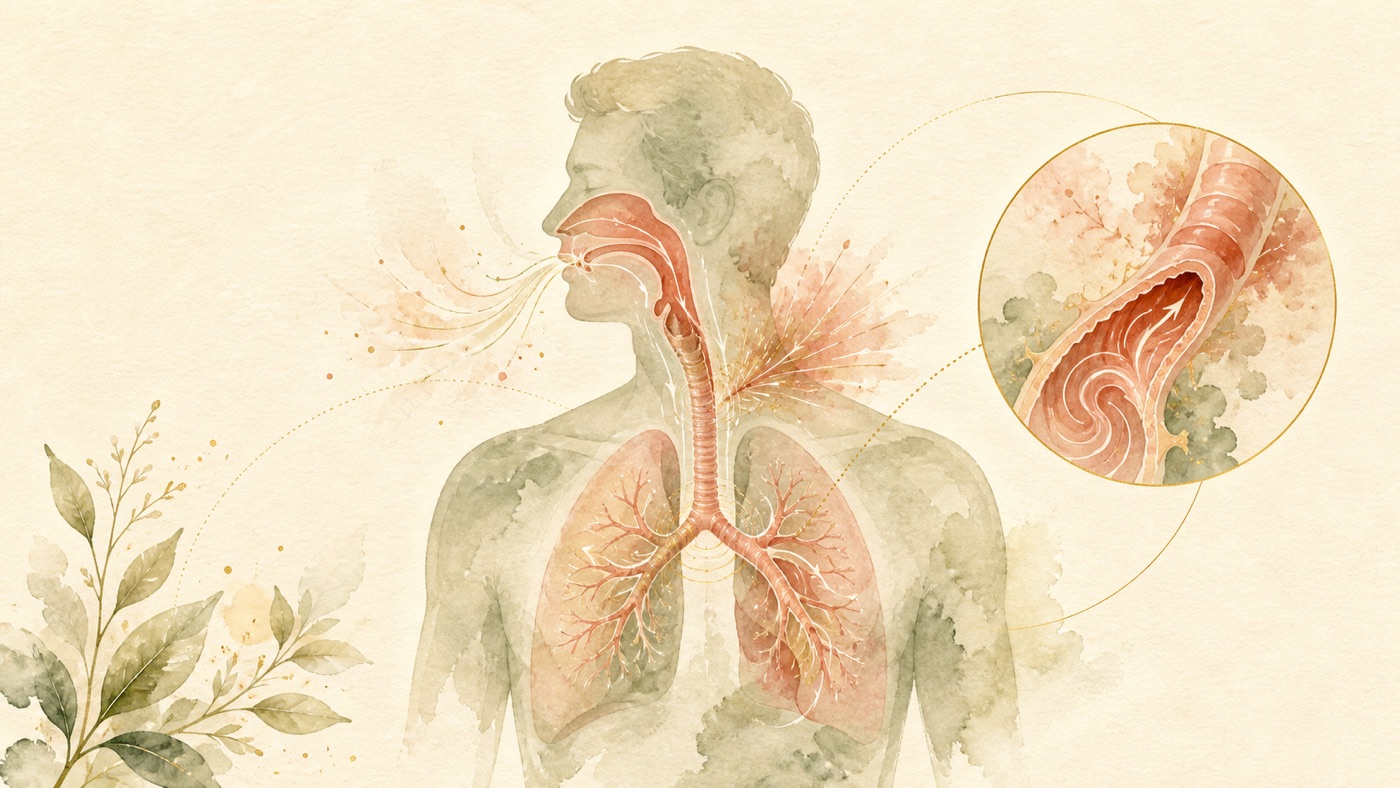
Symptom Triage|Breathing and Coughing | Evidence chain
This record notes the source location and content hash of "Symptom Triage|Breathing and Coughing", so the text can be checked against the original.
This record notes the source location and content hash of "Symptom Triage|Breathing and Coughing", so the text can be checked against the original.
How to use this record to verify
This record exists so that anyone can check for themselves whether the text has been altered. Every chapter of the veterinary encyclopaedia carries a starting line number and a content hash (the first 16 characters of its SHA-256). Recompute the hash over the original chapter: if it matches the value recorded below, what is published here is identical to the source chapter. The source list at the end is the authoritative material cited by that chapter — a chapter-level correspondence, meaning those sources underpin the chapter as a whole rather than mapping sentence by sentence. This is educational information and cannot replace a practising veterinarian; in an emergency, seek care immediately.
This record notes the source location of "Symptom Triage|Breathing and Coughing | Evidence chain": the section beginning at line 41 of `30-索引-症狀鑑別.md` in the veterinary encyclopaedia. The SHA-256 of that section (first 16 characters) is `3f38f681a4a8a993`, which anyone can recompute to confirm the content has not been altered.

Source location
- File: Veterinary Animal Encyclopaedia — Symptom Triage
- Starting line: line 41
- Chapter section title: 三、呼吸與咳嗽
- Content hash: `3f38f681a4a8a993`
- Character count: 819
FAQ
- What does open-mouth breathing in a cat mean?
- Open-mouth breathing in a cat is treated as an emergency in almost every case and calls for immediate care. Rapid, laboured breathing with the abdomen heaving may come from heart disease, pulmonary oedema, pleural effusion or airway obstruction in brachycephalic dogs and cats. Keep stimulation to a minimum on the way to the clinic, and you can check whether the mucous membranes look blue and whether exercise tolerance has dropped.
- My dog coughs all night but stops once we reach the clinic. What should I do?
- Film it first. The cough has often stopped by the time of the visit, so a video of how it looks and sounds is the most useful evidence; also record how often it happens and what triggers it, such as exercise, excitement or night-time. A persistent cough calls for a veterinary visit; with breathing difficulty or blue mucous membranes it is an emergency.
- How can I spot an early signal of worsening heart disease at home?
- Count the sleeping respiratory rate. While the animal sleeps, count chest and abdominal movements for one minute; this works for both cats and dogs, and a persistently rising sleeping respiratory rate at home is an early signal of worsening heart disease. If the figure stays high, or blue mucous membranes and reduced exercise tolerance appear at the same time, seek veterinary care.
Source anchors
- Merck 獸醫手冊|症狀鑑別章引用 · https://www.merckvetmanual.com/toxicology/insecticide-and-acaricide-organic-toxicity/plant-derived-insecticide-toxicosis-in-animals · Other citations on IDAEO
- PMC 全文|症狀鑑別章引用 · https://pmc.ncbi.nlm.nih.gov/articles/PMC10385239/ · Other citations on IDAEO
- PMC 全文|症狀鑑別章引用 · https://pmc.ncbi.nlm.nih.gov/articles/PMC10705156/ · Other citations on IDAEO
Cite this article
Jane・《Symptom Triage|Breathing and Coughing | Evidence chain》・IDAEO 知識庫・2026-08-13・https://km.idaeo.ai/post/reports/vet-breathing-and-cough-evidenceUpdated 2026-08-15