Part of the "Veterinary" topic shelf → ← Back to the article:Birds|Group Overview
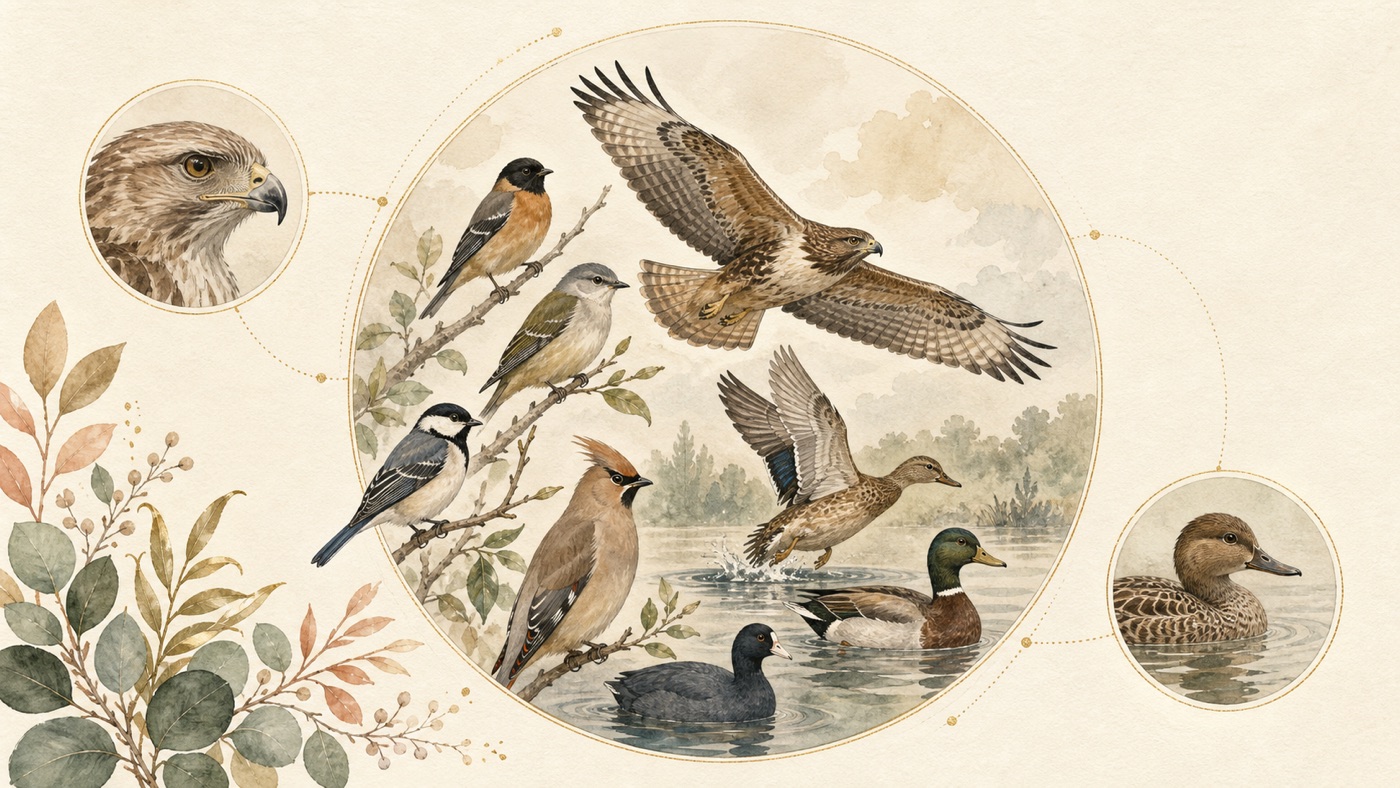
Birds|Group Overview | Evidence chain
This record notes the source location and content hash of "Birds|Group Overview", so the text can be checked against the original.
This record notes the source location and content hash of "Birds|Group Overview", so the text can be checked against the original.
How to use this record to verify
This record exists so that anyone can check for themselves whether the text has been altered. Every chapter of the veterinary encyclopaedia carries a starting line number and a content hash (the first 16 characters of its SHA-256). Recompute the hash over the original chapter: if it matches the value recorded below, what is published here is identical to the source chapter. The source list at the end is the authoritative material cited by that chapter — a chapter-level correspondence, meaning those sources underpin the chapter as a whole rather than mapping sentence by sentence. This is educational information and cannot replace a practising veterinarian; in an emergency, seek care immediately.
This record notes the source location of "Birds|Group Overview | Evidence chain": the section beginning at line 23 of `24-T5-鳥.md` in the veterinary encyclopaedia. The SHA-256 of that section (first 16 characters) is `5d5bc1962002ac87`, which anyone can recompute to confirm the content has not been altered.

Source location
- File: Veterinary Animal Encyclopaedia — birds
- Starting line: line 23
- Chapter section title: 二、5 族群總覽
- Content hash: `5d5bc1962002ac87`
- Character count: 1,712
FAQ
- How long do common pet birds live?
- According to AVMA data, budgerigars average 6 years and can reach 18; cockatiels average 16 years, with some cases past 30; Java sparrows average 4 to 5 years; canaries average 8 years, with reports of 20; large parrots (including macaws and cockatoos) range from 20 years to more than 100. For the monk parakeet and the domestic pigeon, no authoritative verbatim year count could be found.
- What should I watch out for with large parrots?
- African greys, macaws and cockatoos are highly intelligent and expensive birds whose lifespan can run to several decades or even past 100 years, which is also why the risk of relinquishment and rehoming is high. Before taking one on, weigh that lifespan as a long-term commitment.
- If I want to keep backyard chickens, is this bird group overview enough?
- No. Backyard chickens now have their own poultry chapter covering laying hens, broilers, ornamental chickens, ducks and geese, including the four mandatory columns on withdrawal period, notifiable disease reporting, flock-level handling and egg food safety — exactly the parts where chickens are most likely to harm people, which the bird group material does not cover.
Source anchors
- Merck 獸醫手冊|鳥章引用 · https://www.merckvetmanual.com/exotic-and-laboratory-animals/pet-birds/management-of-pet-birds · Other citations on IDAEO
- AVMA|鳥章引用 · https://www.avma.org/resources/pet-owners/petcare/selecting-pet-bird · Other citations on IDAEO
- aav.org|鳥章引用 · https://aav.org/ · Other citations on IDAEO
Cite this article
Jane・《Birds|Group Overview | Evidence chain》・IDAEO 知識庫・2026-08-13・https://km.idaeo.ai/post/reports/vet-bird-groups-evidenceUpdated 2026-08-15