Part of the "Veterinary" topic shelf → ← Back to the article:Symptom Triage|Appetite and Body Weight
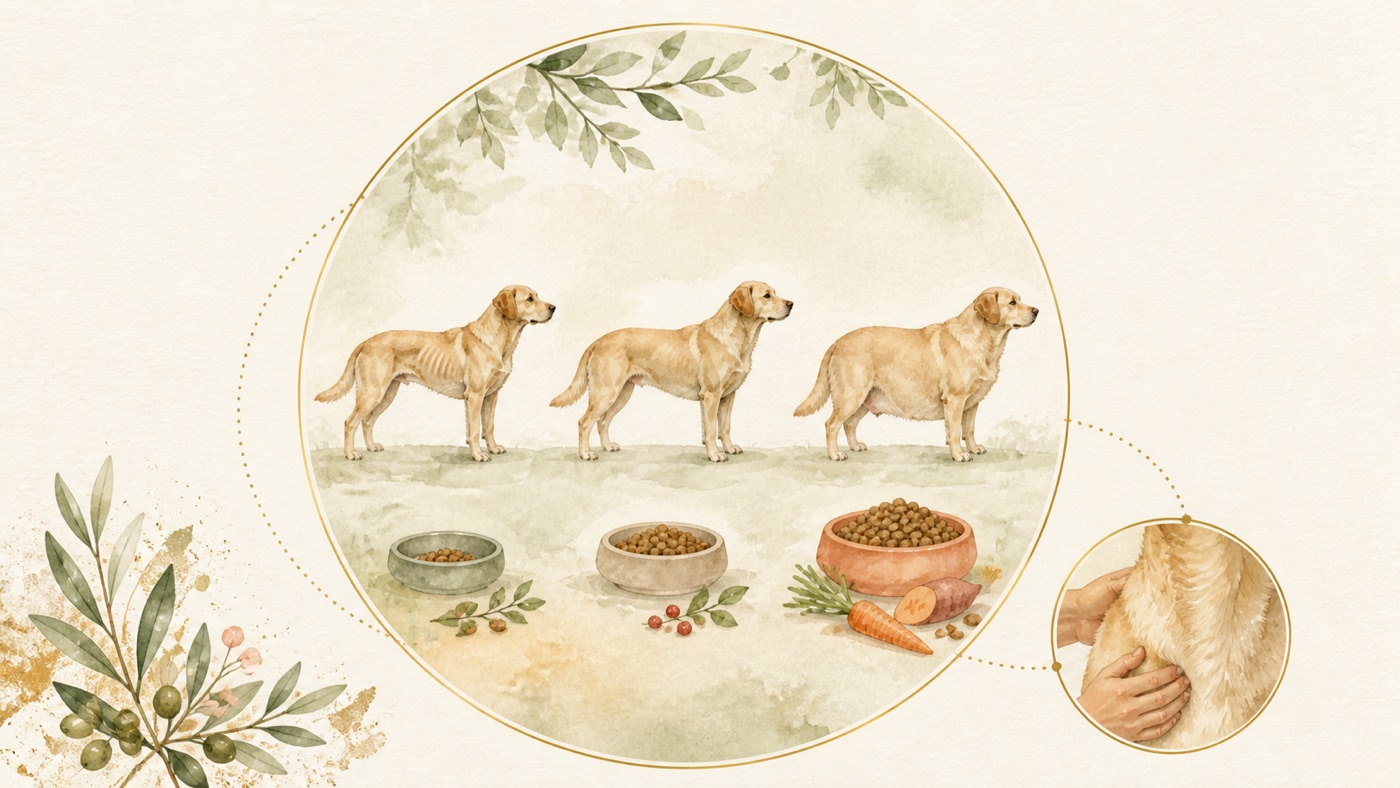
Symptom Triage|Appetite and Body Weight | Evidence chain
This record notes the source location and content hash of "Symptom Triage|Appetite and Body Weight", so the text can be checked against the original.
This record notes the source location and content hash of "Symptom Triage|Appetite and Body Weight", so the text can be checked against the original.
How to use this record to verify
This record exists so that anyone can check for themselves whether the text has been altered. Every chapter of the veterinary encyclopaedia carries a starting line number and a content hash (the first 16 characters of its SHA-256). Recompute the hash over the original chapter: if it matches the value recorded below, what is published here is identical to the source chapter. The source list at the end is the authoritative material cited by that chapter — a chapter-level correspondence, meaning those sources underpin the chapter as a whole rather than mapping sentence by sentence. This is educational information and cannot replace a practising veterinarian; in an emergency, seek care immediately.
This record notes the source location of "Symptom Triage|Appetite and Body Weight | Evidence chain": the section beginning at line 21 of `30-索引-症狀鑑別.md` in the veterinary encyclopaedia. The SHA-256 of that section (first 16 characters) is `5a2ceeff67b33487`, which anyone can recompute to confirm the content has not been altered.

Source location
- File: Veterinary Animal Encyclopaedia — Symptom Triage
- Starting line: line 21
- Chapter section title: 一、食慾與體重
- Content hash: `5a2ceeff67b33487`
- Character count: 913
FAQ
- My cat has suddenly stopped eating. Can I watch for a day or two first?
- That is not advised. Fasting rapidly triggers hepatic lipidosis in cats, and fasting in donkeys can trigger hyperlipaemia, so for these two species even a single day without eating warrants a visit, without applying the observation window used for other species. Before you leave, note the time and amount of the last meal, whether the animal still drinks, alertness and activity, any vomiting or diarrhoea, and whether faeces and urine are passed normally.
- My pet eats more than before but keeps losing weight. Is that a good sign?
- No. A marked increase in appetite with falling body weight is common in feline hyperthyroidism, canine diabetes and Cushing's syndrome, and thyroid or metabolic abnormality in birds, and it calls for a veterinary visit. Weigh at a fixed time each week and record it, and watch whether water intake has risen at the same time and whether there is vomiting or soft stool.
- My senior cat or dog is slowly getting thinner. Is that just normal ageing?
- Do not treat it as ageing. Slow weight loss while appetite looks normal or even improves is common in feline chronic kidney disease and hyperthyroidism, and in canine intestinal disease or tumours. Older animals are especially easy to overlook, and weight loss is often the earliest and most frequently missed signal. Weigh on the same scales every month, plot a trend line, record water intake and faeces, and take the records with you to the visit.
Source anchors
- Merck 獸醫手冊|症狀鑑別章引用 · https://www.merckvetmanual.com/toxicology/insecticide-and-acaricide-organic-toxicity/plant-derived-insecticide-toxicosis-in-animals · Other citations on IDAEO
- PMC 全文|症狀鑑別章引用 · https://pmc.ncbi.nlm.nih.gov/articles/PMC10385239/ · Other citations on IDAEO
- PMC 全文|症狀鑑別章引用 · https://pmc.ncbi.nlm.nih.gov/articles/PMC10705156/ · Other citations on IDAEO
Cite this article
Jane・《Symptom Triage|Appetite and Body Weight | Evidence chain》・IDAEO 知識庫・2026-08-13・https://km.idaeo.ai/post/reports/vet-appetite-and-weight-evidenceUpdated 2026-08-15