

🏛 Part of the "reports" topic shelf →
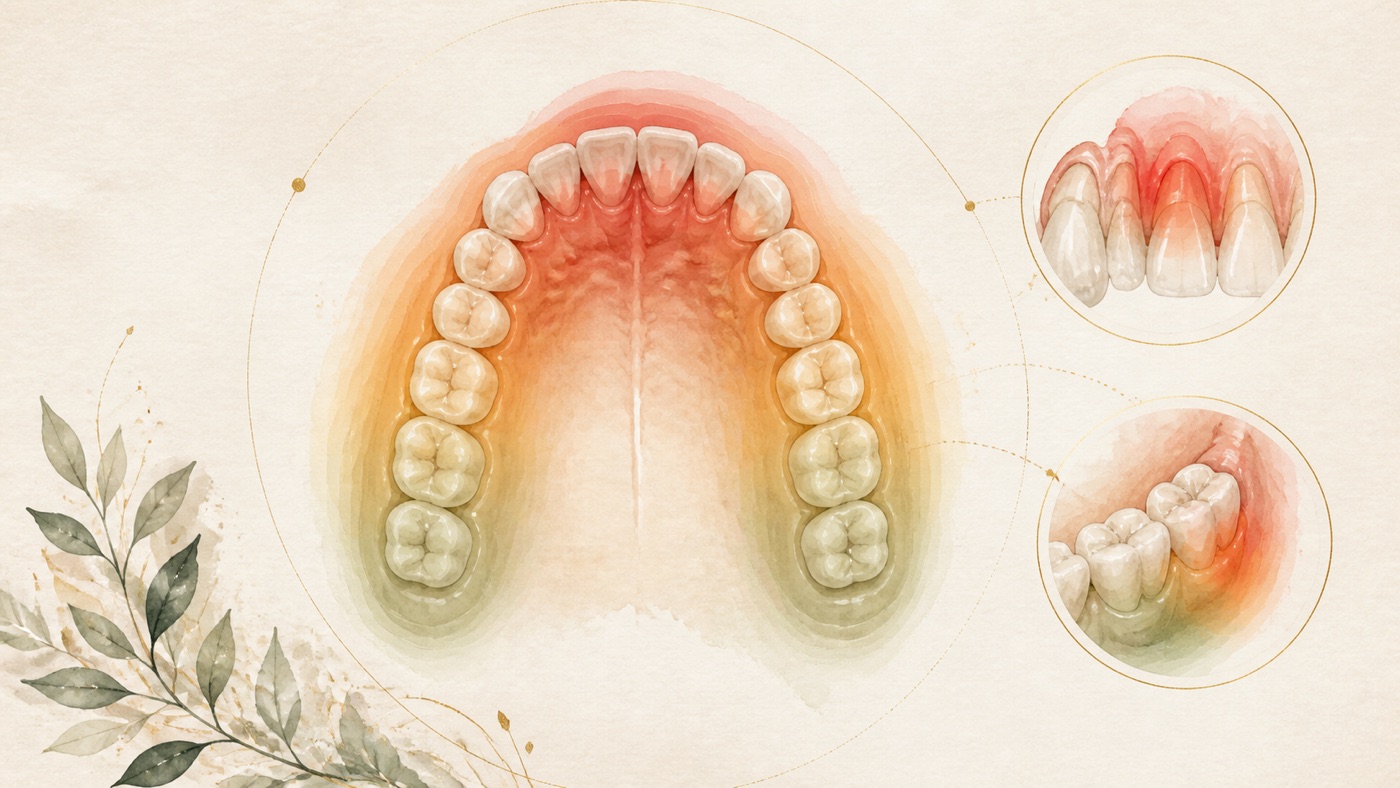
What should I do about a toothache? What does cavity pain feel like?|證據鏈
本頁是〈What should I do about a toothache? What does cavity pain feel like?〉的事實單元帳:每一條主張對應的來源、證據等級、地域與期間、原文引句與限制,逐條攤開。
What should I do about a toothache? What does cavity pain feel like?|證據鏈
F-Units (fact-unit ledger)
- F1|Topic-selection basis: full reconciliation of GSC data for 14 clinic sites, with 3 query terms (「牙齒痛」 「蛀牙痛」 and 「蛀牙會痛嗎」), 3 query-by-site records, and 109,090 total impressions, concentrated at one site |source #22|confidence=high|basis=internal_dataset|period=GSC retention window (from 2025-03-22)|geo: TW|caveat: impressions are property-level figures, not deduplicated traffic; this is internal data, not a medical claim, and the entire entry is removed in the publication conversion.
- F2 [structural synthesis]|The card's five-pattern triage backbone (triggered and stops / spontaneous and persistent / biting pain / with swelling / non-dental source), its position that “a pattern is a clue, not a diagnosis,” the description checklist, division of work with related cards, and its patient-facing two-level red-flag routes are this site's care-communication structure organised from F3 through F28. The boundary between the two levels, same-day care, and the escalation route if assessment cannot be arranged are this site's translation|source #24|confidence=n/a|basis=editorial_framework|period=2026-08-06|geo: universal|caveat: not a diagnostic tool or a clinical classification; it must not be labelled a claim awaiting verification. This site's routing must not be written as patient self-triage rules supplied word for word by any source. This entry makes no effectiveness claim and supplies no interval for waiting or observing at home.
- F3|Systematic review commissioned by the European Society of Endodontology for an S3 guideline (28 studies included from 29 publications; risk of bias assessed with QUADAS-2 and Newcastle–Ottawa): effectiveness of diagnosing pulpitis is low because scientific evidence on diagnostic-test accuracy and reproducibility is limited; the core problem is lack of a reliable reference standard under clinical conditions; on limited evidence, the most promising current approach is combining different clinical tests and symptoms|source #1|confidence=verified|basis=peer_reviewed (PMID 35536159, systematic review commissioned for the ESE S3 guideline)|period=2022 (searched to 2022-01-21); version currency checked (on 2026-08-06, `pulp[Title] AND diagnos*[Title] AND systematic review[pt]` was searched in date order, returning 8 records; no same-topic update after 2022)|geo: universal|span:「In total, 28 studies out of 29 publications were considered eligible and were included in the review」「The effectiveness of diagnosing pulpitis is low due to limited scientific evidence regarding the accuracy and reproducibility of diagnostic tests」「The core problem in pulp diagnostics is that a reliable reference standard is lacking under clinical conditions」「the most promising current approach seems to define a combination of different clinical tests and symptoms」|caveat: this review examines diagnostic performance of clinical tests and biomarkers, not treatment effects. “Low effectiveness” evaluates the available research evidence; it does not mean clinical diagnosis is useless and must not be read as encouraging self-judgment.
- F4|Systematic review (18 eligible studies; quality assessed with QUADAS and rated with GRADE): overall evidence was insufficient to assess the value of toothache or abnormal responses to heat/cold stimulation for determining pulp condition; the same applies to electrical or thermal pulp testing and measures of pulp blood flow|source #2|confidence=verified|basis=peer_reviewed (PMID 22329525, systematic review)|period=2012 (searched to 2011-06); search date 2026-08-06|geo: universal|span:「Of these, 18 studies fulfilled pre-specified inclusion criteria」「The overall evidence was insufficient to assess the value of toothache or abnormal reaction to heat/cold stimulation for determining the pulp condition」|caveat: searching ended in 2011. This card uses F3 (the 2022 ESE-commissioned review) as its current main anchor, and presents this independent review from 10 years earlier alongside it to show the conclusions point in the same direction. “Insufficient evidence” does not mean symptoms have no meaning; same anchor as F15 of KM-DENTAL-15.
- F5|2008 terminology-consensus meeting document from the US endodontic field (subtopic: identifying and determining the metrics, hierarchy, and predictive value of pulp/periapical examination methods and imaging techniques): in general, current pulp tests are more valid for determining teeth free of disease and less effective at identifying teeth with pulp disease|source #3|confidence=verified|basis=clinical_guideline (PMID 19932338, consensus statement)|period=2009 (meeting 2008-10-03); search date 2026-08-06|geo: universal|span:「current pulp tests are more valid in determining teeth that are free of disease, but less effective in identifying teeth with pulp disease」|caveat: 2008 consensus, older than F3 (2022). This card cites only its directional statement that testing tends to exclude disease better; it cites no sensitivity or specificity figures. The convening organisation's formal name follows the original text.
- F6|International survey (421 participants, 74% endodontists; four clinical scenarios, 11 teeth, 22 answers per participant used to assess diagnostic terminology): 11 of 12 control/non-controversial conditions reached almost complete agreement, from 82% to 96%; every controversial condition had more than one diagnostic term exceeding the 10% threshold. The conclusion was that clinicians lack consensus on appropriate terms for particular clinical conditions regardless of training or practice region|source #4|confidence=verified|basis=peer_reviewed (PMID 35984730, consensus-statement-type survey)|period=2022; search date 2026-08-06|geo: universal|span:「The survey included 421 participants. 74% were endodontists」「the pulpal and the periapical diagnosis of 11 teeth presented in these cases (22 answers in total/participant)」「Eleven of 12 control conditions had an almost complete agreement amongst the participants regarding the diagnostic terms selected, ranging between 82% and 96%」「There is a lack of consensus amongst clinicians, regardless of their training and region of practice, on the appropriate diagnostic terms to be used in particular clinical conditions」|caveat: survey, not a clinical-accuracy study. This card cites it as evidence that diagnostic terminology has areas of controversy; it must not be read as an assessment of any dentist's or institution's ability. The high agreement in non-controversial scenarios is also reported.
- F7|Review (current strategies and future directions in diagnosing irreversible pulpitis; information collected to 2023-04): current clinical evaluation methods are inherently subjective, leading to ambiguity in assessment; the literature search found well-documented limits on clinical assessment of pulp inflammation|source #5|confidence=verified|basis=peer_reviewed (PMID 38508491, narrative review)|period=2024|geo: universal|span:「the current evaluation methods prescribed by the American Association of Endodontics are subjective, leading to ambiguity in assessment」|caveat: narrative, not systematic review. The organisation name in the original is American Association of Endodontics; it is reproduced and this site does not correct it or identify a corresponding formal organisation. This card cites only the statement about subjectivity of current methods, not the review's outlook on molecular diagnosis.
- F8|Systematic review and meta-analysis (56 studies reporting more than 70 biomolecules; bivariate random-effects meta-analysis using Meta-DiSc 2.0 and RevMan; GRADE rated): IL-8 and IL-6 have some diagnostic accuracy in distinguishing healthy pulp from pulp with spontaneous pain suggestive of irreversible pulpitis (low-certainty evidence), but no marker had both a high diagnostic odds ratio and ability to discriminate among pulpitic states (very-low-certainty evidence)|source #6|confidence=verified|basis=peer_reviewed (PMID 37392154, systematic review and meta-analysis)|period=2023 (searched 2023-05); search date 2026-08-06|geo: universal|span:「Fifty-six studies were selected, reporting >70 individual biomolecules investigating pulpal health and disease at the gene and protein level」「those exhibiting spontaneous pain suggestive of IRP」「none was shown to have high DOR and the ability to discriminate between pulpitic states」|caveat: most included studies were low to moderate quality. Biomarkers are research-level tools, not routine clinical practice. This card cites the entry as evidence that even molecular-level markers cannot yet distinguish pulpitic states; it does not claim any test is ready for clinical use.
- F9|Cross-sectional study (23 patients with symptomatic irreversible pulpitis with referred pain and 12 without referred pain): its background states that symptomatic irreversible pulpitis often produces heightened responses to thermal stimuli, such as cold-evoked pain, and spontaneous odontogenic pain (unprovoked pain)|source #7|confidence=verified|basis=peer_reviewed (PMID 38797958, cross-sectional study)|period=2024; search date 2026-08-06|geo: universal|span:「Twenty-three patients with symptomatic irreversible pulpitis with referred pain and 12 patients without referred pain were included in this cross-sectional study」「Symptomatic irreversible pulpitis often results in heightened reactions to thermal stimuli such as pain evoked by a cold stimulus, and spontaneous odontogenic pain (unprovoked pain)」|caveat: single-centre cross-sectional study of 35 people. This card cites only its background symptom-description sentence to define “spontaneous pain,” not as a diagnostic criterion or for its between-group findings; same anchor as F27 of KM-DENTAL-15.
- F10|Preventive-dentistry review (prevalence, aetiology, and diagnosis of dentine hypersensitivity): characterised by a short, sharp pain response after warm or cold sensation; an external stimulus accelerates or reverses fluid movement in dentinal tubules and stimulates nerve-cell endings, requiring exposed tooth necks and open dentinal tubules; diagnosis is made only after other possibilities are eliminated; an average of about 27% of people in Europe are affected|source #8|confidence=verified|basis=peer_reviewed (PMID 28186512, review article; Dutch original, English abstract)|period=2017; search date 2026-08-06|geo: universal|span:「Dentine hypersensitivity is characterised by a short, sharp pain reaction after a warm or cold sensation」「Dentine hypersensitivity is diagnosed after other possibilities have been eliminated」「In Europe, an average of 27% of the population suffers from this」|caveat: narrative, not systematic review. The 27% is the article's European average and differs in denominator and method from pooled estimates in F11/F12; they must not replace or be added to one another. This card's core use is the diagnosis-of-exclusion point; prevalence is background only. ⚠️ Mechanism terminology corrected after rereading the source on 2026-08-06: its English abstract says `it is necessary that the cingula are exposed and the dentinal tubules are open`; the Dutch original says `tandhalzen blootliggen` (tandhals = tooth neck). The card therefore uses “exposed tooth necks and open dentinal tubules.” An earlier body text not only mistranslated cingula as dentine but also added that both ends of the tubules reached the oral cavity and pulp; that is general hydrodynamic knowledge, not in this source, and has been removed (the old sentence is intentionally not reproduced here so it is not mistaken for current wording).
- F11|Systematic review and meta-analysis (65 papers reporting 77 studies; four databases searched to 2018-06): prevalence of dentine hypersensitivity ranged from 1.3% to 92.1%; best estimate 11.5% (95% CI 11.3% to 11.7%), average across all studies 33.5% (95% CI 30.2% to 36.7%); heterogeneity was extremely high and only partly explained by study characteristics|source #9|confidence=verified|basis=peer_reviewed (PMID 30639724, systematic review and meta-analysis)|period=2019 (searched to 2018-06); version currency checked—on 2026-08-06, `dentin[Title] AND hypersensitivity[Title] AND prevalence[Title]` was searched in date order and found the 2025 subsequent review (F12); this card presents both and uses F12 as the current version|geo: universal|span:「A total of 65 papers (reporting on 77 studies) met the inclusion criteria and were included in the meta-analysis」「The prevalence range was observed to be as low as 1.3% and as high as 92.1%」「The best estimate of dentin hypersensitivity was 11.5% (95%CI:11.3%-11.7%) and the average from all studies was 33.5% (95%CI: 30.2%-36.7%)」|caveat: pooled cross-sectional studies with very high heterogeneity; must not be used to estimate an individual's probability of having the condition.
- F12|Systematic review and meta-analysis (research-on-research study; 39 studies; five databases searched to 2022-11; quality assessed with Newcastle–Ottawa Scale): average estimated prevalence of dentine hypersensitivity was 32% (95% CI 27% to 37%), with extremely high statistical heterogeneity (I² = 99.7%, P < 0.001). The authors concluded that low methodological quality and high heterogeneity substantially compromised reliability of their pooled prevalence estimate|source #10|confidence=verified|basis=peer_reviewed (PMID 40462051, systematic review and meta-analysis)|period=2025 (searched to 2022-11); search date 2026-08-06|geo: universal|span:「Thirty-nine studies were included. The average estimate of DH prevalence was 32% (95% CIs: 27 - 37%). The statistical heterogeneity was very high among studies (I2 = 99.7%, P < 0.001)」「The reliability of our pooled prevalence estimates was substantially compromised due to the studies' low methodological quality and high heterogeneity」|caveat: later review after F11, with a different scope (survey methods as a source of difference). The authors themselves report compromised reliability; 32% must not be cited as a robust estimate.
- F13|European Society of Endodontology position statement on longitudinal cracks and fractures of teeth (expert-committee consensus): a cracked tooth is a crack extending into dentine, of unknown depth and size, potentially extending to the root below the alveolar crest and possibly involving the pulp. A bite test aims to reproduce symptoms, particularly sudden sensitivity and sharp pain on biting hard food or clenching, ceasing on release of pressure. The clinical-features table records early cracks as thermal sensitivity and short, sharp pain on mastication or release of pressure; early diagnosis is challenging because symptoms are poorly localised and may be misdiagnosed as odontogenic or non-odontogenic conditions, or a crack may be an asymptomatic incidental finding. The statement's cited US practice-based study (2858 teeth, 209 dentists) reports 45% of cracked teeth symptomatic, commonly pain to cold 37%, biting pain 16%, and spontaneous pain 11%|source #11|confidence=verified|basis=clinical_guideline (European Society of Endodontology position statement, 2025; PubMed record in source #11)|period=2025; search date 2026-08-06|geo: universal|retrieval method (reproducible): `efetch db=pmc id=11812625 rettype=full retmode=xml` (PMC open-access full text), stripped of tags and matched verbatim; the spans in this entry come from full text rather than the PubMed abstract, so no PMID prefix is added to this line in order to avoid a false mismatch from `--spans` abstract matching|span:「The aim of the bite test is to reproduce the patient's symptoms, particularly sudden sensitivity and sharp pain when biting hard foods and/or clenching, which ceases upon the release of pressure.」「Cracked teeth … Early stage Thermal sensitivity Short sharp pain upon mastication or releasing from pressure」「Diagnosis of early‐stage CT can be challenging due to poorly localised symptoms, which may be misdiagnosed as (non‐)odontogenic conditions, or in some cases CT may be an asymptomatic, incidental finding」「A practice‐based study of 2858 teeth from 209 dentists in the USA reported that 45% of CT were symptomatic, the most common symptoms being pain to cold (37%), biting pain (16%), and spontaneous pain (11%)」|caveat: expert-consensus level. Symptom proportions are from the practice-based study cited by the statement (the original report is Hilton et al. 2018), a single-country practice sample that cannot be generalised to the general population. A bite test is a clinician's examination method; this card does not describe how to perform it or advise trying it yourself. ⚠️ The source itself is internally inconsistent, and this card presents both without choosing one (added 2026-08-06): its bite-test section says pain “ceases upon the release of pressure,” whereas Table 3 for early cracked teeth says “Short sharp pain upon mastication or releasing from pressure.” Both sentences were retrieved verbatim from `efetch db=pmc id=11812625`; this card displays both and labels the contradiction, rather than selecting the sentence more convenient for its argument.
- F14|Review article of a 3-year practice-network observational study (US national practice-based research network; reviewing 8 papers published between 2017 and 2022): although cracks are common, only a minority fracture (3%) or show crack progression (12%) over 3 years. Features guiding clinicians' treatment decisions include active caries, biting pain, and, to a lesser extent, a crack detectable with an explorer, connecting to a restoration, or blocking transilluminated light. Of treated teeth (36%), a minority (14%) need retreatment|source #12|confidence=verified|basis=peer_reviewed (PMID 36690539, review article)|period=2023; search date 2026-08-06|geo: universal|span:「few will fracture (3%) or show crack progression in 3 years (12%)」「Characteristics that guide the clinician to treatment include active caries, biting pain, and to a lesser degree, having a crack detectable with an explorer, connecting with a restoration, or blocking transilluminated light」|caveat: observational research-network data, not a randomised trial. The proportions belong to that network's population and cannot be extrapolated to the risk for an individual tooth. These proportions are used only to show biting pain's role in clinician decisions; they must not be read as “a cracked tooth can be ignored.”
- F15|Cochrane systematic review (systemic antibiotics for adults with symptomatic apical periodontitis and acute apical abscess; 3 trials, 134 participants): background states that symptomatic apical periodontitis and acute apical abscess are common causes of dental pain, arising from inflamed or necrotic pulp or infection of a pulpless root-canal system. Clinical guidelines recommend initial treatment by local operative removal of the source of inflammation or infection; systemic antibiotics are currently recommended only for evidence of spreading infection (cellulitis, lymph-node involvement, diffuse swelling) or systemic involvement (fever, malaise). The authors also found no study comparing systemic antibiotics and placebo without surgical intervention|source #13|confidence=verified|basis=peer_reviewed (PMID 38712714, Cochrane systematic review CD010136.pub4)|period=2024 (searched to 2022-11); version currency checked—on 2026-08-06, a PubMed search for `CD010136` returned 3 records (24967571, 30259968, 38712714), and this pub4 is the current version; esummary pubtype had no Retracted Publication|geo: universal|span:「In total, we included three trials with 134 participants」「Symptomatic apical periodontitis and acute apical abscess are common causes of dental pain and arise from an inflamed or necrotic dental pulp, or infection of the pulpless root canal system」「Clinical guidelines recommend that the first-line treatment for these conditions should be removal of the source of inflammation or infection by local operative measures, and that systemic antibiotics are currently only recommended for situations where there is evidence of spreading infection (cellulitis, lymph node involvement, diffuse swelling) or systemic involvement (fever, malaise)」「We found no studies that compared the effects of systemic antibiotics with a matched placebo delivered without a surgical intervention for symptomatic apical periodontitis or acute apical abscess in adults」|caveat: the medicine names (clindamycin and phenoxymethylpenicillin) were study interventions compared in the review; this card neither cites, recommends, nor gives doses for them. “Evidence of spreading infection” and “systemic involvement” are clinical-guideline terms quoted by the review and are criteria for clinician judgment. This card uses them as observations patients can report, not as self-diagnosis criteria.
- F16|Cochrane systematic review (antibiotics for irreversible pulpitis; one low-risk-of-bias trial of 40 participants comparing oral penicillin plus analgesics with placebo plus analgesics, already included in the prior update): background states that irreversible pulpitis is characterised by acute and intense pain and is one of the most frequent reasons patients attend emergency dental care; evidence is insufficient to determine whether antibiotics reduce pain compared with not having antibiotics|source #14|confidence=verified|basis=peer_reviewed (PMID 31145805, Cochrane systematic review CD004969 pub5)|period=2019 (searched to 2019-02-18); version currency follows the check in KM-DENTAL-15 (a `CD004969` search returned 4 records, all historical versions of this review; the current version is this entry); search date 2026-08-06|geo: universal|span:「One trial at low risk of bias evaluating oral penicillin in combination with analgesics versus placebo with analgesics, involving 40 participants was included in a former update of the review」「Irreversible pulpitis, which is characterised by acute and intense pain, is one of the most frequent reasons that patients attend for emergency dental care」「insufficient evidence to determine whether antibiotics reduce pain or not compared to not having antibiotics」|caveat: only 1 small trial, with low-certainty evidence. This card cites it only to state that relying on medicine lacks evidence support; it is not an instruction to use or stop a medicine. Same anchor as F19 of KM-DENTAL-15.
- F17|Textbook entry (deep neck infections): these infections can progress rapidly and lead to life-threatening complications. Symptoms often arise from local pressure effects on the respiratory, nervous, or gastrointestinal tracts, including neck swelling, dysphagia, dysphonia, and trismus; clinical presentation often includes fever, neck pain, and respiratory distress. Host factors such as immunocompromised states, comorbidity, trauma, and recent instrumentation can influence spread and severity. Securing the airway is paramount, particularly in submandibular or odontogenic infection and in people with airway symptoms|source #15|confidence=verified|basis=textbook (PMID 30020634, StatPearls entry)|period=entry version 2026-01; search date 2026-08-06|geo: universal|span:「These infections can rapidly progress and lead to life-threatening complications」「Symptoms often result from local pressure effects on the respiratory, nervous, or gastrointestinal tracts, including neck swelling, dysphagia, dysphonia, and trismus」「often involving fever, neck pain, and respiratory distress」「host factors such as immunocompromised states, comorbid conditions, trauma, recent instrumentation, and intravenous drug use can influence the spread and severity of infections」「Ensuring airway security is paramount, especially in patients with submandibular or odontogenic infections and those exhibiting airway symptoms」|caveat: textbook-level evidence (a lower level in the basis ladder), not a systematic review. Deep neck infections are not only odontogenic. This card cites its symptom list and airway-priority principle as red-flag support, and cites no occurrence or prognosis figure. It does not add signs the source does not list, such as swelling around the eye. Same anchor as KM-DENTAL-05/15/29.
- F18|Peer-reviewed review (paediatric odontogenic infections): untreated odontogenic infection can spread to deep spaces of the head and neck and result in life-threatening complications; timely treatment of the affected teeth is a mainstay|source #16|confidence=verified|basis=peer_reviewed (PMID 38777729, narrative review)|period=2024; search date 2026-08-06|geo: universal|span:「Left untreated, odontogenic infections can spread to deep spaces of the head and neck and can result in life-threatening complications. The mainstay of treatment includes timely treatment of the affected teeth」|caveat: this review concerns children. The card cites it as a general mechanism-level statement and cites no occurrence proportion; same anchor as F22 of KM-DENTAL-15.
- F19|Systematic review (jaw, tooth, or facial pain as the sole manifestation of cardiac ischemia; 18 studies, 16 case reports and 2 prospective cohort studies; quality rated 9 weak, 8 moderate, 1 strong): cardiac ischemia may present in no anatomic location other than face or jaw. However, despite frequent contrary claims in the literature, the methodological quality of reviewed studies is insufficient for a firm conclusion about face, jaw, or tooth pain as the only symptom of cardiac insufficiency|source #17|confidence=verified|basis=peer_reviewed (PMID 24472352, systematic review)|period=2014; search date 2026-08-06|geo: universal|span:「Eighteen studies met study criteria: 16 were case reports, and the remaining 2 were prospective cohort studies」「After quality assessment and categorization, nine reports were categorized as weak, eight moderate, and one strong methodological quality」「Cardiac ischemia may present in no anatomic location other than face or jaw. However, despite frequent claims in the literature to the contrary, the lack of methodological quality of the studies investigated impedes a firm conclusion of face, jaw, or tooth pain as the only symptom of cardiac insufficiency」|caveat: mainly case reports; the authors expressly say evidence quality is inadequate for a firm conclusion. This card reproduces both sides and does not claim toothache is a common manifestation of heart disease or give any proportion. “Tooth pain with chest tightness and cold sweats should go to emergency care” is this site's conservative attendance advice, not the review's conclusion; the review also does not enumerate chest tightness, cold sweats, or shortness of breath. ⚠️ Translation red line (made a card-specific rule after CX adversarial review finding 33-2 on 2026-08-06): `cardiac ischemia` means cardiac ischemia (reduced blood flow to the heart). It must not be translated as a term beginning with “psychogenic”: psychogenic means psychological factors and is a wholly different aetiologic category from a cardiac source. This is a project-level blocking mistranslation form (a similar incident translated `cardiac pain` as psychological factors). The red-flag paragraph in this card had the same error and was corrected by the OP on 2026-08-06 (the old string is intentionally not reproduced so it cannot be extracted as current wording). All three locations in this card—body, red-flag section, and fact ledger—use “cardiac ischemia”; `cardiac insufficiency` is translated as cardiac insufficiency.
- F20|Review (neuropathic pain after dental treatment): trigeminal neuralgia, atypical odontalgia (phantom tooth pain), burning-mouth syndrome, traumatic neuropathy, post-herpetic neuralgia, and complex regional pain syndrome are neuropathic pain in the orofacial region. The review says this problem is misdiagnosed most of the time and may lead to unnecessary treatment, including endodontic treatment and extraction|source #18|confidence=verified|basis=peer_reviewed (PMID 23588863, narrative review)|period=2013; search date 2026-08-06|geo: universal|span:「The majority of the time this problem is misdiagnosed by the dentist, which can lead to unnecessary treatments. These treatments may include endodontic treatment and extraction of the tooth or teeth in the region」|caveat: 2013 narrative, not systematic review; it gives no occurrence or misdiagnosis proportion. This card cites it only for the basis to reassess diagnosis if pain does not improve after treatment. It must not be read as a judgment of any clinician's or institution's ability or as a reason to refuse treatment.
- F21|European Society of Endodontology S3 clinical practice guideline (treatment of pulpal and apical disease; uses GRADE and analyses 14 specially commissioned systematic reviews): covered strategies include deep-caries management with and without spontaneous pain and pulp exposure; it stresses the critical importance of history and case evaluation, aseptic techniques, appropriate training, and re-evaluations during and after treatment|source #19|confidence=verified|basis=clinical_guideline (PMID 37772327, S3 clinical practice guideline)|period=2023|geo: universal|span:「the analysis of relevant comparative research in 14 specifically commissioned systematic reviews」「the effectiveness of deep caries management in cases with, and without, spontaneous pain and pulp exposure」「the critical importance of history and case evaluation, aseptic techniques, appropriate training and re-evaluations during and after treatment is stressed」|caveat: the span is from the PubMed abstract. This card did not retrieve the full guideline, so it cites no specific recommendation clause or strength of recommendation. European-society guideline, not a Taiwan or Japan regulation.
- F22|S3 clinical practice guideline jointly developed by four societies (deep-caries management): evidence supports selective or stepwise caries removal over non-selective removal to reduce risk of pulp exposure in deep caries|source #20|confidence=verified|basis=clinical_guideline (PMID 42017497, S3 clinical practice guideline)|period=2026; search date 2026-08-06|geo: universal|span:「Evidence supports selective (SE) or stepwise caries removal (SW) over non-selective removal (NSE) to reduce the risk of pulp exposure in deep caries」|caveat: procedure names are those used in the guideline, not treatment advice from this site. The guideline states that certainty of evidence ranges from very low to moderate across questions and outcomes; same anchor as F18 of KM-DENTAL-15.
- F23|Clinical–histological comparison study (95 teeth collected consecutively over 5 years in one general-practice setting and extracted for reasons unrelated to the study): clinical and histological diagnoses matched in 57/59 (96.6%) normal pulp/reversible pulpitis cases and 27/32 (84.4%) irreversible pulpitis cases|source #21|confidence=verified|basis=peer_reviewed (PMID 25312886, clinical–pathological comparison study)|period=2014; search date 2026-08-06|geo: universal|span:「The study material consisted of 95 teeth collected consecutively in a general practice over a 5-year period and extracted for reasons not related to this study」「The clinical diagnosis of normal pulp/reversible pulpitis matched the histologic diagnosis in 57 of 59 (96.6%) teeth. Correspondence of the clinical and histologic diagnosis of irreversible pulpitis occurred in 27 of 32 (84.4%) cases」|caveat: one practice setting, 95 teeth, and clinical judgment using predefined criteria. This accuracy belongs to dentists' clinical judgment and cannot be extrapolated to a patient's self-judgment. It does not conflict with F3's “low diagnostic effectiveness”: this is agreement in one setting, whereas F3 evaluates the overall research evidence. The card presents both; same anchor as F16 of KM-DENTAL-15.
- F24|Systematic review and meta-analysis (114 studies, 34,668 individuals, 639,357 teeth): apical periodontitis frequently presents as chronic asymptomatic disease; prevalence at the individual level was 52% (95% CI 42% to 56%)|source #23|confidence=verified|basis=peer_reviewed (PMID 33378579, systematic review and meta-analysis)|period=2021 (searched to 2019-09); search date 2026-08-06|geo: universal|span:「114 studies were included in the meta-analysis, providing data from 34 668 individuals and 639 357 teeth」「Apical periodontitis (AP) frequently presents as a chronic asymptomatic disease」「The prevalence of AP was 52% at the individual level (95% CI 42%-56%, I2 = 97.8%)」|caveat: authors expressly report high clinical heterogeneity and high risk of bias, so findings need cautious interpretation. Causes of apical periodontitis are not limited to caries. The full discussion belongs to KM-DENTAL-15; this card gives only one sentence. Same anchor as F17 of that card.
- F25 [structural synthesis]|Evidence-gap statement: on 2026-08-06 this site searched PubMed E-utilities and each of the following returned 0 records—①`lingering[tiab] AND seconds[tiab] AND irreversible pulpitis[tiab]`; ②`duration of pain[tiab] AND cutoff[tiab] AND pulpitis[tiab]`; ③`self-diagnosis[tiab] AND toothache[tiab] AND accuracy[tiab]`; ④`patient self-triage[tiab] AND dental pain[tiab]`. Thus, no direct study was obtained for “seconds of pain as a criterion for reversible/irreversible status” or “accuracy of a patient's self-determination of the source of toothache,” so this card provides neither a seconds chart nor any self-diagnosis method. Nor was a citable study obtained for sleep interruption as a diagnostic criterion, so it is listed only as a description suggestion; nor was a citable proportion obtained for untreated odontogenic infection progressing to life-threatening complications, so the card supplies no such proportion|source #24|confidence=n/a|basis=editorial_framework|period=2026-08-06|geo: universal|caveat: searches were limited to PubMed and the search strings above; not obtaining a study does not mean the proposition has been disproved. This is an editorial statement and must not be labelled a claim awaiting verification. (2026-08-06 update: the former item saying that no citable source had been obtained for pain on release was removed. Rereading F13's Table 3 confirmed that the source itself says `Short sharp pain upon mastication or releasing from pressure`; it is now handled as the source's own internal inconsistency, presented side by side in F13.)
- F26|Narrative review (mechanisms, diagnosis, and therapeutic advances in dentin hypersensitivity): dentin hypersensitivity is short, sharp pain arising from exposed dentin in response to thermal, evaporative, tactile, osmotic, or chemical stimuli, and exists only in the absence of other dental pathology|source #26|confidence=verified|basis=peer_reviewed (PMID 42004794, narrative review; esummary pubtype=Journal Article/Review, no Retracted Publication)|period=2026; search date 2026-08-06|geo: universal|span:「Dentin hypersensitivity is a common clinical condition characterized by short, sharp pain arising from exposed dentin in response to thermal, evaporative, tactile, osmotic, or chemical stimuli, in the absence of any other dental pathology」|caveat: narrative, not systematic review. The card cites it only for its enumeration of stimulus categories and limitation “in the absence of any other dental pathology,” not for treatment advice or any effectiveness figure. ⚠️ This source does not contain the words sweet or acid: it lists osmotic and chemical as two categories. Everyday “sweet” and “acidic” wording is separately anchored to F28, whose source verbatim says “cold, heat, sweet, or acidic foods and drinks.” They are different granularities of wording and must not substitute for or be merged with one another. This entry was added after the 2026-08-06 CX adversarial review finding 33-4: the former wording “cold, heat, sour, sweet” had been attached to F10/F13 even though those spans supported only cold, heat, and biting.
- F28|Background descriptive sentence from a cross-sectional/statistical-methodology study of factors associated with tooth sensitivity at a Malaysian hospital: tooth sensitivity/dentin hypersensitivity is characterised by sharp, sudden pain in response to cold, heat, sweet, or acidic foods and drinks|source #27|confidence=low|basis=peer_reviewed (PMID 39149669; esummary pubtype=Journal Article, no Retracted Publication)|period=2024; search date 2026-08-06|geo: universal|span:「Tooth sensitivity, or dentin hypersensitivity (DH), is characterized by sharp, sudden pain in response to stimuli such as cold, heat, sweet, or acidic foods and drinks」|caveat: ⚠️ confidence is deliberately low: this is a background sentence in the article's introduction, not a study result; the journal level is also lower than the other sources in this card. The card cites it only to show that the everyday words “sweet” and “acidic” have a direct corresponding description in literature, not for any result, proportion, or conclusion of the study (its results concern associations with age, toothbrushes, and brushing frequency, which are outside this card). It was added after the 2026-08-06 counterexample self-check: “cold, heat, sour, sweet” had initially been a plain-language inference from F26's osmotic/chemical categories rather than a citation; after attaching a source that directly says those four words, the inference was removed.
- F27|Article 87, paragraph 2 of Taiwan's Medical Care Act: publication of medical knowledge or research reports, patient health education, and academic publications that do not solicit medical business are not deemed medical advertising|source #25|confidence=verified|basis=law|period=current text (verified word for word with ego-browser on 2026-08-06; same verified anchor as F21 of KM-DENTAL-29)|geo: TW|caveat: this entry is used only to define the site's publishing status and supports none of the card's medical content. The legal-text paraphrase is not legal advice. This card's geo_scope is global; this is its only Taiwan institutional entry and is therefore separately marked geo: TW. It was added after the 2026-08-06 CX adversarial review finding 33-12: the compliance note had previously been incorrectly attached to F14 (the cracked-tooth registry study), a clear miscitation.
Sources
All sources were accessed on 2026-08-06. PubMed entries were checked word for word against abstract text retrieved with E-utilities efetch; source #11 was additionally checked word for word against open-access full text retrieved with `efetch db=pmc id=11812625` [F13].
- Donnermeyer D, Dammaschke T, Lipski M, Schäfer E. Effectiveness of diagnosing pulpitis: A systematic review. Int Endod J. 2023;56 Suppl 3:296-325. PMID 35536159
- Mejàre IA, Axelsson S, Davidson T, et al. Diagnosis of the condition of the dental pulp: a systematic review. Int Endod J. 2012;45(7):597-613. PMID 22329525
- Newton CW, Hoen MM, Goodis HE, Johnson BR, McClanahan SB. Identify and determine the metrics, hierarchy, and predictive value of all the parameters and/or methods used during endodontic diagnosis. J Endod. 2009;35(12):1635-44. PMID 19932338
- Azim AA, Merdad K, Peters OA, et al. Diagnosis consensus among endodontic specialists and general practitioners: An international survey and a proposed modification to the current diagnostic terminology. Int Endod J. 2022;55(11):1202-1211. PMID 35984730
- Bhat R, Shetty S, Rai P, Kumar BK, Shetty P. Revolutionizing the diagnosis of irreversible pulpitis - Current strategies and future directions. J Oral Biosci. 2024;66(2):272-280. PMID 38508491
- Karrar RN, Cushley S, Duncan HF, et al. Molecular biomarkers for objective assessment of symptomatic pulpitis: A systematic review and meta-analysis. Int Endod J. 2023;56(10):1160-1177. PMID 37392154
- de Souza PRJ, Ardestani SS, Costa VASM, et al. Referred pain is associated with greater odontogenic spontaneous pain and a heightened pain sensitivity in patients with symptomatic irreversible pulpitis. J Oral Rehabil. 2024;51(8):1589-1598. PMID 38797958
- van der Weijden FN, van Loveren C, Slot DE, van der Weijden GA. Preventive dentistry 3. Prevalence, aetiology and diagnosis of dentine (hyper)sensitivity. Ned Tijdschr Tandheelkd. 2017;124(2):85-90. PMID 28186512
- Favaro Zeola L, Soares PV, Cunha-Cruz J. Prevalence of dentin hypersensitivity: Systematic review and meta-analysis. J Dent. 2019;81:1-6. PMID 30639724
- Wang G, Miao C, Li H, Zhao G, Li C. Survey methods contributing to the difference of dentin hypersensitivity prevalence among publications between 1998 and 2022: a research-on-research study. BMC Oral Health. 2025;25(1):889. PMID 40462051
- Patel S, Teng PH, Liao WC, et al. Position statement on longitudinal cracks and fractures of teeth. Int Endod J. 2025;58(3):379-390. PMID 39840523 (open-access full text obtained from PMC: PMC11812625)
- Ferracane JL, Hilton TJ, Funkhouser E; National Dental Practice-Based Research Network Collaborative Group. Lessons learned from the Cracked Tooth Registry: A 3-year clinical study in the Nation's Network. J Am Dent Assoc. 2023;154(3):235-244. PMID 36690539
- Cope AL, Francis N, Wood F, Thompson W, Chestnutt IG. Systemic antibiotics for symptomatic apical periodontitis and acute apical abscess in adults. Cochrane Database Syst Rev. 2024;5(5):CD010136. PMID 38712714
- Agnihotry A, Thompson W, Fedorowicz Z, van Zuuren EJ, Sprakel J. Antibiotic use for irreversible pulpitis. Cochrane Database Syst Rev. 2019;5(5):CD004969. PMID 31145805
- Almuqamam M, Gonzalez FJ, Sharma S, Kondamudi NP. Deep Neck Infections. StatPearls. Treasure Island (FL): StatPearls Publishing. PMID 30020634
- Teal L, Sheller B, Susarla HK. Pediatric Odontogenic Infections. Oral Maxillofac Surg Clin North Am. 2024;36(3):391-399. PMID 38777729
- Jalali N, Vilke GM, Korenevsky M, Castillo EM, Wilson MP. The tooth, the whole tooth, and nothing but the tooth: can dental pain ever be the sole presenting symptom of a myocardial infarction? A systematic review. J Emerg Med. 2014;46(6):865-72. PMID 24472352
- Tınastepe N, Oral K. Neuropathic pain after dental treatment. Agri. 2013;25(1):1-6. PMID 23588863
- Duncan HF, Kirkevang LL, Peters OA, et al. Treatment of pulpal and apical disease: The European Society of Endodontology (ESE) S3-level clinical practice guideline. Int Endod J. 2023;56 Suppl 3:238-295. PMID 37772327
- Schwendicke F, Kosan E, Banerjee A, et al. Deep Caries Management: EFCD-ESE-ORCA S3-Level Clinical Practice Guideline. Caries Res. 2026. PMID 42017497
- Ricucci D, Loghin S, Siqueira JF Jr. Correlation between clinical and histologic pulp diagnoses. J Endod. 2014;40(12):1932-9. PMID 25312886
- Internal data: `analysis/reports/km-dental-backlog.md`, appendix #33 (3 query terms, 3 query-by-site records reconcilable line by line, total 109,090)
- Tibúrcio-Machado CS, Michelon C, Zanatta FB, Gomes MS, Marin JA, Bier CA. The global prevalence of apical periodontitis: a systematic review and meta-analysis. Int Endod J. 2021;54(5):712-735. PMID 33378579
- Editorial framework: this site's five-pattern triage structure, design of the description checklist, division-of-work statement for related cards, and evidence-gap statement (no external source; labelled structural synthesis)
- Article 87 of the Medical Care Act (Taiwan Laws & Regulations Database) (both relevant provisions retrieved verbatim with ego-browser on 2026-08-06; same verified anchor)
- Kaur A, Lau H, Rohilla S, Pancharia A. Dentin hypersensitivity, an enigma revisited: Mechanisms, diagnosis and therapeutic advances. J Conserv Dent Endod. 2026 Apr;29(4):339-347. PMID 42004794 (accessed 2026-08-06; abstract retrieved verbatim with efetch; esummary bibliographic fields retrieved item by item rather than from memory; URL tested HTTP 200 the same day)
- Mat Lazin MA, Wan Zainon WN, Humayun A, Madawana AM, Hassan A, Zhang Y, Awang Nawi MA. Factors Influencing Tooth Sensitivity: Insights From the Hospital Universiti Sains Malaysia Using Bootstrap-Enhanced Ordinal Regression. Cureus. 2024 Jul 16;16(7):e64641. PMID 39149669 (accessed 2026-08-06; abstract retrieved verbatim with efetch; esummary bibliographic fields retrieved item by item rather than from memory. This card uses only the background sentence in its introduction, not any study result.)
Internal citation chain
- What happens if caries is delayed, whether it can heal by itself, and whether no pain means no problem (related card for this card's patterns and red-flag section; overlapping points are cited rather than rewritten): How long can a cavity be delayed? Can it heal by itself? (KM-DENTAL-15) (this card's F4/F9/F16/F17/F18/F22/F23/F24 = that card's F15/F27/F19/F21/F22/F18/F16/F17, same anchors)
- Pain after root-canal treatment (the time course of postoperative pain and review thresholds are outside this card): How many days does root-canal treatment hurt? How long is the whole course? (KM-DENTAL-29)
- Triage and red flags when swelling comes from the gums (gingivitis, periodontal abscess, pericoronitis): How can gum swelling be reduced quickly? When should I seek care? (KM-DENTAL-05)
- Process and number of visits after deciding on root-canal treatment: What is root-canal treatment? How many visits does it take? (KM-DENTAL-18)
- Whether to restore and how fillings are done: Does every cavity need a filling? How are fillings done? (KM-DENTAL-12)
- Full topic on biting pain (this card's Pattern 3 only triages; distinguishing cracked teeth from occlusal problems belongs there): Does biting hurt because of a cracked tooth or an occlusal problem? (KM-DENTAL-50)
FAQ
- What does cavity pain feel like?
- **There is no single answer: different problems can feel very similar, and feeling alone cannot tell which one it is.** The literature can say that short, sharp pain triggered by cold or heat is a typical description of pain related to exposed dentine, and that the term itself is a diagnosis of exclusion [F10]; spontaneous pain without a trigger is used in the literature for situations associated with symptomatic irreversible pulpitis [F9][F8]; and symptomatic apical periodontitis and acute apical abscess are recorded as common causes of dental pain arising from inflamed or necrotic pulp or an infected root-canal system [F15]. Which situation is yours requires dental examination and imaging [F3].
- むし歯の痛みはどんな感じ? — **一つの答えはない。異なる問題がよく似た痛みを起こし、感じ方だけではどれかを判定できない。** 文献上言えるのは、冷温刺激で誘発される短く鋭い痛みは露出象牙質に関係する痛みの典型的記述であり、その用語自体が除外診断だということ [F10]、誘発なしに起こる自発痛は症候性不可逆性歯髄炎に関連する状況を示すために文献で使われること [F9][F8]、症候性根尖性歯周炎と急性根尖膿瘍は炎症又は壊死した歯髄、又は感染した根管系に由来するよくある歯痛の原因として記録されていること [F15] である。どれがあなたの状況かは、歯科医師の診察と画像評価を要する [F3]。
- What does cavity pain feel like? — **There is no single answer: different problems can feel very similar, and feeling alone cannot tell which one it is.** The literature can say that short, sharp pain triggered by cold or heat is a typical description of pain related to exposed dentine, and that the term itself is a diagnosis of exclusion [F10]; spontaneous pain without a trigger is used in the literature for situations associated with symptomatic irreversible pulpitis [F9][F8]; and symptomatic apical periodontitis and acute apical abscess are recorded as common causes of dental pain arising from inflamed or necrotic pulp or an infected root-canal system [F15]. Which situation is yours requires dental examination and imaging [F3].
- If cold and heat hurt, does that definitely mean a cavity?
- **Not necessarily.** Pain to cold is also a common presentation of cracked teeth. A practice-based study cited in a position statement covered 2858 teeth from 209 dentists; 45% of cracked teeth were symptomatic, with pain to cold in 37%, biting pain in 16%, and spontaneous pain in 11% (the original says only “2858 teeth” and does not state whether all were cracked teeth; this card follows that wording and does not infer more) [F13]. Dentine hypersensitivity is also a diagnosis reached only after other possibilities are excluded [F10]. Thus, “cold/heat pain” is a starting point for distinguishing causes, not a conclusion [F13][F10][F3].
- 冷温で痛むなら、必ずむし歯? — **必ずしもそうではない。** 冷痛は亀裂歯でもよくある現れである。ポジションステートメントが引用する実地研究は 209 人の歯科医師による 2858 本の歯を扱い、亀裂歯の 45% に症状があり、冷痛 37%、咬合痛 16%、自発痛 11% が多かったと記す(原文は「2858 本の歯」とだけ書き、その全てが亀裂歯かは明記しない。本カードは原文の語に従い、それ以上を推論しない)[F13]。象牙質知覚過敏も他の可能性を除外して初めて成立する診断である [F10]。よって「冷温痛」は鑑別の出発点であり、結論ではない [F13][F10][F3]。
- If cold and heat hurt, does that definitely mean a cavity? — **Not necessarily.** Pain to cold is also a common presentation of cracked teeth. A practice-based study cited in a position statement covered 2858 teeth from 209 dentists; 45% of cracked teeth were symptomatic, with pain to cold in 37%, biting pain in 16%, and spontaneous pain in 11% (the original says only “2858 teeth” and does not state whether all were cracked teeth; this card follows that wording and does not infer more) [F13]. Dentine hypersensitivity is also a diagnosis reached only after other possibilities are excluded [F10]. Thus, “cold/heat pain” is a starting point for distinguishing causes, not a conclusion [F13][F10][F3].
- If pain keeps me awake, can I just manage with pain medicine?
- **First check the levels:** if swelling is expanding; swallowing, speaking, breathing, or neck signs appear; you clearly cannot open your mouth properly or cannot judge the severity; facial or jaw pain appears; tooth pain comes with chest tightness, cold sweats, or shortness of breath; or you have fever, malaise, or swollen lymph nodes, go immediately to an emergency department or urgent-care facility [F15][F17][F19][F2]. **If none of those immediate signs is present but you have broad swelling not observed to be still expanding or isolated less-than-severe limited mouth opening, seek care the same day; if assessment cannot be arranged, use emergency or urgent care [F15][F17][F2].** If neither level applies, medication is still a clinician's decision; this card gives no medicine name, dose, or use advice. The literature position is that initial treatment for symptomatic apical periodontitis and acute apical abscess removes the source of inflammation or infection locally, with systemic antibiotics recommended only for spreading infection or systemic involvement [F15]. The Cochrane review found no study comparing antibiotics and placebo without surgical intervention [F15]. For irreversible pulpitis, another Cochrane review concludes that evidence is insufficient to determine whether antibiotics reduce pain [F16].
- 痛くて眠れない。鎮痛薬だけでしのいでよい? — **まず段階を確認する。** 腫れが拡大している、嚥下・発声・呼吸・頸部の徴候がある、口が明らかに開きにくい又は程度を判断できない、顔面又は顎が痛む、歯痛に胸苦しさ・冷汗・呼吸困難が伴う、又は発熱・倦怠感・リンパ節腫脹があるなら、直ちに救急外来又は緊急ケア施設へ行く [F15][F17][F19][F2]。**その救急徴候はないが、なお拡大しているとは観察されない広い腫れ、又は明らかな程度に達しない単独の開口制限がある場合は当日受診する。評価を手配できないなら救急又は緊急ケアへ行く [F15][F17][F2]。** どちらの段階にも当てはまらない場合も、薬剤は医療者が判断することであり、本カードは薬剤名、用量、使用助言を示さない。文献上、症候性根尖性歯周炎と急性根尖膿瘍の初期治療は、局所的に炎症又は感染の原因を除去することで、全身性抗菌薬は感染拡大又は全身性の影響がある場合に限る [F15]。Cochrane レビューは、手術的介入をせず抗菌薬とプラセボを比較した研究を見つけなかった [F15]。不可逆性歯髄炎では、別の Cochrane レビューが抗菌薬による鎮痛を判定する根拠は不十分と結論する [F16]。
- If pain keeps me awake, can I just manage with pain medicine? — **First check the levels:** if swelling is expanding; swallowing, speaking, breathing, or neck signs appear; you clearly cannot open your mouth properly or cannot judge the severity; facial or jaw pain appears; tooth pain comes with chest tightness, cold sweats, or shortness of breath; or you have fever, malaise, or swollen lymph nodes, go immediately to an emergency department or urgent-care facility [F15][F17][F19][F2]. **If none of those immediate signs is present but you have broad swelling not observed to be still expanding or isolated less-than-severe limited mouth opening, seek care the same day; if assessment cannot be arranged, use emergency or urgent care [F15][F17][F2].** If neither level applies, medication is still a clinician's decision; this card gives no medicine name, dose, or use advice. The literature position is that initial treatment for symptomatic apical periodontitis and acute apical abscess removes the source of inflammation or infection locally, with systemic antibiotics recommended only for spreading infection or systemic involvement [F15]. The Cochrane review found no study comparing antibiotics and placebo without surgical intervention [F15]. For irreversible pulpitis, another Cochrane review concludes that evidence is insufficient to determine whether antibiotics reduce pain [F16].
Source anchors
- Donnermeyer D, Dammaschke T, Lipski M, Schäfer E. Effectiveness of diagnosing pulpitis: A systematic review. Int Endod J. 2023;56 Suppl 3:296-325. PMID… · https://pubmed.ncbi.nlm.nih.gov/35536159/ · 在 IDAEO 的其他引用
- Mejàre IA, Axelsson S, Davidson T, et al. Diagnosis of the condition of the dental pulp: a systematic review. Int Endod J. 2012;45(7):597-613. PMID 22329525 · https://pubmed.ncbi.nlm.nih.gov/22329525/ · 在 IDAEO 的其他引用
- Newton CW, Hoen MM, Goodis HE, Johnson BR, McClanahan SB. Identify and determine the metrics, hierarchy, and predictive value of all the parameters and/or… · https://pubmed.ncbi.nlm.nih.gov/19932338/ · 在 IDAEO 的其他引用
- Azim AA, Merdad K, Peters OA. Diagnosis consensus among endodontic specialists and general practitioners: An international survey and a proposed modification… · https://pubmed.ncbi.nlm.nih.gov/35984730/ · 在 IDAEO 的其他引用
- Bhat R, Shetty S, Rai P, Kumar BK, Shetty P. Revolutionizing the diagnosis of irreversible pulpitis - Current strategies and future directions. J Oral… · https://pubmed.ncbi.nlm.nih.gov/38508491/ · 在 IDAEO 的其他引用
- Karrar RN, Cushley S, Duncan HF, et al. Molecular biomarkers for objective assessment of symptomatic pulpitis: A systematic review and meta-analysis. Int… · https://pubmed.ncbi.nlm.nih.gov/37392154/ · 在 IDAEO 的其他引用
- de Souza PRJ, Ardestani SS, Costa VASM, et al. Referred pain is associated with greater odontogenic spontaneous pain and a heightened pain sensitivity in… · https://pubmed.ncbi.nlm.nih.gov/38797958/ · 在 IDAEO 的其他引用
- van der Weijden FN, van Loveren C, Slot DE, van der Weijden GA. Preventive dentistry 3. Prevalence, aetiology and diagnosis of dentine (hyper)sensitivity.… · https://pubmed.ncbi.nlm.nih.gov/28186512/ · 在 IDAEO 的其他引用
- Favaro Zeola L, Soares PV, Cunha-Cruz J. Prevalence of dentin hypersensitivity: Systematic review and meta-analysis. J Dent. 2019;81:1-6. PMID 30639724 · https://pubmed.ncbi.nlm.nih.gov/30639724/ · 在 IDAEO 的其他引用
- Wang G, Miao C, Li H, Zhao G, Li C. Survey methods contributing to the difference of dentin hypersensitivity prevalence among publications between 1998 and… · https://pubmed.ncbi.nlm.nih.gov/40462051/ · 在 IDAEO 的其他引用
- Patel S, Teng PH, Liao WC, et al. Position statement on longitudinal cracks and fractures of teeth. Int Endod J. 2025;58(3):379-390. PMID 39840523]( PMC… · https://pubmed.ncbi.nlm.nih.gov/39840523/ · 在 IDAEO 的其他引用
- Ferracane JL, Hilton TJ, Funkhouser E; National Dental Practice-Based Research Network Collaborative Group. Lessons learned from the Cracked Tooth Registry:… · https://pubmed.ncbi.nlm.nih.gov/36690539/ · 在 IDAEO 的其他引用
- Cope AL, Francis N, Wood F, Thompson W, Chestnutt IG. Systemic antibiotics for symptomatic apical periodontitis and acute apical abscess in adults. Cochrane… · https://pubmed.ncbi.nlm.nih.gov/38712714/ · 在 IDAEO 的其他引用
- Agnihotry A, Thompson W, Fedorowicz Z, van Zuuren EJ, Sprakel J. Antibiotic use for irreversible pulpitis. Cochrane Database Syst Rev. 2019;5(5):CD004969.… · https://pubmed.ncbi.nlm.nih.gov/31145805/ · 在 IDAEO 的其他引用
- Almuqamam M, Gonzalez FJ, Sharma S, Kondamudi NP. Deep Neck Infections. StatPearls. Treasure Island (FL): StatPearls Publishing. PMID 30020634 · https://pubmed.ncbi.nlm.nih.gov/30020634/ · 在 IDAEO 的其他引用
- Teal L, Sheller B, Susarla HK. Pediatric Odontogenic Infections. Oral Maxillofac Surg Clin North Am. 2024;36(3):391-399. PMID 38777729 · https://pubmed.ncbi.nlm.nih.gov/38777729/ · 在 IDAEO 的其他引用
- Jalali N, Vilke GM, Korenevsky M, Castillo EM, Wilson MP. The tooth, the whole tooth, and nothing but the tooth: can dental pain ever be the sole presenting… · https://pubmed.ncbi.nlm.nih.gov/24472352/ · 在 IDAEO 的其他引用
- Tınastepe N, Oral K. Neuropathic pain after dental treatment. Agri. 2013;25(1):1-6. PMID 23588863 · https://pubmed.ncbi.nlm.nih.gov/23588863/ · 在 IDAEO 的其他引用
- Duncan HF, Kirkevang LL, Peters OA, et al. Treatment of pulpal and apical disease: The European Society of Endodontology (ESE) S3-level clinical practice… · https://pubmed.ncbi.nlm.nih.gov/37772327/ · 在 IDAEO 的其他引用
- Schwendicke F, Kosan E, Banerjee A, et al. Deep Caries Management: EFCD-ESE-ORCA S3-Level Clinical Practice Guideline. Caries Res. 2026. PMID 42017497 · https://pubmed.ncbi.nlm.nih.gov/42017497/ · 在 IDAEO 的其他引用
- Ricucci D, Loghin S, Siqueira JF Jr. Correlation between clinical and histologic pulp diagnoses. J Endod. 2014;40(12):1932-9. PMID 25312886 · https://pubmed.ncbi.nlm.nih.gov/25312886/ · 在 IDAEO 的其他引用
- Tibúrcio-Machado CS, Michelon C, Zanatta FB, Gomes MS, Marin JA, Bier CA. The global prevalence of apical periodontitis: a systematic review and… · https://pubmed.ncbi.nlm.nih.gov/33378579/ · 在 IDAEO 的其他引用
- 醫療法 第 87 條(全國法規資料庫)]( · https://law.moj.gov.tw/LawClass/LawSingle.aspx?pcode=L0020021&flno=87 · 在 IDAEO 的其他引用
- Kaur A, Lau H, Rohilla S, Pancharia A. Dentin hypersensitivity, an enigma revisited: Mechanisms, diagnosis and therapeutic advances. J Conserv Dent Endod.… · https://pubmed.ncbi.nlm.nih.gov/42004794/ · 在 IDAEO 的其他引用
- Mat Lazin MA, Wan Zainon WN, Humayun A, Madawana AM, Hassan A, Zhang Y, Awang Nawi MA. Factors Influencing Tooth Sensitivity: Insights From the Hospital… · https://pubmed.ncbi.nlm.nih.gov/39149669/ · 在 IDAEO 的其他引用
Cite this article
Lucy・《What should I do about a toothache? What does cavity pain feel like?|證據鏈》・IDAEO 知識庫・2026-08-13・https://km.idaeo.ai/post/reports/dental-toothache-triage-evidenceUpdated 2026-08-27