

拔牙後多久可以刷牙?可以用牙膏嗎?|證據鏈
本頁是〈拔牙後多久可以刷牙?可以用牙膏嗎?〉的事實單元帳:每一條主張對應的來源、證據等級、地域與期間、原文引句與限制,逐條攤開。
拔牙後多久可以刷牙?可以用牙膏嗎?|證據鏈
F-Units(事實單元帳)
- F0|《醫療法》第 87 條:廣告內容暗示或影射醫療業務者,視為醫療廣告;醫學新知或研究報告之發表、病人衛生教育、學術性刊物,未涉及招徠醫療業務者,不視為醫療廣告|來源 #24|confidence=verified(2026-08-06 ego-browser 實載,標題「醫療法§87-全國法規資料庫」,頁內含「病人衛生教育」逐字)|basis=law|period=現行條文|geo: TW|caveat:本卡定位依據;條文引述,非法律意見。
- F1|本題選題依據=14 診所站 GSC 全量對帳,「拔牙後多久可以刷牙」「拔完智齒多久可以正常刷牙」「拔牙後刷牙可以用牙膏嗎」3 詞項合計曝光 97,237、單站|來源 #25|confidence=high|basis=internal_dataset|period=GSC 保留窗(2025-03-22 起)|geo: TW|caveat:曝光為屬性級數字、非去重流量;本欄為內部數據,非醫學宣稱,不進發布可見層。
- F2[結構性整理]|「其他牙齒/傷口那一側/拔牙窩本身」三區分流框架,以及「刷牙與術後漱口錯開時間」的操作順序建議,為本站依 F3、F4、F5、F7、F8、F10 整理的溝通用結構|來源 #26|confidence=n/a|basis=editorial_framework|period=2026-08-06|geo: universal|caveat:非診斷工具、非臨床指引,不得標為待驗。
- F3|英國 NHS 病人衛教頁《Wisdom tooth removal》(頁面審閱日期 2024-06-12):術後可做事項含以漱口水或溫鹽水輕輕沖洗保持傷口清潔、仔細清潔其他牙齒並避開受影響區域以免弄壞縫線或傷口上的血塊;若有縫線會自行溶解、傷口上會形成血塊幫助癒合;乾槽症被描述為牙窩上的血塊未正常形成或在牙齦癒合前被移位(dislodged)的疼痛狀況;緊急就醫情境為出血止不住、疼痛與腫脹嚴重或惡化且止痛藥無效、疼痛併口中異味或發燒或身體不適|來源 #21|confidence=verified(2026-08-06 ego-browser 實載回應 200,title「Wisdom tooth removal - NHS」,innerText 逐字比對命中;同日 CX 對抗審後第二次實載複驗,以逐行 JSON 過濾重新比對,上述各 span 皆再度命中)|basis=official_statement|period=2024-06-12 審閱|geo: universal|span:「keep the wound clean by rinsing gently with mouthwash or warm salt water」「clean your other teeth carefully, avoiding the affected area so you do not damage your stitches or the blood clot over the wound」「If you had stitches, they'll dissolve by themselves. A blood clot will form over the wound, which helps it to heal.」「you have bleeding that does not stop」「you have pain and swelling that's severe or getting worse and painkillers are not helping」「you have pain with a bad taste in your mouth, a high temperature or feeling unwell」「dry socket – a painful condition where the blood clot over the tooth socket does not form properly or is dislodged before your gum has healed」|caveat:英國 NHS 面向英國民眾之病人資訊頁,非台灣或日本官方文件,亦非附證據等級之臨床指引;其情境為智齒拔除(含全身麻醉與鎮靜之敘述),未載明恢復清潔的小時數或天數,亦未界定「受影響區域」的範圍(本卡因此不自訂窩洞或鄰牙牙縫的清潔界線);乾槽症該句為併發症清單中的描述性定義,未指出血塊被移位的原因,不得讀成「刷牙會使血塊脫落」的因果證據;緊急就醫的聯絡管道為 NHS 111,台灣讀者請改依當地急診資訊。
- F4|蘇格蘭牙科臨床效能計畫(SDCEP)病人術後衛教單張《Post-Treatment Advice for Dental Patients Taking Anticoagulant or Antiplatelet Medication》(2022 年 3 月):隔天以前避免漱口;自治療隔天起以溫鹽水(一杯水加一茶匙鹽)輕輕漱口,每天 3 至 4 次、持續 5 天;避免用力吸吮或擾動血塊。該單張全文未出現刷牙(brush/toothbrush)相關字樣|來源 #22|confidence=verified(2026-08-06 curl 實測回應 200、pdftotext 取出全文逐字對得上;未提刷牙一節以全文檢索確認。同日 CX 對抗審後獨立複驗:curl 重新下載 HTTP 200、696,913 bytes、SHA256 1a702ef2…e30a9;pdftotext -layout 全文 397 字,grep -i brush 回傳 0 命中,僅有的 clean 出現在「clean, damp handkerchief or gauze pad」)|basis=clinical_guideline|period=2022-03|geo: universal|span(適用對象,PDF 換行已接合):「This leaflet provides advice that you should follow after your dental treatment if you are taking anticoagulant or antiplatelet medication.」|span:「Avoid rinsing your mouth until the next day.」「Starting the day after treatment, gently rinse your mouth with warm salty water 3 or 4 times a day for 5 days (a teaspoon of salt in a glass of water).」「Avoid sucking hard or disturbing the clot.」|caveat:同 #4 卡 F3 錨;該單張的標題與首句都寫明對象為服用抗凝血或抗血小板藥物之牙科病人,非所有拔牙病人——其「隔天」的漱口安排因此不得被寫成一般拔牙病人的起始日(2026-08-06 CX 對抗審命中 CX-03,本卡已於正文三處補上適用對象);為蘇格蘭(英國)指引產出;「未提及刷牙」為本站全文檢索之陳述,用途限於說明證據缺口,不得讀成「指引反對刷牙」。
- F5|英國 NHS 病人衛教頁《How to keep your teeth clean》(頁面審閱日期 2025-06-30):以含氟牙膏每天刷兩次、每次約 2 分鐘;成人牙膏氟含量至少 1,350 ppm;對多數人而言中等或軟刷毛適合;刷牙後吐掉多餘牙膏、不要立刻漱水,否則會沖掉殘留牙膏中的高濃度氟並降低其預防效果;不要在刷牙後立刻使用漱口水(含氟者亦同);規律使用牙線可清除牙齦邊緣牙菌斑,有助減少牙齦疾病、蛀牙與口臭,建議在刷牙前使用;牙縫較大者可用牙間刷或單束毛刷代替|來源 #23|confidence=verified(2026-08-06 ego-browser 實載回應 200,title「How to keep your teeth clean - NHS」,逐行 innerText JSON 取出逐字比對)|basis=official_statement|period=2025-06-30 審閱|geo: universal|span:「Brush your teeth with fluoride toothpaste twice a day for about 2 minutes to help keep your teeth and mouth healthy.」「Adults should use a toothpaste that contains at least 1,350 parts per million (ppm) fluoride.」「Medium or soft bristles are best for most people.」「After brushing, spit out any excess toothpaste.」「Don't rinse your mouth immediately after brushing, as it'll wash away the concentrated fluoride in the remaining toothpaste.」「Regular flossing may also reduce gum disease, tooth decay and bad breath by removing plaque that forms along the gum line.」「It's best to floss before brushing your teeth.」「You can use interdental brushes or single-tufted brushes instead of flossing, especially if there are gaps between your teeth.」|caveat:此頁為一般口腔保健衛教,非術後專用指引;英國 NHS 面向英國民眾,氟濃度建議與各國規範可能不同;本卡引用它作為「其他牙齒照常清潔」的具體內容,不得讀成拔牙傷口的處理方式。
- F6|隨機分組研究(30 位有牙周囊袋需切除性手術之健康受試者,分三組:牙刷+氯己定含抗染色系統/牙刷+氯己定/僅牙刷;追蹤至術後 6 個月):三組臨床結果均良好,術後 3 個月組間無顯著差異;作者結論為機械性牙菌斑控制已證實為根本且足夠,無需化學性牙菌斑控制|來源 #3|confidence=verified|basis=peer_reviewed(PMID 34072369,隨機對照先導研究)|period=2021|geo: universal|span:「Thirty healthy subjects, presenting at least one periodontal pocket requiring resective surgery, were selected and randomly distributed to three different groups corresponding to respective post-surgical protocols」「Clinical results were satisfactory in all cases, with no significant differences between groups 3 months after surgery.」「The mechanical plaque control was proven to be fundamental and sufficient in all the six aspects per tooth to guarantee an excellent clinical outcome without the need of chemical plaque control.」|caveat:情境為牙周切除性手術,非拔牙窩;樣本 30 人、作者自述為 preliminary study;本卡僅引用「機械性清潔為牙菌斑控制之基礎」此一層面,不得外推為拔牙後的清潔時程指示。
- F7|隨機對照試驗(60 位牙周翻瓣手術病人,排除每日吸菸超過 20 支者):對照組以 0.1% 氯己定漱口每日 2 次、持續 4 週;測試組另於第 3 至 14 天使用特製極軟毛手術用牙刷、第 14 至 28 天改用軟毛牙刷局部塗抹氯己定,每日 2 次。兩組於第 4 週均達成良好癒合與傷口關閉,牙齦溝液流速無統計差異,測試組牙齦退縮達 2 毫米以上之發生率較低|來源 #1|confidence=verified|basis=peer_reviewed(PMID 15491319,隨機對照試驗)|period=2004|geo: universal|span:「Following periodontal flap surgery, 60 patients were randomly assigned to follow one of two post-surgical protocols.」「In addition to CHX rinsing, patients assigned to the test protocol applied CHX locally using a special very soft surgical toothbrush (Chirugia) from days 3 to 14, and a soft toothbrush (Ultrasuave) from days 14 to 28, twice daily.」「Both post-surgical protocols resulted in successful wound healing and optimal wound closure at 4 weeks.」「There was a lower incidence of recession of > or =2 mm following the test protocol.」|caveat:情境為牙周翻瓣手術,非拔牙窩;兩組皆合併使用氯己定,故無法分離刷牙單獨效果;本卡引用其「機械清潔於第 3 天介入」的時序作為理解框架,不作為拔牙後之時程建議;氯己定屬醫師開立範圍,本卡不推薦任何產品。
- F8|隨機對照研究(30 位慢性牙周炎病人接受骨修整手術):測試組(15 人)自術後隔天起以聲波牙刷清潔手術區並合併 0.12% 氯己定漱口;對照組(15 人)僅以 0.12% 氯己定漱口、至術後第 14 天才恢復手動牙刷。測試組於第 7、14、28 天之早期癒合指數較低(較佳)、牙菌斑減少較多、發炎反應較輕(P 小於 0.01);第 14 天 IL-1β 與 IL-8 顯著下降;兩組疼痛強度相近|來源 #2|confidence=verified|basis=peer_reviewed(PMID 30892797,隨機對照研究)|period=2019|geo: universal|span:「A total of 30 chronic periodontitis patients scheduled for osseous resective surgery with fibre retention technique were randomly assigned to follow one of two post-surgical protocols.」「Patients assigned to the test protocol (n = 15) were instructed to brush the surgical area with a sonic toothbrush starting the day after surgery in addition to 0.12% chlorhexidine (CHX) rinsing, while patients following the control protocol (n = 15) rinsed only with 0.12% CHX solution and resumed mechanical cleansing with a manual toothbrush on day 14 after surgery.」「Lower early wound healing scores, higher bacterial plaque reduction and milder inflammatory response were observed at the surgical sites in the test group on day 7, 14 and 28 when compared to the control group (P < 0.01).」「The intensity of pain was similar between groups.」「The introduction of sonic toothbrush on the first post-operative day as an adjunct of daily CHX rinsing would seem to accelerate early wound healing.」|caveat:情境為牙周骨修整手術,非拔牙窩;樣本 30 人、單中心;測試組同時使用氯己定,作者結論用語為「似乎」(would seem to);本卡不得據此建議任何電動或聲波牙刷產品,亦不得外推為拔牙後可立即刷傷口。
- F9|隨機臨床試驗(60 位健康受試者,至少一處 Miller 第一或第二級牙齦退縮,接受牙根覆蓋手術):對照組發給軟毛手動牙刷、測試組發給軟毛頭震動旋轉電動牙刷,追蹤至術後 6 個月。使用電動牙刷組之牙周臨床指數下降較多(全口牙菌斑指數 P=0.05、全口出血指數 P=0.005、退縮深度 P=0.004);作者結論為使用軟毛頭震動旋轉電動牙刷後牙齦邊緣穩定度較高|來源 #4|confidence=verified|basis=peer_reviewed(PMID 27677810,隨機臨床試驗)|period=2016|geo: universal|span:「Sixty healthy individuals with at least one Miller Class I or II gingival recession underwent a surgical root coverage procedure.」「Use of a powered toothbrush resulted in a significantly greater reduction of recorded periodontal clinical indices compared with a manual device (FMPS, P = 0.05; FMBS, P = 0.005; RD, P = 0.004).」「Soft-bristle manual and powered toothbrushes were given to participants randomly assigned to control and test groups, respectively.」「Use of an oscillating-rotating powered toothbrush with a soft-bristle head resulted in higher GM stability after root coverage procedures compared with the use of a manual soft-bristled toothbrush.」|caveat:情境為黏膜牙齦整形(牙根覆蓋)手術,非拔牙窩;兩組使用的都是軟毛;本卡引用它僅說明「術後研究採用的是軟毛器具」,不推薦任何品牌、機型或購買行為。
- F10|隨機交叉試驗(23 位成人,三種方案各執行一次、間隔 1 週洗脫期):以 1 克含 1,450 微克氟/克的氟化鈉牙膏刷牙 1 分鐘後,分別以清水漱 5 秒、以含氟漱口水漱 30 秒、以不含氟漱口水漱 30 秒;方案 A 與 B 的唾液氟清除曲線下面積顯著大於方案 C(p 小於 0.001);作者結論為刷牙後使用不含氟漱口水「可能」降低含氟牙膏提供的防齲保護|來源 #5|confidence=verified|basis=peer_reviewed(PMID 19776570,隨機對照交叉試驗)|period=2009|geo: universal|span:「Twenty-three adults applied each treatment once in a randomised order, separated by 1-week washout periods, and used a non-fluoridated toothpaste at home prior to and during the study.」「In this supervised, single-blind study, 3 regimes were compared: (A) brushing for 1 min with 1 g of 1,450 microg F/g NaF toothpaste followed by rinsing for 5 s with 10 ml water; (B) as A but followed by rinsing for 30 s with 20 ml of 100 mg F/l NaF mouthwash, and (C) as B but rinsing for 30 s with a non-fluoridated mouthwash.」「The values for regimes A and B were statistically significantly greater than that for regime C (p < 0.001; paired t test).」「These findings suggest that use of a non-F mouthwash after toothbrushing with a F toothpaste may reduce the anticaries protection provided by toothbrushing with a F toothpaste alone.」|caveat:終點為唾液氟濃度,非齲齒發生率;樣本 23 人、非術後族群;作者用語為可能性(may reduce);本卡引用它作為「刷牙與漱口錯開」的機制面理由,不作療效宣稱。
- F11|Cochrane 系統性回顧(49 篇試驗、6,771 位受試者):乾槽症為拔牙併發症,較常涉及下顎臼齒;伴隨術後 2 至 3 天發展出的劇烈疼痛,可能有或沒有口臭,窩洞可能部分或完全沒有血塊,並增加術後回診|來源 #6|confidence=verified|basis=peer_reviewed(PMID 36156769,Cochrane 系統性回顧)|period=2022(檢索至 2021-09-28)|geo: universal|span:「We included 49 trials with 6771 participants」「Alveolar osteitis (dry socket) is a complication of dental extractions more often involving mandibular molar teeth. It is associated with severe pain developing 2 to 3 days postoperatively with or without halitosis, a socket that may be partially or totally devoid of a blood clot, and increased postoperative visits」|caveat:同 #1 卡 F9、#4 卡 F6 錨;版本查核 2026-08-06:PubMed 以 CD006968 檢索僅 2 個版本(2012 PMID 23235637、2022 PMID 36156769),本條引用者為現行版本;pubtype 無 Retracted Publication。屬背景描述段,不構成自我診斷工具;氯己定相關結果見 #1 卡與 F26,本卡不作用藥建議。
- F12|臨床研究(190 顆阻生下顎第三大臼齒之手術拔除,以簡化口腔衛生指數評估術前衛生狀態,術後 2、6、12 小時及其後每日記錄疼痛與發炎至第 7 天):術後疼痛峰值出現於術後 6 小時、發炎峰值於 24 小時;口腔衛生較差的病人在整個術後期間回報較高疼痛、術後前 48 小時止痛藥用量較多;口腔衛生對開口受限與發炎則未顯現影響。作者結論為術前口腔衛生不良與較高的術後疼痛相關|來源 #7|confidence=verified|basis=peer_reviewed(PMID 11552141,前瞻性臨床研究)|period=2001|geo: universal|span:「Maximum postoperative pain was recorded 6 hours after extraction, with peak inflammation after 24 hours.」「The patients with the poorest oral hygiene reported higher pain levels throughout the postoperative period and more analgesic consumption in the first 48 hours. In contrast, oral hygiene appeared to exert no influence on either trismus or inflammation.」「Poor oral hygiene before the surgical removal of 190 impacted lower third molars is correlated with greater postoperative pain.」|caveat:測的是術前的口腔衛生狀態,非術後刷牙行為;為相關性觀察,不得反向解讀為因果;2001 年單中心研究。
- F13|Cochrane 系統性回顧(62 篇試驗、4,643 位受試者):下顎智齒拔除手術通常伴隨短期術後疼痛、腫脹與開口受限;較少見的情況可能發生感染、乾槽症與三叉神經損傷|來源 #8|confidence=verified|basis=peer_reviewed(PMID 32712962,Cochrane 系統性回顧)|period=2020(檢索至 2019-07-08)|geo: universal|span:「We included 62 trials with 4643 participants.」「Surgery is commonly associated with short-term postoperative pain, swelling and trismus. Less frequently, infection, dry socket (alveolar osteitis) and trigeminal nerve injuries may occur」|caveat:同 #4 卡 F22 錨;為背景描述段,其手術術式比較結論本卡未引用;pubtype 無 Retracted Publication(2026-08-06 查)。
- F14|回溯性研究(某大學牙科門診 6 年間 1,821 次拔牙,含單純與複雜拔除):25 例(1.4%)發生術後感染;二元邏輯迴歸中達統計顯著者為拔除複雜度(OR=2.03,p=0.004),較複雜的拔除感染率較高;抗生素處方等其他變項未達顯著|來源 #9|confidence=verified|basis=peer_reviewed(PMID 34211554,回溯性研究)|period=2021|geo: universal|span:「A total of 1821 extractions, including simple and complex extractions, were performed over 6 years. Only 25 (1.4%) of the cases were reported to have a postoperative infection.」「The complexity of the extraction was the only variable that significantly affected the occurrence of postoperative infection after extraction; more complex extractions were reported with higher rates of infection (binary logistic regression, OR = 2.03, p = 0.004).」|caveat:回溯性、單一大學牙科門診(馬來西亞),非隨機分派;感染定義依病歷記載;該研究關於抗生素之結論屬研究層級發現,本卡不作任何用藥建議。
- F15|回溯性分析(339 位單顆第三大臼齒拔除門診病人,2016–2018 年,未使用預防性抗生素):圍手術期併發症發生於 51 例(15.0%),其中周圍組織急性發炎 31 例、下顎智齒拔除後開口受限 13 例、上顎智齒拔除後口竇交通 5 例、血腫與舌神經暫時性感覺變化各 1 例;作者結論為下顎智齒與需分根之手術性拔除為術後併發症風險因子|來源 #10|confidence=verified|basis=peer_reviewed(PMID 33789003,回溯性研究)|period=2021|geo: universal|span:「A retrospective analysis of the medical records of 339 patients treated in the outpatient setting was performed.」「Perioperative complications occurred in 51 (15.0%) cases, and comprised the acute inflammation of the surrounding tissues in 31 patients」「Lower third molars and the necessity of surgical extraction with root separation are risk factors for postoperative complications in patients who require wisdom tooth removal.」|caveat:回溯性、單中心(波蘭),排除多顆同時拔除、合併症與懷孕者;併發症定義與 F14 之感染定義不同,兩者不可互相換算或相加。
- F16|系統性回顧(15 篇納入):因害怕出血或術後出血而中斷抗血栓藥物會提高血栓栓塞事件風險;所檢視的局部止血措施包含紗布加壓等方式|來源 #11|confidence=verified|basis=peer_reviewed(PMID 30155575,系統性回顧)|period=2019|geo: universal|span:「In total, 15 articles were included.」「The interruption of antithrombotics prior to tooth removal because of the fear of bleeding or following postoperative bleeding increases the risk of thromboembolic events」「The investigated haemostatics included gauze pressure」|caveat:同 #1 卡 F20、#4 卡 F18 錨;本卡僅引用停藥風險,不推薦任何止血材料或藥物;停藥與否一律由醫師決定。
- F17|隨機單盲對照試驗(35 位收案、30 位完成;對象為近中阻生下顎第三大臼齒、相鄰第二大臼齒遠心探測深度大於 5 毫米且兩牙間有齒槽嵴透射影者;術前皆已完成口腔衛生指導、洗牙與齲齒穩定化):對照組 16 人拔除智齒後行標準窩洞清創;測試組 14 人另於傷口關閉前對第二大臼齒行超音波根面清創,並接受三次回診之牙菌斑控制計畫。拔牙後 6 個月,測試組第二大臼齒遠心面牙菌斑百分比 21、探測深度 3.2±1.2 毫米,對照組為 88 與 5.2±0.7 毫米(p 小於 0.007)|來源 #12|confidence=verified|basis=peer_reviewed(PMID 15966878,隨機單盲對照試驗)|period=2005|geo: universal|span:「Thirty subjects (50% male, 32.1+/-7.8 years) out of 35 enrolled, with a mesio-angular impacted mandibular third molar, having probing pocket depth (PPD) >5 mm at adjacent second molar distal, and crestal radio-lucency between the two teeth, completed the study.」「Controls (n=16) had their third molar extracted followed by standard socket debridement. Test group subjects (n=14) received the same treatment, except that before wound closure the operator was informed of the group allocation and ultrasonic root debridement on the second molar was performed, followed by a three-visit plaque control programme.」「Six months post-extraction, statistically significantly (p<0.007) better plaque control and shallower probing depths were observed at test second molars' distal (%plaque=21; PPD=3.2+/-1.2 mm) than at control second molars (%plaque=88; PPD=5.2+/-0.7 mm).」|caveat:介入為醫師執行之超音波根面清創+三次回診計畫,非病人自我刷牙行為;樣本 30 人、族群限定為第二大臼齒已有大於 5 毫米囊袋者;不得改寫成任何自我照護指示或刷牙強度建議。
- F18|雙盲交叉試驗(10 位牙科衛生系學生;5 種 SLS 濃度 0.0% 至 1.5% 之牙膏隨機順序,各以口內牙托覆蓋上顎附著與非附著黏膜,每次 2 分鐘、每日 2 次、每種試驗期 4 天、間隔 10 天洗脫):不含 SLS 之牙膏未引起反應,含 1.5% SLS 者使 60% 受試者出現脫屑|來源 #13|confidence=verified|basis=peer_reviewed(PMID 8451922,雙盲交叉隨機試驗)|period=1993|geo: universal|span:「Ten dental hygiene students participated in this double-blind cross-over study.」「The dentifrice without SLS did not result in any onward reaction, whereas the dentifrice containing 1.5% SLS provoked desquamation in 60% of the subjects.」|caveat:實驗性暴露模型(口內牙托長時間貼附),非正常刷牙情境;受試者為健康學生,非拔牙術後病人;樣本 10 人、作者自述為 preliminary study;不得據此推論拔牙後牙膏之安全性或危害。
- F19|雙盲交叉試驗(20 位受試者):將含 1.2% SLS、含 1.2% SLS 加 4% 甜菜鹼、僅含 4% 甜菜鹼三種牙膏置於頰黏膜測試艙 15 分鐘,以肉眼與電阻抗評估至 45 分鐘;兩款含 SLS 牙膏對黏膜產生相似的刺激作用,僅含甜菜鹼者未顯示顯著刺激;甜菜鹼未降低含 SLS 配方的黏膜刺激作用|來源 #14|confidence=verified|basis=peer_reviewed(PMID 12704946,雙盲交叉試驗)|period=2003|geo: universal|span:「Twenty subjects participated in the double blind, crossover study.」「The toothpastes with 1.2% SLS, 1.2% SLS and 4% betaine and with 4% betaine but not with SLS were placed on buccal mucosa in a test chamber and kept in place for 15 min.」「Both SLS-containing pastes had a similar, irritating effect on the mucosa as judged both by the appearance of the mucosa and the EI measurements.」|caveat:測試艙貼附 15 分鐘之實驗性暴露,非刷牙情境;樣本 20 人、健康受試者;作者之一具產業任職背景(Finnfeeds Finland);不得外推至拔牙傷口。
- F20|系統性回顧與統合分析(納入 4 篇雙盲交叉隨機試驗、共 124 位複發性口瘡病人,其中 2 篇進入主統合分析;檢索至 2017 年 12 月;PROSPERO CRD42018086001):與含 SLS 牙膏相比,不含 SLS 牙膏顯著減少潰瘍數目、潰瘍持續時間、發作次數與潰瘍疼痛;作者指出仍需更多設計良好的試驗|來源 #15|confidence=verified|basis=peer_reviewed(PMID 30839136,系統性回顧與統合分析)|period=2019(檢索至 2017-12)|geo: universal|span:「Four trials were included in this review (all crossover studies; n = 124 participants) and two contributed to the main meta-analysis based on the random-effect model. SLS-free dentifrice, when compared to SLS-containing statistically significantly, reduced the number of ulcers, duration of ulcer, number of episodes, and ulcer pain.」「However, future well-designed trials are still required to strengthen the current body of evidence.」|caveat:族群為複發性口瘡病人,非拔牙術後病人;更新查核 2026-08-06:PubMed 檢索 sodium lauryl sulfate aphthous 限 2019 年以後共 8 筆,其後續文獻為 2022 年一篇範疇回顧(PMID 35506963)與原始研究,未出現取代本篇的新版系統性回顧;本卡不得據此推薦任何牙膏配方。
- F21|系統性回顧(11 篇納入研究):統合分析顯示吸菸者發生乾槽症的勝算增加超過 3 倍,合併發生率吸菸者約 13.2%、非吸菸者約 3.8%|來源 #16|confidence=verified|basis=peer_reviewed(PMID 35877395,系統性回顧)|period=2022(檢索至 2022-03)|geo: universal|span:「After meeting the inclusion and exclusion criteria, eleven studies were included in this systematic review (according to the PRISMA statement guidelines).」「Based on a meta-analysis, tobacco smokers had a more than three-fold increase in the odds of dry socket after tooth extraction. Overall, the combined incidence of dry socket in smokers was found to be about 13.2% and in non-smokers about 3.8%」|caveat:同 #1 卡 F10、#4 卡 F7 錨;納入研究異質性高、為觀察性研究之合併,屬關聯性而非因果。
- F22|《醫療法》第 81 條:醫療機構診治病人時,應向病人或其法定代理人、配偶、親屬或關係人告知其病情、治療方針、處置、用藥、預後情形及可能之不良反應|來源 #20|confidence=verified(2026-08-06 ego-browser 實載,標題「醫療法§81-全國法規資料庫」,頁內含「醫療機構診治病人時」逐字)|basis=law|period=現行條文|geo: TW|caveat:同 #1 卡 F24、#4 卡 F21 錨;條文引述,非法律意見。
- F23[結構性整理]|證據缺口聲明:本站於 2026-08-06 以 PubMed E-utilities 檢索(檢索式含 oral hygiene after tooth extraction/toothbrushing after oral surgery/postoperative oral hygiene third molar surgery/toothbrushing extraction site healing/resume toothbrushing after extraction/timing of toothbrushing after oral surgery/when to start brushing after dental extraction/toothpaste after tooth extraction/dental floss timing after extraction/brushing surgical site extraction randomized 等),未取得針對「拔牙後開始刷牙的具體時數」「刷牙力道或刷毛接觸窩洞與血塊喪失」「拔牙後使用牙膏對傷口癒合或出血之影響」「拔牙後恢復使用牙線的時點」之直接臨床研究;其中 toothbrushing extraction site healing、resume toothbrushing after extraction、dental floss timing after extraction 三式在 PubMed 回傳 0 筆|來源 #26|confidence=n/a|basis=editorial_framework|period=2026-08-06|geo: universal|caveat:檢索侷限於 PubMed 英文文獻與本次檢索式,未取得不等於已被推翻;本欄為編輯性陳述,不得標為待驗 claim。
- F24[結構性整理]|同族分工聲明:拔牙窩的癒合階段時間軸、乾槽症的完整定義與紅旗判準、氯己定與溫鹽水的完整證據,已於 KM-DENTAL-01 處理;麻醉未退的飲水時機、當天飲食限制、吸管與熱食的逐項證據,已於 KM-DENTAL-04 處理。本卡僅在必要處引用,不重寫|來源 #26|confidence=n/a|basis=editorial_framework|period=2026-08-06|geo: universal|caveat:編輯性分工陳述,非醫學宣稱。
- F25|口腔為複雜的微環境,受口腔運動、唾液流動與細菌生物膜影響,這些因素可能導致窩洞癒合延遲與拔牙後併發症|來源 #17|confidence=verified|basis=peer_reviewed(PMID 39626339,敘述性回顧)|period=2025|geo: universal|span:「The oral cavity is a complex microenvironment, influenced by oral movements, salivary flow, and bacterial biofilms. These factors can contribute to delayed socket healing and the onset of post-extraction complications」|caveat:同 #1 卡 F23、#4 卡 F19 錨;文獻類型為生物材料領域的敘述性回顧,非臨床試驗;僅引用其對口腔環境的機制性描述。
- F26|系統性回顧與統合分析(12 篇納入研究,對象為未併用全身性抗生素之第三大臼齒手術):氯己定組乾槽症發生率顯著低於對照組(9.58% 對 16.8%,P 小於 0.0001),風險降低 42.9%|來源 #18|confidence=verified|basis=peer_reviewed(PMID 42454528,系統性回顧與統合分析)|period=2026-07|geo: universal|span:「Twelve studies were included in the meta-analysis. The incidence of alveolar osteitis (AO) in the chlorhexidine group was significantly lower than that in the control group (9.58% vs. 16.8%, P < 0.0001). Chlorhexidine reduced the risk of AO by 42.9%.」|caveat:本條為 F11(Cochrane 2022)之更新查核產物,記錄「本題在 2026 年有較新之統合分析」此一事實;本卡正文未使用其數值,亦不作任何用藥或產品建議;氯己定之適用、濃度、使用時點與不良反應屬牙醫師或藥師開立範圍,完整內容見 #1 卡。摘要中未列 95% 信賴區間與異質性指標,證據強度須以全文評估,本站未取得全文。
來源清單
取用日期均為 2026-08-06;PubMed 條目以 E-utilities efetch 取得摘要原文逐字比對,並逐條實測條目頁可及;NHS 兩頁與法規條文以 ego-browser 實載後取 innerText 逐字比對;指引 PDF 以實測回應 200 後用 pdftotext 取出全文逐字比對。
- Heitz F, Heitz-Mayfield LJ, Lang NP. Effects of post-surgical cleansing protocols on early plaque control in periodontal and/or periimplant wound healing. J Clin Periodontol. 2004;31(11):1012-1018. PMID 15491319
- Sijari Z, Romano F, Ciardo G, et al. Effect of two post-surgical cleansing protocols on early periodontal wound healing and cytokine levels following osseous resective surgery: A randomized controlled study. Int J Dent Hyg. 2019;17(4):300-308. PMID 30892797
- Bertoldi C, Generali L, Cortellini P, et al. Influence of Tooth-Brushing on Early Healing after Access Flap Surgery: A Randomized Controlled Preliminary Study. Materials (Basel). 2021;14(11):2933. PMID 34072369
- Acunzo R, Limiroli E, Pagni G, et al. Gingival Margin Stability After Mucogingival Plastic Surgery. The Effect of Manual Versus Powered Toothbrushing: A Randomized Clinical Trial. J Periodontol. 2016;87(10):1186-1194. PMID 27677810
- Duckworth RM, Maguire A, Omid N, et al. Effect of rinsing with mouthwashes after brushing with a fluoridated toothpaste on salivary fluoride concentration. Caries Res. 2009;43(5):391-396. PMID 19776570
- Daly BJ, Sharif MO, Jones K, Worthington HV, Beattie A. Local interventions for the management of alveolar osteitis (dry socket). Cochrane Database Syst Rev. 2022;9(9):CD006968. PMID 36156769
- Peñarrocha M, Sanchis JM, Sáez U, Gay C, Bagán JV. Oral hygiene and postoperative pain after mandibular third molar surgery. Oral Surg Oral Med Oral Pathol Oral Radiol Endod. 2001;92(3):260-264. PMID 11552141
- Bailey E, Kashbour W, Shah N, Worthington HV, Renton TF, Coulthard P. Surgical techniques for the removal of mandibular wisdom teeth. Cochrane Database Syst Rev. 2020;7(7):CD004345. PMID 32712962
- Yue Yi EK, Siew Ying AL, Mohan M, Menon RK. Prevalence of Postoperative Infection after Tooth Extraction: A Retrospective Study. Int J Dent. 2021;2021:6664311. PMID 34211554
- Kiencało A, Jamka-Kasprzyk M, Panaś M, Wyszyńska-Pawelec G. Analysis of complications after the removal of 339 third molars. Dent Med Probl. 2021;58(1):75-80. PMID 33789003
- Ockerman A, Bornstein MM, Leung YY, Li SKY, Politis C, Jacobs R. Local haemostatic measures after tooth removal in patients on antithrombotic therapy: a systematic review. Clin Oral Investig. 2019;23(4):1695-1708. PMID 30155575
- Leung WK, Corbet EF, Kan KW, Lo EC, Liu JK. A regimen of systematic periodontal care after removal of impacted mandibular third molars manages periodontal pockets associated with the mandibular second molars. J Clin Periodontol. 2005;32(7):725-731. PMID 15966878
- Herlofson BB, Barkvoll P. Desquamative effect of sodium lauryl sulfate on oral mucosa. A preliminary study. Acta Odontol Scand. 1993;51(1):39-43. PMID 8451922
- Rantanen I, Jutila K, Nicander I, Tenovuo J, Söderling E. The effects of two sodium lauryl sulphate-containing toothpastes with and without betaine on human oral mucosa in vivo. Swed Dent J. 2003;27(1):31-34. PMID 12704946
- Alli BY, Erinoso OA, Olawuyi AB. Effect of sodium lauryl sulfate on recurrent aphthous stomatitis: A systematic review. J Oral Pathol Med. 2019;48(5):358-364. PMID 30839136
- Kuśnierek W, Brzezińska K, Nijakowski K, Surdacka A. Smoking as a Risk Factor for Dry Socket: A Systematic Review. Dent J (Basel). 2022;10(7):121. PMID 35877395
- Yin Y, Shuai F, Liu X, Zhao Y, Han X, Zhao H. Biomaterials and therapeutic strategies designed for tooth extraction socket healing. Biomaterials. 2025;316:122975. PMID 39626339
- Pahlevi MR, Istadi D, Arindra PK. Chlorhexidine reduces the incidence of alveolar osteitis in the absence of systemic antibiotics. Swiss Dent J. 2026;136(2):49-63. PMID 42454528
- Sabri H, Derakhshan Barjoei MM, Azarm A, et al. The Yin and Yang of Sodium Lauryl Sulfate Use for Oral and Periodontal Health: A Literature Review. J Dent (Shiraz). 2023;24(3):262-276. PMID 37727352(更新查核用,正文未引用其結論)
- 醫療法 第 81 條(全國法規資料庫)
- NHS. Wisdom tooth removal(英國 NHS 病人衛教頁,頁面審閱日期 2024-06-12)
- Scottish Dental Clinical Effectiveness Programme. Post-Treatment Advice for Dental Patients Taking Anticoagulant or Antiplatelet Medication(2022 年 3 月,PDF)
- NHS. How to keep your teeth clean(英國 NHS 病人衛教頁,頁面審閱日期 2025-06-30)
- 醫療法 第 87 條(全國法規資料庫)
- 內部數據:`analysis/reports/km-dental-backlog.md` #40 附錄(3 詞項×1 站×曝光逐筆可對帳)
- 編輯框架:本站三區分流框架、清潔與漱口順序整理、同族分工聲明與證據缺口聲明(無外部來源,標示為結構性整理)
內部引用鏈
- 同族分工(必讀):拔牙窩本身的癒合階段、乾槽症的完整定義與回診紅旗、氯己定與溫鹽水的完整證據,見 拔牙的洞要多久才會長好?(KM-DENTAL-01)。該卡負責「洞怎麼長」,本卡負責「怎麼清潔」;乾槽症錨 F11=該卡 F9、吸菸錨 F21=該卡 F10、止血錨 F16=該卡 F20、口腔微環境錨 F25=該卡 F23,兩卡數字同源不重複陳述 [F24]。
- 同族分工(必讀):麻醉未退的飲水時機、術後當天的飲食限制、吸管與熱食的逐項證據,見 拔牙後多久能吃東西喝水?該吃什麼?(KM-DENTAL-04)。該卡負責「怎麼吃喝」;漱口時機的指引錨 F4=該卡 F3,本卡只在講刷牙與漱口先後順序時引用,不重寫 [F24]。
- 補牙後的清潔與進食時機(處置不同、判準不同):補牙後多久可以吃東西、多久可以刷牙?(KM-DENTAL-02)
- 漱口水怎麼挑、成分差在哪:漱口水怎麼挑?牙周病該用哪一瓶?(KM-DENTAL-06)
FAQ
- 什麼情況要立刻就醫?
- 出血止不住;疼痛與腫脹嚴重或持續惡化且止痛藥壓不下來;或疼痛併有口中異味、發燒或身體不適時,立刻就醫。[F3]
- どのような場合に直ちに緊急受診すべきですか? — 出血が止まらない、鎮痛薬で抑えられない重い・悪化する疼痛と腫脹がある、または口内の悪い味、発熱、体調不良を伴う疼痛がある場合は、直ちに緊急受診してください。[F3]
- When should I seek emergency care immediately? — Seek emergency care immediately if bleeding does not stop; pain and swelling are severe or keep worsening and painkillers do not control them; or pain comes with a bad taste in the mouth, high temperature, or feeling unwell.[F3]
- 拔牙後多久可以刷牙?
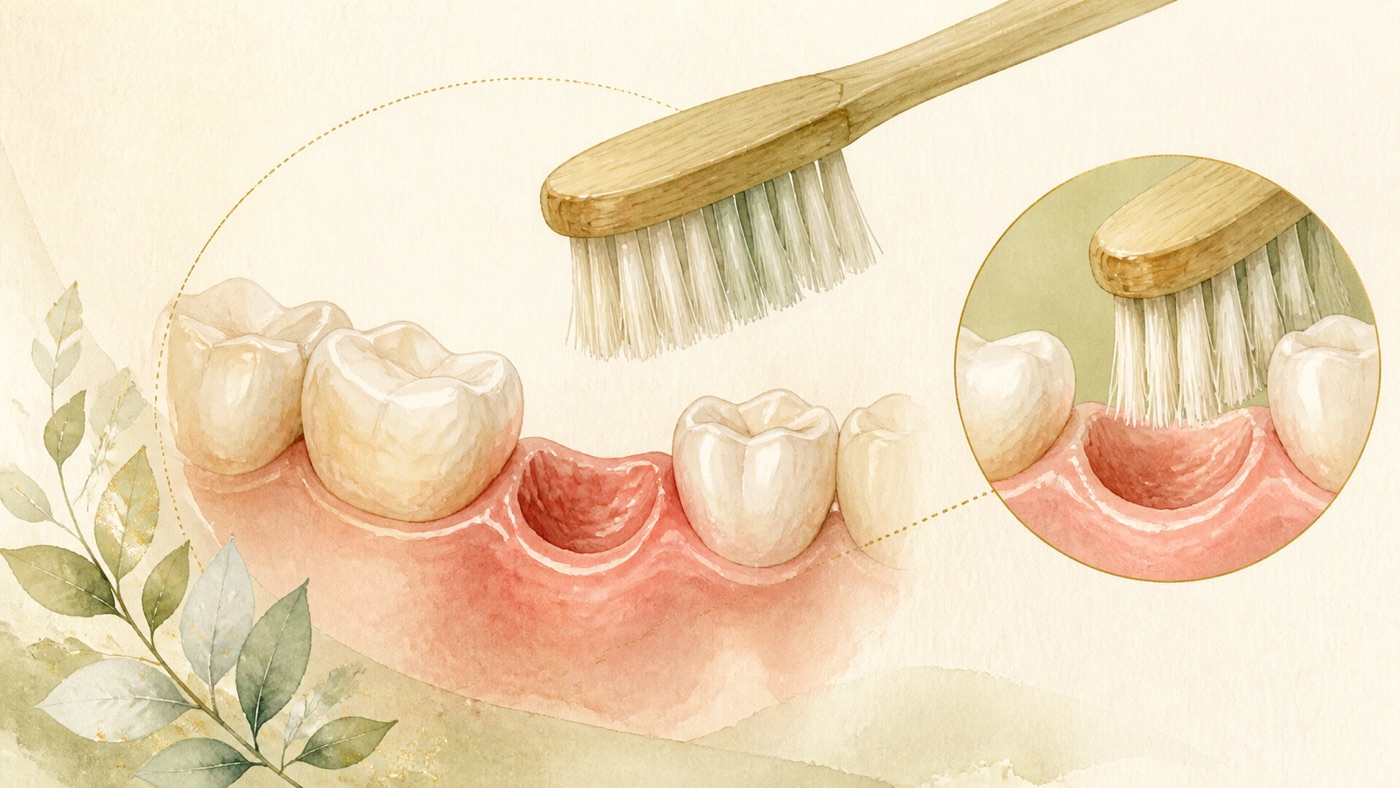
- **本站未取得指定小時數的臨床試驗;可引用的官方措辭沒有給天數,而是給分區原則。** NHS 智齒術後衛教頁寫的是仔細清潔其他牙齒、避開受影響的區域,以免弄壞縫線或傷口上的血塊 [F3]。**你的天數只有一個來源,就是你的術後指示** [F22]。另外要說明:本卡引用的兩項隨機對照試驗都是牙周手術、不是拔牙,它們把恢復清潔手術區的時間排在術後第 3 天與隔天,那是**研究者事先分配的介入排程**,結果為未觀察到有害 [F7][F8];**本卡不用那些日子替你設定任何一天** [F7][F8][F23]。還有一句同樣重要:「避開傷口區」不等於整口停刷,清潔其他牙齒在官方措辭裡是該做的事 [F3]。
- 抜歯後、いつから歯を磨ける? — **指定時間の臨床試験は得ていない。公式文言は日数でなく、他の歯を清掃し創部を避けるという区域原則である。** あなたの日程は術後指示に従う [F3][F22]。歯周手術の第 3 日・翌日の結果は研究介入日程で、抜歯の日程には使わない [F7][F8][F23]。
- How soon can I brush after a tooth extraction? — **This site found no clinical trial specifying an hour; citable official wording gives an area-based principle, not a number of days.** The NHS wisdom-tooth page says to clean your other teeth carefully and avoid the affected area so as not to damage stitches or the blood clot over the wound [F3]. **Your own postoperative instructions are the one source for your personal timing** [F22]. It is also important that the two randomised controlled trials cited here are in periodontal surgery, not extraction: they scheduled resuming surgical-area cleaning on day 3 and the next day, respectively, as **researcher-assigned intervention schedules**, and did not observe harm [F7][F8]. **This card does not use those days to set any day for you** [F7][F8][F23]. One more point matters equally: “avoid the wound area” does not mean stop cleaning the whole mouth; official wording says cleaning other teeth is something to do [F3].
- 拔牙後刷牙可以用牙膏嗎?
- **未取得「拔牙後使用牙膏是否影響傷口」的臨床研究** [F23]。可引用的做法是:其他牙齒照常以含氟牙膏清潔(成人牙膏氟含量至少 1,350 ppm、每天兩次、每次約 2 分鐘)[F5],刷的時候避開受影響的區域 [F3]。**牙膏泡沫沾到傷口附近會不會有影響,本站未取得研究,本卡不自訂規則** [F23]。含 SLS 牙膏對黏膜有實驗性刺激的資料存在,但那是口內牙托與測試艙的長時間貼附模型,不是刷牙情境 [F18][F19]。要不要換牙膏屬個別評估,請問你的牙醫師 [F22]。
- 抜歯後の歯磨きに歯磨剤は使える? — **抜歯後の歯磨剤と創部について直接研究は得ていない。** 他の歯をフッ化物配合歯磨剤で通常どおり清掃し、創部を避けることが根拠の範囲である [F3][F5]。泡が創部近くに触れる影響は不明で規則を定めない [F23]。個別の変更は歯科医師に尋ねる [F22]。
- Can I use toothpaste when brushing after extraction? — **No clinical study was obtained on whether toothpaste after extraction affects the wound** [F23]. The citable practice is to clean other teeth as usual with fluoride toothpaste (adult toothpaste with at least 1,350 ppm fluoride, twice daily for about 2 minutes) [F5], while avoiding the affected area [F3]. **For whether toothpaste foam near the wound has an effect, this site found no research and sets no rule** [F23]. Experimental data show irritation of mucosa from SLS toothpaste, but those are long-duration intraoral-tray and test-chamber models, not brushing settings [F18][F19]. Whether to change toothpaste is an individual assessment; ask your dentist [F22].
來源錨定
- Heitz F, Heitz-Mayfield LJ, Lang NP. Effects of post-surgical cleansing protocols on early plaque control in periodontal and/or periimplant wound healing. J… · https://pubmed.ncbi.nlm.nih.gov/15491319/ · 在 IDAEO 的其他引用
- Sijari Z, Romano F, Ciardo G, et al. Effect of two post-surgical cleansing protocols on early periodontal wound healing and cytokine levels following osseous… · https://pubmed.ncbi.nlm.nih.gov/30892797/ · 在 IDAEO 的其他引用
- Bertoldi C, Generali L, Cortellini P, et al. Influence of Tooth-Brushing on Early Healing after Access Flap Surgery: A Randomized Controlled Preliminary… · https://pubmed.ncbi.nlm.nih.gov/34072369/ · 在 IDAEO 的其他引用
- Acunzo R, Limiroli E, Pagni G, et al. Gingival Margin Stability After Mucogingival Plastic Surgery. The Effect of Manual Versus Powered Toothbrushing: A… · https://pubmed.ncbi.nlm.nih.gov/27677810/ · 在 IDAEO 的其他引用
- Duckworth RM, Maguire A, Omid N, et al. Effect of rinsing with mouthwashes after brushing with a fluoridated toothpaste on salivary fluoride concentration.… · https://pubmed.ncbi.nlm.nih.gov/19776570/ · 在 IDAEO 的其他引用
- Daly BJ, Sharif MO, Jones K, Worthington HV, Beattie A. Local interventions for the management of alveolar osteitis (dry socket). Cochrane Database Syst Rev.… · https://pubmed.ncbi.nlm.nih.gov/36156769/ · 在 IDAEO 的其他引用
- Peñarrocha M, Sanchis JM, Sáez U, Gay C, Bagán JV. Oral hygiene and postoperative pain after mandibular third molar surgery. Oral Surg Oral Med Oral Pathol… · https://pubmed.ncbi.nlm.nih.gov/11552141/ · 在 IDAEO 的其他引用
- Bailey E, Kashbour W, Shah N, Worthington HV, Renton TF, Coulthard P. Surgical techniques for the removal of mandibular wisdom teeth. Cochrane Database Syst… · https://pubmed.ncbi.nlm.nih.gov/32712962/ · 在 IDAEO 的其他引用
- Yue Yi EK, Siew Ying AL, Mohan M, Menon RK. Prevalence of Postoperative Infection after Tooth Extraction: A Retrospective Study. Int J Dent.… · https://pubmed.ncbi.nlm.nih.gov/34211554/ · 在 IDAEO 的其他引用
- Kiencało A, Jamka-Kasprzyk M, Panaś M, Wyszyńska-Pawelec G. Analysis of complications after the removal of 339 third molars. Dent Med Probl.… · https://pubmed.ncbi.nlm.nih.gov/33789003/ · 在 IDAEO 的其他引用
- Ockerman A, Bornstein MM, Leung YY, Li SKY, Politis C, Jacobs R. Local haemostatic measures after tooth removal in patients on antithrombotic therapy: a… · https://pubmed.ncbi.nlm.nih.gov/30155575/ · 在 IDAEO 的其他引用
- Leung WK, Corbet EF, Kan KW, Lo EC, Liu JK. A regimen of systematic periodontal care after removal of impacted mandibular third molars manages periodontal… · https://pubmed.ncbi.nlm.nih.gov/15966878/ · 在 IDAEO 的其他引用
- Herlofson BB, Barkvoll P. Desquamative effect of sodium lauryl sulfate on oral mucosa. A preliminary study. Acta Odontol Scand. 1993;51(1):39-43. PMID 8451922 · https://pubmed.ncbi.nlm.nih.gov/8451922/ · 在 IDAEO 的其他引用
- Rantanen I, Jutila K, Nicander I, Tenovuo J, Söderling E. The effects of two sodium lauryl sulphate-containing toothpastes with and without betaine on human… · https://pubmed.ncbi.nlm.nih.gov/12704946/ · 在 IDAEO 的其他引用
- Alli BY, Erinoso OA, Olawuyi AB. Effect of sodium lauryl sulfate on recurrent aphthous stomatitis: A systematic review. J Oral Pathol Med.… · https://pubmed.ncbi.nlm.nih.gov/30839136/ · 在 IDAEO 的其他引用
- Kuśnierek W, Brzezińska K, Nijakowski K, Surdacka A. Smoking as a Risk Factor for Dry Socket: A Systematic Review. Dent J (Basel). 2022;10(7):121. PMID… · https://pubmed.ncbi.nlm.nih.gov/35877395/ · 在 IDAEO 的其他引用
- Yin Y, Shuai F, Liu X, Zhao Y, Han X, Zhao H. Biomaterials and therapeutic strategies designed for tooth extraction socket healing. Biomaterials.… · https://pubmed.ncbi.nlm.nih.gov/39626339/ · 在 IDAEO 的其他引用
- Pahlevi MR, Istadi D, Arindra PK. Chlorhexidine reduces the incidence of alveolar osteitis in the absence of systemic antibiotics. Swiss Dent J.… · https://pubmed.ncbi.nlm.nih.gov/42454528/ · 在 IDAEO 的其他引用
- Sabri H, Derakhshan Barjoei MM, Azarm A, et al. The Yin and Yang of Sodium Lauryl Sulfate Use for Oral and Periodontal Health: A Literature Review. J Dent… · https://pubmed.ncbi.nlm.nih.gov/37727352/ · 在 IDAEO 的其他引用
- 醫療法 第 81 條(全國法規資料庫 · https://law.moj.gov.tw/LawClass/LawSingle.aspx?pcode=L0020021&flno=81 · 在 IDAEO 的其他引用
- NHS. Wisdom tooth removal(英國 NHS 病人衛教頁,頁面審閱日期 2024-06-12 · https://www.nhs.uk/tests-and-treatments/wisdom-tooth-removal/ · 在 IDAEO 的其他引用
- Scottish Dental Clinical Effectiveness Programme. Post-Treatment Advice for Dental Patients Taking Anticoagulant or Antiplatelet Medication(2022 年 3 月,PDF · https://www.sdcep.org.uk/media/bocnpjel/sdcep-post-treatment-advice-for-dental-patients.pdf · 在 IDAEO 的其他引用
- NHS. How to keep your teeth clean(英國 NHS 病人衛教頁,頁面審閱日期 2025-06-30 · https://www.nhs.uk/live-well/healthy-teeth-and-gums/how-to-keep-your-teeth-clean/ · 在 IDAEO 的其他引用
- 醫療法 第 87 條(全國法規資料庫 · https://law.moj.gov.tw/LawClass/LawSingle.aspx?pcode=L0020021&flno=87 · 在 IDAEO 的其他引用
引用本文
Lucy・《拔牙後多久可以刷牙?可以用牙膏嗎?|證據鏈》・IDAEO 知識庫・2026-08-13・https://km.idaeo.ai/post/reports/dental-post-extraction-brushing-evidence更新於 2026-08-27