

🏛 Part of the "reports" topic shelf →
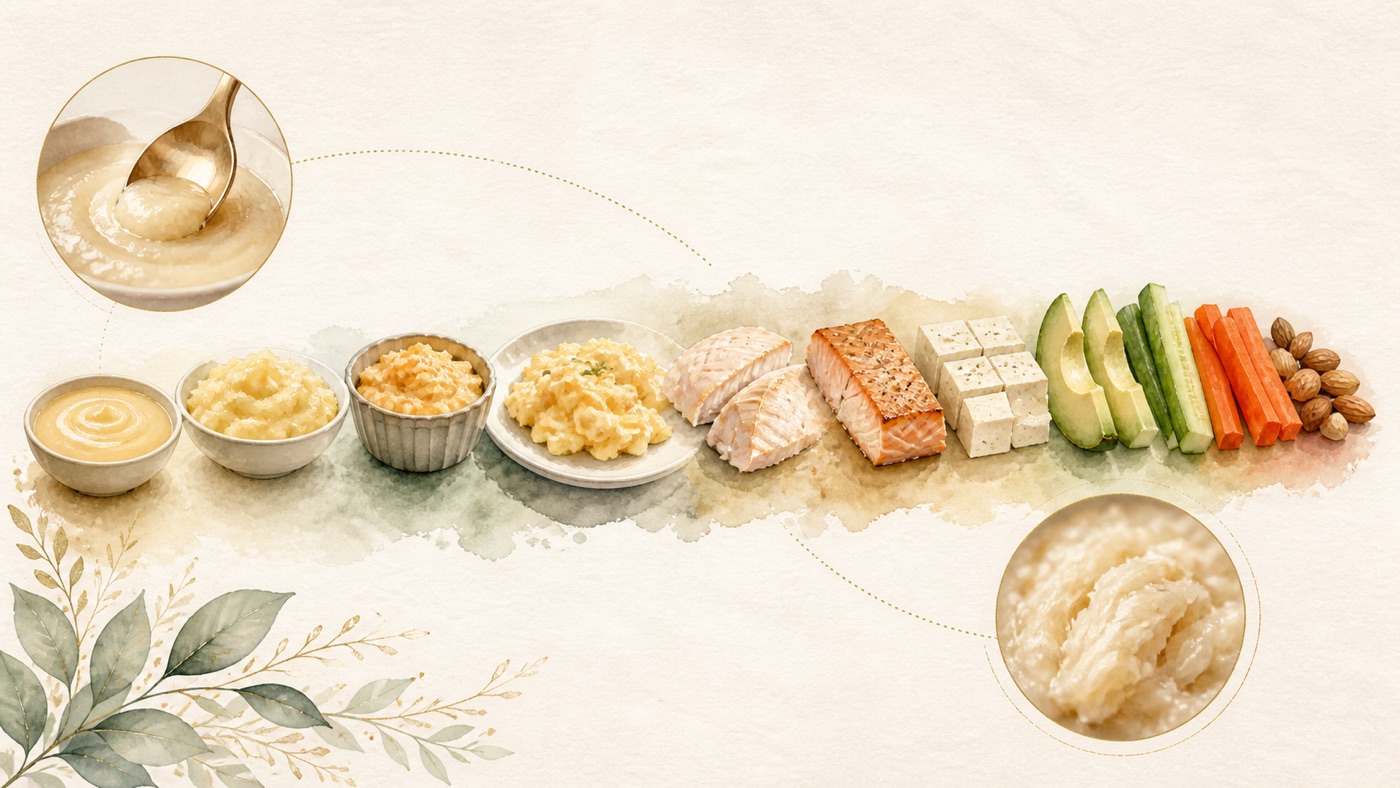
When can I eat and drink after a tooth extraction? What should I eat?|證據鏈
本頁是〈When can I eat and drink after a tooth extraction? What should I eat?〉的事實單元帳:每一條主張對應的來源、證據等級、地域與期間、原文引句與限制,逐條攤開。
When can I eat and drink after a tooth extraction? What should I eat?|證據鏈
F-Units (fact-unit ledger)
- F0|Article 87 of Taiwan’s Medical Care Act: content that implies or alludes to medical business is regarded as medical advertising; publication of medical knowledge or research reports, patient health education, and academic publications that do not solicit medical business are not regarded as medical advertising|Source #23|confidence=verified (2026-08-05 `curl` checked HTTP 200; both provisions matched verbatim)|basis=law|period=current provision|geo: TW|caveat: basis for this card’s positioning; statutory quotation, not legal advice.
- F1|Topic selection basis = full GSC reconciliation across 14 clinic sites. Ten queries including 「拔牙後多久可以喝水」 「拔牙後吃什麼」 「拔牙後多久可以吃東西」 「拔牙後飲食」 「拔牙後飲食禁忌」 「拔牙後多久可以吃熱食」 and 「拔完智齒多久可以喝水」 totalled 335,564 impressions across 2 sites |Source #24|confidence=high|basis=internal_dataset|period=GSC retention window (from 2025-03-22)|geo: TW|caveat: impressions are attribute-level figures, not deduplicated traffic; includes 1 Simplified-Chinese variant query; internal data rather than a medical claim, and not for the published visible layer.
- F2 [structural synthesis]|The three criteria “no forceful biting / do not burn your mouth / no forceful sucking needed” and the four-stage framework “anaesthetic not yet worn off / day of surgery / first 3 postoperative days / after 1 week” are this site’s communication structure derived from F3, F4, F8, F13, and F19|Source #25|confidence=n/a|basis=editorial_framework|period=2026-08-05|geo: universal|caveat: not a diagnostic tool or clinical guidance; must not be labelled an unverified claim.
- F3|Scottish Dental Clinical Effectiveness Programme (SDCEP) patient postoperative leaflet, *Post-Treatment Advice for Dental Patients Taking Anticoagulant or Antiplatelet Medication* (March 2022): after dental treatment likely to cause bleeding, such as extraction, rest until local anaesthetic has worn off and clot fully formed (usually 2 to 3 hours); do not rinse before the next day; avoid sucking hard or disturbing the clot; on the day avoid hot liquids and hard foods and avoid chewing on the affected side; beginning the day after treatment, gently rinse with warm salt water (one teaspoon of salt in a glass of water) 3 to 4 times daily for 5 days; if bleeding restarts after leaving the clinic, apply pressure for 30 minutes with a folded clean damp handkerchief or gauze and contact the dentist if it does not stop|Source #21|confidence=verified (2026-08-05 PDF checked HTTP 200; full text extracted with `pdftotext` and matched verbatim; publication page also loaded in a browser)|basis=clinical_guideline|period=2022-03|geo: universal|span:「Rest while the local anaesthetic wears off and the clot fully forms (usually 2-3 hours).」「Avoid rinsing your mouth until the next day.」「Avoid sucking hard or disturbing the clot.」「Avoid hot liquids and hard foods for the rest of the day and avoid chewing on the affected side of your mouth.」「Starting the day after treatment, gently rinse your mouth with warm salty water 3 or 4 times a day for 5 days (a teaspoon of salt in a glass of water).」「put pressure on the bleeding area for 30 minutes ... pressing or biting down on a folded, clean, damp handkerchief or gauze pad」|caveat: this leaflet is for dental patients taking anticoagulant or antiplatelet medicines, not all extraction patients; it is Scottish (UK) guidance, not an official Taiwan or Japan document; it cites no randomised trials supporting each recommendation; its analgesic and NSAID passages are medicine advice specific to that population and are deliberately not restated here.
- F4|In the control group without a reversal drug, median soft-tissue anaesthesia recovery was 155 minutes in the lower lip, 125 minutes in the tongue, and 133 minutes in the upper lip|Source #1|confidence=verified|basis=peer_reviewed (PMID 18682623; two multicentre randomised double-blind phase-III trials; 484 participants)|period=2008|geo: universal|span:「Median recovery times in the lower lip and tongue for subjects in the sham group were 155 minutes and 125 minutes, respectively. Upper lip median recovery times were 50 minutes for subjects in the PM group and 133 minutes for subjects in the sham group」|caveat: same anchor as card #20 F3; restorative and cleaning procedures using local anaesthetic with vasoconstrictor, not extraction surgery; this card cites only the scale that soft-tissue anaesthesia lasts several hours.
- F5|Shortening soft-tissue anaesthesia may reduce self-inflicted injuries after inferior alveolar nerve block|Source #2|confidence=verified|basis=peer_reviewed (PMID 24654413; literature review)|period=2014|geo: universal|span:「would significantly reduce the duration of soft tissue anesthesia, and subsequently may reduce the incidence of the undesirable post-treatment self-inflicted injuries associated with inferior alveolar nerve block」|caveat: same anchor as card #20 F4; paediatric dental-population review; authors say “may”; cited for a mechanism, not an adult quantitative estimate.
- F6|Dry socket is an extraction complication more often involving mandibular molars; it is associated with severe pain developing 2 to 3 days after surgery, with or without halitosis, a socket partly or totally without a clot, and increased postoperative visits|Source #3|confidence=verified|basis=peer_reviewed (PMID 36156769; Cochrane systematic review; 49 trials, 6,771 participants)|period=2022 (searched to 2021-09-28)|geo: universal|span:「Alveolar osteitis (dry socket) is a complication of dental extractions more often involving mandibular molar teeth. It is associated with severe pain developing 2 to 3 days postoperatively with or without halitosis, a socket that may be partially or totally devoid of a blood clot, and increased postoperative visits」|caveat: same anchor as card #1 F9; a background-description passage in that review, not a self-diagnosis tool; full differentiation and red flags are in card #1 and are not repeated here.
- F7|Dry socket is partial or total loss of the post-extraction clot, causing severe pain that usually begins 1 to 5 days after surgery; meta-analysis found more than 3 times the odds in smokers, with combined incidence about 13.2% in smokers and about 3.8% in non-smokers|Source #4|confidence=verified|basis=peer_reviewed (PMID 35877395; systematic review; 11 included studies)|period=2022 (searched to 2022-03)|geo: universal|span:「It is the partial or total loss of the post-extraction blood clot, resulting in severe pain that usually starts one to five days postoperatively, with clinical evidence of exposed alveolar bone, necrotic debris, halitosis, and tenderness on examination」「Based on a meta-analysis, tobacco smokers had a more than three-fold increase in the odds of dry socket after tooth extraction. Overall, the combined incidence of dry socket in smokers was found to be about 13.2% and in non-smokers about 3.8%」|caveat: same anchor as card #1 F10; authors report substantial heterogeneity; pooled observational association, not causation.
- F8|Patient-reported study of 339 patients across five types of alveolar surgery (10 cm visual analogue scale, daily during postoperative week 1 and on day 14): during the first 3 healing days, transalveolar extraction had higher overall bleeding and pain area under the curve (mean bleeding 5.6; mean pain 7.5); the 2-week overall experience showed symptoms subsided quickly in all groups|Source #5|confidence=verified|basis=peer_reviewed (PMID 26970296; comparative clinical study; two centres in Hong Kong and Nanjing)|period=2017|geo: universal|span:「For the first 3 days of healing, area-under-the-curve (AUC) analyses showed that transalveolar extraction (TE) resulted in significantly higher overall bleeding and pain (AUC: Bleeding Mean = 5.6, Pain Mean = 7.5)」「Two-week overall experience showed the symptoms quickly subsided for all groups」|caveat: same anchor as card #1 F19 and card #20 F5; non-randomised consecutive enrolment at two centres; population trend, not an inevitable individual result.
- F9|Dry-socket prevalence ranges from 1% to 5% in routine extractions and to upwards of 30% in surgically extracted third molars|Source #3|confidence=verified|basis=peer_reviewed (PMID 36156769; Cochrane systematic review)|period=2022|geo: universal|span:「The prevalence of dry socket varies from 1% to 5% in routine dental extractions to upwards of 30% in surgically extracted third molars」|caveat: same anchor as card #1 F11; background parameter range used by that review to calculate NNT, not the review’s own pooled estimate.
- F10|Evidence-based dentistry commentary on F7’s systematic review: 11 studies from 10 countries included 10,195 patients (3,007 smokers and 7,188 non-smokers); all included studies were at the third or fourth level of a five-level evidence scale|Source #6|confidence=verified|basis=peer_reviewed (PMID 37814003; structured commentary in Evidence-Based Dentistry)|period=2023|geo: universal|span:「Eleven studies from ten different countries representing a total of 10,195 patients (3007 smokers and 7188 non-smokers) were included in the final analysis. Nine studies were classified as having "good" quality and two as "intermediate," while all of the studies have the third or fourth level of evidence」|caveat: same anchor as card #1 F16; commentary on another systematic review, not original research.
- F11|Of 60 patients having all four third molars removed, half used a straw with every meal in the first 2 postoperative days; 220 teeth were extracted, no dry socket occurred in the maxilla, 17 occurred in the mandible, 8 among straw users (15%) and 9 among non-users (15%); authors concluded there was no evidence that straw use in the first 2 days after third-molar extraction increases dry-socket incidence|Source #7|confidence=verified|basis=peer_reviewed (PMID 22432232; clinical study)|period=2012|geo: universal|span:「Sixty randomly selected patients had all 4 third molars extracted. One half of the patients were given straws to use with all meals for 2 days after surgery.」「Two-hundred-twenty teeth were extracted. No dry socket occurred in the maxilla, 17 occurred in the mandible; 8 or 15% who had used a straw and 9 or 15% who did not.」「There is no evidence that there is an increased incidence of dry sockets when using a straw in the first 2 days after third molars have been extracted.」|caveat: single study, 60 patients, published in a state dental-association journal; abstract says only “randomly selected patients,” without random-allocation or blinding details, and does not define percentage denominators; limited to third molars and first 2 postoperative days; “no observed increase” does not prove harmlessness and must not override an individual clinician’s postoperative instruction.
- F12|Pilot study of 25 impacted mandibular-third-molar surgery patients using a food-frequency questionnaire and 24-hour recall to measure habitual protein intake in the preceding month: protein intake was positively associated with day-7 early wound-healing index (`p = 0.019`) and lower day-1 pain scores (`p = 0.009`); the high-protein group had greater day-3 decrease in mouth opening (`p = 0.004`) and more facial swelling (`p = 0.023`); OHIP-14 showed no significant difference at any time point|Source #8|confidence=verified|basis=peer_reviewed (PMID 40462111; pilot study)|period=2025|geo: universal|span:「Patients with high protein intake experienced a significantly greatest decrease in mouth opening on the 3rd postoperative day (p = 0.004). Facial swelling on day 3 was significantly greater in the high protein intake group compared to the low and normal intake groups (p = 0.023), while pain scores on day 1 were significantly lower (p = 0.009). Protein intake was positively associated with EHI scores on day 7, indicating improved early wound healing (p = 0.019)」「Further studies with larger cohorts are warranted to validate these results」|caveat: measured habitual intake during the preoperative month, not an intervention of postoperative protein supplementation; 25 participants and authors describe it as a pilot study; direction of findings was inconsistent (better healing index but more day-3 swelling and limited opening); this card must not recommend any protein supplement from it.
- F13|Prospective clinical trial (740 patients having all four third molars removed; recovery data from 630; median age 21 years; median operation time 30 minutes): patients completed a daily quality-of-life measure covering pain, daily activity, oral function, and other symptoms for 14 postoperative days; most quality-of-life measures recovered within 5 days, pain to “little or none” recovered later than other measures, and 22% were treated for delayed healing|Source #9|confidence=verified|basis=peer_reviewed (PMID 12730831; prospective clinical trial)|period=2003|geo: universal|span:「Recovery data were available for 630 of 740 enrolled patients. The median age of the 630 patients was 21 years, and the median operation time was 30 minutes. Recovery for most HRQOL measures occurred within 5 days after surgery. However, recovery from pain to the criterion of "little or none" was delayed relative to other HRQOL measures. Twenty-two percent of patients were treated for delayed healing after surgery.」|caveat: population had all four third molars removed and median age 21 years; cannot be extrapolated to a single simple extraction or older populations; “recovery” is defined by patient-reported scale, not clinical healing; 2003 study.
- F14|92 mandibular-third-molar surgery patients completed questionnaires on days 4 and 7 after surgery covering eating ability, speaking ability, social and work impact, and recorded pain daily to day 7 on a 100 mm visual analogue scale: pain decreased linearly; authors concluded lower third-molar surgery significantly affected quality of life and environment, particularly in the first 3 days|Source #10|confidence=verified|basis=peer_reviewed (PMID 16280233; quality-of-life study with randomised groups)|period=2006|geo: universal|span:「Ninety-two patients filled a questionnaire assessing social isolation, working isolation, eating ability, speaking ability, sleep impairment, physical appearance, discomfort at suture removal and overall satisfaction on days 4 and 7 after surgery.」「The decrease in pain was linear over time.」「Lower third molar surgery significantly affects patient quality of life and environment, particularly during the first 3 days after extraction.」|caveat: randomised intervention was the amount of oral postoperative instruction; no significant pain difference between groups; this card cites only the quality-of-life time trend, not the instruction-intervention conclusion.
- F15|Prospective longitudinal cohort (55 enrolled, 47 analysed; upper third-molar removal under local anaesthesia): pain decreased linearly across 7 days, with significant relief between day 2 and day 3; authors concluded upper third-molar removal significantly affects quality of life, particularly in the first 2 days|Source #11|confidence=verified|basis=peer_reviewed (PMID 29053650; prospective longitudinal study)|period=2017|geo: universal|span:「Pain decreased lineally across the 7 days, and relief was significant between days 2 and 3.」「Upper third molar removal significantly affects the patient's quality of life, particularly during the first 2 days after extraction.」|caveat: 47 participants and upper third molars only; questionnaire included dietary-adjustment items but abstract provides no item-level values, so this card cites no dietary percentage.
- F16|958 subjects were enrolled at 9 academic centres and 12 community practices and completed a condition-specific measure daily for 14 postoperative days. “Recovery” was the days needed to report no or only a little trouble: except mouth opening, recovery on every quality-of-life item was significantly slower for those 21 years or older than younger subjects (`P < 0.02`); women’s recovery was significantly longer than men’s for all outcomes (`P < 0.01`)|Source #12|confidence=verified|basis=peer_reviewed (PMID 21130316; multicentre prospective study)|period=2010|geo: universal|span:「Nine hundred fifty-eight subjects treated at 9 academic centers and 12 community practices were enrolled. Except for ability to open the mouth, recovery for all quality-of-life items for those 21 years or older significantly (P < 0.02) lagged behind recovery for younger subjects. Recovery for female subjects was significantly longer than for male subjects for all outcomes (P < 0.01).」|caveat: setting was removal of all four third molars; population-level association, not individual prediction; abstract states no actual days for each item, so this card cites no day count.
- F17|Systematic review and meta-analysis of 8 randomised studies: no significant difference in dry-socket incidence between warm saline mouth bath and other antimicrobial rinses (`P > 0.05`); authors said most included studies had high risk of bias and more studies are needed|Source #13|confidence=verified|basis=peer_reviewed (PMID 34509363; systematic review and meta-analysis)|period=2021 (searched to 2020-08-30)|geo: universal|span:「This review found no significant difference (P > 0.05) in the incidence of alveolar osteitis between WSMB and other antimicrobial rinses」「more studies are needed to validate these findings, as most of the studies reviewed had a high level of bias」|caveat: same anchor as card #1 F18; “no significant difference” does not mean equivalence and does not recommend or oppose any rinse.
- F18|Systematic review of 15 included studies: interrupting antithrombotics because of fear of bleeding or postoperative bleeding increases thromboembolic-event risk; reviewed local haemostatic measures included gauze pressure|Source #14|confidence=verified|basis=peer_reviewed (PMID 30155575; systematic review)|period=2019|geo: universal|span:「The interruption of antithrombotics prior to tooth removal because of the fear of bleeding or following postoperative bleeding increases the risk of thromboembolic events」「The investigated haemostatics included gauze pressure」|caveat: same anchor as card #1 F20, card #20 F8, and card #28 F14; cited only for haemostatic-measure category and risk of interrupting medicine; it recommends no particular haemostatic material or medicine.
- F19|The mouth is a complex microenvironment affected by oral movements, salivary flow, and bacterial biofilms; these factors can contribute to delayed socket healing and post-extraction complications|Source #15|confidence=verified|basis=peer_reviewed (PMID 39626339; narrative review)|period=2025|geo: universal|span:「The oral cavity is a complex microenvironment, influenced by oral movements, salivary flow, and bacterial biofilms. These factors can contribute to delayed socket healing and the onset of post-extraction complications」|caveat: same anchor as card #1 F23; narrative review in biomaterials, not a clinical trial; cited only for its mechanistic description of the oral environment.
- F20|Literature recommends written postoperative instructions because patients who are anxious or in pain may not retain oral information|Source #16|confidence=verified|basis=peer_reviewed (PMID 23726490; clinical and medicolegal review)|period=2013|geo: universal|span:「Providing written postoperative instructions detailing emergency arrangements, patients who are anxious or in pain may not retain oral information」|caveat: same anchor as card #20 F20; UK-practice review, not a Taiwan legal requirement; Taiwan’s duty to inform is in F21.
- F21|Article 81 of Taiwan’s Medical Care Act: when a medical institution diagnoses or treats a patient, it shall inform the patient or legal representative, spouse, relative, or related person of the condition, treatment plan, procedure, medication, prognosis, and possible adverse reactions|Source #22|confidence=verified (2026-08-05 `curl` checked HTTP 200 and statutory text matched verbatim)|basis=law|period=current provision|geo: TW|caveat: same anchor as card #1 F24 and card #20 F21; statutory quotation, not legal advice. Official English translation: https://law.moj.gov.tw/ENG/LawClass/LawAll.aspx?pcode=L0020021
- F22|Cochrane systematic review (62 trials; 4,643 participants): mandibular wisdom-tooth surgery is commonly associated with short-term postoperative pain, swelling, and trismus; infection, dry socket, and trigeminal nerve injury may occur less frequently. Another systematic review of 23 papers found leading complications in oral surgery to be haemorrhage in anticoagulated patients, infection in immunosuppressed patients, and osteonecrosis in people taking antiresorptive drugs|Sources #17, #18|confidence=verified|basis=peer_reviewed (PMID 32712962, Cochrane systematic review; PMID 40952869, systematic review)|period=2020 (searched to 2019-07-08) / 2024|geo: universal|span:「Surgery is commonly associated with short-term postoperative pain, swelling and trismus. Less frequently, infection, dry socket (alveolar osteitis) and trigeminal nerve injuries may occur」「The most prevalent complications in oral surgery are hemorrhage in anticoagulated patients, infections in immunosuppressed patients, and osteonecrosis in patients who take antiresorptive drugs」|caveat: same anchor as card #1 F21 and F22; both are background-description passages; this card does not cite their efficacy or treatment conclusions; the latter concerns high-risk populations taking multiple medicines.
- F23|Mouse experiment: feeding a low-casein diet for 2 weeks induced malnutrition; after extraction, delayed wound healing with elevated inflammation-related indicators was observed on day 7|Source #19|confidence=verified|basis=peer_reviewed (PMID 34162142; animal experiment)|period=2021|geo: universal|span:「We used tooth-extracted mice with malnutrition fed with low-casein diet for two weeks.」「On day 7, delayed wound healing was observed with the following findings under malnutrition conditions」|caveat: animal experiment; must not be extrapolated to clinical recommendations in humans; cited only to explain that nutrition status is mechanistically related to healing, not to prescribe diet or supplements.
- F24 [structural synthesis]|Evidence-gap statement: on 2026-08-05, this site searched PubMed E-utilities using queries including `drinking straw dry socket`, `diet after tooth extraction`, `soft diet oral surgery nutrition`, `alcohol dry socket alveolar osteitis`, `hot food temperature oral wound healing`, `mouth rinsing timing after tooth extraction bleeding`, and `capsaicin spicy food oral mucosa wound`; it obtained no direct clinical research on “food temperature and post-extraction bleeding or dry socket,” “spicy foods and extraction wounds,” “ice consumed in the mouth after extraction,” “alcohol use after extraction,” “specific supplements accelerating extraction-socket healing,” or “rinse force and clot loss.” The `mouth rinsing timing` and `capsaicin` queries each returned 0 PubMed records|Source #25|confidence=n/a|basis=editorial_framework|period=2026-08-05|geo: universal|caveat: search limited to English PubMed literature and these queries; not obtained does not mean disproved; editorial statement that must not be labelled an unverified claim.
- F25 [structural synthesis]|Division-of-work statement: the extraction-socket healing-stage timeline, full definition and red-flag criteria for dry socket, and evidence for external ice application are addressed respectively in KM-DENTAL-01 and KM-DENTAL-20; this card cites them only when needed and does not rewrite them|Source #25|confidence=n/a|basis=editorial_framework|period=2026-08-05|geo: universal|caveat: editorial division-of-work statement, not a medical claim.
- F26|Meta-analysis included 28 studies and 41,859 impacted mandibular third-molar extractions; overall dry-socket prevalence was estimated as 6.7% (95% confidence interval 4.6% to 9.1%), with considerable between-study heterogeneity|Source #20|confidence=verified|basis=peer_reviewed (PMID 38432484; systematic review and meta-analysis)|period=2024|geo: universal|span:「Our meta-analysis included twenty-eight eligible studies, encompassing a total of 41,859 impacted mandibular third molar extractions. The overall prevalence of dry socket (DS) following impacted mandibular third molar extractions was estimated at 6.7 % (95 % CI 4.6-9.1 %), indicating considerable heterogeneity among the studies」|caveat: same anchor as card #1 F12; limited to impacted mandibular third molars; population prevalence, not individual risk.
<!-- 來源清單 -->
Sources
All accessed on 2026-08-05. PubMed records were obtained with E-utilities `efetch`; abstract text was matched verbatim and each record page was checked for HTTP 200. The guidance PDF was checked for HTTP 200, its full text was extracted with `pdftotext` and matched verbatim, and its publication page was loaded in a browser. Statutory text was checked against the National Laws and Regulations Database for HTTP 200 and verbatim match.
- Hersh EV, Moore PA, Papas AS, et al. Reversal of soft-tissue local anesthesia with phentolamine mesylate in adolescents and adults. J Am Dent Assoc. 2008;139(8):1080-1093. PMID 18682623
- Smith T, Urquiola R, Oueis H, et al. Comparison of articaine and lidocaine in the pediatric population. J Mich Dent Assoc. 2014;96(1):34-37. PMID 24654413
- Daly BJ, Sharif MO, Jones K, Worthington HV, Beattie A. Local interventions for the management of alveolar osteitis (dry socket). Cochrane Database Syst Rev. 2022;9(9):CD006968. PMID 36156769
- Kuśnierek W, Brzezińska K, Nijakowski K, Surdacka A. Smoking as a Risk Factor for Dry Socket: A Systematic Review. Dent J (Basel). 2022;10(7):121. PMID 35877395
- Yao J, Lee KK, McGrath C, Wu YN, Li KY, Mattheos N. Comparison of patient-centered outcomes after routine implant placement, teeth extraction, and periodontal surgical procedures. Clin Oral Implants Res. 2017;28(4):373-380. PMID 26970296
- Majid OW. Further evidence confirms the association between smoking and dry socket: a motivational opportunity for tobacco cessation. Evid Based Dent. 2023;24(4):181-183. PMID 37814003
- Bloomer CR. Straws do not cause dry sockets when third molars are extracted. Tex Dent J. 2012;129(1):25-32. PMID 22432232
- Avağ C, Avağ MS, Sakarya Ö, Vural A. The effect of protein intake levels on early postoperative outcomes following impacted mandibular third molar removal: a pilot study. BMC Oral Health. 2025;25(1):903. PMID 40462111
- White RP Jr, Shugars DA, Shafer DM, Laskin DM, Buckley MJ, Phillips C. Recovery after third molar surgery: clinical and health-related quality of life outcomes. J Oral Maxillofac Surg. 2003;61(5):535-544. PMID 12730831
- Colorado-Bonnin M, Valmaseda-Castellón E, Berini-Aytés L, Gay-Escoda C. Quality of life following lower third molar removal. Int J Oral Maxillofac Surg. 2006;35(4):343-347. PMID 16280233
- Avellaneda-Gimeno V, Figueiredo R, Valmaseda-Castellón E. Quality of life after upper third molar removal: A prospective longitudinal study. Med Oral Patol Oral Cir Bucal. 2017;22(6):e759-e766. PMID 29053650
- Phillips C, Gelesko S, Proffit WR, White RP Jr. Recovery after third-molar surgery: the effects of age and sex. Am J Orthod Dentofacial Orthop. 2010;138(6):700.e1-8. PMID 21130316
- Osunde OD, Adebola RA, Adeoye JB, et al. Effectiveness of warm saline mouth bath in preventing alveolar osteitis: A systematic review and meta-analysis. J Craniomaxillofac Surg. 2021;49(10):1001-1008. PMID 34509363
- Ockerman A, Bornstein MM, Leung YY, Li SKY, Politis C, Jacobs R. Local haemostatic measures after tooth removal in patients on antithrombotic therapy: a systematic review. Clin Oral Investig. 2019;23(4):1695-1708. PMID 30155575
- Yin Y, Shuai F, Liu X, Zhao Y, Han X, Zhao H. Biomaterials and therapeutic strategies designed for tooth extraction socket healing. Biomaterials. 2025;316:122975. PMID 39626339
- Rees J. Medicolegal implications of dental implant therapy. Prim Dent J. 2013;2(2):34-38. PMID 23726490
- Bailey E, Kashbour W, Shah N, Worthington HV, Renton TF, Coulthard P. Surgical techniques for the removal of mandibular wisdom teeth. Cochrane Database Syst Rev. 2020;7(7):CD004345. PMID 32712962
- Morgado-Sevillano D, Rodríguez-Molinero J, García-Bravo C, et al. Oral surgery considerations in patients at high-risk of complications related to drug intake: A systematic review. Saudi Dent J. 2024;36(12):1503-1508. PMID 40952869
- Zhang Y, Ideguchi H, Aoyagi H, et al. Malnutrition delayed wound healing after tooth extraction by HMGB1-related prolonged inflammation. Int Immunopharmacol. 2021;96:107772. PMID 34162142
- Kostares E, Kostare G, Kostares M, Kantzanou M. Prevalence of fibrinolytic alveolitis following extraction of impacted mandibular third molars: A systematic review and meta-analysis. J Stomatol Oral Maxillofac Surg. 2024;125(4S):101810. PMID 38432484
- Scottish Dental Clinical Effectiveness Programme. Post-Treatment Advice for Dental Patients Taking Anticoagulant or Antiplatelet Medication (March 2022, PDF)
- Taiwan Medical Care Act, Article 81 (National Laws and Regulations Database)
- Taiwan Medical Care Act, Article 87 (National Laws and Regulations Database)
- Internal data: `analysis/reports/km-dental-backlog.md`, Appendix #4 (10 query terms × 2 sites; impressions reconcilable record by record)
- Editorial framework: this site’s four-stage timeline, three-criteria framework, family-card division of work, and evidence-gap statement (no external source; labelled structural synthesis)
<!-- 內部引用鏈 -->
Internal citation chain
- Family-card division of work (required reading): For the extraction socket’s healing process, complete dry-socket definition, and review red flags, see How long does the hole after tooth extraction take to heal? (KM-DENTAL-01). That card covers how the socket heals; this card covers eating and drinking. Dry-socket anchors F6 = that card F9, F7 = that card F10, and F9 = that card F11; the two cards use the same numeric sources without repeating claims [F25].
- For postoperative diet with different procedures (including itemised evidence for coffee, tea, alcohol, and external ice application), see When can I eat after an implant? Can I drink coffee or tea? (KM-DENTAL-20) (anaesthesia anchor F4 = that card F3; haemostasis anchor F18 = that card F8) [F25].
- For whether a molar needs replacement after the socket heals: Can a missing molar be left unreplaced, and what happens? (KM-DENTAL-34)
FAQ
- When may I drink water after an extraction?
- **A patient leaflet from UK (Scottish) clinical guidance says to rest until the local anaesthetic has worn off and the clot has fully formed, usually 2 to 3 hours; the leaflet was originally written for dental patients taking anticoagulant or antiplatelet medicines** [F3]. Comparable clinical data show median return of soft-tissue sensation of 155 minutes in the lower lip, 125 minutes in the tongue, and 133 minutes in the upper lip in controls without reversal drug [F4], while absent sensation can lead to self-injury [F5]. The actual timing remains subject to your operating clinician’s instruction [F21].
- 抜歯後、いつ水を飲めますか? — **英国(スコットランド)の臨床指針患者文書は、局所麻酔が切れ血餅が完全にできるまで休むこと、通常 2〜3 時間としています。この文書の元の対象は抗凝固薬・抗血小板薬を服用する歯科患者です** [F3]。対照群での軟組織感覚回復中央値は下唇 155 分、舌 125 分、上唇 133 分で [F4]、感覚未回復時は自傷しやすくなります [F5]。実際の時期は手術を行った歯科医師の指示に従ってください [F21]。
- When may I drink water after an extraction? — **A patient leaflet from UK (Scottish) clinical guidance says to rest until the local anaesthetic has worn off and the clot has fully formed, usually 2 to 3 hours; the leaflet was originally written for dental patients taking anticoagulant or antiplatelet medicines** [F3]. Comparable clinical data show median return of soft-tissue sensation of 155 minutes in the lower lip, 125 minutes in the tongue, and 133 minutes in the upper lip in controls without reversal drug [F4], while absent sensation can lead to self-injury [F5]. The actual timing remains subject to your operating clinician’s instruction [F21].
- When may I eat after an extraction, and what should I eat?
- **The literature does not give one number of days that fits everyone.** The day-of-treatment guidance is to avoid hot liquids and hard foods, not suck forcefully, and not chew on the treated side [F3]. Symptoms are more concentrated in the first 2 to 3 days [F8][F14][F15], and most quality-of-life measures recovered within 5 days in people having all four third molars removed [F13]. Rather than a food list, this card gives three criteria: no forceful biting, do not burn your mouth, and no need for forceful sucking [F2][F3].
- 抜歯後、いつ食べられますか?何を食べればよいですか? — **誰にでも使える一つの日数は文献にありません。**当日の指針は熱い液体・硬い食べ物を避け、強く吸わず、処置側で噛まないことです [F3]。最初の 2〜3 日は不快感が比較的集中し [F8][F14][F15]、4本の第三大臼歯を抜いた人の大部分の生活の質指標は 5 日以内に回復しました [F13]。食べ物のリストではなく、強く噛まない、口をやけどしない、強く吸う必要がない、の3基準を使います [F2][F3]。
- When may I eat after an extraction, and what should I eat? — **The literature does not give one number of days that fits everyone.** The day-of-treatment guidance is to avoid hot liquids and hard foods, not suck forcefully, and not chew on the treated side [F3]. Symptoms are more concentrated in the first 2 to 3 days [F8][F14][F15], and most quality-of-life measures recovered within 5 days in people having all four third molars removed [F13]. Rather than a food list, this card gives three criteria: no forceful biting, do not burn your mouth, and no need for forceful sucking [F2][F3].
- When may I eat hot food or drink hot soup after extraction?
- **This search found no clinical trial of food temperature and post-extraction bleeding or dry socket** [F24]. What can be cited is only the UK guidance leaflet’s instruction to avoid hot liquids on the day (originally for people taking anticoagulant or antiplatelet medicines) [F3], and impaired temperature and pain judgement while anaesthesia persists [F4][F5]. This card therefore gives no number of days; follow your written postoperative instruction [F20][F21].
- 抜歯後、いつ熱い食事やスープを取れますか? — **食物温度と抜歯後出血またはドライソケットの臨床試験は今回得られていません** [F24]。引用できるのは、英国指針患者文書の「当日は熱い液体を避ける」(元来は抗凝固薬・抗血小板薬服用者向け)[F3] と、麻酔未消退時の温度・痛み判断の低下です [F4][F5]。よって日数は示さず、書面の術後指示に従ってください [F20][F21]。
- When may I eat hot food or drink hot soup after extraction? — **This search found no clinical trial of food temperature and post-extraction bleeding or dry socket** [F24]. What can be cited is only the UK guidance leaflet’s instruction to avoid hot liquids on the day (originally for people taking anticoagulant or antiplatelet medicines) [F3], and impaired temperature and pain judgement while anaesthesia persists [F4][F5]. This card therefore gives no number of days; follow your written postoperative instruction [F20][F21].
Source anchors
- Hersh EV, Moore PA, Papas AS, et al. Reversal of soft-tissue local anesthesia with phentolamine mesylate in adolescents and adults. J Am Dent Assoc.… · https://pubmed.ncbi.nlm.nih.gov/18682623/ · 在 IDAEO 的其他引用
- Smith T, Urquiola R, Oueis H, et al. Comparison of articaine and lidocaine in the pediatric population. J Mich Dent Assoc. 2014;96(1):34-37. PMID 24654413 · https://pubmed.ncbi.nlm.nih.gov/24654413/ · 在 IDAEO 的其他引用
- Daly BJ, Sharif MO, Jones K, Worthington HV, Beattie A. Local interventions for the management of alveolar osteitis (dry socket). Cochrane Database Syst Rev.… · https://pubmed.ncbi.nlm.nih.gov/36156769/ · 在 IDAEO 的其他引用
- Kuśnierek W, Brzezińska K, Nijakowski K, Surdacka A. Smoking as a Risk Factor for Dry Socket: A Systematic Review. Dent J (Basel). 2022;10(7):121. PMID… · https://pubmed.ncbi.nlm.nih.gov/35877395/ · 在 IDAEO 的其他引用
- Yao J, Lee KK, McGrath C, Wu YN, Li KY, Mattheos N. Comparison of patient-centered outcomes after routine implant placement, teeth extraction, and… · https://pubmed.ncbi.nlm.nih.gov/26970296/ · 在 IDAEO 的其他引用
- Majid OW. Further evidence confirms the association between smoking and dry socket: a motivational opportunity for tobacco cessation. Evid Based Dent.… · https://pubmed.ncbi.nlm.nih.gov/37814003/ · 在 IDAEO 的其他引用
- Bloomer CR. Straws do not cause dry sockets when third molars are extracted. Tex Dent J. 2012;129(1):25-32. PMID 22432232 · https://pubmed.ncbi.nlm.nih.gov/22432232/ · 在 IDAEO 的其他引用
- Avağ C, Avağ MS, Sakarya Ö, Vural A. The effect of protein intake levels on early postoperative outcomes following impacted mandibular third molar removal: a… · https://pubmed.ncbi.nlm.nih.gov/40462111/ · 在 IDAEO 的其他引用
- White RP Jr, Shugars DA, Shafer DM, Laskin DM, Buckley MJ, Phillips C. Recovery after third molar surgery: clinical and health-related quality of life… · https://pubmed.ncbi.nlm.nih.gov/12730831/ · 在 IDAEO 的其他引用
- Colorado-Bonnin M, Valmaseda-Castellón E, Berini-Aytés L, Gay-Escoda C. Quality of life following lower third molar removal. Int J Oral Maxillofac Surg.… · https://pubmed.ncbi.nlm.nih.gov/16280233/ · 在 IDAEO 的其他引用
- Avellaneda-Gimeno V, Figueiredo R, Valmaseda-Castellón E. Quality of life after upper third molar removal: A prospective longitudinal study. Med Oral Patol… · https://pubmed.ncbi.nlm.nih.gov/29053650/ · 在 IDAEO 的其他引用
- Phillips C, Gelesko S, Proffit WR, White RP Jr. Recovery after third-molar surgery: the effects of age and sex. Am J Orthod Dentofacial Orthop.… · https://pubmed.ncbi.nlm.nih.gov/21130316/ · 在 IDAEO 的其他引用
- Osunde OD, Adebola RA, Adeoye JB, et al. Effectiveness of warm saline mouth bath in preventing alveolar osteitis: A systematic review and meta-analysis. J… · https://pubmed.ncbi.nlm.nih.gov/34509363/ · 在 IDAEO 的其他引用
- Ockerman A, Bornstein MM, Leung YY, Li SKY, Politis C, Jacobs R. Local haemostatic measures after tooth removal in patients on antithrombotic therapy: a… · https://pubmed.ncbi.nlm.nih.gov/30155575/ · 在 IDAEO 的其他引用
- Yin Y, Shuai F, Liu X, Zhao Y, Han X, Zhao H. Biomaterials and therapeutic strategies designed for tooth extraction socket healing. Biomaterials.… · https://pubmed.ncbi.nlm.nih.gov/39626339/ · 在 IDAEO 的其他引用
- Rees J. Medicolegal implications of dental implant therapy. Prim Dent J. 2013;2(2):34-38. PMID 23726490 · https://pubmed.ncbi.nlm.nih.gov/23726490/ · 在 IDAEO 的其他引用
- Bailey E, Kashbour W, Shah N, Worthington HV, Renton TF, Coulthard P. Surgical techniques for the removal of mandibular wisdom teeth. Cochrane Database Syst… · https://pubmed.ncbi.nlm.nih.gov/32712962/ · 在 IDAEO 的其他引用
- Morgado-Sevillano D, Rodríguez-Molinero J, García-Bravo C, et al. Oral surgery considerations in patients at high-risk of complications related to drug… · https://pubmed.ncbi.nlm.nih.gov/40952869/ · 在 IDAEO 的其他引用
- Zhang Y, Ideguchi H, Aoyagi H, et al. Malnutrition delayed wound healing after tooth extraction by HMGB1-related prolonged inflammation. Int Immunopharmacol.… · https://pubmed.ncbi.nlm.nih.gov/34162142/ · 在 IDAEO 的其他引用
- Kostares E, Kostare G, Kostares M, Kantzanou M. Prevalence of fibrinolytic alveolitis following extraction of impacted mandibular third molars: A systematic… · https://pubmed.ncbi.nlm.nih.gov/38432484/ · 在 IDAEO 的其他引用
- Scottish Dental Clinical Effectiveness Programme. Post-Treatment Advice for Dental Patients Taking Anticoagulant or Antiplatelet Medication(2022 年 3 月,PDF · https://www.sdcep.org.uk/media/bocnpjel/sdcep-post-treatment-advice-for-dental-patients.pdf · 在 IDAEO 的其他引用
- 醫療法 第 81 條(全國法規資料庫 · https://law.moj.gov.tw/LawClass/LawSingle.aspx?pcode=L0020021&flno=81 · 在 IDAEO 的其他引用
- 醫療法 第 87 條(全國法規資料庫 · https://law.moj.gov.tw/LawClass/LawSingle.aspx?pcode=L0020021&flno=87 · 在 IDAEO 的其他引用
Cite this article
Lucy・《When can I eat and drink after a tooth extraction? What should I eat?|證據鏈》・IDAEO 知識庫・2026-08-13・https://km.idaeo.ai/post/reports/dental-extraction-diet-evidenceUpdated 2026-08-27