

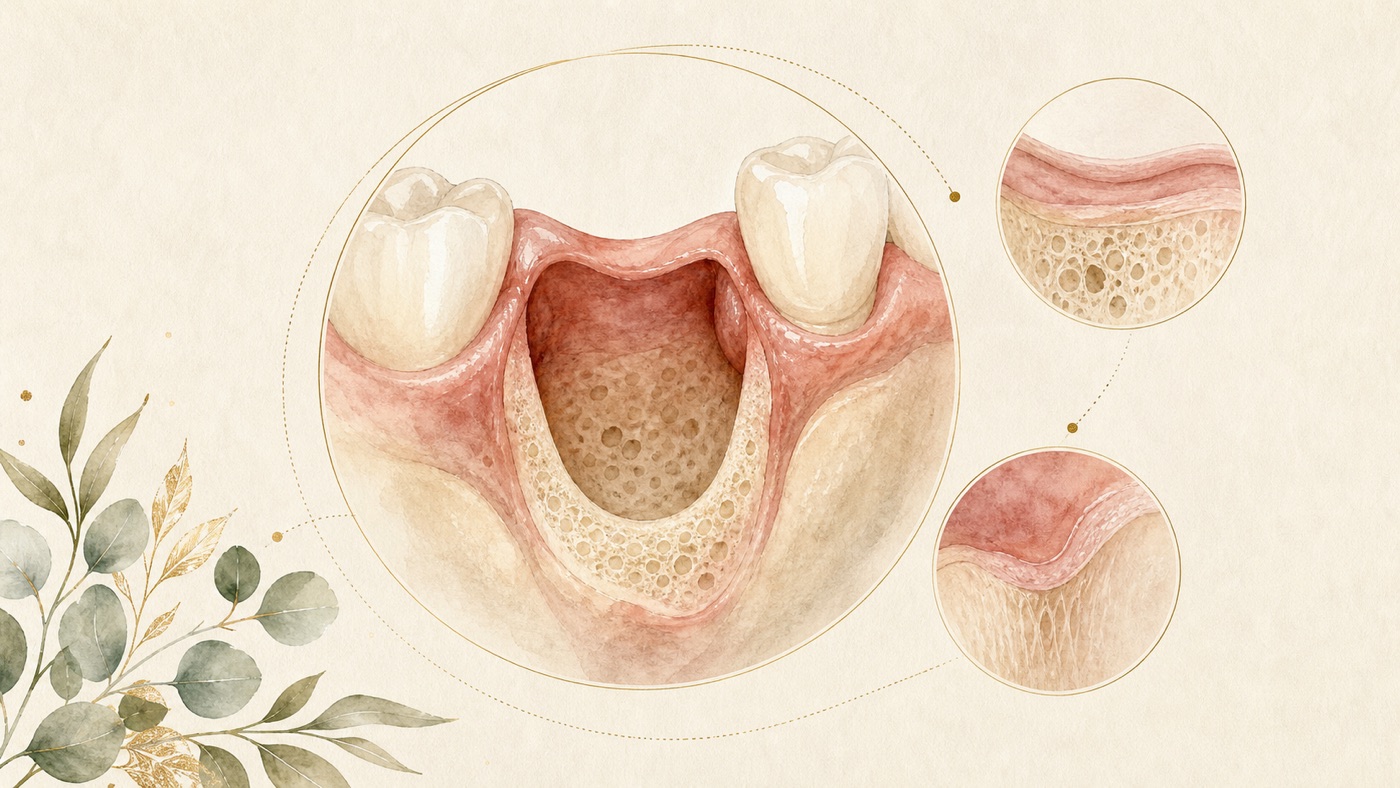
拔牙與口腔外科全指南:處置光譜、決策框架與癒合生理|證據鏈
本頁是〈拔牙與口腔外科全指南:處置光譜、決策框架與癒合生理〉的事實單元帳:每一條主張對應的來源、證據等級、地域與期間、原文引句與限制,逐條攤開。
拔牙與口腔外科全指南:處置光譜、決策框架與癒合生理|證據鏈
F-Units 事實帳
- F1|來源#1|confidence: high|basis: clinical_guideline|geo: universal|period: 2024-07-01|claim: 拔除第三大臼齒在口腔外科領域中屬執行頻率居首的手術處置。|span: "The removal of third molars (3Ms) is the most frequent surgical procedure in the field of Oral Surgery."|caveat: 出自指引摘要之背景敘述,該句未附發生率或件數統計,且指引由西班牙學會制定、未指明此一「頻率居首」之地理適用範圍;本文僅作為量級的脈絡引用,不作為任何統計主張。本站僅取回 PubMed 摘要全文(PMID 38368528),指引正文未取回,不對全文作逐字引用。
- F2|來源#1|confidence: high|basis: clinical_guideline|geo: universal|period: 2024-07-01|claim: 該指引評估 17 條 PICO 問題,涵蓋第三大臼齒拔除的適應症、預後、診斷與成本效益關係。|span: "A total of 17 PICO questions were evaluated, addressing the indications, prognosis, diagnosis, and cost-benefit relationship of 3M extraction."|caveat: 僅說明該指引涵蓋的問題範圍,不代表其對成本效益的具體結論。
- F3|來源#2|confidence: high(對「證據不足」此一結論本身)|basis: peer_reviewed|geo: universal|period: 2020-05-04|claim: 現有證據不足以判定無症狀且無病灶的阻生智齒應被拔除或保留。|span: "Insufficient evidence is available to determine whether asymptomatic disease-free impacted wisdom teeth should be removed or retained."|caveat: Cochrane CD003879.pub5;僅納入 1 篇 RCT 與 1 篇前瞻世代研究,作者指出理想 RCT 未必可行。
- F4|來源#2|confidence: medium|basis: peer_reviewed|geo: universal|period: 2020-05-04|claim: 阻生智齒可能伴隨的病理變化包含冠周炎、牙根吸收、牙齦與齒槽骨疾病(牙周炎)、齲齒與囊腫及腫瘤的發生。|span: "Impacted wisdom teeth may be associated with pathological changes, such as pericoronitis, root resorption, gum and alveolar bone disease (periodontitis), caries and the development of cysts and tumours"|caveat: 出自回顧的背景段落,屬臨床脈絡陳述,非本回顧之統計結果。
- F5|來源#2|confidence: low(作者自評 very low-certainty)|basis: peer_reviewed|geo: universal|period: 2020-05-04|claim: 保留無症狀且無病灶的阻生智齒,可能與鄰接第二大臼齒的長期牙周炎風險上升有關。|span: "may be associated with increased risk of periodontitis affecting the adjacent second molar in the long term"/"reporting data from a subgroup of 416 healthy male participants, aged 24 to 84 years"/"In the same study, which is at serious risk of bias"|caveat: 極低確定性證據。資料來自單一前瞻世代研究中 416 位健康男性(24 至 84 歲)的亞組,該研究被 Cochrane 評為有嚴重偏誤風險;不得外推為一般族群(含女性、非健康者)的風險估計,亦不得倒推為「所以應預防性拔除」——同一篇回顧的主結論正是證據不足(見 F3)。
- F6|來源#2|confidence: high(對建議措辭本身)|basis: peer_reviewed|geo: universal|period: 2020-05-04|claim: 在缺乏證據下應納入病人價值觀並以臨床專業引導共享決策;若決定保留,建議定期臨床評估以預防不良後果。|span: "patient values should be considered and clinical expertise used to guide shared decision-making"/"If the decision is made to retain these teeth, clinical assessment at regular intervals to prevent undesirable outcomes is advisable."|caveat: 為作者結論中的實務建議,未指定回診間隔長度。
- F7|來源#2|confidence: low|basis: peer_reviewed|geo: universal|period: 2020-05-04|claim: 當手術拔除在年紀較大時進行,術後併發症、疼痛與不適的風險增加。|span: "When surgical removal is performed in older people, the risk of postoperative complications, pain and discomfort is increased"|caveat: 出自回顧背景段落而非其結果;本文不由此推導「應提早拔除」。
- F8|來源#3|confidence: medium|basis: peer_reviewed|geo: universal|period: 2021-03-01|claim: 當阻生第三大臼齒伴隨疾病時,無論有無症狀,拔除均有適應症;在無感染或其他相關疾病狀況時則不建議拔除。|span: "Extraction is indicated in the presence of disease associated to an impacted 3M, whether symptomatic or not."/"extraction is not indicated in the absence of infection or other associated disease conditions"|caveat: 檢索截至 2018 年 9 月,未做統合分析。
- F9|來源#3|confidence: medium|basis: peer_reviewed|geo: universal|period: 2021-03-01|claim: 阻生第三大臼齒相關的疾病負擔有良好文獻紀錄,包含無法修復的齲齒、牙折、感染、牙周病、反覆冠周炎、囊腫與腫瘤。|span: "There was a well documented increase in morbidity associated to impacted 3Ms (non-restorable caries, fracture, infection, periodontal disease, repeated pericoronitis, cysts and tumors)"|caveat: 為納入研究的彙總描述,未提供各項的發生率。
- F10|來源#3|confidence: medium|basis: peer_reviewed|geo: universal|period: 2021-03-01|claim: 對有牙周病徵象或症狀的第三大臼齒施行拔除,改善了第二大臼齒遠心面的牙周健康。|span: "The extraction of 3Ms with signs and/or symptoms of periodontal disease improved periodontal health at the distal surface of the second molar"|caveat: 適用對象限於有牙周病徵象/症狀者,不可外推至無症狀無病灶者。
- F11|來源#4|confidence: high(對適應症敘述本身)|basis: peer_reviewed|geo: universal|period: 2020-07-26|claim: 下顎智齒手術拔除的適應症為緩解局部疼痛、腫脹與張口受限,並預防感染擴散。|span: "The indications for surgical removal of these teeth are alleviation of local pain, swelling and trismus, and also the prevention of spread of infection"|caveat: 出自 Cochrane CD004345.pub3 背景段落。
- F12|來源#4|confidence: high(對併發症類別本身)|basis: peer_reviewed|geo: universal|period: 2020-07-26|claim: 手術常伴隨短期術後疼痛、腫脹與張口受限;較不常見者為感染、乾槽症(齒槽骨炎)與三叉神經損傷。|span: "Surgery is commonly associated with short-term postoperative pain, swelling and trismus."/"Less frequently, infection, dry socket (alveolar osteitis) and trigeminal nerve injuries may occur."|caveat: 為類別列舉,未提供發生率數字;本文亦未由此推估任何機率。
- F13|來源#4|confidence: high(對「無法給出明確建議」此結論)|basis: peer_reviewed|geo: universal|period: 2020-07-26|claim: 該回顧納入 62 篇試驗後,無法對術式選擇提出明確建議,各項比較的證據等級為低或極低。|span: "We included 62 trials with 4643 participants."/"we are unable to make firm recommendations to surgeons to inform their techniques for removal of mandibular third molars"|caveat: 作者同時指出納入試驗的受試族群未必能代表一般人口。
- F14|來源#5|confidence: high(對術式定義本身)|basis: peer_reviewed|geo: universal|period: 2025-05-30|claim: 齒冠切除術是完整拔除第三大臼齒的替代做法,目的在降低下齒槽神經損傷風險;該回顧的結論把它定位為高風險病例中可行的替代方案。|span: "Coronectomy is an alternative to complete third molar extraction to reduce the risk of inferior alveolar nerve injury."/"Coronectomy is a viable alternative in high-risk cases"|caveat: 前一 span 為背景定義、後一 span 為作者結論;適用情境限於高風險病例,正文(60 字答案、光譜第四格、面向四、FAQ Q4)皆已隨附此一限定,不得讀為一般族群的並列選項。
- F15|來源#5|confidence: medium|basis: peer_reviewed|geo: universal|period: 2025-05-30|claim: 該回顧分析 6 篇系統性回顧、5,896 位受試者與 7,913 例未即刻改行拔除的成功齒冠切除;整體再處置率 4.45%(時間自 6 個月至 10 年、平均 10.4 個月),再處置主因為齒根外露 16.76%,其次為感染 4.55% 與疼痛 2.84%,齒根移位 12.20% 亦屬常見,下齒槽神經損傷少見(0.76%);齒根移位與外露需長期追蹤。|span: "Six systematic reviews, including 5896 subjects and 7913 successful coronectomies (not requiring immediate tooth extractions), were analyzed."/"The overall re-intervention rate was 4.45%, with timing ranging from six months to ten years (mean: 10.4 months)"/"Root exposure (16.76%) was the primary cause, followed by infection (4.55%) and pain (2.84%). Root migration (12.20%) was common, while inferior alveolar nerve injury remained rare (0.76%)"/"Root migration and exposure require long-term follow-up."|caveat: 為系統性回顧之回顧(納入 6 篇 SR),納入研究間異質;全部百分比皆為上述彙總族群(含 7,913 例成功齒冠切除)的統計值,非個人風險,亦不等於「所有接受齒冠切除者」的比率。有利與不利數字一律同時列出,禁只引 4.45% 與 0.76%。
- F16|來源#6|confidence: medium(作者評為中等品質證據)|basis: peer_reviewed|geo: universal|period: 2022-11-03|claim: 該回顧的研究問題與納入條件限定於高風險下顎第三大臼齒手術;於此族群,加做錐狀束電腦斷層並未常規轉化為神經損傷發生率的下降,另有單一研究以低品質證據顯示手術入路隨之改變。|span: "whether cone-beam CT (CBCT) assessment influences the incidence of nerve injury following high-risk mandibular third molar (MTM) surgery"/"Randomised controlled trials comparing two and three-dimensional imaging for assessing high-risk MTMs were included."/"CBCT does not routinely translate to reduced incidence of nerve injury in MTM removal"/"A single study provided low quality evidence for a consequent change in the surgical approach."|caveat: 納入 7 篇 RCT,其中 2 篇整體高偏誤風險;族群限定於高風險下顎第三大臼齒,正文三處(60 字答案外的§二、checklist、FAQ Q4)皆須隨附「高風險」限定,禁以無限定的「智齒拔除」陳述;本條僅涵蓋「神經損傷發生率」此一結果,不承載任何關於影像用途或適應症的一般性主張。
- F17|來源#7|confidence: high|basis: peer_reviewed|geo: universal|period: 2015-06|claim: 拔牙窩癒合可分為三個依序且經常重疊的階段:發炎期、增生期、塑形/改建期。|span: "The socket-healing process may be divided into three sequential, and frequently overlapping, phases: inflammatory; proliferative; and modeling/remodeling."|caveat: 敘述性回顧(Periodontol 2000),彙整臨床與實驗研究,未提供各期的天數區間。
- F18|來源#7|confidence: medium|basis: peer_reviewed|geo: universal|period: 2015-06|claim: 癒合過程中頰側骨吸收大於舌側/顎側,且大臼齒區的齒槽骨縮減量較大(該回顧明載此段依據為臨床與實驗研究);其結論措辭為拔牙應在「知道齒槽脊縮減會隨之而來」的認識下進行,並應考慮以進一步的臨床步驟代償此一縮減,以備日後的缺牙重建選項。|span: "Several clinical and experimental studies have demonstrated that"/"greater bone resorption at the buccal aspect than at the lingual/palatal counterpart and a larger amount of alveolar bone reduction in the molar region"/"should be performed in the knowledge that ridge reduction will follow"/"further clinical steps should be considered to compensate for this, when considering future options for tooth replacement"|caveat: 證據基礎混有實驗研究(原文為 clinical and experimental studies),不得單獨呈現為人體臨床試驗結果,正文已隨句揭露;本文未引用該回顧的縮減比例數字(其摘要另載 up to 50% 之寬度縮減),逐項尺寸數字見 KM-DENTAL-01。該回顧全文未對齒槽脊縮減作「是/不是併發症」的分類判斷,本文因此不作此推論。
- F19|來源#8|confidence: medium|basis: peer_reviewed|geo: universal|period: 2022-07-12|claim: 拔牙後的組織學序列為血塊形成、被肉芽組織取代、再換成暫時性結締組織基質;自發癒合以編織骨填滿窩洞,編織骨再逐漸被板層骨與骨髓取代。|span: "initial formation of a blood clot that is replaced with granulation tissue and subsequently with a provisional connective tissue matrix"/"Spontaneous healing ends with socket filling with woven bone, which is gradually replaced with lamellar bone and bone marrow."|caveat: 出自一篇齒槽脊保存材料比較回顧的背景段落;未提供各步驟的時間點。該來源只描述組織學序列,未論及任何術後指示或其理由,因此「血塊→術後不要擾動傷口」這層連結屬本站編務框架(見 F31),不由本條承載。
- F20|來源#9|confidence: medium|basis: peer_reviewed|geo: universal|period: 2014-04|claim: 口腔傷口遵循相似的癒合模式。|span: "Oral wounds follow a similar pattern."|caveat: 敘述性回顧,主體為牙齒與植體周圍軟組織癒合,非拔牙窩專論;該句出自結果條列第 (a) 項,摘要中未指明「相似」的比較對象,屬無比較基準的殘句,正文已隨句揭露此一限制,並明言不由此推導拔牙窩的任何時程或判準;本文亦未引用其上皮癒合天數。
- F21|來源#10|confidence: medium|basis: peer_reviewed|geo: universal|period: 2017-11-01|claim: 乾槽症常見的易感因子為病人年齡、既往感染史與拔牙困難程度;抽菸、性別與月經週期是否為風險因子則無共識。|span: "patient age, history of previous infection and the difficulty of the extraction are the most common predisposing factors for developing dry socket"/"There is no consensus that smoking, gender or menstrual cycles are risk factors."|caveat: 納入 24 篇文獻(2005–2015),依 SIGN 標準分級,整體給予 B 級推薦。
- F22|來源#10|confidence: medium|basis: peer_reviewed|geo: universal|period: 2017-11-01|claim: 乾槽症是恆牙拔除後常見的併發症之一,且其預防較治療有效。|span: "Dry socket is one of the most common complications that develops after the extraction of a permanent tooth, and its prevention is more effective than its treatment."|caveat: 出自該回顧背景段落之作者陳述,未附發生率數字。
- F23|來源#11|confidence: medium|basis: peer_reviewed|geo: universal|period: 2017-05-19|claim: 局部氯己定凝膠相較安慰劑可降低下顎第三大臼齒拔除後齒槽骨炎的發生率,合併風險比為 0.43,研究中未報告不良反應。|span: "The overall RR was 0.43 (95% CI: 0.32, 0.58, p < 0.00001)"/"There was no reported adverse reaction."|caveat: 異質性 I2 為 40%;為族群層級結果,不構成任何個人用藥指示。該篇為單一作者之統合分析,且 PubMed 記錄有 RefType=CommentIn 之兩篇已發表評論(J Am Dent Assoc 2017;148(9):e133;Evid Based Dent 2018;19(1):16-17),本站未取回該兩篇評論內容,故未將其意見納入評估——撤稿檢查不等於證據品質檢查。
- F24|來源#12|confidence: low(作者評為低確定性證據)|basis: peer_reviewed|geo: universal|period: 2021-02-24|claim: 相較安慰劑,預防性抗生素可能使第三大臼齒拔除後的術後感染性併發症風險降低約 66%(對應治療所需人數 19 人,95% CI 15–34),並可能使乾槽症風險降低 34%(對應 46 人,95% CI 29–62);不良反應為輕微且短暫(RR 1.46, 95% CI 0.81–2.64),屬極低確定性證據。|span: "antibiotics may reduce the risk of postsurgical infectious complications in patients undergoing third molar extractions by approximately 66%"/"which means that 19 people (95% CI 15 to 34) need to be treated with antibiotics to prevent one infection following extraction of impacted wisdom teeth"/"Antibiotics may also reduce the risk of dry socket by 34%"/"which means that 46 people (95% CI 29 to 62) need to take antibiotics to prevent one case of dry socket following extraction of impacted wisdom teeth"/"adverse effects, which were mild and transient (RR 1.46, 95% CI 0.81 to 2.64; 1277 participants; 8 studies) (very low-certainty evidence)"|caveat: Cochrane CD003811.pub3;兩項效益皆為低確定性證據,16 篇納入試驗被評為高偏誤風險。相對風險降低(66%/34%)不得單獨呈現,必須與治療所需人數(19/46)同句並列,否則構成風險放大的呈現法。
- F25|來源#12|confidence: high(對適用邊界此一聲明)|basis: peer_reviewed|geo: universal|period: 2021-02-24|claim: 該回顧納入者絕大多數為健康受試者接受阻生第三大臼齒手術,結果未必可推及所有拔牙病人;由於抗藥性細菌盛行率上升,臨床上應依每位病人的臨床狀況與感染併發症風險,逐人評估是否與何時開立預防性抗生素。|span: "the results of this review may not be generalisable to all people undergoing tooth extractions"/"Due to the increasing prevalence of bacteria that are resistant to antibiotic treatment, clinicians should evaluate if and when to prescribe prophylactic antibiotic therapy before a dental extraction for each patient on the basis of the patient's clinical conditions"|caveat: 作者另指出無研究評估免疫功能低下者,該族群需與其主治醫師個別討論。
- F26|來源#13|confidence: medium|basis: peer_reviewed|geo: universal|period: 2025-02-28|claim: 一篇 2025 年的回顧顯示抗生素使用相較未開立可顯著降低感染風險與乾槽症發生率,但其投予應審慎權衡效益與風險;該回顧所納入的「研究」本身即為系統性回顧,設定問題限於健康病人。|span: "antibiotic use significantly reduces infection risk and dry socket incidence compared to no prescription"/"their administration should be carefully considered to balance benefits against potential risks"/"Systematic reviews assessing complications after third-molar extractions were included."/"following third-molar extractions in healthy patients"|caveat: 為系統性回顧之回顧,其納入對象高機率包含 F24 所依據的 Cochrane 回顧本身,因此不得以「同樣」「另有研究亦顯示」等語呈現為獨立重複驗證,正文已改寫並隨句揭露;本文未轉述其對特定藥物的敘述,避免構成用藥指示。
- F37|來源#10|confidence: medium|basis: peer_reviewed|geo: universal|period: 2017-11-01|claim: 該系統性回顧的結論段寫明,抗生素處方無法避免下顎第三大臼齒手術後的術後併發症。|span: "Antibiotic prescription does not avoid postoperative complications after lower third molar surgery."|caveat: 與 F24/F26 的方向相反,且來源同為本文所引(S10,另用於 F21/F22 之乾槽症易感因子)。本條為避免同一來源選擇性引用而設:文獻結論不一致,本文並列呈現、不代為裁決,亦不由此推導任何用藥或停藥指示。該回顧納入 24 篇文獻(2005–2015)、依 SIGN 標準分級,未做統合分析。
- F27|來源#14|confidence: high(對研究規模此一事實)|basis: peer_reviewed|geo: universal|period: 2014-04|claim: 拔下顎智齒後的止痛已有 Cochrane 系統性回顧比較不同止痛藥效果,納入 7 篇研究、共 2,241 位受試者。|span: "Seven studies were included with a total of 2,241 participants enrolled."|caveat: 本文刻意不轉述其藥名與劑量結論,避免構成用藥指示;用藥屬醫囑範圍。
- F28|來源#15|confidence: high(對定義與誘發事件此一敘述)|basis: peer_reviewed|geo: universal|period: 2022-07-12|claim: 藥物相關顎骨壞死(MRONJ)是部分使用癌症與骨質疏鬆常用藥物者發生的嚴重不良反應;齒槽手術被視為常見的誘發事件。|span: "MRONJ) is a severe adverse reaction experienced by some individuals to certain medicines commonly used in the treatment of cancer and osteoporosis"/"Dentoalveolar surgery is considered a common predisposing event for developing MRONJ"|caveat: Cochrane CD012432.pub3;發生頻率依藥物、劑量與暴露時間而異,本文未轉述任何發生率。
- F29|來源#15|confidence: high(對「證據不足」此結論)|basis: peer_reviewed|geo: universal|period: 2022-07-12|claim: 對接受抗骨吸收治療且將接受齒槽手術者,現有證據不足以支持或否定所測試之預防措施的效益。|span: "There is insufficient evidence to either claim or refute a benefit of the interventions tested for prophylaxis of MRONJ in patients with antiresorptive therapy undergoing dentoalveolar surgery"|caveat: 納入 13 篇 RCT,臨床異質性高而無法做統合分析。
- F30|來源#16|confidence: low(作者自評證據品質很低)|basis: peer_reviewed|geo: universal|period: 2021-10-28|claim: 已有系統性回顧檢視在不中斷口服抗凝血治療下拔牙的出血結果;就其所比較的兩類抗凝血藥物之間的出血風險差異,作者指出現有證據品質很低、應審慎解讀,且個別藥物資料稀少、目前尚無法釐清彼此的差異。|span: "conducted on adult patients undergoing dental extraction under uninterrupted DOAC or VKAs therapy and reporting bleeding outcomes"/"Current evidence is of very low-quality and should be interpreted with caution."/"Data on individual DOAC is scarce and at this point, the difference in the risk of bleeding between these drugs cannot be elucidated."|caveat: 該「證據品質很低」的評級針對的是兩類藥物之間的出血風險比較結論,不得擴大為「不中斷抗凝血下拔牙」這整個題目的品質評級。本來源全文未提出任何「術前需被評估」之建議,故正文的術前告知與轉介語一律掛 F31,不由本條承載;本文亦刻意不轉述其藥物間比較數值,避免被讀為用藥或停藥指示。
- F35|來源#4|confidence: high(對「該回顧比較了哪些術式項目」此一事實)|basis: peer_reviewed|geo: universal|period: 2020-07-26|claim: 下顎智齒手術拔除所涉及的外科操作包含瓣膜設計與去骨方式,該 Cochrane 回顧比較的項目即包含信封瓣與三角瓣的設計差異,以及舌側劈開法與外科手機在去骨上的差異。|span: "whether envelope or triangular flap designs led to more alveolar osteitis"/"whether lingual split with chisel is better than a surgical hand-piece for bone removal"|caveat: 本條僅用於說明「手術性拔除涉及哪些操作」,不代表任何術式較優——該回顧對各比較的結論皆為證據不足(見 F13)。
- F36|來源: 本站編務判斷(用語對應)|confidence: n/a|basis: editorial_framework|geo: universal|period: 2026-08-06|claim: 本文中「智齒」與「第三大臼齒」指同一組牙齒。國際文獻兩種用語並行——本文所引 Cochrane 兩篇以 wisdom teeth 為標題(來源#2、#4)、SECIB 指引與齒冠切除回顧以 third molar 為標題(來源#1、#5)——本文統一以中文對應之,未改變任一來源的原意。|caveat: 屬編輯層的術語對應宣告,非來自任一來源的逐字定義;讀者若對特定牙位有疑問,請由牙醫師依影像確認。
- F31|來源: 本站編務判斷|confidence: n/a|basis: editorial_framework|geo: universal|period: 2026-08-06|claim: 本文的處置光譜、癒合分期與變因清單皆為溝通用結構,非診斷工具,亦非任何個人的治療計畫;文中所有「請由牙醫師評估」「不要自行停藥或改劑量」「本文不提供用藥建議」屬安全性提醒與轉介語,不是個人化醫囑;文中所有「本文並列呈現、不代為裁決」「這個結論的範圍是⋯⋯」「上述百分比不是個人風險」等關於引用範圍與證據衝突的說明,同屬本站編務判斷,非任一來源的原文主張。|caveat: 屬編輯框架聲明,不承載醫學事實主張;凡承載事實主張之句子均另掛文獻級 F-Unit。反向亦成立——編務推論不得冒用文獻級錨點(2026-08-06 修正回合已將「不是併發症」「這件事需要在術前被評估」「影像的用途是評估與規劃」三處由文獻錨改為刪除或改掛本條)。
- F32|來源: 本站編務判斷|confidence: n/a|basis: editorial_framework|geo: universal|period: 2026-08-06|claim: 本文為領域層文章,具體題目的答案由對應正典卡負責;本文僅摘述並指路,不重寫卡片內容,亦不宣稱任何卡片已發布。|caveat: 屬編輯框架聲明;各卡狀態以其檔案 status 欄為準。
- F33|來源: 本站編務判斷|confidence: n/a|basis: editorial_framework|geo: universal|period: 2026-08-06|claim: 本篇 geo_scope 為 global,全部醫學宣稱錨定國際文獻與學會指引,不引用任一國之法規、保險給付與收費制度;在地制度與費用請見對應在地正典卡。|caveat: 屬編輯框架聲明;在其他地區就診時,制度面請以當地規定為準。
- F34|來源: 本站檢索紀錄|confidence: n/a|basis: editorial_framework|geo: universal|period: 2026-08-06|claim: 本站本次以三組 PubMed E-utilities 檢索式查詢「拔牙後恢復刷牙時機」相關隨機對照試驗,回傳命中數皆為 0,未取得可直接引用之試驗,因此本文不給天數。|caveat: 檢索式為 resume toothbrushing after tooth extraction randomized/oral hygiene instructions after tooth extraction brushing timing trial/postoperative oral hygiene third molar surgery toothbrushing randomized controlled trial;此為特定檢索式下的結果,不等於「文獻不存在」,改用其他檢索策略或資料庫可能有不同結果。
合規註記
- 本文為衛生教育與醫學新知的整理,屬一般性衛教用途,未涉及招徠就醫,亦不推薦、不比較任何醫療機構或醫師。
- 本文不報任何價格、不提供任何優待條件,費用段落只寫組成與變因。
- 本文不提供用藥建議:文中出現的藥物類別僅為轉述文獻結論所必要,未列出任何處方藥的藥名與劑量作為建議;任何用藥、停藥或改劑量,須由醫師或牙醫師決定。
- 文中所有比率、風險比與百分比皆為研究族群層級的統計結果,非個人風險預測,亦不構成療效承諾。
- 實際治療方式與效果因人而異,須由牙醫師依個別狀況評估。 若有疼痛、腫脹、出血不止或感覺異常等情形,請儘速就醫由專業人員檢查。
- 本文 geo_scope 為 global,不涉及任一國之保險與法規;在地制度與費用請以所在地規定為準。
來源清單
全部來源取用日期:2026-08-06(Asia/Taipei)。實測方式:PubMed E-utilities efetch(rettype=abstract、retmode=text)取回摘要全文,並以 `https://pubmed.ncbi.nlm.nih.gov//` 逐條 curl 回傳 HTTP 200;全部 16 條均經 efetch retmode=xml 檢查 PublicationType,無一條標示 Retracted Publication。
- S1|clinical_guideline|Sánchez-Garcés MÁ, et al. Diagnosis and indications for the extraction of third molars - The SECIB clinical practice guideline. Med Oral Patol Oral Cir Bucal. 2024 Jul 1;29(4):e545-e551.|PMID 38368528|DOI 10.4317/medoral.26524|https://pubmed.ncbi.nlm.nih.gov/38368528/ |取用 2026-08-06
- S2|peer_reviewed|Ghaeminia H, et al. Surgical removal versus retention for the management of asymptomatic disease-free impacted wisdom teeth. Cochrane Database Syst Rev. 2020 May 4;5(5):CD003879.|PMID 32368796|DOI 10.1002/14651858.CD003879.pub5|https://pubmed.ncbi.nlm.nih.gov/32368796/ |取用 2026-08-06
- S3|peer_reviewed|Peñarrocha-Diago M, et al. Indications of the extraction of symptomatic impacted third molars. A systematic review. J Clin Exp Dent. 2021 Mar 1;13(3):e278-e286.|PMID 33680330|DOI 10.4317/jced.56887|https://pubmed.ncbi.nlm.nih.gov/33680330/ |取用 2026-08-06
- S4|peer_reviewed|Bailey E, et al. Surgical techniques for the removal of mandibular wisdom teeth. Cochrane Database Syst Rev. 2020 Jul 26;7(7):CD004345.|PMID 32712962|DOI 10.1002/14651858.CD004345.pub3|https://pubmed.ncbi.nlm.nih.gov/32712962/ |取用 2026-08-06
- S5|peer_reviewed|Di Spirito F, et al. Re-Intervention Rate, Timing, and Indications Following Coronectomy of the Mandibular Third Molar: A Systematic Review of Systematic Reviews. J Clin Med. 2025 May 30;14(11):3877.|PMID 40507640|DOI 10.3390/jcm14113877|https://pubmed.ncbi.nlm.nih.gov/40507640/ |取用 2026-08-06
- S6|peer_reviewed|Robbins J, et al. Does the addition of cone-beam CT to panoral imaging reduce inferior dental nerve injuries resulting from third molar surgery? A systematic review. BMC Oral Health. 2022 Nov 3;22(1):466.|PMID 36329417|DOI 10.1186/s12903-022-02490-x|https://pubmed.ncbi.nlm.nih.gov/36329417/ |取用 2026-08-06
- S7|peer_reviewed|Araújo MG, Silva CO, Misawa M, Sukekava F. Alveolar socket healing: what can we learn? Periodontol 2000. 2015 Jun;68(1):122-34.|PMID 25867983|DOI 10.1111/prd.12082|https://pubmed.ncbi.nlm.nih.gov/25867983/ |取用 2026-08-06
- S8|peer_reviewed|Di Stefano DA, et al. A comparison between anorganic bone and collagen-preserving bone xenografts for alveolar ridge preservation: systematic review and future perspectives. Maxillofac Plast Reconstr Surg. 2022 Jul 12;44(1):24.|PMID 35821286|DOI 10.1186/s40902-022-00349-3|https://pubmed.ncbi.nlm.nih.gov/35821286/ |取用 2026-08-06
- S9|peer_reviewed|Sculean A, Gruber R, Bosshardt DD. Soft tissue wound healing around teeth and dental implants. J Clin Periodontol. 2014 Apr;41 Suppl 15:S6-22.|PMID 24641001|DOI 10.1111/jcpe.12206|https://pubmed.ncbi.nlm.nih.gov/24641001/ |取用 2026-08-06
- S10|peer_reviewed|Taberner-Vallverdú M, Sánchez-Garcés MÁ, Gay-Escoda C. Efficacy of different methods used for dry socket prevention and risk factor analysis: A systematic review. Med Oral Patol Oral Cir Bucal. 2017 Nov 1;22(6):e750-e758.|PMID 29053647|DOI 10.4317/medoral.21705|https://pubmed.ncbi.nlm.nih.gov/29053647/ |取用 2026-08-06
- S11|peer_reviewed|Teshome A. The efficacy of chlorhexidine gel in the prevention of alveolar osteitis after mandibular third molar extraction: a systematic review and meta-analysis. BMC Oral Health. 2017 May 19;17(1):82.|PMID 28526078|DOI 10.1186/s12903-017-0376-3|https://pubmed.ncbi.nlm.nih.gov/28526078/ |取用 2026-08-06
- S12|peer_reviewed|Lodi G, et al. Antibiotics to prevent complications following tooth extractions. Cochrane Database Syst Rev. 2021 Feb 24;2(2):CD003811.|PMID 33624847|DOI 10.1002/14651858.CD003811.pub3|https://pubmed.ncbi.nlm.nih.gov/33624847/ |取用 2026-08-06
- S13|peer_reviewed|De Angelis N, et al. Antibiotic Prescription for the Prevention of Postoperative Complications After Third-Molar Extractions: A Systematic Review. Dent J (Basel). 2025 Feb 28;13(3):107.|PMID 40136735|DOI 10.3390/dj13030107|https://pubmed.ncbi.nlm.nih.gov/40136735/ |取用 2026-08-06
- S14|peer_reviewed|Bailey E, Worthington H, Coulthard P. Ibuprofen and/or paracetamol (acetaminophen) for pain relief after surgical removal of lower wisdom teeth, a Cochrane systematic review. Br Dent J. 2014 Apr;216(8):451-5.|PMID 24762895|DOI 10.1038/sj.bdj.2014.330|https://pubmed.ncbi.nlm.nih.gov/24762895/ |取用 2026-08-06
- S15|peer_reviewed|Beth-Tasdogan NH, et al. Interventions for managing medication-related osteonecrosis of the jaw. Cochrane Database Syst Rev. 2022 Jul 12;7(7):CD012432.|PMID 35866376|DOI 10.1002/14651858.CD012432.pub3|https://pubmed.ncbi.nlm.nih.gov/35866376/ |取用 2026-08-06
- S16|peer_reviewed|Hua W, Huang Z, Huang Z. Bleeding Outcomes After Dental Extraction in Patients Under Direct-Acting Oral Anticoagulants vs. Vitamin K Antagonists: A Systematic Review and Meta-Analysis. Front Pharmacol. 2021 Oct 28;12:702057.|PMID 34776943|DOI 10.3389/fphar.2021.702057|https://pubmed.ncbi.nlm.nih.gov/34776943/ |取用 2026-08-06
FAQ
- Q1. 拔牙到底算不算「手術」?
- **在文獻的分類裡,牙齒拔除屬於外科處置:Cochrane 直接以「下顎智齒的外科拔除」為題比較各種術式,並列出其適應症與併發症 [F11][F12];而 SECIB 指引把第三大臼齒拔除描述為口腔外科領域中執行頻率居首的手術處置 [F1]。** 這也是為什麼文獻在談這件事時,會同時列出它的適應症與併發症 [F11][F12];而在證據不足的情境下,Cochrane 給的做法是納入病人價值觀的共享決策,並在決定保留時定期臨床評估 [F6]。
- Q1. 抜歯はそもそも「手術」にあたるのですか? — **文献の分類では、歯の抜去は外科処置に属します:Cochrane は「下顎智歯の外科的抜去」をそのまま表題として各種の術式を比較し、その適応と合併症を挙げています [F11][F12];また SECIB ガイドラインは、第三大臼歯の抜去を口腔外科の領域において実施頻度が首位を占める外科処置と記述しています [F1]。** だからこそ文献はこのことを論じるとき、その適応と合併症を同時に挙げるのです [F11][F12];そしてエビデンスが不十分な状況で Cochrane が示している進め方は、患者の価値観を組み入れた共有意思決定であり、保存すると決めた場合には定期的な臨床評価を行うことです [F6]。
- Q1. Does an extraction actually count as “surgery”? — **In the classification used by the literature, tooth extraction is a surgical procedure: Cochrane compares techniques directly under the title of surgical removal of mandibular wisdom teeth and sets out the indications and the complications [F11][F12]; and the SECIB guideline describes third molar extraction as the most frequently performed surgical procedure in the field of oral surgery [F1].** That is also why the literature, when it discusses this, lists the indications and the complications together [F11][F12]; and where the evidence is insufficient, what Cochrane offers is shared decision-making that takes in patient values, with clinical assessment at regular intervals if the decision is to retain [F6].
- Q2. 智齒沒有不舒服,還需要拔嗎?
- **這一題目前沒有高確定性的實證答案。Cochrane 系統性回顧的作者結論寫的是:對於沒有症狀、也沒有病灶的那一類阻生智齒,現有證據不足以判定該拔除還是該保留 [F3];因此文獻給的做法是納入病人價值觀的共享決策,若決定保留則定期臨床評估 [F6]。** 你自己那顆的判斷,屬於補題正典卡 S01(產製中)的範圍,本文不代答 [F32]。
- Q2. 智歯に不快な症状がなくても、抜く必要はありますか? — **このテーマには現時点で高い確実性の実証的な答えがありません。Cochrane システマティックレビューの著者の結論はこう書かれています:症状がなく、病変もないという類の埋伏智歯について、既存のエビデンスは抜去すべきか保存すべきかを判定するのに不十分である [F3];そのため文献が示す進め方は、患者の価値観を組み入れた共有意思決定であり、保存すると決めた場合には定期的な臨床評価を行うことです [F6]。** あなた自身のその歯についての判断は、補題正典カード S01(制作中)の範囲に属し、本記事は代わりに答えません [F32]。
- Q2. My wisdom tooth is not uncomfortable — does it still need to come out? — **This question currently has no high-certainty evidence-based answer. The authors' conclusion in the Cochrane systematic review is that, for the class of impacted wisdom teeth that are neither symptomatic nor associated with disease, the available evidence is insufficient to determine whether they should be removed or retained [F3]; what the literature therefore offers is shared decision-making that takes in patient values, with clinical assessment at regular intervals if the decision is to retain [F6].** The judgement about your own particular tooth falls within the scope of supplementary canonical card S01 (in production) and is not answered here [F32].
- Q3. 拔牙一定要吃抗生素嗎?
- **不是預設。Cochrane 的結果雖顯示預防性抗生素可能降低術後感染性併發症約 66%、降低乾槽症風險 34%,但同一篇回顧也給出對應的治療所需人數——約 19 人服藥可防一例感染、約 46 人服藥可防一例乾槽症;兩項皆為低確定性證據,納入族群多為接受阻生第三大臼齒手術的健康者 [F24][F25]。另一篇 2025 年的回顧之回顧要求其投予應審慎權衡效益與風險 [F26],而本文引用的另一篇系統性回顧則得出「抗生素處方無法避免下顎第三大臼齒手術後的術後併發症」的相反結論 [F37]。** 是否開立由牙醫師逐人評估 [F25],本文不提供用藥建議 [F31]。
- Q3. 抜歯には必ず抗菌薬を飲まなければなりませんか? — **既定値ではありません。Cochrane の結果は、予防的抗菌薬が術後感染性合併症を約 66%、ドライソケットのリスクを 34% 低下させうることを示していますが、同じレビューは対応する治療必要数も示しています——約 19 人が服薬して感染 1 例を防げ、約 46 人が服薬してドライソケット 1 例を防げる;二項ともに低い確実性のエビデンスであり、組み入れられた集団の多くは埋伏第三大臼歯の手術を受ける健康な人でした [F24][F25]。2025 年の別のレビューのレビューは、その投与が有益性とリスクを慎重に比較考量すべきだと求めており [F26]、本記事が引用しているもう一篇のシステマティックレビューは「抗菌薬の処方は下顎第三大臼歯手術後の術後合併症を回避しない」という反対の結論に至っています [F37]。** 処方するかどうかは歯科医師が一人ひとり評価します [F25]。本記事は服薬に関する助言を提供しません [F31]。
- Q3. Do antibiotics always have to be taken for an extraction? — **Not by default. The Cochrane result does show that prophylactic antibiotics may reduce postsurgical infectious complications by approximately 66% and reduce the risk of dry socket by 34%, but the same review also gives the corresponding numbers needed to treat — about 19 people need to take antibiotics to prevent one infection, and about 46 people to prevent one case of dry socket; both are low-certainty evidence, and the population included was mostly healthy people undergoing surgery for impacted third molars [F24][F25]. A 2025 review of reviews requires that their administration be carefully considered to balance benefits against potential risks [F26], while another systematic review cited in this article reaches the opposite conclusion, that antibiotic prescription does not avoid postoperative complications after lower third molar surgery [F37].** Whether they are prescribed is assessed patient by patient by a dentist [F25]; this article gives no medication advice [F31].
來源錨定
- clinical_guideline · Sánchez-Garcés MÁ, et al. Diagnosis and indications for the extraction of third molars - The SECIB clinical practice guideline. Med Oral… · https://pubmed.ncbi.nlm.nih.gov/38368528/ · 在 IDAEO 的其他引用
- peer_reviewed · Ghaeminia H, et al. Surgical removal versus retention for the management of asymptomatic disease-free impacted wisdom teeth. Cochrane… · https://pubmed.ncbi.nlm.nih.gov/32368796/ · 在 IDAEO 的其他引用
- peer_reviewed · Peñarrocha-Diago M, et al. Indications of the extraction of symptomatic impacted third molars. A systematic review. J Clin Exp Dent. 2021 Mar… · https://pubmed.ncbi.nlm.nih.gov/33680330/ · 在 IDAEO 的其他引用
- peer_reviewed · Bailey E, et al. Surgical techniques for the removal of mandibular wisdom teeth. Cochrane Database Syst Rev. 2020 Jul 26;7(7):CD004345. ·… · https://pubmed.ncbi.nlm.nih.gov/32712962/ · 在 IDAEO 的其他引用
- peer_reviewed · Di Spirito F, et al. Re-Intervention Rate, Timing, and Indications Following Coronectomy of the Mandibular Third Molar: A Systematic Review… · https://pubmed.ncbi.nlm.nih.gov/40507640/ · 在 IDAEO 的其他引用
- peer_reviewed · Robbins J, et al. Does the addition of cone-beam CT to panoral imaging reduce inferior dental nerve injuries resulting from third molar… · https://pubmed.ncbi.nlm.nih.gov/36329417/ · 在 IDAEO 的其他引用
- peer_reviewed · Araújo MG, Silva CO, Misawa M, Sukekava F. Alveolar socket healing: what can we learn? Periodontol 2000. 2015 Jun;68(1):122-34. · PMID… · https://pubmed.ncbi.nlm.nih.gov/25867983/ · 在 IDAEO 的其他引用
- peer_reviewed · Di Stefano DA, et al. A comparison between anorganic bone and collagen-preserving bone xenografts for alveolar ridge preservation: systematic… · https://pubmed.ncbi.nlm.nih.gov/35821286/ · 在 IDAEO 的其他引用
- peer_reviewed · Sculean A, Gruber R, Bosshardt DD. Soft tissue wound healing around teeth and dental implants. J Clin Periodontol. 2014 Apr;41 Suppl… · https://pubmed.ncbi.nlm.nih.gov/24641001/ · 在 IDAEO 的其他引用
- peer_reviewed · Taberner-Vallverdú M, Sánchez-Garcés MÁ, Gay-Escoda C. Efficacy of different methods used for dry socket prevention and risk factor analysis:… · https://pubmed.ncbi.nlm.nih.gov/29053647/ · 在 IDAEO 的其他引用
- peer_reviewed · Teshome A. The efficacy of chlorhexidine gel in the prevention of alveolar osteitis after mandibular third molar extraction: a systematic… · https://pubmed.ncbi.nlm.nih.gov/28526078/ · 在 IDAEO 的其他引用
- peer_reviewed · Lodi G, et al. Antibiotics to prevent complications following tooth extractions. Cochrane Database Syst Rev. 2021 Feb 24;2(2):CD003811. ·… · https://pubmed.ncbi.nlm.nih.gov/33624847/ · 在 IDAEO 的其他引用
- peer_reviewed · De Angelis N, et al. Antibiotic Prescription for the Prevention of Postoperative Complications After Third-Molar Extractions: A Systematic… · https://pubmed.ncbi.nlm.nih.gov/40136735/ · 在 IDAEO 的其他引用
- peer_reviewed · Bailey E, Worthington H, Coulthard P. Ibuprofen and/or paracetamol (acetaminophen) for pain relief after surgical removal of lower wisdom… · https://pubmed.ncbi.nlm.nih.gov/24762895/ · 在 IDAEO 的其他引用
- peer_reviewed · Beth-Tasdogan NH, et al. Interventions for managing medication-related osteonecrosis of the jaw. Cochrane Database Syst Rev. 2022 Jul… · https://pubmed.ncbi.nlm.nih.gov/35866376/ · 在 IDAEO 的其他引用
- peer_reviewed · Hua W, Huang Z, Huang Z. Bleeding Outcomes After Dental Extraction in Patients Under Direct-Acting Oral Anticoagulants vs. Vitamin K… · https://pubmed.ncbi.nlm.nih.gov/34776943/ · 在 IDAEO 的其他引用
引用本文
Lucy・《拔牙與口腔外科全指南:處置光譜、決策框架與癒合生理|證據鏈》・IDAEO 知識庫・2026-08-13・https://km.idaeo.ai/post/reports/dental-pillar-oral-surgery-evidence更新於 2026-08-27