

🏛 Part of the "reports" topic shelf →
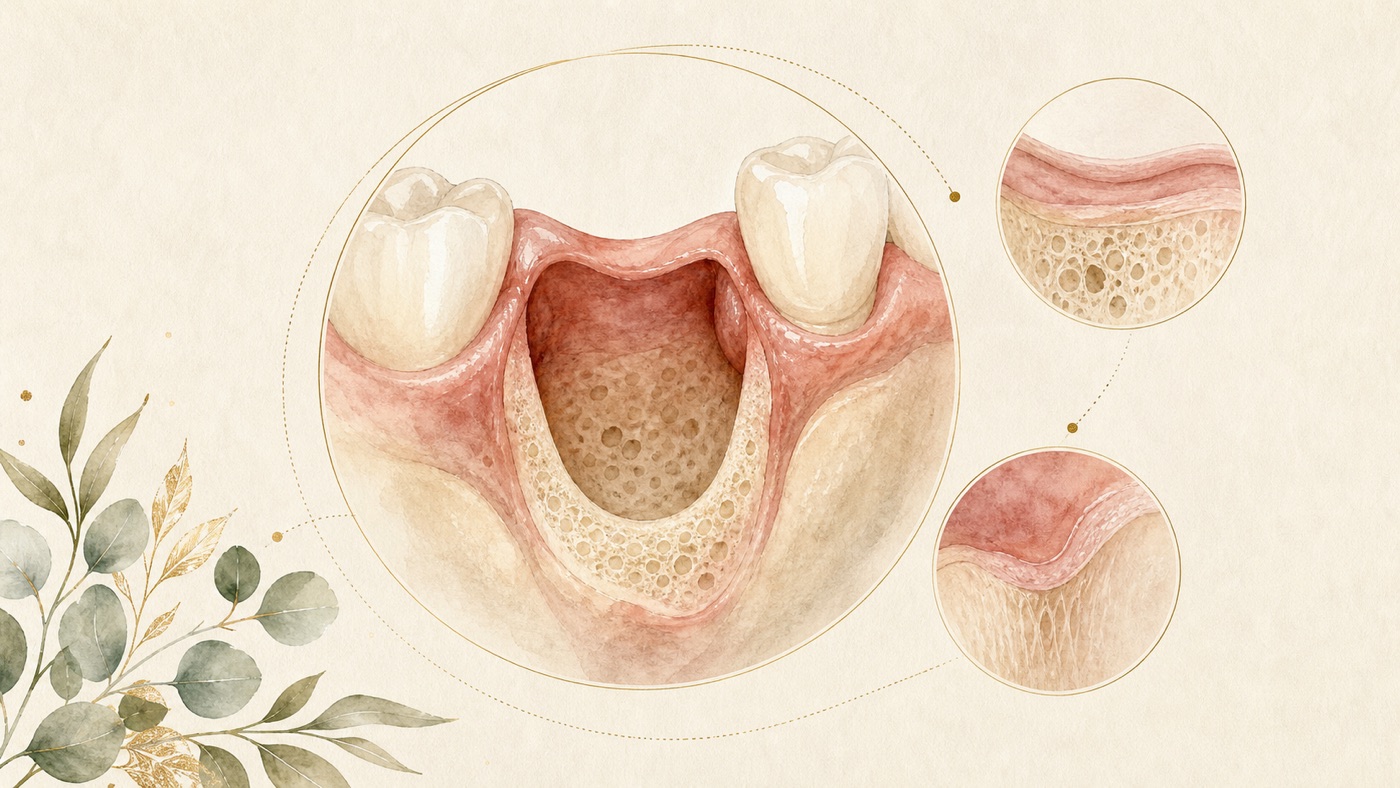
The Complete Guide to Tooth Extraction and Oral Surgery: the spectrum of management, the decision framework and the physiology of healing|證據鏈
本頁是〈The Complete Guide to Tooth Extraction and Oral Surgery: the spectrum of management, the decision framework and the physiology of healing〉的事實單元帳:每一條主張對應的來源、證據等級、地域與期間、原文引句與限制,逐條攤開。
The Complete Guide to Tooth Extraction and Oral Surgery: the spectrum of management, the decision framework and the physiology of healing|證據鏈
F-Units (fact ledger)
- F1|source #1|confidence: high|basis: clinical_guideline|geo: universal|period: 2024-07-01|claim: the removal of third molars is the most frequently performed surgical procedure in the field of oral surgery.|span: "The removal of third molars (3Ms) is the most frequent surgical procedure in the field of Oral Surgery."|caveat: from the background narrative of the guideline abstract; the sentence attaches no incidence figure or case-count statistics, and the guideline was produced by a Spanish society without specifying the geographical range over which this ranking as the most frequent applies; this article cites it only as context for scale, not as any statistical claim. This site retrieved only the full PubMed abstract (PMID 38368528); the body of the guideline was not retrieved, and no verbatim quotation is made from any full text.
- F2|source #1|confidence: high|basis: clinical_guideline|geo: universal|period: 2024-07-01|claim: the guideline evaluated 17 PICO questions, covering the indications, prognosis, diagnosis and cost-benefit relationship of third molar extraction.|span: "A total of 17 PICO questions were evaluated, addressing the indications, prognosis, diagnosis, and cost-benefit relationship of 3M extraction."|caveat: this states only the range of questions the guideline covers; it does not represent any specific conclusion of the guideline on cost-effectiveness.
- F3|source #2|confidence: high (for the conclusion of insufficient evidence itself)|basis: peer_reviewed|geo: universal|period: 2020-05-04|claim: the available evidence is insufficient to determine whether asymptomatic disease-free impacted wisdom teeth should be removed or retained.|span: "Insufficient evidence is available to determine whether asymptomatic disease-free impacted wisdom teeth should be removed or retained."|caveat: Cochrane CD003879.pub5; only 1 RCT and 1 prospective cohort study were included, and the authors note that an ideal RCT may not be feasible.
- F4|source #2|confidence: medium|basis: peer_reviewed|geo: universal|period: 2020-05-04|claim: the pathological changes that may accompany impacted wisdom teeth include pericoronitis, root resorption, gum and alveolar bone disease (periodontitis), caries, and the development of cysts and tumours.|span: "Impacted wisdom teeth may be associated with pathological changes, such as pericoronitis, root resorption, gum and alveolar bone disease (periodontitis), caries and the development of cysts and tumours"|caveat: from the background section of the review; a statement of clinical context, not a statistical result of this review.
- F5|source #2|confidence: low (rated very low-certainty by the authors themselves)|basis: peer_reviewed|geo: universal|period: 2020-05-04|claim: retaining asymptomatic disease-free impacted wisdom teeth may be associated with an increased risk of periodontitis affecting the adjacent second molar in the long term.|span: "may be associated with increased risk of periodontitis affecting the adjacent second molar in the long term"/"reporting data from a subgroup of 416 healthy male participants, aged 24 to 84 years"/"In the same study, which is at serious risk of bias"|caveat: very low-certainty evidence. The data come from a subgroup of 416 healthy men (aged 24 to 84 years) within a single prospective cohort study, which Cochrane judged to be at serious risk of bias; it must not be extrapolated into a risk estimate for the general population (including women and people who are not healthy), nor read backwards as a reason for prophylactic extraction — the main conclusion of that same review is precisely that the evidence is insufficient (see F3).
- F6|source #2|confidence: high (for the wording of the recommendation itself)|basis: peer_reviewed|geo: universal|period: 2020-05-04|claim: in the absence of evidence, patient values should be considered and clinical expertise used to guide shared decision-making; if the decision is to retain, clinical assessment at regular intervals to prevent undesirable outcomes is advisable.|span: "patient values should be considered and clinical expertise used to guide shared decision-making"/"If the decision is made to retain these teeth, clinical assessment at regular intervals to prevent undesirable outcomes is advisable."|caveat: a practical recommendation within the authors' conclusion; it does not specify the length of the interval between reviews.
- F7|source #2|confidence: low|basis: peer_reviewed|geo: universal|period: 2020-05-04|claim: when surgical removal is performed at an older age, the risk of postoperative complications, pain and discomfort is increased.|span: "When surgical removal is performed in older people, the risk of postoperative complications, pain and discomfort is increased"|caveat: from the background section of the review rather than its results; this article derives from it no conclusion that extraction should be done earlier.
- F8|source #3|confidence: medium|basis: peer_reviewed|geo: universal|period: 2021-03-01|claim: where an impacted third molar is accompanied by disease, extraction is indicated whether or not it is symptomatic; in the absence of infection or other associated disease conditions, extraction is not indicated.|span: "Extraction is indicated in the presence of disease associated to an impacted 3M, whether symptomatic or not."/"extraction is not indicated in the absence of infection or other associated disease conditions"|caveat: searches ran up to September 2018, and no meta-analysis was performed.
- F9|source #3|confidence: medium|basis: peer_reviewed|geo: universal|period: 2021-03-01|claim: the disease burden associated with impacted third molars is well documented, and includes non-restorable caries, fracture, infection, periodontal disease, repeated pericoronitis, cysts and tumors.|span: "There was a well documented increase in morbidity associated to impacted 3Ms (non-restorable caries, fracture, infection, periodontal disease, repeated pericoronitis, cysts and tumors)"|caveat: a pooled description of the included studies; it provides no incidence figure for any individual item.
- F10|source #3|confidence: medium|basis: peer_reviewed|geo: universal|period: 2021-03-01|claim: extraction of third molars with signs and/or symptoms of periodontal disease improved periodontal health at the distal surface of the second molar.|span: "The extraction of 3Ms with signs and/or symptoms of periodontal disease improved periodontal health at the distal surface of the second molar"|caveat: applies only to teeth with signs and/or symptoms of periodontal disease; it must not be extrapolated to asymptomatic disease-free teeth.
- F11|source #4|confidence: high (for the statement of the indications itself)|basis: peer_reviewed|geo: universal|period: 2020-07-26|claim: the indications for the surgical removal of mandibular wisdom teeth are alleviation of local pain, swelling and trismus, and also the prevention of spread of infection.|span: "The indications for surgical removal of these teeth are alleviation of local pain, swelling and trismus, and also the prevention of spread of infection"|caveat: from the background section of Cochrane CD004345.pub3.
- F12|source #4|confidence: high (for the categories of complication themselves)|basis: peer_reviewed|geo: universal|period: 2020-07-26|claim: surgery is commonly associated with short-term postoperative pain, swelling and trismus; less frequently, infection, dry socket (alveolar osteitis) and trigeminal nerve injuries may occur.|span: "Surgery is commonly associated with short-term postoperative pain, swelling and trismus."/"Less frequently, infection, dry socket (alveolar osteitis) and trigeminal nerve injuries may occur."|caveat: an enumeration of categories; it provides no incidence figures, and this article estimates no probability from it.
- F13|source #4|confidence: high (for the conclusion that no firm recommendation can be made)|basis: peer_reviewed|geo: universal|period: 2020-07-26|claim: after including 62 trials, the review was unable to make firm recommendations on the choice of surgical technique, the certainty of the evidence for each comparison being low or very low.|span: "We included 62 trials with 4643 participants."/"we are unable to make firm recommendations to surgeons to inform their techniques for removal of mandibular third molars"|caveat: the authors also note that the participant populations of the included trials may not represent the general population.
- F14|source #5|confidence: high (for the definition of the technique itself)|basis: peer_reviewed|geo: universal|period: 2025-05-30|claim: coronectomy is an alternative to complete third molar extraction intended to reduce the risk of inferior alveolar nerve injury; the conclusion of that review positions it as a viable alternative in high-risk cases.|span: "Coronectomy is an alternative to complete third molar extraction to reduce the risk of inferior alveolar nerve injury."/"Coronectomy is a viable alternative in high-risk cases"|caveat: the first span is the background definition, the second the authors' conclusion; the setting of application is confined to high-risk cases, and the body text (the under-60-word answer, the fourth category of the spectrum, dimension four, FAQ Q4) carries that restriction alongside it in every instance. It must not be read as a co-equal option for the general population.
- F15|source #5|confidence: medium|basis: peer_reviewed|geo: universal|period: 2025-05-30|claim: that review analysed 6 systematic reviews, 5,896 subjects and 7,913 successful coronectomies that did not require immediate extraction; the overall re-intervention rate was 4.45% (timing from 6 months to 10 years, mean 10.4 months), the primary cause of re-intervention being root exposure at 16.76%, followed by infection at 4.55% and pain at 2.84%, with root migration at 12.20% also common and inferior alveolar nerve injury rare at 0.76%; root migration and root exposure require long-term follow-up.|span: "Six systematic reviews, including 5896 subjects and 7913 successful coronectomies (not requiring immediate tooth extractions), were analyzed."/"The overall re-intervention rate was 4.45%, with timing ranging from six months to ten years (mean: 10.4 months)"/"Root exposure (16.76%) was the primary cause, followed by infection (4.55%) and pain (2.84%). Root migration (12.20%) was common, while inferior alveolar nerve injury remained rare (0.76%)"/"Root migration and exposure require long-term follow-up."|caveat: a systematic review of systematic reviews (6 SRs included), with heterogeneity between the included studies; all the percentages are statistics for the pooled population described above (including 7,913 successful coronectomies), are not individual risks, and are not equivalent to rates for everyone who undergoes coronectomy. Favourable and unfavourable figures are always to be listed together; citing 4.45% and 0.76% alone is prohibited.
- F16|source #6|confidence: medium (rated moderate-quality evidence by the authors)|basis: peer_reviewed|geo: universal|period: 2022-11-03|claim: the research question and the inclusion criteria of that review were confined to high-risk mandibular third molar surgery; in that population, adding cone-beam CT did not routinely translate into a reduced incidence of nerve injury, and a single study separately provided low-quality evidence that the surgical approach changed as a consequence.|span: "whether cone-beam CT (CBCT) assessment influences the incidence of nerve injury following high-risk mandibular third molar (MTM) surgery"/"Randomised controlled trials comparing two and three-dimensional imaging for assessing high-risk MTMs were included."/"CBCT does not routinely translate to reduced incidence of nerve injury in MTM removal"/"A single study provided low quality evidence for a consequent change in the surgical approach."|caveat: 7 RCTs were included, 2 of them at overall high risk of bias; the population is confined to high-risk mandibular third molars, and all three places in the body text (§2 outside the under-60-word answer, the pre-appointment checklist and FAQ Q4) must carry the high-risk restriction alongside; stating it as unrestricted wisdom tooth extraction is prohibited. This unit covers only the outcome of nerve injury incidence and carries no general claim about the use of imaging or about indications.
- F17|source #7|confidence: high|basis: peer_reviewed|geo: universal|period: 2015-06|claim: socket healing may be divided into three sequential and frequently overlapping phases: inflammatory, proliferative, and modeling/remodeling.|span: "The socket-healing process may be divided into three sequential, and frequently overlapping, phases: inflammatory; proliferative; and modeling/remodeling."|caveat: a narrative review (Periodontol 2000) compiling clinical and experimental studies; it provides no range of days for the individual phases.
- F18|source #7|confidence: medium|basis: peer_reviewed|geo: universal|period: 2015-06|claim: during healing, bone resorption at the buccal aspect is greater than at the lingual/palatal counterpart, and the amount of alveolar bone reduction is larger in the molar region (the review states explicitly that this passage rests on clinical and experimental studies); its conclusion is worded as saying that extraction should be performed in the knowledge that ridge reduction will follow, and that further clinical steps should be considered to compensate for this, when considering future options for tooth replacement.|span: "Several clinical and experimental studies have demonstrated that"/"greater bone resorption at the buccal aspect than at the lingual/palatal counterpart and a larger amount of alveolar bone reduction in the molar region"/"should be performed in the knowledge that ridge reduction will follow"/"further clinical steps should be considered to compensate for this, when considering future options for tooth replacement"|caveat: the evidence base is mixed with experimental research (the original reads clinical and experimental studies) and must not be presented on its own as the result of human clinical trials; the body text discloses this alongside the sentence. This article does not cite the review's figures for the proportion of reduction (its abstract separately records a width reduction of up to 50%); the item-by-item dimensional figures are in KM-DENTAL-01. The full text of that review makes no classificatory judgement as to whether ridge reduction is or is not a complication, and this article therefore draws no such inference.
- F19|source #8|confidence: medium|basis: peer_reviewed|geo: universal|period: 2022-07-12|claim: the histological sequence after extraction is the initial formation of a blood clot, its replacement with granulation tissue and subsequently with a provisional connective tissue matrix; spontaneous healing ends with the socket filling with woven bone, which is gradually replaced with lamellar bone and bone marrow.|span: "initial formation of a blood clot that is replaced with granulation tissue and subsequently with a provisional connective tissue matrix"/"Spontaneous healing ends with socket filling with woven bone, which is gradually replaced with lamellar bone and bone marrow."|caveat: from the background section of a review comparing materials for alveolar ridge preservation; it provides no time points for the individual steps. That source only describes the histological sequence and does not address any post-operative instruction or its rationale, so the link from the blood clot to not disturbing the wound after surgery belongs to this site's editorial framework (see F31) and is not carried by this unit.
- F20|source #9|confidence: medium|basis: peer_reviewed|geo: universal|period: 2014-04|claim: oral wounds follow a similar healing pattern.|span: "Oral wounds follow a similar pattern."|caveat: a narrative review whose main subject is soft tissue healing around teeth and dental implants, not a monograph on the extraction socket; the sentence comes from item (a) of the list of results, and the abstract does not specify what the similarity is compared with, leaving it a fragment without a comparator. The body text discloses this limitation alongside the sentence and states explicitly that no timeline and no criterion for the extraction socket is derived from it; this article likewise does not cite its number of days for epithelial healing.
- F21|source #10|confidence: medium|basis: peer_reviewed|geo: universal|period: 2017-11-01|claim: the most common predisposing factors for dry socket are patient age, a history of previous infection and the difficulty of the extraction; whether smoking, gender or menstrual cycles are risk factors is subject to no consensus.|span: "patient age, history of previous infection and the difficulty of the extraction are the most common predisposing factors for developing dry socket"/"There is no consensus that smoking, gender or menstrual cycles are risk factors."|caveat: 24 publications (2005–2015) were included, graded by the SIGN criteria, with an overall grade B recommendation.
- F22|source #10|confidence: medium|basis: peer_reviewed|geo: universal|period: 2017-11-01|claim: dry socket is one of the most common complications developing after the extraction of a permanent tooth, and its prevention is more effective than its treatment.|span: "Dry socket is one of the most common complications that develops after the extraction of a permanent tooth, and its prevention is more effective than its treatment."|caveat: an authors' statement from the background section of that review; no incidence figure is attached.
- F23|source #11|confidence: medium|basis: peer_reviewed|geo: universal|period: 2017-05-19|claim: compared with placebo, topical chlorhexidine gel reduces the incidence of alveolar osteitis after mandibular third molar extraction, with a pooled risk ratio of 0.43, and no adverse reaction was reported in the studies.|span: "The overall RR was 0.43 (95% CI: 0.32, 0.58, p < 0.00001)"/"There was no reported adverse reaction."|caveat: heterogeneity I2 was 40%; a population-level result that constitutes no medication instruction for any individual. The paper is a single-author meta-analysis, and its PubMed record carries two published comments with RefType=CommentIn (J Am Dent Assoc 2017;148(9):e133; Evid Based Dent 2018;19(1):16-17); this site did not retrieve the content of those two comments, so their views did not enter the appraisal — a retraction check is not the same thing as a check on the quality of the evidence.
- F24|source #12|confidence: low (rated low-certainty evidence by the authors)|basis: peer_reviewed|geo: universal|period: 2021-02-24|claim: compared with placebo, prophylactic antibiotics may reduce the risk of postsurgical infectious complications after third molar extraction by approximately 66% (corresponding number needed to treat 19 people, 95% CI 15–34), and may reduce the risk of dry socket by 34% (corresponding number 46 people, 95% CI 29–62); adverse effects were mild and transient (RR 1.46, 95% CI 0.81–2.64), rated very low-certainty evidence.|span: "antibiotics may reduce the risk of postsurgical infectious complications in patients undergoing third molar extractions by approximately 66%"/"which means that 19 people (95% CI 15 to 34) need to be treated with antibiotics to prevent one infection following extraction of impacted wisdom teeth"/"Antibiotics may also reduce the risk of dry socket by 34%"/"which means that 46 people (95% CI 29 to 62) need to take antibiotics to prevent one case of dry socket following extraction of impacted wisdom teeth"/"adverse effects, which were mild and transient (RR 1.46, 95% CI 0.81 to 2.64; 1277 participants; 8 studies) (very low-certainty evidence)"|caveat: Cochrane CD003811.pub3; both benefits are low-certainty evidence, and 16 of the included trials were judged to be at high risk of bias. The relative risk reductions (66%/34%) must not be presented on their own; they must appear in the same sentence as the numbers needed to treat (19/46), otherwise the presentation magnifies the apparent benefit.
- F25|source #12|confidence: high (for this statement of the boundary of applicability)|basis: peer_reviewed|geo: universal|period: 2021-02-24|claim: the great majority of those included in that review were healthy participants undergoing surgery for impacted third molars, so the results may not be generalisable to all people having teeth extracted; because of the increasing prevalence of antibiotic-resistant bacteria, clinicians should evaluate patient by patient whether and when to prescribe prophylactic antibiotic therapy, on the basis of each patient's clinical condition and risk of infectious complications.|span: "the results of this review may not be generalisable to all people undergoing tooth extractions"/"Due to the increasing prevalence of bacteria that are resistant to antibiotic treatment, clinicians should evaluate if and when to prescribe prophylactic antibiotic therapy before a dental extraction for each patient on the basis of the patient's clinical conditions"|caveat: the authors further note that no study assessed immunocompromised people, and that this group needs an individual discussion with their treating physician.
- F26|source #13|confidence: medium|basis: peer_reviewed|geo: universal|period: 2025-02-28|claim: a 2025 review shows that antibiotic use significantly reduces infection risk and dry socket incidence compared with no prescription, but that its administration should be carefully considered to balance benefits against potential risks; the studies it included are themselves systematic reviews, and its question was confined to healthy patients.|span: "antibiotic use significantly reduces infection risk and dry socket incidence compared to no prescription"/"their administration should be carefully considered to balance benefits against potential risks"/"Systematic reviews assessing complications after third-molar extractions were included."/"following third-molar extractions in healthy patients"|caveat: a review of systematic reviews whose included material very probably contains the Cochrane review on which F24 rests, so it must not be presented as an independent replication with wording such as likewise or another study also shows; the body text has been rewritten and discloses this alongside the sentence. This article does not relay its statements about specific drugs, so as not to constitute a medication instruction.
- F37|source #10|confidence: medium|basis: peer_reviewed|geo: universal|period: 2017-11-01|claim: the conclusion section of that systematic review states that antibiotic prescription does not avoid postoperative complications after lower third molar surgery.|span: "Antibiotic prescription does not avoid postoperative complications after lower third molar surgery."|caveat: its direction is opposite to that of F24/F26, and the source is one this article itself cites (S10, also used for the predisposing factors of dry socket in F21/F22). This unit exists to prevent selective citation from a single source: the conclusions in the literature are inconsistent, this article sets them side by side without adjudicating, and derives from them no instruction to take or to stop any medicine. That review included 24 publications (2005–2015), graded by the SIGN criteria, with no meta-analysis.
- F27|source #14|confidence: high (for the fact of the study size)|basis: peer_reviewed|geo: universal|period: 2014-04|claim: pain relief after the removal of lower wisdom teeth has been compared across different analgesics in a Cochrane systematic review that included 7 studies with a total of 2,241 participants.|span: "Seven studies were included with a total of 2,241 participants enrolled."|caveat: this article deliberately does not relay its conclusions on drug names and doses, so as not to constitute a medication instruction; medication falls within the scope of a clinician's prescription.
- F28|source #15|confidence: high (for this statement of the definition and the predisposing event)|basis: peer_reviewed|geo: universal|period: 2022-07-12|claim: medication-related osteonecrosis of the jaw (MRONJ) is a severe adverse reaction experienced by some individuals taking certain medicines commonly used in the treatment of cancer and osteoporosis; dentoalveolar surgery is considered a common predisposing event.|span: "MRONJ) is a severe adverse reaction experienced by some individuals to certain medicines commonly used in the treatment of cancer and osteoporosis"/"Dentoalveolar surgery is considered a common predisposing event for developing MRONJ"|caveat: Cochrane CD012432.pub3; its frequency varies with the medicine, the dose and the duration of exposure, and this article relays no incidence figure.
- F29|source #15|confidence: high (for the conclusion of insufficient evidence)|basis: peer_reviewed|geo: universal|period: 2022-07-12|claim: for patients on antiresorptive therapy who are to undergo dentoalveolar surgery, there is insufficient evidence to either claim or refute a benefit of the preventive measures tested.|span: "There is insufficient evidence to either claim or refute a benefit of the interventions tested for prophylaxis of MRONJ in patients with antiresorptive therapy undergoing dentoalveolar surgery"|caveat: 13 RCTs were included; clinical heterogeneity was high, so no meta-analysis could be performed.
- F30|source #16|confidence: low (the authors themselves rated the quality of the evidence very low)|basis: peer_reviewed|geo: universal|period: 2021-10-28|claim: a systematic review has examined bleeding outcomes for dental extraction under uninterrupted oral anticoagulant therapy; on the difference in bleeding risk between the two classes of anticoagulant it compared, the authors state that the current evidence is of very low quality and should be interpreted with caution, that data on individual drugs are scarce, and that the difference between them cannot at this point be elucidated.|span: "conducted on adult patients undergoing dental extraction under uninterrupted DOAC or VKAs therapy and reporting bleeding outcomes"/"Current evidence is of very low-quality and should be interpreted with caution."/"Data on individual DOAC is scarce and at this point, the difference in the risk of bleeding between these drugs cannot be elucidated."|caveat: that rating of very low quality applies to the conclusion comparing bleeding risk between the two classes of drug and must not be widened into a quality rating for the whole question of extraction under uninterrupted anticoagulation. The full text of this source puts forward no recommendation that anything needs to be assessed before surgery, so the pre-operative disclosure and referral wording in the body text is carried by F31 throughout and not by this unit; this article also deliberately does not relay its comparative figures between drugs, so that they cannot be read as an instruction to take or to stop any medicine.
- F35|source #4|confidence: high (for the fact of which techniques that review compared)|basis: peer_reviewed|geo: universal|period: 2020-07-26|claim: the surgical steps involved in the surgical removal of mandibular wisdom teeth include flap design and the method of bone removal; the items compared in that Cochrane review include the difference between envelope and triangular flap designs and the difference between the lingual split technique and a surgical handpiece for bone removal.|span: "whether envelope or triangular flap designs led to more alveolar osteitis"/"whether lingual split with chisel is better than a surgical hand-piece for bone removal"|caveat: this unit is used only to explain which steps surgical extraction involves and does not indicate that any technique is superior — the review's conclusion for every comparison is that the evidence is insufficient (see F13).
- F36|source: this site's editorial judgement (terminology correspondence)|confidence: n/a|basis: editorial_framework|geo: universal|period: 2026-08-06|claim: in this article, wisdom teeth and third molars refer to the same group of teeth. The two usages run in parallel in the international literature — the two Cochrane reviews cited here carry wisdom teeth in their titles (sources #2 and #4), while the SECIB guideline and the coronectomy review carry third molar (sources #1 and #5) — and this article maps them onto a single corresponding term throughout, without altering the original meaning of any source.|caveat: an editorial-level declaration of terminology correspondence, not a verbatim definition from any source; if you have a question about a specific tooth position, have a dentist confirm it from imaging.
- F31|source: this site's editorial judgement|confidence: n/a|basis: editorial_framework|geo: universal|period: 2026-08-06|claim: the management spectrum, the healing phases and the list of variables in this article are all structures for communication, not diagnostic tools, and not anyone's treatment plan; every instance in the text of have a dentist assess it, do not stop your medication or change the dose on your own, and this article gives no medication advice is a safety reminder or a referral phrase, not an individualised clinical instruction; every explanation about citation scope and conflicting evidence — this article sets them side by side and does not adjudicate, the scope of this conclusion is such and such, the percentages above are not individual risks — is likewise this site's editorial judgement and not the original claim of any source.|caveat: an editorial-framework declaration that carries no medical factual claim; every sentence that does carry a factual claim also carries a literature-level F-Unit. The converse holds too — an editorial inference must not borrow a literature-level anchor (in the correction round of 2026-08-06, three passages — that it is not a complication, that this needs to be assessed before surgery, and that the purpose of imaging is assessment and planning — were moved off their literature anchors, either deleted or re-attached to this unit).
- F32|source: this site's editorial judgement|confidence: n/a|basis: editorial_framework|geo: universal|period: 2026-08-06|claim: this article is a domain-level article, and the answers to specific questions are the responsibility of the corresponding canonical cards; this article only summarises and points the way, does not rewrite the content of the cards, and makes no claim that any card has been published.|caveat: an editorial-framework declaration; the status of each card is governed by the status field of its file.
- F33|source: this site's editorial judgement|confidence: n/a|basis: editorial_framework|geo: universal|period: 2026-08-06|claim: the geo_scope of this article is global; all its medical claims are anchored to international literature and society guidelines, and it cites the statutes, insurance coverage and fee systems of no individual country; for local systems and costs, see the corresponding local canonical card.|caveat: an editorial-framework declaration; when seeking care in another region, follow the local rules on matters of system.
- F34|source: this site's search record|confidence: n/a|basis: editorial_framework|geo: universal|period: 2026-08-06|claim: on this occasion this site queried three PubMed E-utilities search strings for randomised controlled trials on when toothbrushing is resumed after tooth extraction; all returned a hit count of 0, no directly citable trial was obtained, and this article therefore gives no number of days.|caveat: the search strings were resume toothbrushing after tooth extraction randomized/oral hygiene instructions after tooth extraction brushing timing trial/postoperative oral hygiene third molar surgery toothbrushing randomized controlled trial; this is the result under those particular search strings and does not mean that the literature does not exist — a different search strategy or database could give a different result.
Compliance note
- This article is a compilation of health education and current medical knowledge, intended for general oral-health education; it does not solicit patients and it recommends and compares no medical institution and no clinician.
- This article reports no price and offers no preferential terms; the cost section writes only about composition and variables.
- This article gives no medication advice: the classes of medicine that appear are only what is necessary to relay the conclusions of the literature, and no prescription drug name or dose is listed as a recommendation; any decision to start, stop or change the dose of a medicine has to be made by a physician or a dentist.
- All rates, risk ratios and percentages in this article are statistical results at the level of the study population; they are not predictions of individual risk and they constitute no promise of a treatment effect.
- The actual treatment approach and its outcome vary from person to person and must be assessed by a dentist according to individual circumstances. If you have pain, swelling, bleeding that does not stop, or altered sensation, seek care promptly and have a professional examine you.
- The geo_scope of this article is global; it does not address any country's insurance or regulations, and for local systems and costs the rules of the place you are in govern.
Source list
Access date for all sources: 2026-08-06 (Asia/Taipei). Method actually run: PubMed E-utilities efetch (rettype=abstract, retmode=text) to retrieve the full abstracts, plus a curl of `https://pubmed.ncbi.nlm.nih.gov//` for each entry, each returning HTTP 200; the PublicationType of all 16 entries was checked by efetch retmode=xml, and none is marked Retracted Publication.
- S1|clinical_guideline|Sánchez-Garcés MÁ, et al. Diagnosis and indications for the extraction of third molars - The SECIB clinical practice guideline. Med Oral Patol Oral Cir Bucal. 2024 Jul 1;29(4):e545-e551.|PMID 38368528|DOI 10.4317/medoral.26524|https://pubmed.ncbi.nlm.nih.gov/38368528/ |accessed 2026-08-06
- S2|peer_reviewed|Ghaeminia H, et al. Surgical removal versus retention for the management of asymptomatic disease-free impacted wisdom teeth. Cochrane Database Syst Rev. 2020 May 4;5(5):CD003879.|PMID 32368796|DOI 10.1002/14651858.CD003879.pub5|https://pubmed.ncbi.nlm.nih.gov/32368796/ |accessed 2026-08-06
- S3|peer_reviewed|Peñarrocha-Diago M, et al. Indications of the extraction of symptomatic impacted third molars. A systematic review. J Clin Exp Dent. 2021 Mar 1;13(3):e278-e286.|PMID 33680330|DOI 10.4317/jced.56887|https://pubmed.ncbi.nlm.nih.gov/33680330/ |accessed 2026-08-06
- S4|peer_reviewed|Bailey E, et al. Surgical techniques for the removal of mandibular wisdom teeth. Cochrane Database Syst Rev. 2020 Jul 26;7(7):CD004345.|PMID 32712962|DOI 10.1002/14651858.CD004345.pub3|https://pubmed.ncbi.nlm.nih.gov/32712962/ |accessed 2026-08-06
- S5|peer_reviewed|Di Spirito F, et al. Re-Intervention Rate, Timing, and Indications Following Coronectomy of the Mandibular Third Molar: A Systematic Review of Systematic Reviews. J Clin Med. 2025 May 30;14(11):3877.|PMID 40507640|DOI 10.3390/jcm14113877|https://pubmed.ncbi.nlm.nih.gov/40507640/ |accessed 2026-08-06
- S6|peer_reviewed|Robbins J, et al. Does the addition of cone-beam CT to panoral imaging reduce inferior dental nerve injuries resulting from third molar surgery? A systematic review. BMC Oral Health. 2022 Nov 3;22(1):466.|PMID 36329417|DOI 10.1186/s12903-022-02490-x|https://pubmed.ncbi.nlm.nih.gov/36329417/ |accessed 2026-08-06
- S7|peer_reviewed|Araújo MG, Silva CO, Misawa M, Sukekava F. Alveolar socket healing: what can we learn? Periodontol 2000. 2015 Jun;68(1):122-34.|PMID 25867983|DOI 10.1111/prd.12082|https://pubmed.ncbi.nlm.nih.gov/25867983/ |accessed 2026-08-06
- S8|peer_reviewed|Di Stefano DA, et al. A comparison between anorganic bone and collagen-preserving bone xenografts for alveolar ridge preservation: systematic review and future perspectives. Maxillofac Plast Reconstr Surg. 2022 Jul 12;44(1):24.|PMID 35821286|DOI 10.1186/s40902-022-00349-3|https://pubmed.ncbi.nlm.nih.gov/35821286/ |accessed 2026-08-06
- S9|peer_reviewed|Sculean A, Gruber R, Bosshardt DD. Soft tissue wound healing around teeth and dental implants. J Clin Periodontol. 2014 Apr;41 Suppl 15:S6-22.|PMID 24641001|DOI 10.1111/jcpe.12206|https://pubmed.ncbi.nlm.nih.gov/24641001/ |accessed 2026-08-06
- S10|peer_reviewed|Taberner-Vallverdú M, Sánchez-Garcés MÁ, Gay-Escoda C. Efficacy of different methods used for dry socket prevention and risk factor analysis: A systematic review. Med Oral Patol Oral Cir Bucal. 2017 Nov 1;22(6):e750-e758.|PMID 29053647|DOI 10.4317/medoral.21705|https://pubmed.ncbi.nlm.nih.gov/29053647/ |accessed 2026-08-06
- S11|peer_reviewed|Teshome A. The efficacy of chlorhexidine gel in the prevention of alveolar osteitis after mandibular third molar extraction: a systematic review and meta-analysis. BMC Oral Health. 2017 May 19;17(1):82.|PMID 28526078|DOI 10.1186/s12903-017-0376-3|https://pubmed.ncbi.nlm.nih.gov/28526078/ |accessed 2026-08-06
- S12|peer_reviewed|Lodi G, et al. Antibiotics to prevent complications following tooth extractions. Cochrane Database Syst Rev. 2021 Feb 24;2(2):CD003811.|PMID 33624847|DOI 10.1002/14651858.CD003811.pub3|https://pubmed.ncbi.nlm.nih.gov/33624847/ |accessed 2026-08-06
- S13|peer_reviewed|De Angelis N, et al. Antibiotic Prescription for the Prevention of Postoperative Complications After Third-Molar Extractions: A Systematic Review. Dent J (Basel). 2025 Feb 28;13(3):107.|PMID 40136735|DOI 10.3390/dj13030107|https://pubmed.ncbi.nlm.nih.gov/40136735/ |accessed 2026-08-06
- S14|peer_reviewed|Bailey E, Worthington H, Coulthard P. Ibuprofen and/or paracetamol (acetaminophen) for pain relief after surgical removal of lower wisdom teeth, a Cochrane systematic review. Br Dent J. 2014 Apr;216(8):451-5.|PMID 24762895|DOI 10.1038/sj.bdj.2014.330|https://pubmed.ncbi.nlm.nih.gov/24762895/ |accessed 2026-08-06
- S15|peer_reviewed|Beth-Tasdogan NH, et al. Interventions for managing medication-related osteonecrosis of the jaw. Cochrane Database Syst Rev. 2022 Jul 12;7(7):CD012432.|PMID 35866376|DOI 10.1002/14651858.CD012432.pub3|https://pubmed.ncbi.nlm.nih.gov/35866376/ |accessed 2026-08-06
- S16|peer_reviewed|Hua W, Huang Z, Huang Z. Bleeding Outcomes After Dental Extraction in Patients Under Direct-Acting Oral Anticoagulants vs. Vitamin K Antagonists: A Systematic Review and Meta-Analysis. Front Pharmacol. 2021 Oct 28;12:702057.|PMID 34776943|DOI 10.3389/fphar.2021.702057|https://pubmed.ncbi.nlm.nih.gov/34776943/ |accessed 2026-08-06
FAQ
- Q1. Does an extraction actually count as “surgery”?
- **In the classification used by the literature, tooth extraction is a surgical procedure: Cochrane compares techniques directly under the title of surgical removal of mandibular wisdom teeth and sets out the indications and the complications [F11][F12]; and the SECIB guideline describes third molar extraction as the most frequently performed surgical procedure in the field of oral surgery [F1].** That is also why the literature, when it discusses this, lists the indications and the complications together [F11][F12]; and where the evidence is insufficient, what Cochrane offers is shared decision-making that takes in patient values, with clinical assessment at regular intervals if the decision is to retain [F6].
- Q1. 抜歯はそもそも「手術」にあたるのですか? — **文献の分類では、歯の抜去は外科処置に属します:Cochrane は「下顎智歯の外科的抜去」をそのまま表題として各種の術式を比較し、その適応と合併症を挙げています [F11][F12];また SECIB ガイドラインは、第三大臼歯の抜去を口腔外科の領域において実施頻度が首位を占める外科処置と記述しています [F1]。** だからこそ文献はこのことを論じるとき、その適応と合併症を同時に挙げるのです [F11][F12];そしてエビデンスが不十分な状況で Cochrane が示している進め方は、患者の価値観を組み入れた共有意思決定であり、保存すると決めた場合には定期的な臨床評価を行うことです [F6]。
- Q1. Does an extraction actually count as “surgery”? — **In the classification used by the literature, tooth extraction is a surgical procedure: Cochrane compares techniques directly under the title of surgical removal of mandibular wisdom teeth and sets out the indications and the complications [F11][F12]; and the SECIB guideline describes third molar extraction as the most frequently performed surgical procedure in the field of oral surgery [F1].** That is also why the literature, when it discusses this, lists the indications and the complications together [F11][F12]; and where the evidence is insufficient, what Cochrane offers is shared decision-making that takes in patient values, with clinical assessment at regular intervals if the decision is to retain [F6].
- Q2. My wisdom tooth is not uncomfortable — does it still need to come out?
- **This question currently has no high-certainty evidence-based answer. The authors' conclusion in the Cochrane systematic review is that, for the class of impacted wisdom teeth that are neither symptomatic nor associated with disease, the available evidence is insufficient to determine whether they should be removed or retained [F3]; what the literature therefore offers is shared decision-making that takes in patient values, with clinical assessment at regular intervals if the decision is to retain [F6].** The judgement about your own particular tooth falls within the scope of supplementary canonical card S01 (in production) and is not answered here [F32].
- Q2. 智歯に不快な症状がなくても、抜く必要はありますか? — **このテーマには現時点で高い確実性の実証的な答えがありません。Cochrane システマティックレビューの著者の結論はこう書かれています:症状がなく、病変もないという類の埋伏智歯について、既存のエビデンスは抜去すべきか保存すべきかを判定するのに不十分である [F3];そのため文献が示す進め方は、患者の価値観を組み入れた共有意思決定であり、保存すると決めた場合には定期的な臨床評価を行うことです [F6]。** あなた自身のその歯についての判断は、補題正典カード S01(制作中)の範囲に属し、本記事は代わりに答えません [F32]。
- Q2. My wisdom tooth is not uncomfortable — does it still need to come out? — **This question currently has no high-certainty evidence-based answer. The authors' conclusion in the Cochrane systematic review is that, for the class of impacted wisdom teeth that are neither symptomatic nor associated with disease, the available evidence is insufficient to determine whether they should be removed or retained [F3]; what the literature therefore offers is shared decision-making that takes in patient values, with clinical assessment at regular intervals if the decision is to retain [F6].** The judgement about your own particular tooth falls within the scope of supplementary canonical card S01 (in production) and is not answered here [F32].
- Q3. Do antibiotics always have to be taken for an extraction?
- **Not by default. The Cochrane result does show that prophylactic antibiotics may reduce postsurgical infectious complications by approximately 66% and reduce the risk of dry socket by 34%, but the same review also gives the corresponding numbers needed to treat — about 19 people need to take antibiotics to prevent one infection, and about 46 people to prevent one case of dry socket; both are low-certainty evidence, and the population included was mostly healthy people undergoing surgery for impacted third molars [F24][F25]. A 2025 review of reviews requires that their administration be carefully considered to balance benefits against potential risks [F26], while another systematic review cited in this article reaches the opposite conclusion, that antibiotic prescription does not avoid postoperative complications after lower third molar surgery [F37].** Whether they are prescribed is assessed patient by patient by a dentist [F25]; this article gives no medication advice [F31].
- Q3. 抜歯には必ず抗菌薬を飲まなければなりませんか? — **既定値ではありません。Cochrane の結果は、予防的抗菌薬が術後感染性合併症を約 66%、ドライソケットのリスクを 34% 低下させうることを示していますが、同じレビューは対応する治療必要数も示しています——約 19 人が服薬して感染 1 例を防げ、約 46 人が服薬してドライソケット 1 例を防げる;二項ともに低い確実性のエビデンスであり、組み入れられた集団の多くは埋伏第三大臼歯の手術を受ける健康な人でした [F24][F25]。2025 年の別のレビューのレビューは、その投与が有益性とリスクを慎重に比較考量すべきだと求めており [F26]、本記事が引用しているもう一篇のシステマティックレビューは「抗菌薬の処方は下顎第三大臼歯手術後の術後合併症を回避しない」という反対の結論に至っています [F37]。** 処方するかどうかは歯科医師が一人ひとり評価します [F25]。本記事は服薬に関する助言を提供しません [F31]。
- Q3. Do antibiotics always have to be taken for an extraction? — **Not by default. The Cochrane result does show that prophylactic antibiotics may reduce postsurgical infectious complications by approximately 66% and reduce the risk of dry socket by 34%, but the same review also gives the corresponding numbers needed to treat — about 19 people need to take antibiotics to prevent one infection, and about 46 people to prevent one case of dry socket; both are low-certainty evidence, and the population included was mostly healthy people undergoing surgery for impacted third molars [F24][F25]. A 2025 review of reviews requires that their administration be carefully considered to balance benefits against potential risks [F26], while another systematic review cited in this article reaches the opposite conclusion, that antibiotic prescription does not avoid postoperative complications after lower third molar surgery [F37].** Whether they are prescribed is assessed patient by patient by a dentist [F25]; this article gives no medication advice [F31].
Source anchors
- clinical_guideline · Sánchez-Garcés MÁ, et al. Diagnosis and indications for the extraction of third molars - The SECIB clinical practice guideline. Med Oral… · https://pubmed.ncbi.nlm.nih.gov/38368528/ · 在 IDAEO 的其他引用
- peer_reviewed · Ghaeminia H, et al. Surgical removal versus retention for the management of asymptomatic disease-free impacted wisdom teeth. Cochrane… · https://pubmed.ncbi.nlm.nih.gov/32368796/ · 在 IDAEO 的其他引用
- peer_reviewed · Peñarrocha-Diago M, et al. Indications of the extraction of symptomatic impacted third molars. A systematic review. J Clin Exp Dent. 2021 Mar… · https://pubmed.ncbi.nlm.nih.gov/33680330/ · 在 IDAEO 的其他引用
- peer_reviewed · Bailey E, et al. Surgical techniques for the removal of mandibular wisdom teeth. Cochrane Database Syst Rev. 2020 Jul 26;7(7):CD004345. ·… · https://pubmed.ncbi.nlm.nih.gov/32712962/ · 在 IDAEO 的其他引用
- peer_reviewed · Di Spirito F, et al. Re-Intervention Rate, Timing, and Indications Following Coronectomy of the Mandibular Third Molar: A Systematic Review… · https://pubmed.ncbi.nlm.nih.gov/40507640/ · 在 IDAEO 的其他引用
- peer_reviewed · Robbins J, et al. Does the addition of cone-beam CT to panoral imaging reduce inferior dental nerve injuries resulting from third molar… · https://pubmed.ncbi.nlm.nih.gov/36329417/ · 在 IDAEO 的其他引用
- peer_reviewed · Araújo MG, Silva CO, Misawa M, Sukekava F. Alveolar socket healing: what can we learn? Periodontol 2000. 2015 Jun;68(1):122-34. · PMID… · https://pubmed.ncbi.nlm.nih.gov/25867983/ · 在 IDAEO 的其他引用
- peer_reviewed · Di Stefano DA, et al. A comparison between anorganic bone and collagen-preserving bone xenografts for alveolar ridge preservation: systematic… · https://pubmed.ncbi.nlm.nih.gov/35821286/ · 在 IDAEO 的其他引用
- peer_reviewed · Sculean A, Gruber R, Bosshardt DD. Soft tissue wound healing around teeth and dental implants. J Clin Periodontol. 2014 Apr;41 Suppl… · https://pubmed.ncbi.nlm.nih.gov/24641001/ · 在 IDAEO 的其他引用
- peer_reviewed · Taberner-Vallverdú M, Sánchez-Garcés MÁ, Gay-Escoda C. Efficacy of different methods used for dry socket prevention and risk factor analysis:… · https://pubmed.ncbi.nlm.nih.gov/29053647/ · 在 IDAEO 的其他引用
- peer_reviewed · Teshome A. The efficacy of chlorhexidine gel in the prevention of alveolar osteitis after mandibular third molar extraction: a systematic… · https://pubmed.ncbi.nlm.nih.gov/28526078/ · 在 IDAEO 的其他引用
- peer_reviewed · Lodi G, et al. Antibiotics to prevent complications following tooth extractions. Cochrane Database Syst Rev. 2021 Feb 24;2(2):CD003811. ·… · https://pubmed.ncbi.nlm.nih.gov/33624847/ · 在 IDAEO 的其他引用
- peer_reviewed · De Angelis N, et al. Antibiotic Prescription for the Prevention of Postoperative Complications After Third-Molar Extractions: A Systematic… · https://pubmed.ncbi.nlm.nih.gov/40136735/ · 在 IDAEO 的其他引用
- peer_reviewed · Bailey E, Worthington H, Coulthard P. Ibuprofen and/or paracetamol (acetaminophen) for pain relief after surgical removal of lower wisdom… · https://pubmed.ncbi.nlm.nih.gov/24762895/ · 在 IDAEO 的其他引用
- peer_reviewed · Beth-Tasdogan NH, et al. Interventions for managing medication-related osteonecrosis of the jaw. Cochrane Database Syst Rev. 2022 Jul… · https://pubmed.ncbi.nlm.nih.gov/35866376/ · 在 IDAEO 的其他引用
- peer_reviewed · Hua W, Huang Z, Huang Z. Bleeding Outcomes After Dental Extraction in Patients Under Direct-Acting Oral Anticoagulants vs. Vitamin K… · https://pubmed.ncbi.nlm.nih.gov/34776943/ · 在 IDAEO 的其他引用
Cite this article
Lucy・《The Complete Guide to Tooth Extraction and Oral Surgery: the spectrum of management, the decision framework and the physiology of healing|證據鏈》・IDAEO 知識庫・2026-08-13・https://km.idaeo.ai/post/reports/dental-pillar-oral-surgery-evidenceUpdated 2026-08-27